





 Portuguese
  English
  Spanish
  4 min of reading
  0 comments


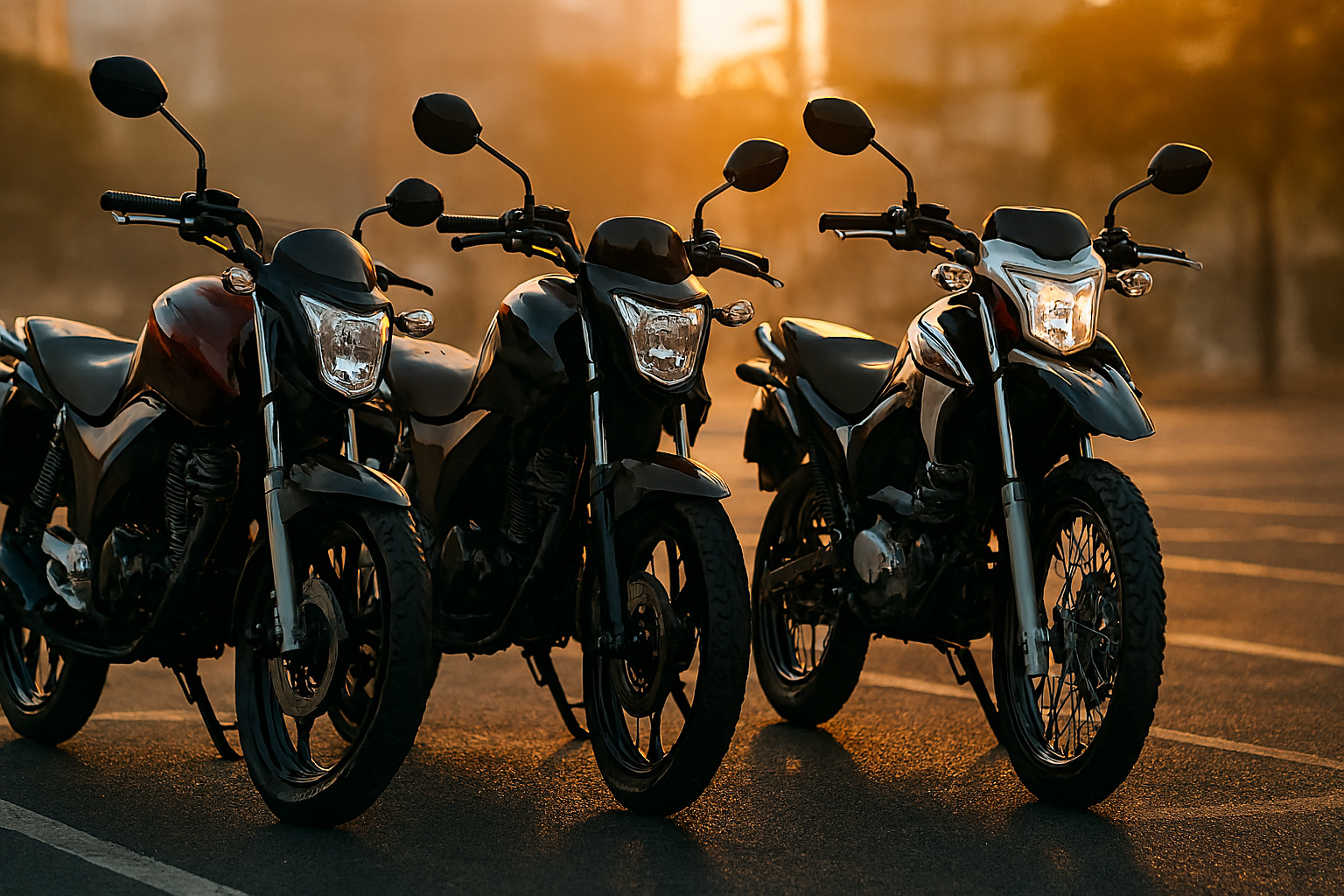
CG 160, Factor 150 and Bros 160 Dominate Used Motorcycles with Consumption Over 30 Km/L, Low Maintenance and Prices Between R$ 7,000 and R$ 14,000.
The Honda CG 160, Yamaha Factor 150, and Honda Bros 160 currently form the most rational trio in the Brazilian used motorcycle market for those who need to ride every day. They combine consumption above 30 km/l, extremely low maintenance costs, and a mechanics designed to withstand heavy use, including in delivery services.
With prices ranging from R$ 7,000 to R$ 14,000, this category has become the most solid entry point for those seeking income from a motorcycle or simply want an economical vehicle for daily commuting. These models do not promise excitement, but deliver durability, economy, and total liquidity in the market.
Used Honda CG 160: The Champion of Consumption and Durability in Heavy Work
The CG 160 maintains its reputation as the most reliable motorcycle in Brazil for a simple reason: simple and extremely resilient mechanics. The 162.7 cm³ single-cylinder engine, with electronic fuel injection, delivers about 14.9 hp and torque sufficient for constant urban use.
-
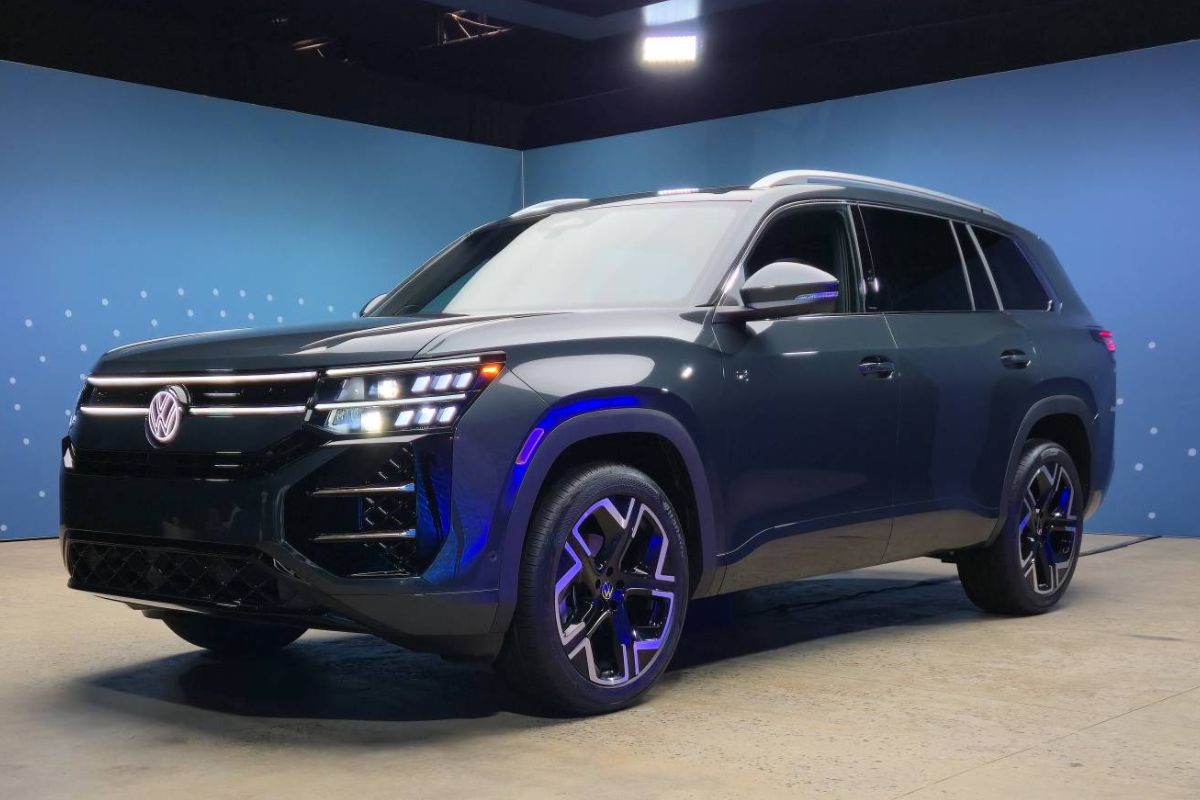
Volkswagen unveiled the 2027 Atlas with a 282-horsepower EA888 turbo engine, a 15-inch screen, massage seats, and a completely new interior to finally elevate the three-row SUV built on the MQB platform to a new level.
-
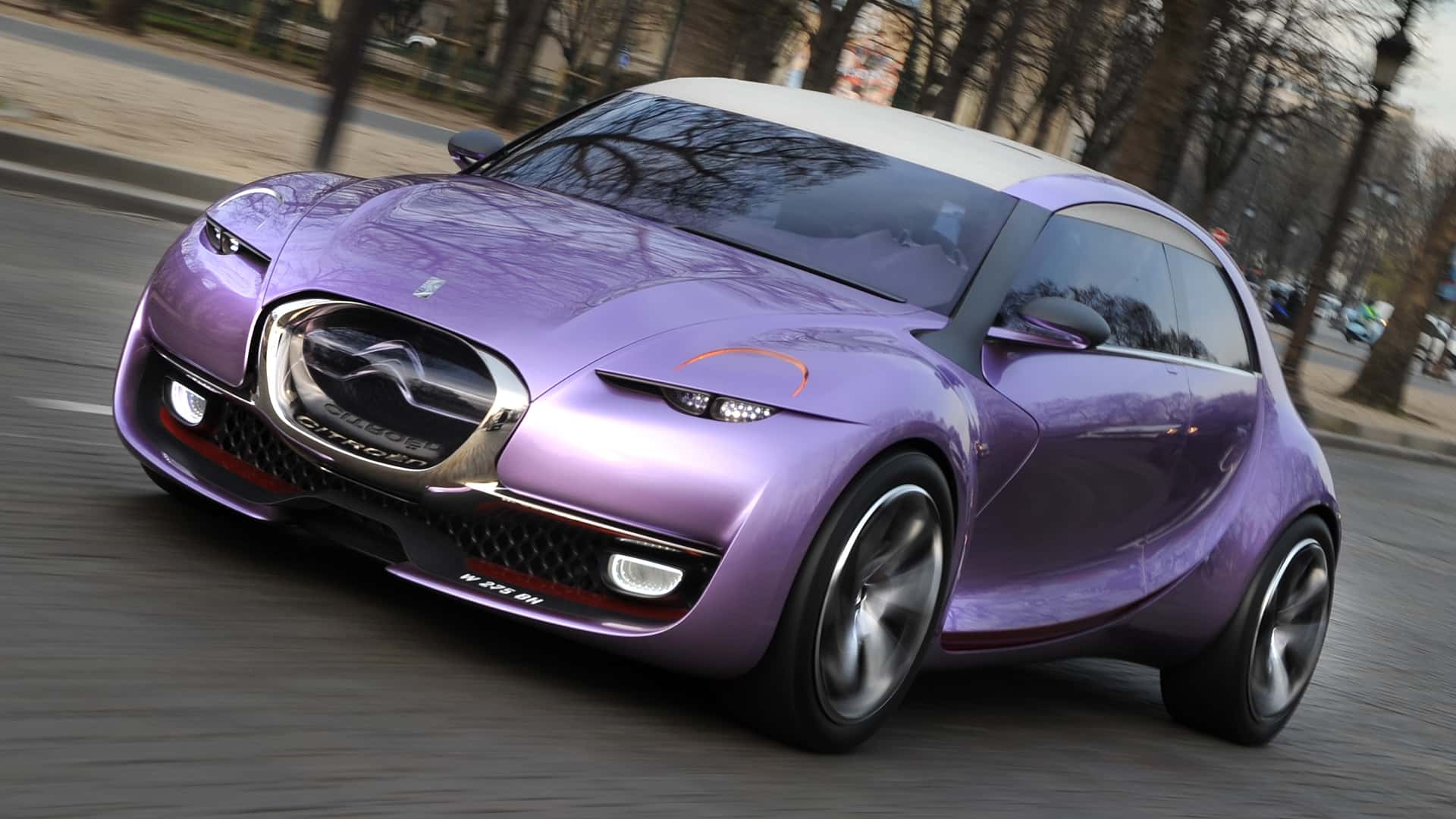
After decades out of the spotlight, Citroën is preparing to bring back the legendary 2CV as a low-cost electric vehicle, betting on the revival of one of the most popular cars in history and aiming to enter the race for affordable compact cars.
-
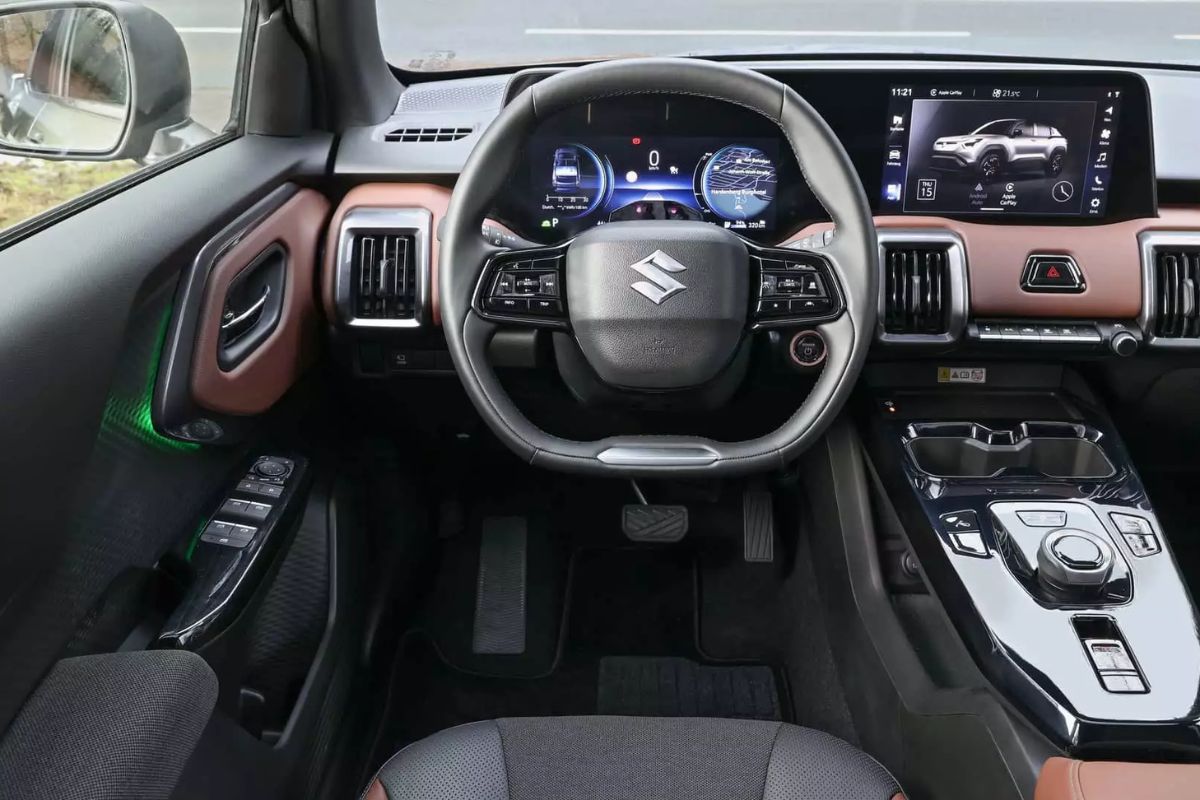
The 2026 electric Vitara arrives in Brazil and proves that Suzuki is not leaving: 4×4 traction, 184 hp, 61 kWh LFP battery, 293 km range, R$ 259,000, and a trunk capacity of 224 L.
-
Hyundai has unveiled the Boulder, a square SUV with a body-on-frame design, 37-inch mud tires, and carriage-style doors that seems to be made to take on the Ford Bronco and the Scout Traveller in the United States.



The actual consumption ranges between 35 and 42 km/l, depending on the pace and load. In work usage, the CG maintains averages superior to practically all direct competitors.
The simple suspension, low weight, and extremely low cost of parts make the CG the cheapest motorcycle to maintain in Brazil. It runs thousands of kilometers with minimal cost and rarely generates unexpected expenses.
Used Yamaha Factor 150: Mechanical Smoothness, Economy, and Balance in Daily Use
The Factor 150 stands out by offering smoother operation than most motorcycles in the category. Its 149 cm³ engine, also with electronic fuel injection, delivers about 12.4 hp with linear responses and low vibration levels.

The actual consumption fluctuates between 32 and 38 km/l, very close to the CG. The big advantage of Yamaha lies in the durability of the internal assembly and the stability of the engine at high RPMs.
The soft clutch, precise gearbox, and balanced cycling make the Factor an excellent motorcycle for those who ride long distances every day. It may not be the cheapest, but it is one of the most comfortable in the category.
Used Honda Bros 160: The Most Versatile Among the Economic Motorcycles
The Bros 160 occupies a different level within the trio for being the only one with both on-road and off-road capabilities. Its 162.7 cm³ engine is the same as the CG, with power close to 14.9 hp, but with different delivery due to the gear ratio.

The consumption ranges between 30 and 35 km/l, slightly below the CG but still very competitive.
The major advantage lies in the elevated riding position, long-travel suspension, and the capability to tackle rough streets, dirt, and bumps with ease.
For those who ride in regions with poor asphalt, dirt roads, or uneven sections, the Bros becomes the most durable motorcycle in the trio. It withstands impact, twisting, and severe use like few others.
Real Consumption and Cost Per Kilometer Traveled
In practice, all three motorcycles deliver one of the lowest costs per kilometer in Brazil. Refueling with little fuel and riding dozens of kilometers has become standard in this segment.
The CG leads in pure economy. The Factor compensates with smoothness and less mechanical wear.
The Bros sacrifices a bit on consumption to offer absolute mobility.
In any scenario, the monthly fuel expense for these motorcycles is well below that of popular cars, making them earning machines for those working in deliveries.
Maintenance, Durability, and Cost of Ownership
All three motorcycles share the same philosophy: simple mechanics, abundant parts, and low labor costs. Oil changes, filters, pads, chains, and tires have the lowest costs in the Brazilian market.
Engines of this type are known to run 80,000, 100,000, and even 150,000 km with basic maintenance.
There is no history of serious chronic failures in this trio.
Another decisive point is the extremely high resale value. CG, Factor, and Bros rarely remain unsold in classifieds, significantly reducing financial risk.
Why This Trio Dominates the Used Motorcycle Market in Brazil
The dominance of the CG 160, Factor 150, and Bros 160 is not a trend; it’s economic logic. They combine low initial cost, minimal monthly expenses, high durability, and near-immediate liquidity.
While larger motorcycles consume more fuel, require expensive parts, and high insurance, this trio allows for a whole month of riding with predictable expenses. This is precisely the profile that supports success in Brazil. These motorcycles may not impress with their looks, but they dominate the market because they deliver exactly what they promise.
| Specifications | Honda CG 160 | Yamaha Factor 150 | Honda Bros 160 |
|---|---|---|---|
| Engine | 162.7 cm³, single-cylinder, electronic fuel injection | 149 cm³, single-cylinder, electronic fuel injection | 162.7 cm³, single-cylinder, electronic fuel injection |
| Power | ~14.9 hp | ~12.4 hp | ~14.9 hp |
| Torque | ~1.43 kgfm | ~1.3 kgfm | ~1.6 kgfm |
| Consumption | 35 to 42 km/l | 32 to 38 km/l | 30 to 35 km/l |
| Weight | ~117 kg | ~129 kg | ~134 kg |
| Transmission | 5 gears | 5 gears | 5 gears |








Seja o primeiro a reagir!