





 Portuguese
  English
  Spanish
  8 min of reading
  0 comments


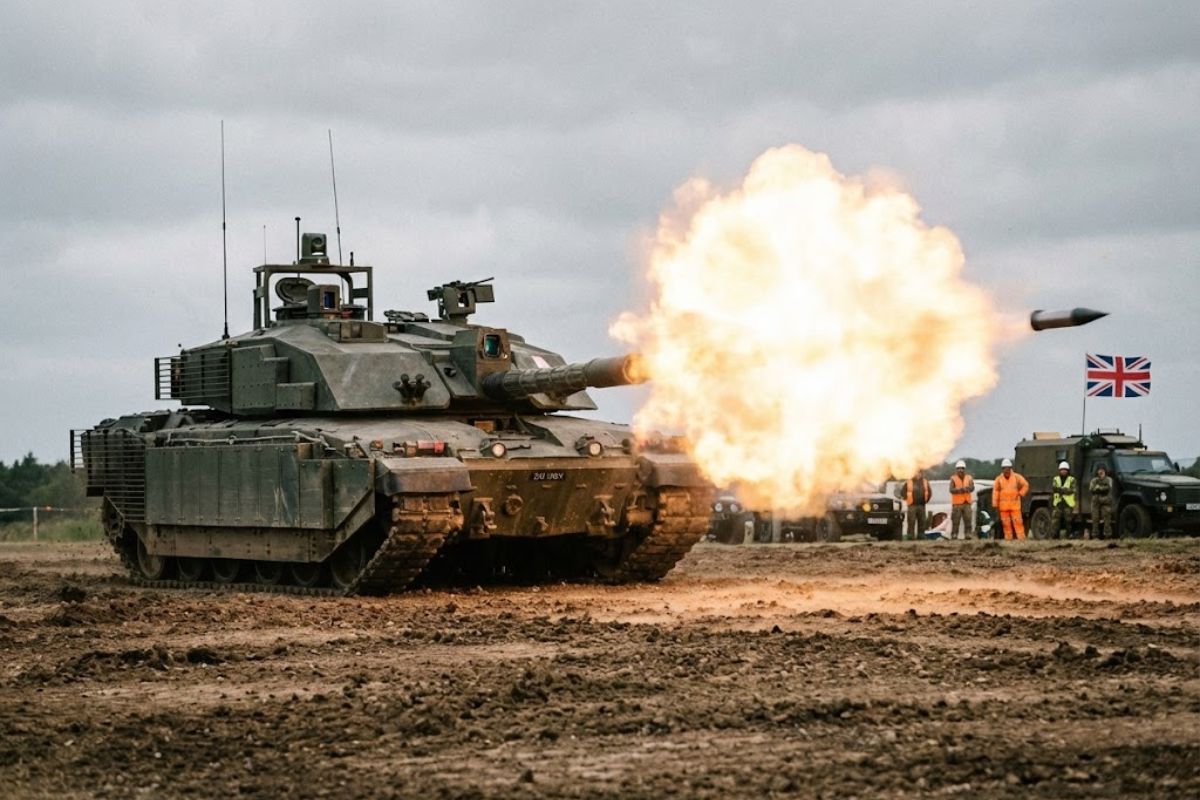
Challenger 3 Initiated Crewed Firing Tests After Remote Shots, In Undisclosed Range In The UK, According To The DE&S. Developed By RBSL, With L55A1 120 Mm Gun, It Replaces The L30A1 Rifled Gun, Uses NATO Ammunition, Carries 31 Shells And Enters Service In 2027 After Decades
The Challenger 3 successfully performed its first shot from its main gun and opened a new phase of the British Army’s main tank program, with tests conducted at an undisclosed firing range in the UK and with the vehicle fully crewed. The announcement was made by the Defense Equipment and Support (DE&S), the UK Ministry of Defence’s acquisition branch, and was regarded as a milestone not seen for over 30 years in comparable development and firing test cycles.
Entry into service is expected in 2027, as part of a renewed focus on armored warfare in Europe, with the UK seeking to enhance the lethality, survivability, and digital integration of its main armored vehicle. The modernization, however, comes with technical choices that bring clear gains as well as objective trade-offs, such as reduced onboard ammunition, increased weight, and reliance on additional layers of protection and integration with other brigade systems.
Where The Tests Took Place And How The Sequence Unfolded

The shots took place in the UK, at a firing range whose location was not disclosed, with a crew onboard the turret, which is relevant because the campaign included a validation sequence that began with remote shots. This earlier stage was conducted by industry in coordination with the British Army and the DE&S itself, before moving on to crewed firing.
-
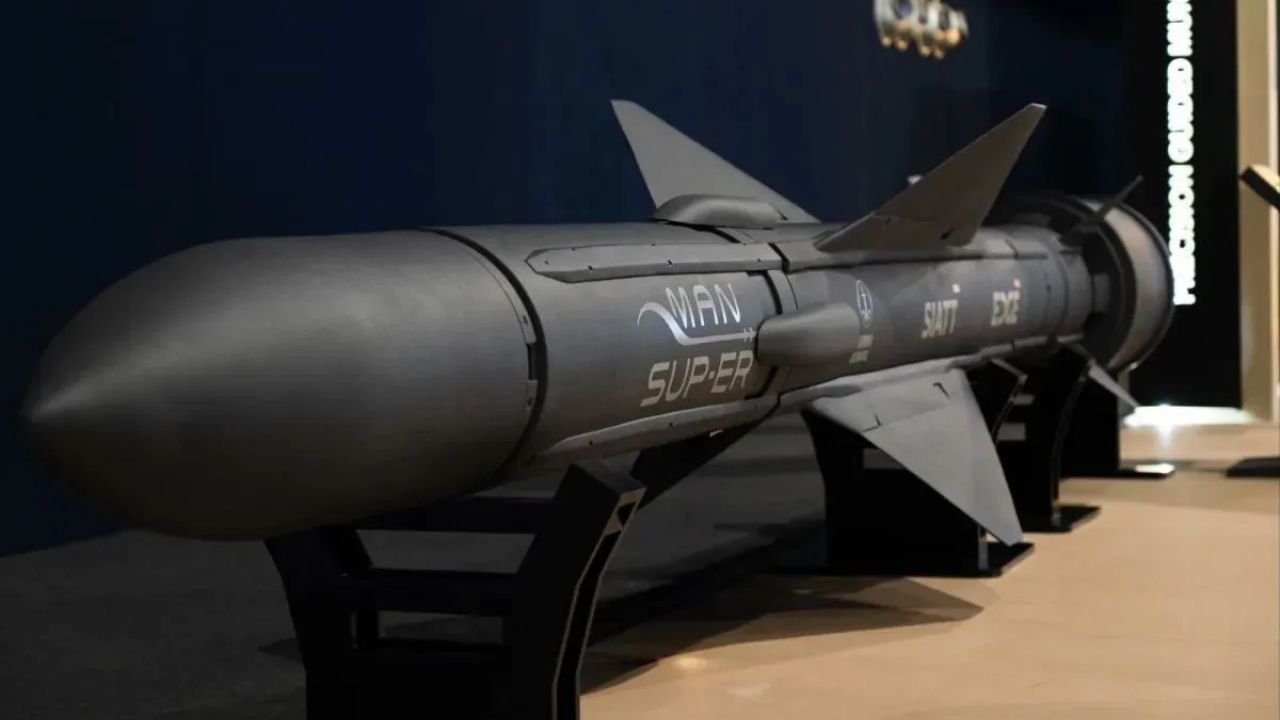
Brazil accelerates the evolution of the MANSUP missile, designing an air-surface version with a range exceeding 200 km, advanced guidance, and precision strike capability against land and naval targets, paving the way for a new generation of national armaments with global potential.
-
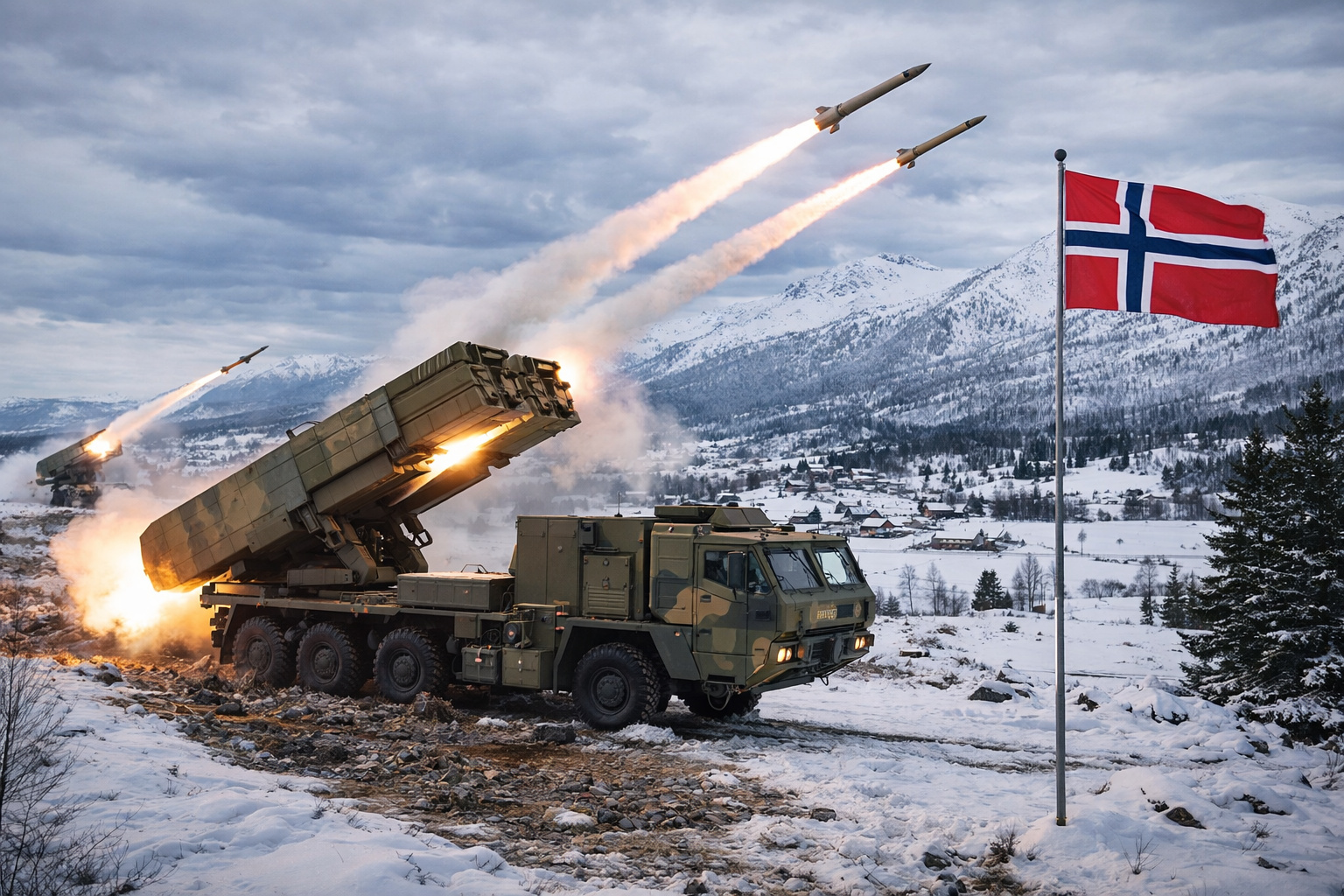
South Korea signs a $922 million deal with Norway, bringing Chunmoo launchers capable of firing guided missiles up to 290 km with an accuracy of 15 meters to Europe and turning the system into a key component of the new global race for precision artillery.
-
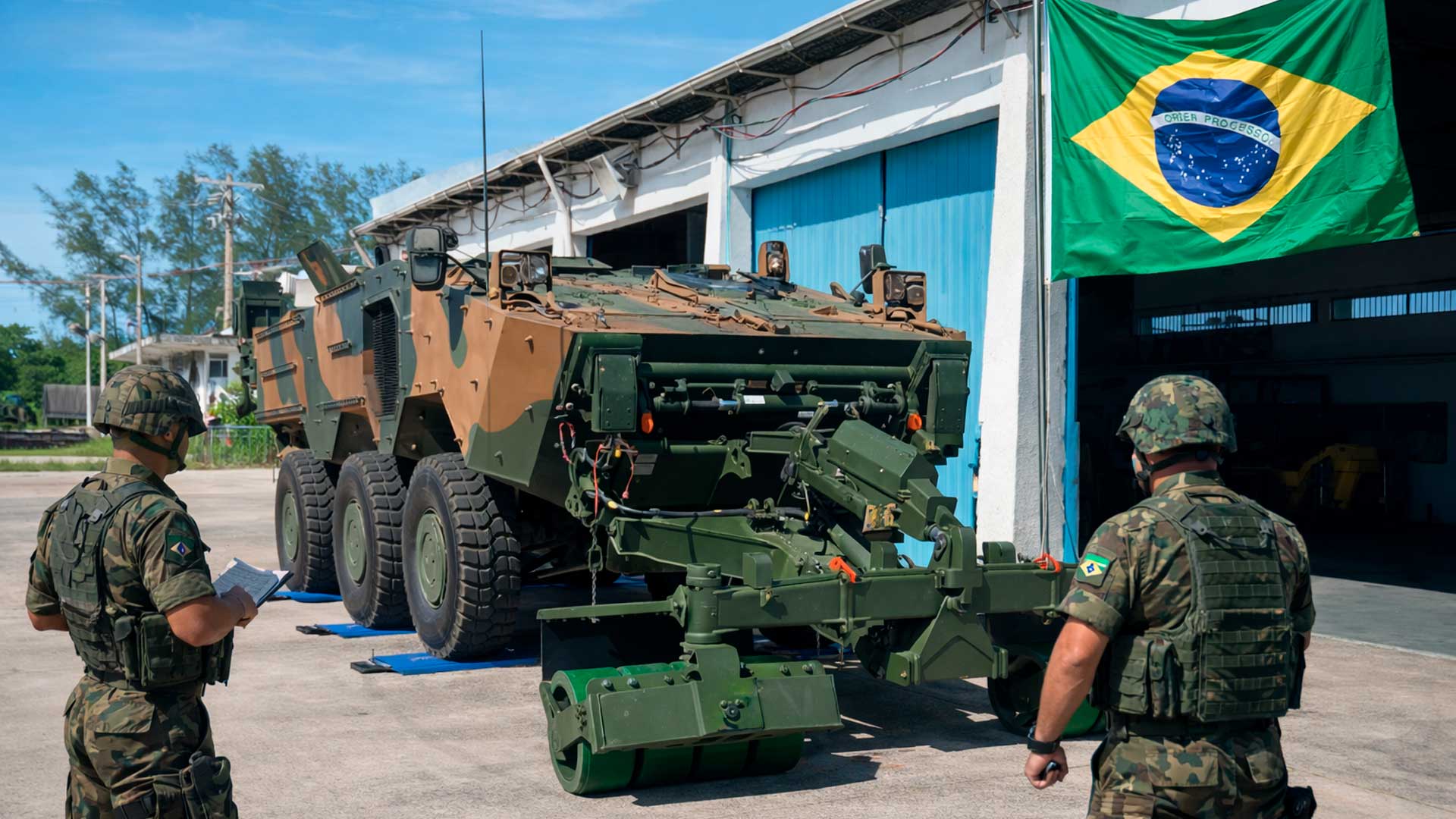
Brazil advances with decisive tests until June, the 6×6 Guarani armored vehicle with engineering equipment enters the most important phase and can enhance the operational capability of the Army.
-
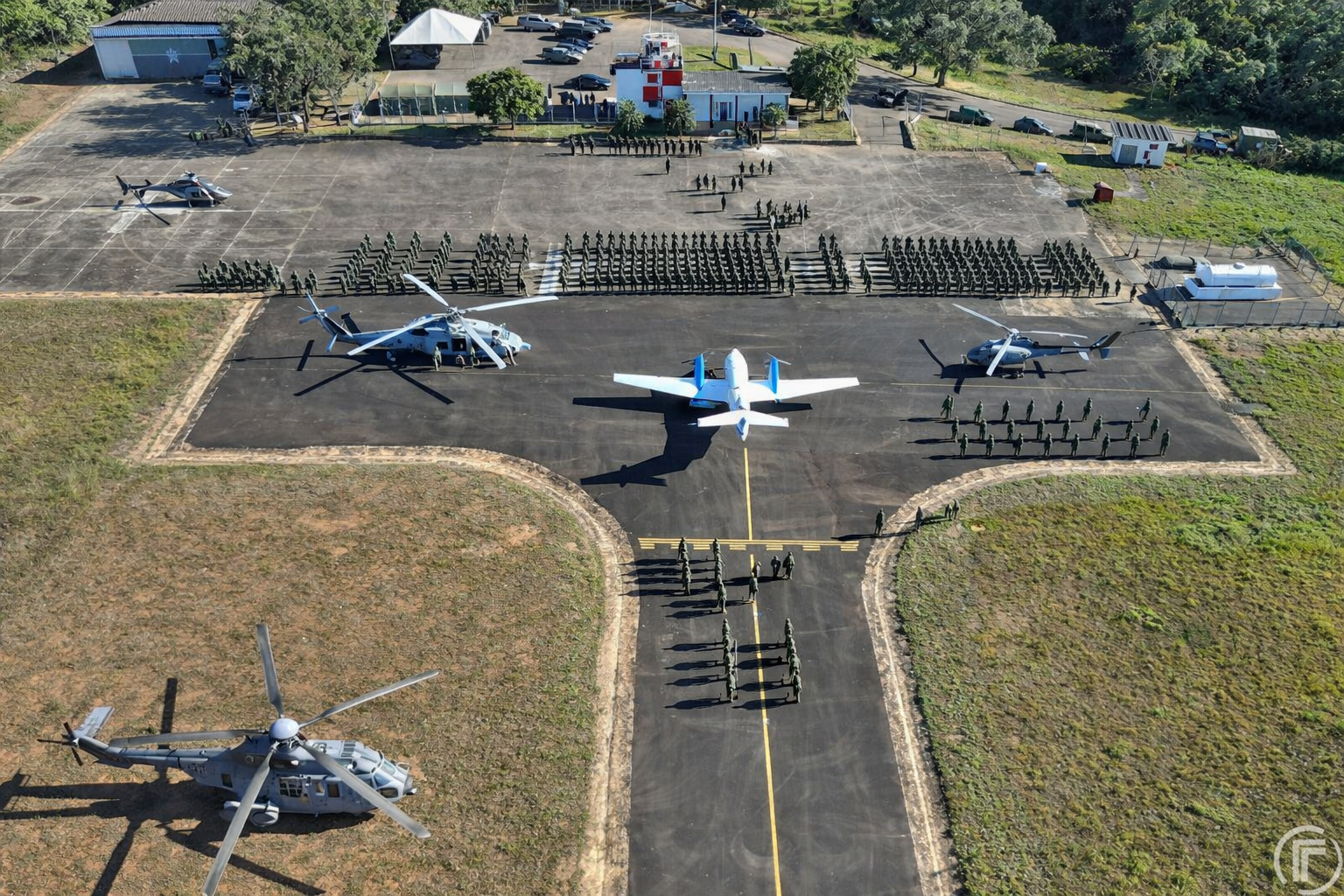
Furnas Airport is handed over to the Navy and becomes a strategic base with complete military operations, attack drones, and international mobilization at Furnas Lake.

The program is led by Rheinmetall BAE Systems Land (RBSL), a joint venture between German Rheinmetall and British BAE Systems, responsible for the development of the new combat vehicle. The line of fire and the progression of the trial, transitioning from remote to crewed firing, was presented as evidence of the volume of work invested to keep the system safe, robust, and ready for the upcoming phases.
Manufacturing takes place in Telford, England, with the Challenger 3 being produced by RBSL under a contract valued at over £800 million, also described as about US$ 1 billion. In early 2024, it was reported that the first prototype had been completed in Telford, establishing the physical foundation for the testing campaign now including crewed firing.
The UK’s current plan is to convert 148 units of the Challenger 2 to the new standard, including eight prototypes. This limited number is central to the operational debate, as it defines availability scale, rotation, maintenance, and the ability to sustain readiness over long cycles, especially if doctrine requires constant presence in combat brigades.
New Gun: What Changes With The L55A1 120 Mm

The central element of the Challenger 3 is the L55A1 120 mm smoothbore gun, a product of Rheinmetall Waffe Munitions. The weapon is described as being capable of firing both kinetic energy anti-tank projectiles and programmable multifunctional ammunition, expanding the spectrum of its use, from anti-tank engagement to adjustable effects according to the target.
The change is historic because it replaces the rifled L30A1 gun of the same caliber, present on the Challenger 2. The adoption of the new gun is associated with a notably higher muzzle velocity, with projectiles exiting the tube faster, which is presented as a factor that enhances penetration and, in some cases, range. Practically, the change repositions the British armored vehicle to a standard widely used in the NATO ecosystem.
The smoothbore brings an immediate logistical consequence: the Challenger 3 will fire single-piece ammunition, instead of the two-piece arrangement used in the Challenger 2. This opens access to a wider range of standard NATO ammunition, including DM63 and DM73, described as penetrating APFSDS projectiles stabilized by fins, with long penetrators that use kinetic energy to penetrate enemy armor.
The possibility of employing the North American M829A4 projectile, another APFSDS round with a depleted uranium penetrator, is also cited, a material denser than many conventional metals and associated with superior penetration performance. The British Army already employs depleted uranium ammunition in the Challenger 2, with the L27A1 CHARM 3 projectile.
The most visible trade-off lies in the onboard volume: due to space requirements of the single-piece ammunition, the Challenger 3 carries 31 shells, compared to 49 in the Challenger 2. This reduction alters the balance between fire sustainment and internal architecture needs, likely influencing resupply planning, combat cadence, and logistics at the brigade level.
Isolated Storage And Focus On Crew Survivability
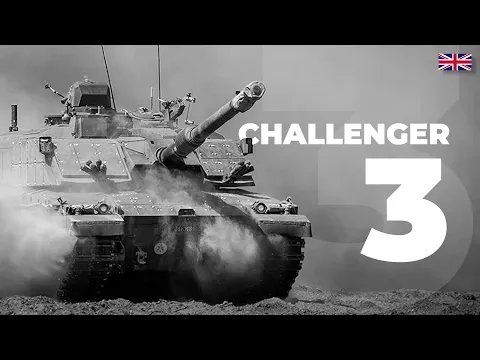

The ammunition on the Challenger 3 is stored in a separate compartment at the rear of the turret, designed to enhance survivability in the event the tank is hit. This detail is not cosmetic: it points to an explicit priority to limit internal impact effects and reduce risk to the crew, even with the volume restriction that contributes to the total of 31 available shots.
This storage architecture, combined with other layers of protection, reinforces the logic that the vehicle was designed to operate in an environment where anti-tank threats and high-energy impacts are deemed probable, requiring damage mitigation and preservation of the human element as a factor for continuity of combat.
In addition to the gun, the Challenger 3 incorporates a new optical and aiming package described as similar to that used in the infantry fighting vehicle Ajax. The set includes the Thales Orion system and a day-and-night panoramic sight for the gunner DNGS T3, components integrated into a digitized turret.
The manufacturer describes this turret as based on an open architecture concept, facilitating hardware and software upgrades over time. In practice, this suggests greater flexibility to incorporate new digital capabilities, sensors, and integrations, reducing the rigidity typical of legacy solutions and allowing for more frequent modernization cycles.
nMA Modular Armor And The Logic Of Equipping When Necessary
In terms of protection, the Challenger 3 receives new modular armor identified as nMA. The use of a modular system allows specific parts of the armor to be quickly removed and replaced, which tends to reduce maintenance time and facilitate reconfigurations according to the scenario.
Another direct operational point is the acquisition model: the UK does not need to purchase complete armor sets for all vehicles, as units can be equipped with nMA only when necessary. The package includes additional armor for the sides of the hull and for the bottom, critical areas facing side threats and explosion effects acting from below the vehicle.
An additional layer may be provided by an active protection system, and the British choice was the Trophy APS, made in Israel. The system uses radar to detect enemy projectiles and fires interceptor projectiles for neutralization before impact, focusing on threats such as guided anti-tank missiles and rocket-propelled grenades.
The possibility of future use against low-power drones is also mentioned, indicating that the design recognizes a rapidly evolving combat environment in which cheap and numerous threats can pressure heavy vehicles. The idea of operating without this active protection layer, in this context, is considered unlikely for intensive combat scenarios.
HAAIP: Automotive Improvements With No Power Increase
The mobility of the Challenger 3 is addressed by the Heavy Armor Improvement Project (HAAIP). The package includes the adaptation of an enhanced engine, but without an increase in power, as well as a new suspension, a hydraulic track tensioner, an electric cold-start system, and an improved cooling system.
The detail of the engine without power gain is significant because the program recognizes the increased mass of the vehicle compared to its predecessor. This tends to affect acceleration, mobility on certain terrains, and consumption, while also placing more pressure on suspension, transmission, and thermal management engineering to maintain acceptable performance.
The weight history is a sensitive topic in the British fleet. With additional armor modules, the Challenger 2 is reported to weigh 82.7 tons, while the M1A2 SEPv3 from the US Army is reported to weigh 73.6 tons. Within this framework, the Challenger 3 is described as heavier than the Challenger 2, but without a more powerful engine.
This combination highlights a classic dilemma of modern armored vehicles: increasing protection and integration may mean greater mass, which impacts strategic transport, crossings, component wear, and the very support logistics. The program attempts to compensate for part of this with automotive and cooling improvements, but physical limits remain present.
Next Steps: More Crewed Firing And Reliability Tests
Following the successful shot, the schedule calls for more crewed firing activities and reliability tests planned for the end of this year. This sequence is crucial to validate safety, repeatability, component wear, and integration between gun, digital turret, sensors, and operating procedures.
The DE&S describes the Challenger 3 as the centerpiece of the British Army’s armored modernization program and asserts that it will provide a radical change in lethality, survivability, and digital integration. The value of these statements, however, will depend on performance in the subsequent stages and how well the fleet, despite its small size, can maintain consistent readiness.
The broader modernization program does not proceed without friction. The suspension of Ajax use was reported after dozens of soldiers fell ill, with confirmation that around 30 military personnel exhibited symptoms associated with noise and vibration after an exercise involving the vehicles.
This issue connects to the Challenger 3 because there are concerns about how the Ajax will be operated when grouped with brigades that also employ the new tank. The structure of the British Army, organized into combat brigades, is undergoing changes that project a force of around 72,500 personnel by 2025, down from 76,000 in 2021, and the deployable brigades also include Boxer vehicles and AH-64E Apache attack helicopters, forming an ecosystem where interoperability and real availability matter more than promises.
Small Fleet, Limited Conversion, And Permanence Until 2040
The UK plans to convert 148 Challenger 2 tanks to the Challenger 3 standard, raising questions about scale. At the same time, RBSL itself has stated that it is technically possible to build new Challenger 3 tanks, if necessary, even though the current planning is focused on conversion.
Even with a relatively small number, the existence of the Challenger 3 is presented as assurance that the UK will maintain tank capability at least until 2040, according to current plans. This point gains relevance in the post-Ukraine debate, where losses of armored vehicles and new threats, such as low-cost FPV drones, have raised questions about the future of the tank, but also prompted NATO countries to bolster fleets and, in some cases, to reinstate tanks after having abandoned this type of vehicle.
The first shot of the Challenger 3 at an undisclosed firing range in the UK is more than a symbolic event: it materializes the British transition to a NATO standard smoothbore gun, consolidates a digital turret with open architecture, introduces nMA modular armor, and points to a doctrine that needs to balance active protection, integration, and logistics in a Europe again focused on armored combat.
If you follow defense and military modernization, the next realistic step is to observe the reliability tests and new crewed firing planned for the end of the year, as it is in this cycle that practical limits of weight, onboard ammunition, readiness, and integration with systems like Ajax, Boxer, and Apache will emerge.
In your assessment, is the reduction to 31 shells in the Challenger 3 an acceptable price for NATO standardization and isolated storage, or could this become an operational bottleneck in prolonged combat?










-

-

-

-

-

8 pessoas reagiram a isso.