





 Portuguese
  English
  Spanish
  5 min of reading
  2 comments


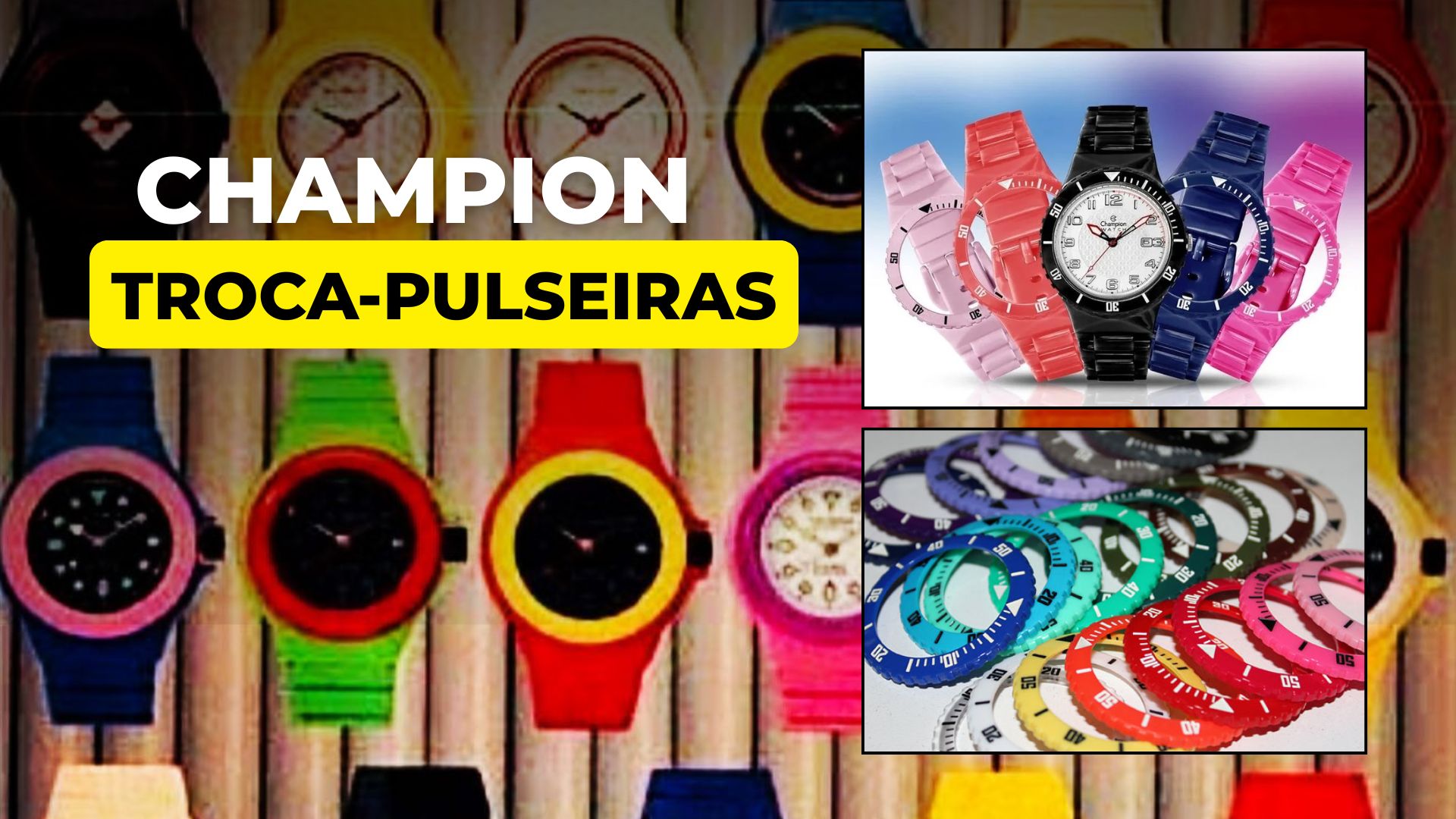


A Youth Fashion Icon, the Champion Troca-Pulseiras Made History in Brazil with Customizable Design and Vibrant Colors, Crossing Generations and Transforming into a Social Media, Retail, and Consumer Trend Phenomenon.
Champion Troca-Pulseiras and the Customization Phenomenon
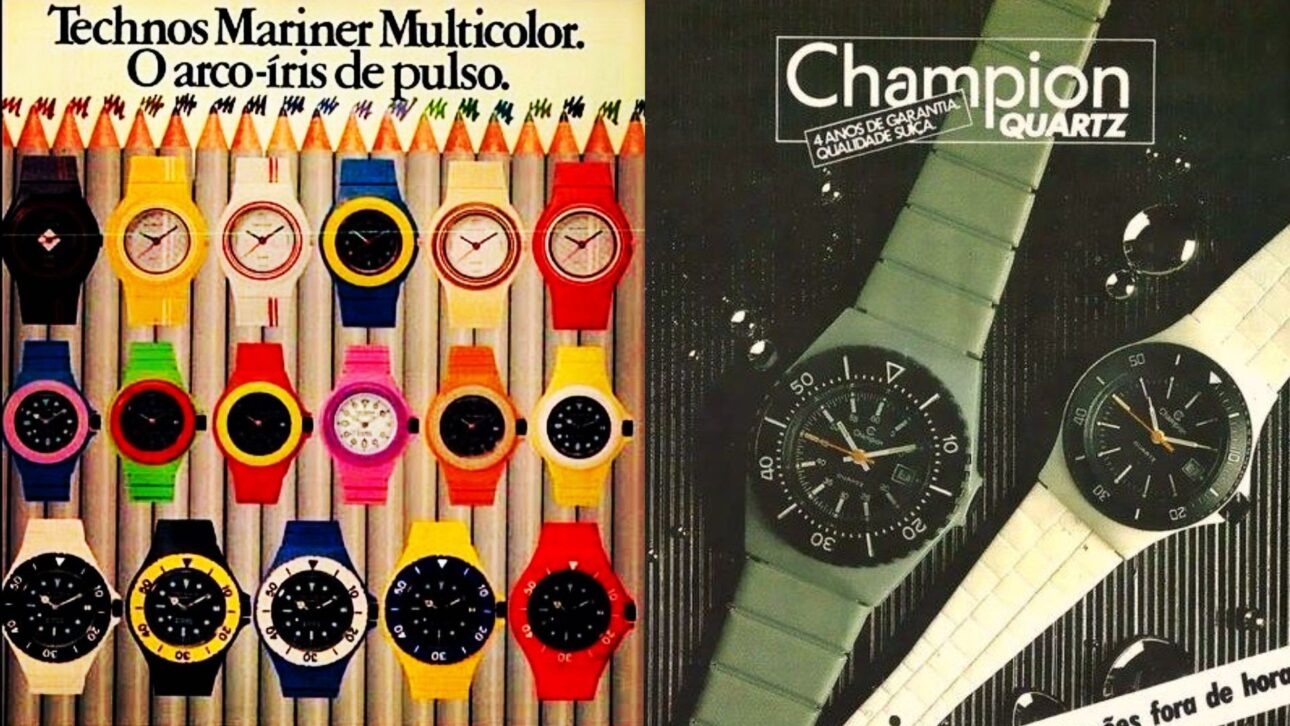
In the 1980s and 1990s, the Champion Troca-Pulseiras “revolutionized” the Brazilian watch market by uniting fashion, innovation, and accessibility in a product that captivated young people across the country.
Neighborhood stores and large chains began displaying colorful kits that offered consumers the unprecedented opportunity to personalize the accessory, marking a generation and transforming the watch into a cultural symbol of urban youth.
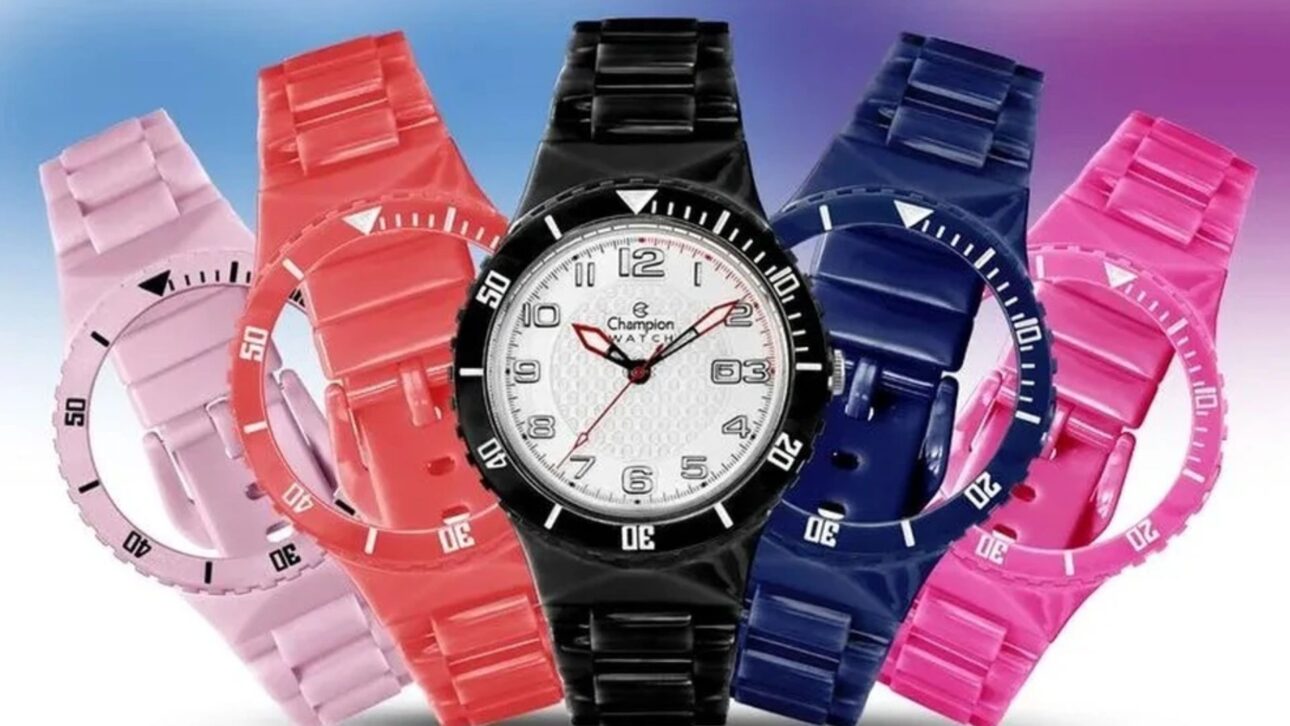
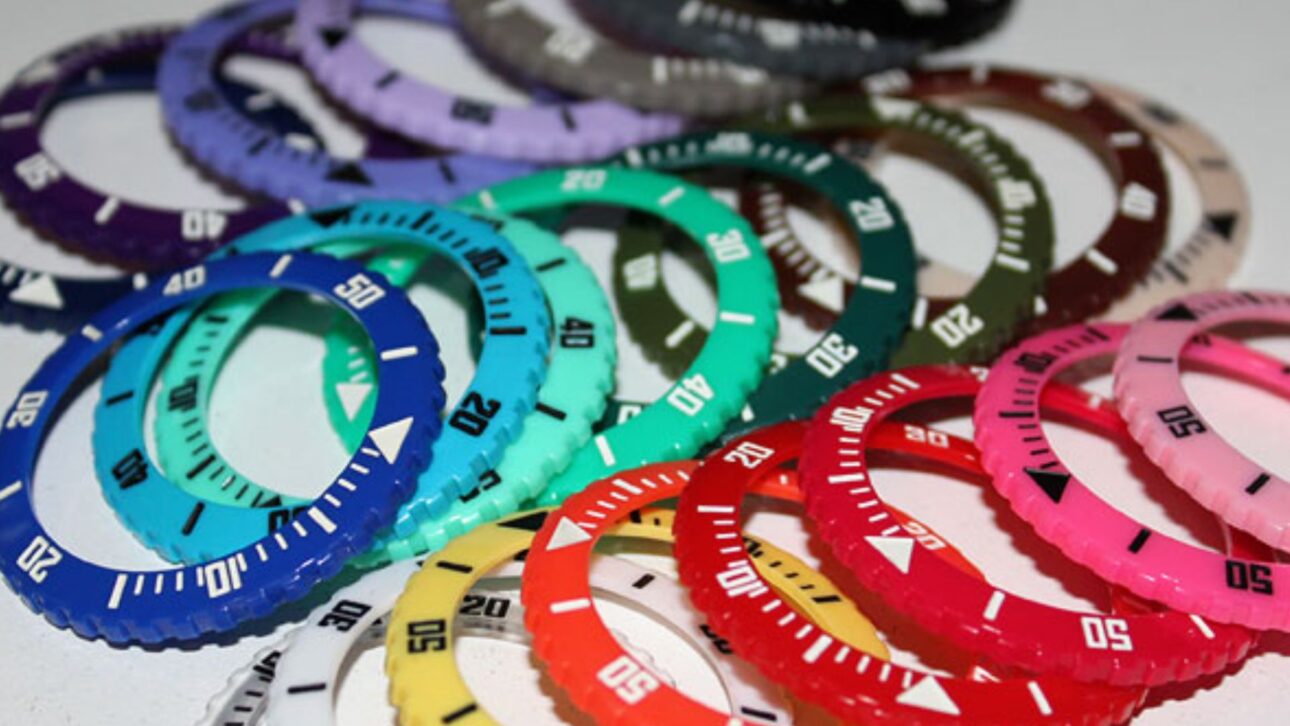
The chameleon watch, as it became known, allowed for quick changes of both the straps and the bezel, creating over 49 possible combinations and establishing a trend that directly corresponded with the New Wave aesthetic of the time.
-
These living root bridges and ladders are over 700 years old and help indigenous people survive in one of the rainiest regions in the world.

-
From sertanejo star to international investor: Ana Castela invests millions in a mansion in the USA, creates a themed accommodation in Orlando, and shows that the “boiadeira” also wants to grow away from the stage.

-
The 10 most stunning motorhomes in the world: a $3 million trailer with a rooftop nightclub and garage for a Ferrari, “palaces on wheels” with Italian marble, private cinema, and five-star hotel luxury for billionaires.

-
Trump wanted to spend $400 million on the White House, but the courts prohibited the million-dollar construction.


The Origin of the Chameleon Watch in Brazil
Launched by Champion during the second half of the 1980s, the Troca-Pulseiras system quickly gained prominence in showcases and advertisements across Brazil.
Printed advertising campaigns relied on the youthful, fun, and universal appeal of the product, with the slogan “Young, Fun, and Goes with Everything” emblazoned on ads that displayed transparent boxes filled with neon-colored straps.
Reports from the time indicate that the model quickly became a craze in schools and colleges, coming to be regarded as a symbol of ostentation among teenagers and children in the late 1980s and early 1990s.
Expansion, Collecting, and Sales Strategy
The expansion of the Champion Troca-Pulseiras’ popularity forced the brand to invest in new versions of the product.
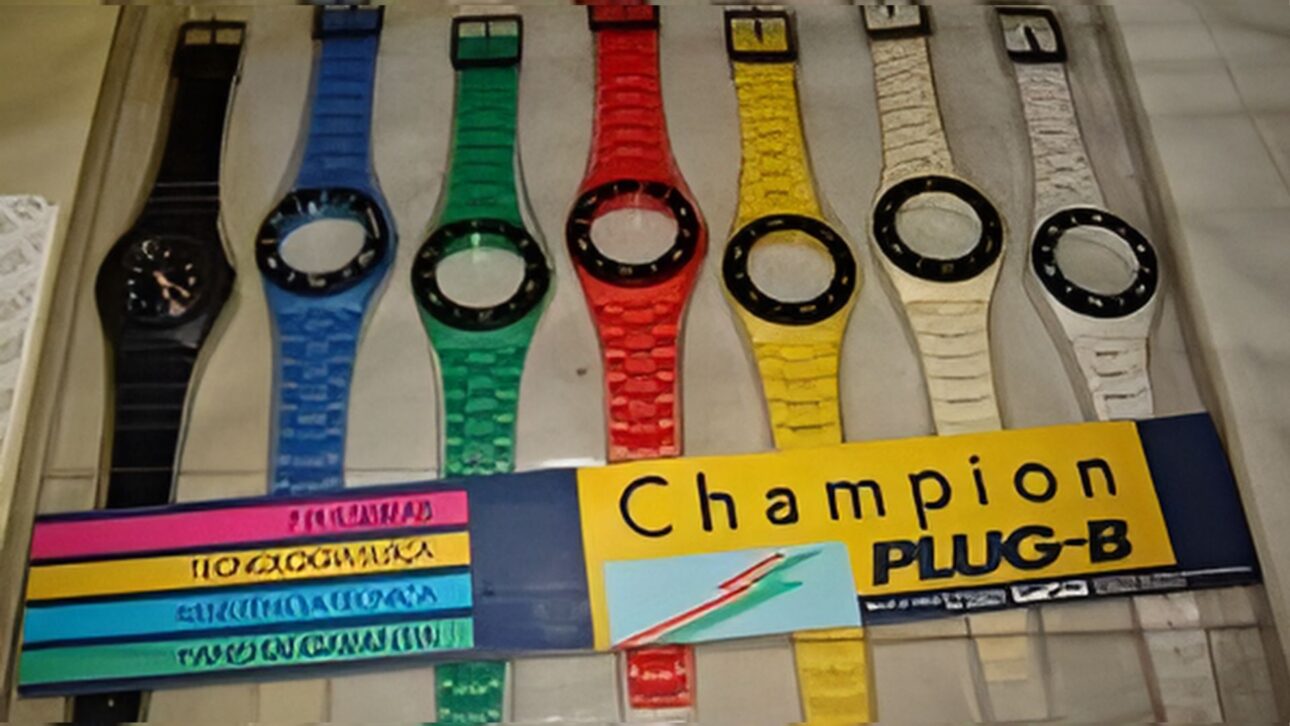
With local production of quartz movements in Manaus, Champion began selling kits with four or seven straps, a strategy that helped maintain the affordable price and also encouraged the practice of collecting among young consumers.
This decision was crucial in consolidating the watch’s presence in Brazilian daily life, as well as stimulating constant exchanges among friends and family, further reinforcing the playful and democratic nature of the accessory.
Acquisition by the Magnum Group and a New Industrial Cycle
In the late 1990s, the Magnum Group acquired Champion, taking responsibility for the Troca-Pulseiras line.
Official information from the company itself reveals that, after the acquisition, the factory located in the Free Trade Zone of Manaus reached a production capacity of five million pieces per year, meeting the growing national demand.
Nevertheless, the iconic model was off the market for nearly a decade, reappearing only in August 2009 with a major relaunch campaign already adapted to the digital age.
Digital Relaunch and Impact on Searches
The return of the Champion Troca-Pulseiras was marked by a strong presence on the internet, driven by strategies from the Pulso agency.
An interactive hotsite, starring actors Bruno Gagliasso and Isis Valverde, offered simulators to create up to a million strap combinations, along with daily giveaways of kits and exclusive behind-the-scenes videos.
The initiative achieved significant numbers: there were over 15 million pages viewed and an average browsing time of ten minutes per visitor by the end of 2010.
Data from Google Brazil, compiled for the “Year in Search 2010” report, indicated “Champion Watch” as the second most searched term in the Shopping category, behind only event tickets.
According to the agency responsible, part of this success was the result of the combination of nostalgia from adults reminiscing about their childhood, and the interest of a new generation engaged in the fashion blog universe.
Innovations, Versions, and Competition with Smartwatches
In 2016, an official publication from the Magnum Group revealed that five million units of the Champion Troca-Pulseiras had been sold since the relaunch, highlighting the product as “the best-selling watch of all time” in Brazil.
The line began to incorporate new features, including dials with colored relief, versions with crystal, steel, leather, or aluminum straps, touch screen layouts, and programmable LED displays to show messages.
Some editions migrated to themed kits, expanding the offerings and competing directly with entry-level smartwatches, a trend consolidated among the youth audience.
Current Market and the Value of Vintage Champion
In the e-commerce landscape in 2025, it is possible to find women’s kits of the CP30219 model being advertised for around R$ 289, with payment installments of up to eight times without interest.
At the same time, vintage items labeled “80s” have been sold on marketplace platforms for prices ranging from R$ 200 to R$ 400, highlighting the growing interest from collectors.
The physical distribution of the product remains relevant, with more than 9,000 points of sale nationwide.
Nostalgia, Social Media, and New Strategies
Nostalgia surrounding the Champion Troca-Pulseiras has strengthened on social media, especially on TikTok and Instagram.
On TikTok, for instance, there is emphasis on content teaching how to change straps in just a few seconds and comparisons with smartbands.
Recently, the official brand profile celebrated the return of the line with Reels-type videos that received many likes and had a significant impact.
Champion Troca-Pulseiras: Tradition, Innovation, and Identity
Even amid industry changes, the Champion Troca-Pulseiras maintains its core identity: to be a versatile watch that allows the user to change the strap color without needing to purchase a new accessory.
The success of the so-called chameleon watch can be explained by the combination of nostalgia, innovation, and the ability to adapt to different audiences and styles.
And you, have you ever had a Champion Troca-Pulseiras? What color combination is etched in your memory and brings back good moments from that time?








Ccomo faço para comprar,tive dois de sete pulseira, quero outro
Tenho um mas, hoje encontro ddificuldade para encontrar a pulseira. Moro no Rio de Janeiro. Podem informar onde adquerí-las?