





 Portuguese
  English
  Spanish
  5 min of reading
  0 comments


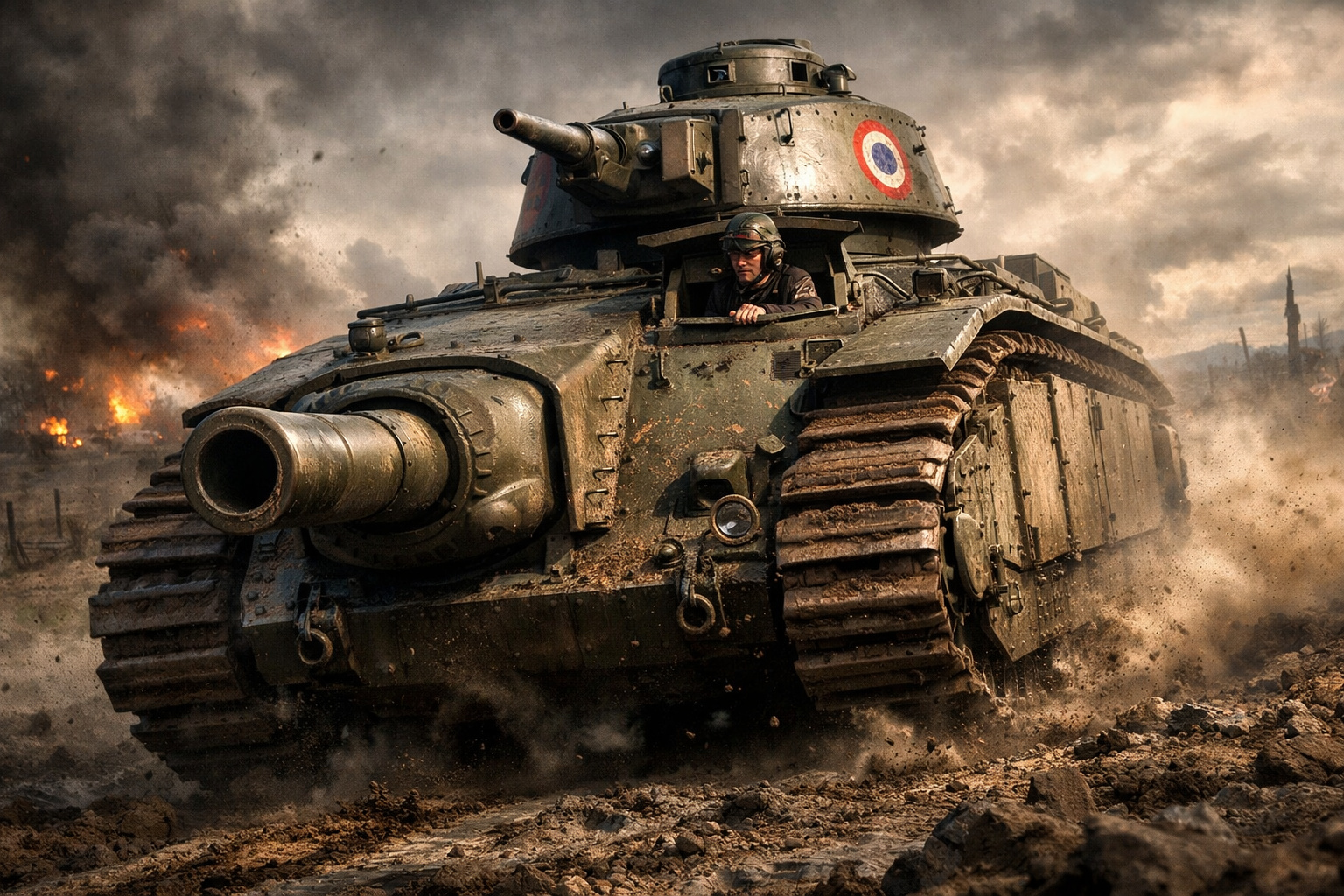
The French Char B1 of 1936 Had Two Cannons in Different Positions and Required the Driver to Turn the Entire Tank to Aim the Main Armament.
In the years leading up to World War II, several European powers were racing to develop new types of armored vehicles. Among the most curious projects that emerged during this period was the Char B1, a French heavy tank that entered service in the mid-1930s. Initially designed in the 1920s, the vehicle incorporated extremely unusual technical solutions for its time. The Char B1 Had Two Cannons Installed in Different Positions, each serving a specific function on the battlefield.
This unusual configuration turned the tank into a true paradox of military engineering. While one cannon was installed in the traditional rotating turret, the other was mounted directly on the hull of the vehicle, requiring a completely different method of operation. The result was one of the most complex and intriguing armored vehicles ever produced before World War II.
Two Cannons with Different Functions on the Battlefield
The most striking feature of the Char B1 was its combination of armaments. The tank had a primary 75 mm cannon mounted on the hull, at the front of the vehicle. This armament was primarily designed to destroy enemy fortifications, bunkers, and defensive positions. In addition, there was a second cannon installed in the turret:
-
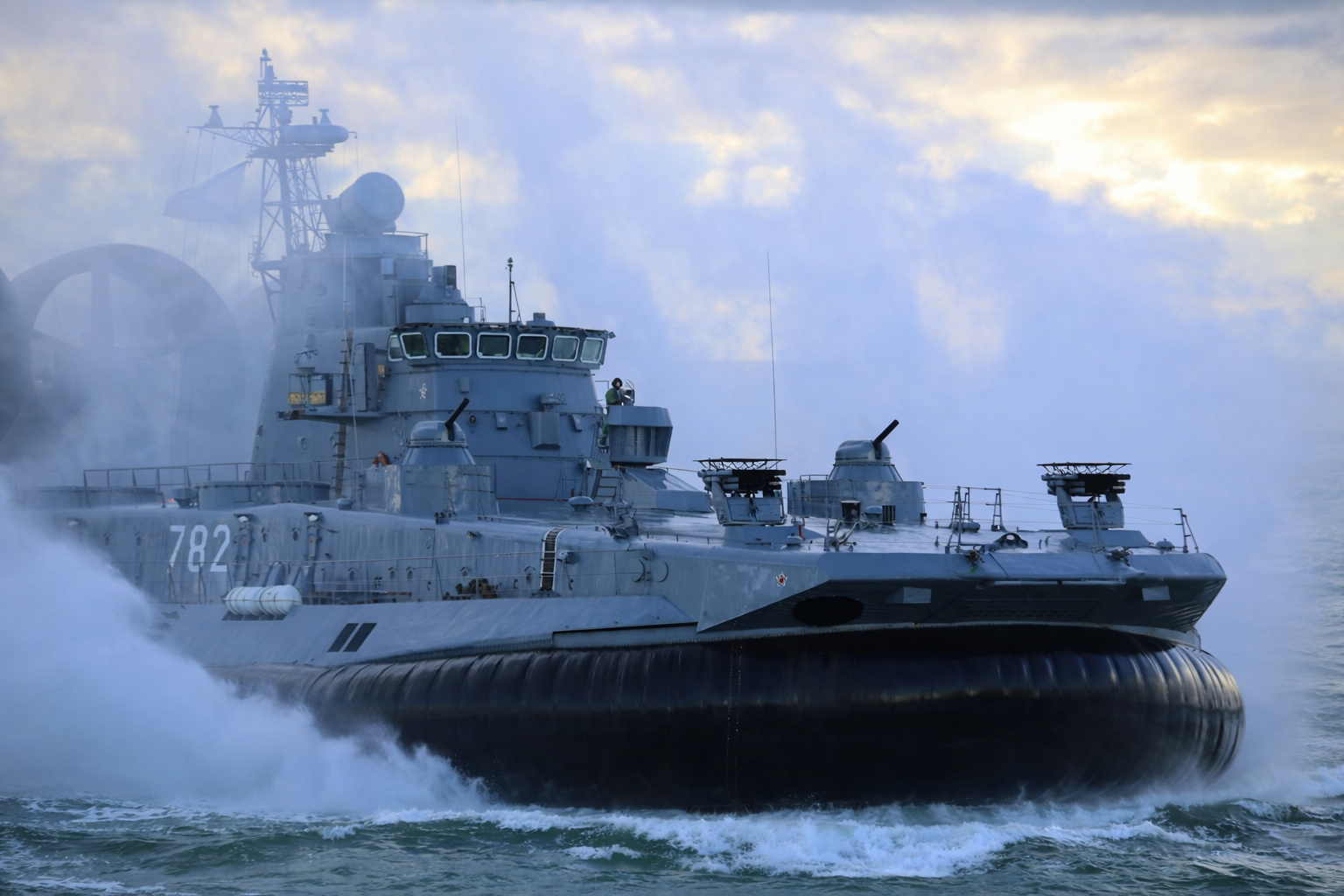
Classified as a “amphibious monster” weighing 555 tons, 57 meters long, and featuring three propellers with a diameter of 5.5 meters, the Zubr is the largest military hovercraft ever built, capable of transporting 3 tanks or 500 soldiers at speeds exceeding 100 km/h over water, ice, and sand, and China has resumed production of it to project power in the South China Sea.
-
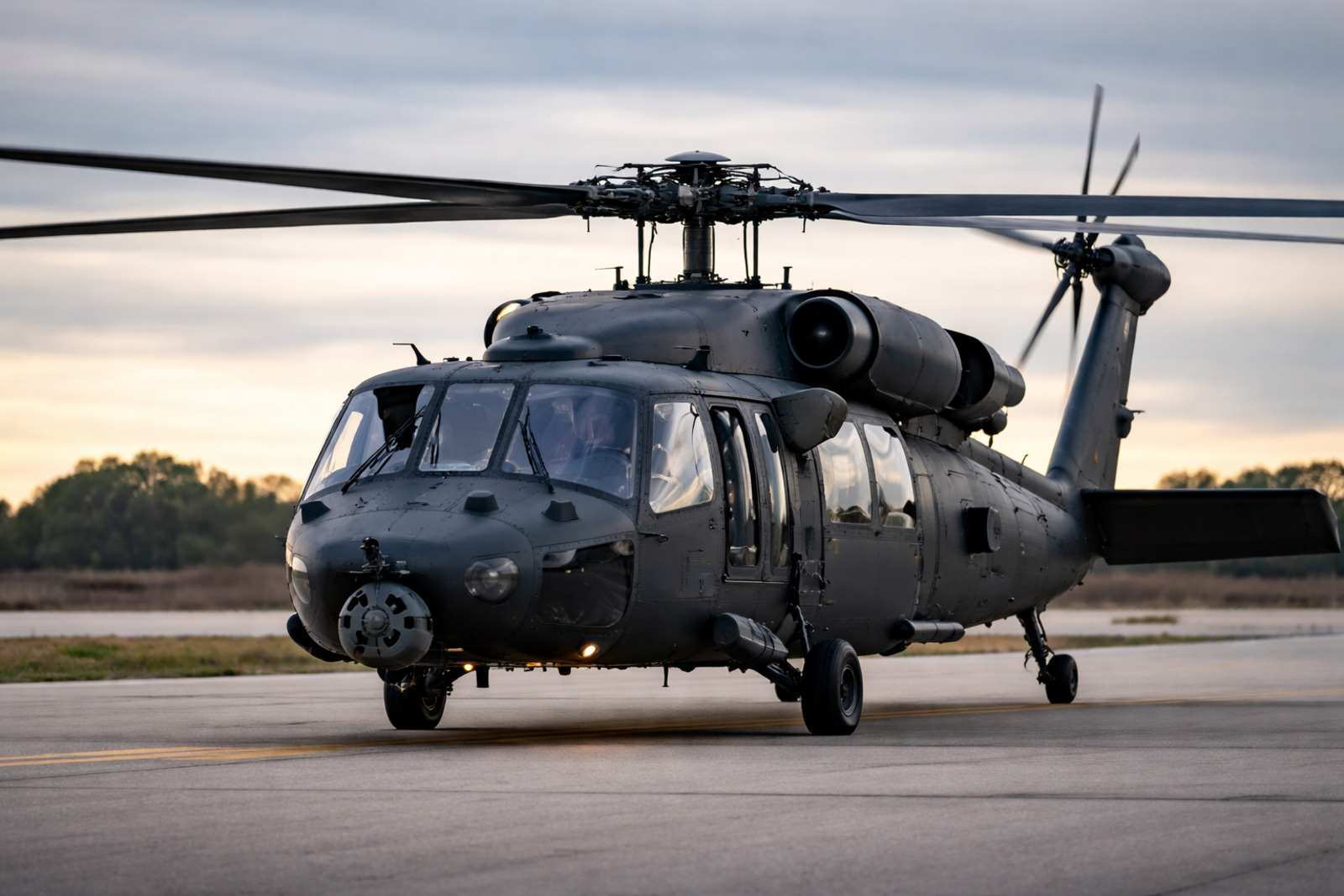
The U.S. Army receives the first Black Hawk helicopter that can fly without pilots, be controlled by a tablet, and even land on its own during high-risk missions.
-
With 11,000 tons and sensors capable of hunting submarines at long distances, the Type 055 has become one of the most feared floating arsenals of the Chinese navy.

-
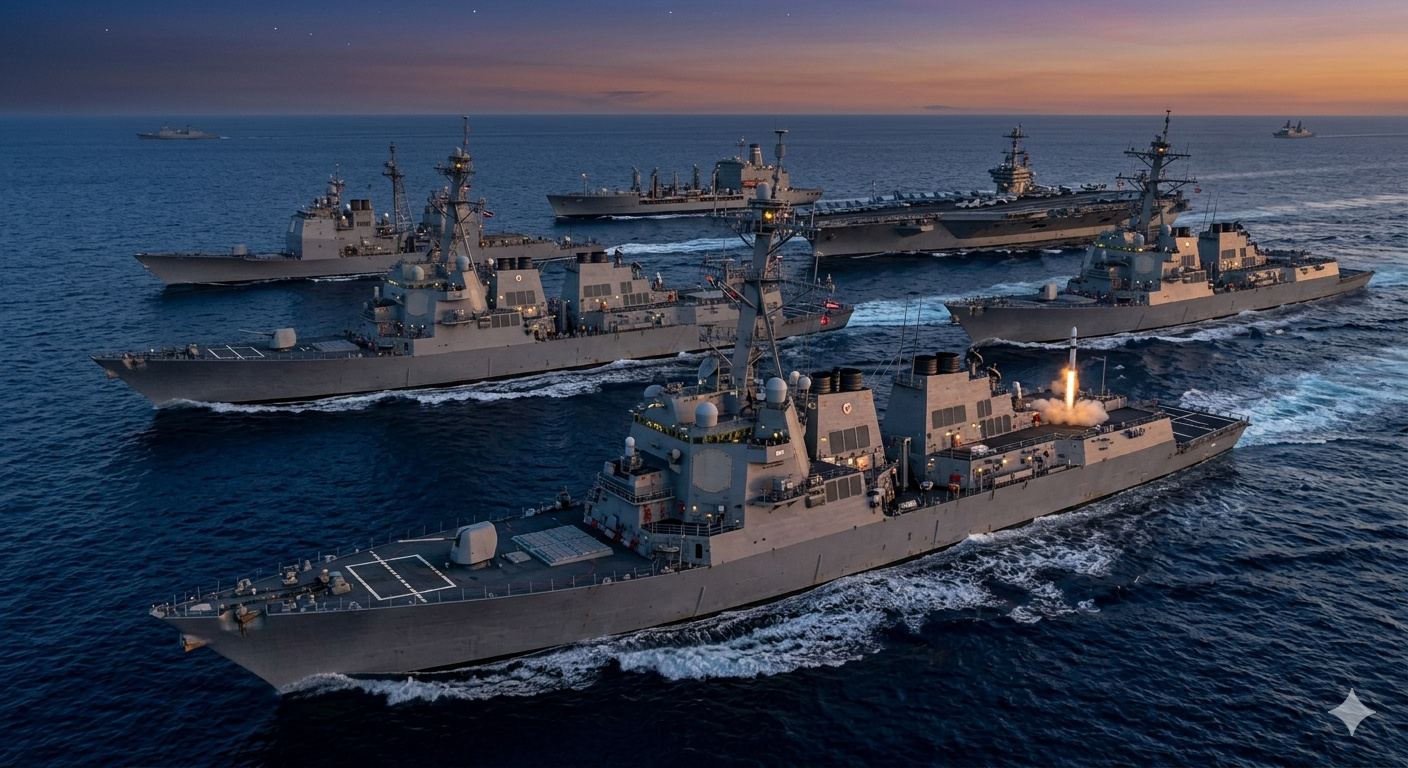
With over 15,000 tons, radars capable of tracking hundreds of targets simultaneously, and more than 120 missiles ready for launch in seconds, modern destroyers cease to be escorts and begin to dominate the naval battlefield.

- 47 mm SA35 cannon, used against enemy armored vehicles and tanks
This combination allowed the Char B1 to perform two functions at the same time: infantry support and combat against armored vehicles.
In theory, this made the tank extremely versatile. In practice, however, the operation system was much more complicated than it seemed.
The Curious Aiming System That Required Turning the Entire Tank
Unlike the armament in the turret, the 75 mm cannon mounted on the hull could not turn sideways. It only had minor vertical adjustments. To point the cannon towards the target, it was necessary to turn the entire tank.
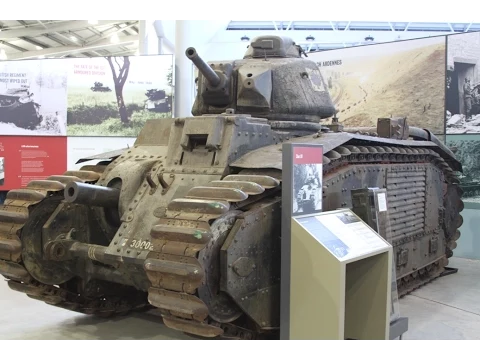

This task fell to the driver, who had an extremely unusual extra function: he was also the gunner of the main cannon. This meant that the driver had to:
- drive the vehicle
- align the tank with the target
- adjust the cannon’s position
- fire
This method closely resembles the system used decades later in the Swedish Stridsvagn 103, which also used the vehicle’s movement to aim the main cannon. The difference is that the Char B1 applied this concept more than 20 years earlier.
A Heavy Tank to Break Through Defensive Lines
The Char B1 was developed with a specific goal: to break through enemy fortified lines. France still carried the memory of the trench battles from World War I. Therefore, the tank was designed to face heavy obstacles and defensive positions.
To fulfill this function, it was given impressive characteristics for its time. Among the main technical specifications of the Char B1 were:
- weight of approximately 28 tons
- front armor of up to 60 mm
- crew of four men
- maximum speed of around 28 km/h
This armor was extremely robust by 1930s standards and made the tank difficult to destroy with many of the anti-tank guns of the time. In theory, the Char B1 should advance slowly while destroying defensive positions with the 75 mm cannon.
Extremely Complex Engineering
Despite its power, the Char B1 was also one of the most complicated tanks to operate. The distribution of tasks within the crew was particularly heavy. The crew included:
- commander
- driver/75 mm gunner
- 47 mm gunner
- radio operator
The commander, in addition to overseeing combat, also needed to help reload the turret cannon.
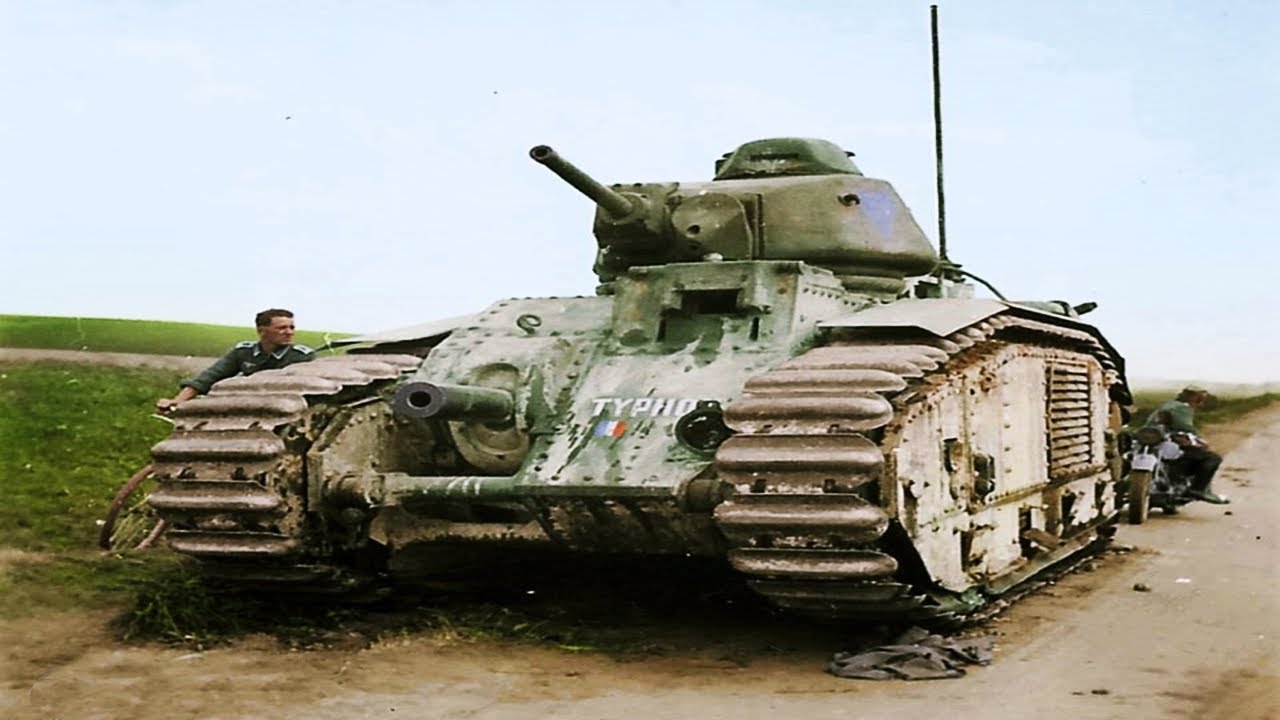
This overload of functions made the operation of the tank extremely demanding for the crew. Another problem was the vehicle’s complex mechanics. The transmission and steering system was advanced but also required constant maintenance.
The Performance of the Char B1 in World War II
When Germany launched its offensive against France in 1940, the Char B1 was among the heaviest tanks in the French army. In terms of armor and firepower, it was superior to many German tanks of the time.
A famous example occurred during the Battle of Stonne, where a Char B1 named Eure faced German forces and destroyed several enemy vehicles while withstanding multiple shots.
This episode demonstrated that the tank had great potential on the battlefield. However, strategic and doctrinal problems ultimately limited its effectiveness.
The French Military Doctrine That Hindered the Tank
Despite its technical qualities, the Char B1 did not manage to change the course of the 1940 campaign. The main problem was not with the tank itself, but in how it was utilized. The French military doctrine of the time still viewed tanks primarily as infantry support, and not as independent units capable of maneuvering quickly.
Meanwhile, the Germans adopted a completely different strategy. The so-called Blitzkrieg utilized large formations of tanks working in conjunction with aviation and mechanized infantry.
This mobility and coordination allowed the Germans to overcome French forces that, in many cases, had technically superior tanks.
A Project That Anticipated Modern Ideas
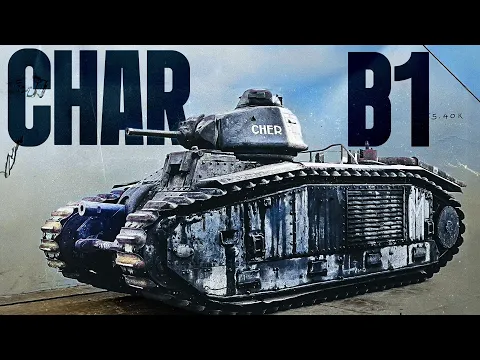
Even with its operational limitations, the Char B1 left an important legacy in the history of military engineering. The concept of using the vehicle’s movement to aim the main cannon, for example, would reappear decades later in modern projects.
The most famous case is the Stridsvagn 103, developed by Sweden in the 1960s, which adopted a similar fixed cannon system on the hull.
Although both vehicles were created in completely different contexts, the similarity shows how some innovative ideas can reappear long after in military technological evolution.
One of the Most Curious Tanks of the Pre-World War Era
Today, the Char B1 is remembered as one of the most unusual armored vehicles ever produced before World War II. Its peculiar design, with two cannons in different positions and a aiming system that depended on the tank’s movement, turned the vehicle into a true laboratory of military engineering.
Although it did not change the course of the war, the Char B1 represents a fascinating moment in the history of armored vehicles, when engineers experimented with bold solutions to face the challenges of modern combat.
Among all the tanks developed in the 1930s, few were as original — or as complex — as the curious French armored vehicle that required the driver to aim the main cannon by turning the entire tank.








Seja o primeiro a reagir!