





 English
  Francês
  Alemão
  Italiano
  Japonês
  Norueguês
  Portuguese
  Spanish
  3 min of reading


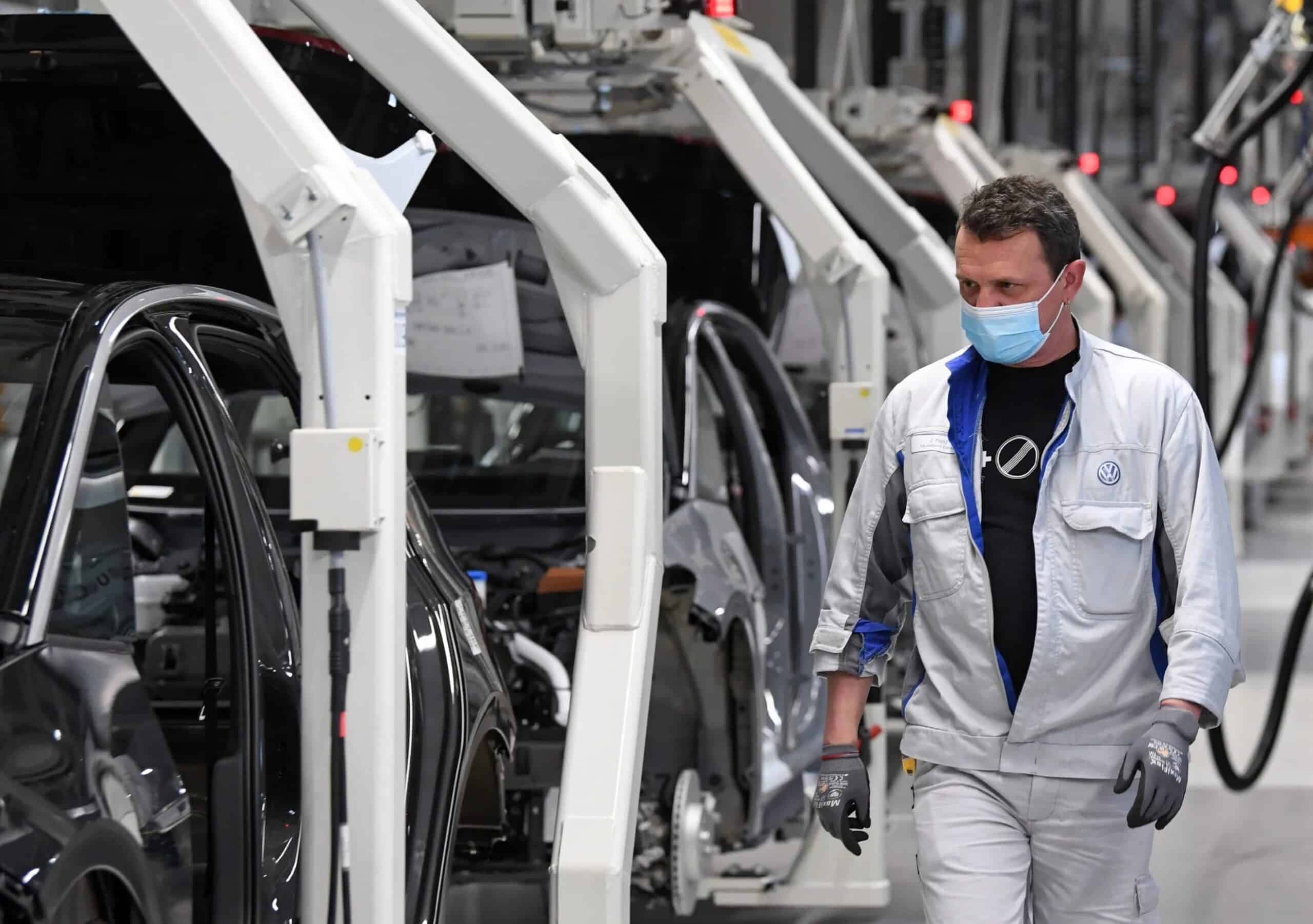
Volkswagen Aims to Build Battery Cell Factories in Europe That Should Generate Over € 20 Billion in Annual Sales and Create up to 20,000 Jobs.
The boss of the German car giant Volkswagen, Thomas Schäfer, said that the automaker may stop investing in battery factories across the bloc if the EU fails to tame energy prices and reinforce its industrial policy.
“Europe is not competitive in cost terms in many areas, especially when it comes to electricity and gas costs”, Thomas said in a post on social media criticizing Europe’s industrial policy.
“If we cannot quickly reduce energy prices in Germany and Europe, then investments in energy-intensive production, or for new battery cell factories, in Germany and throughout the EU, will no longer be viable”, he stated.
-
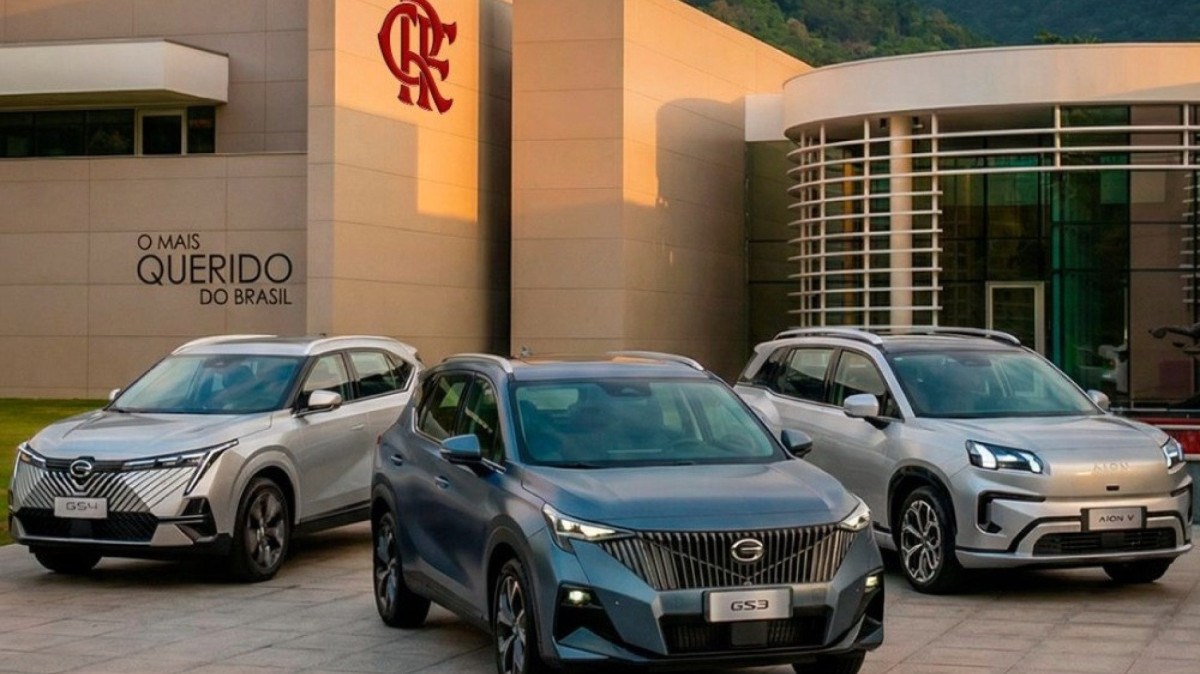
After launching the new GS3 with a 1.5 turbo engine producing 170 hp, GAC partners with Flamengo, enters the field with the largest fan base in Brazil, and accelerates an ambitious offensive to gain scale and confidence in the national market.
-
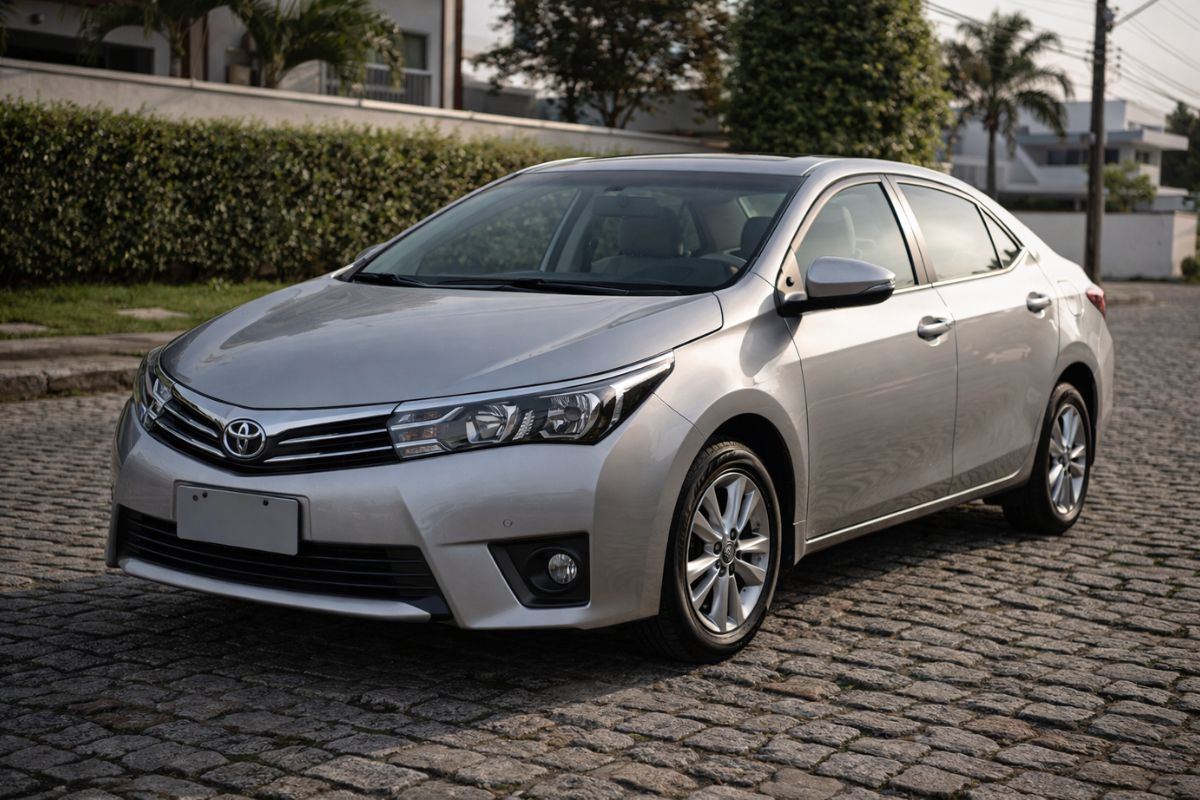
The Corolla from 2015 to 2019 depreciates so little that a 10-year-old model is still worth over 76 thousand reais, and owners treat this sedan as a safe investment thanks to its reputation for durability that no competitor has been able to match.
-
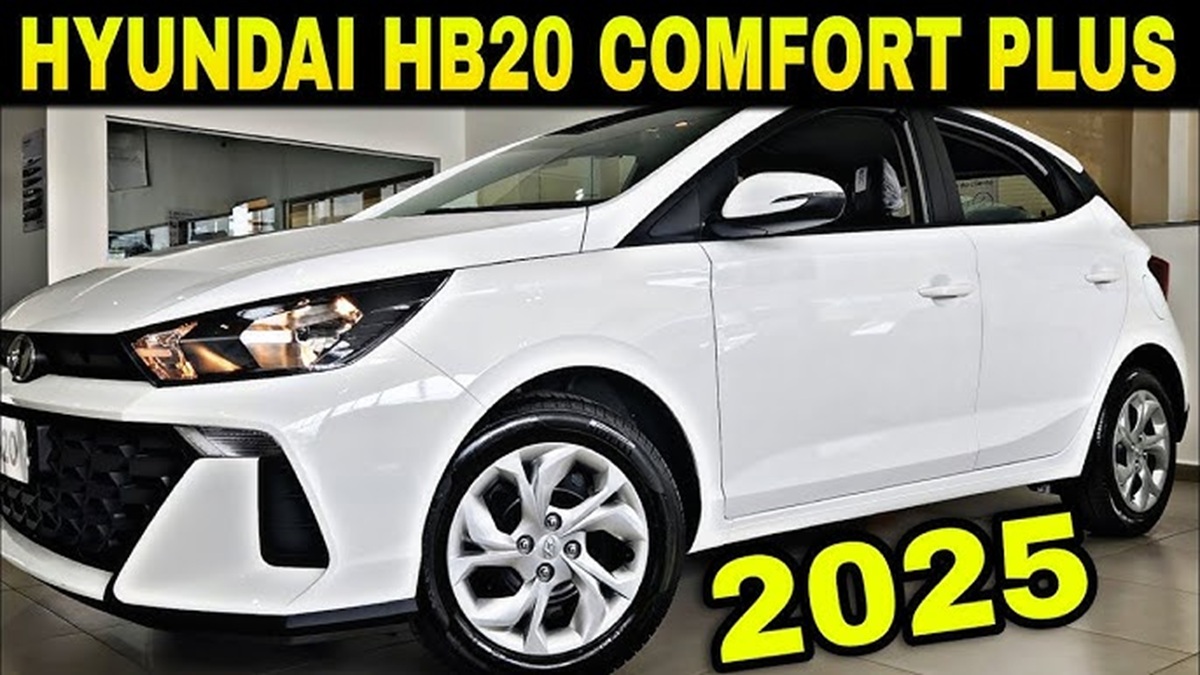
Is it worth considering a financed 2025 HB20 Comfort? A simulation with R$ 50,000 in the bank shows installments ranging from R$ 5,687 to R$ 2,365.
-
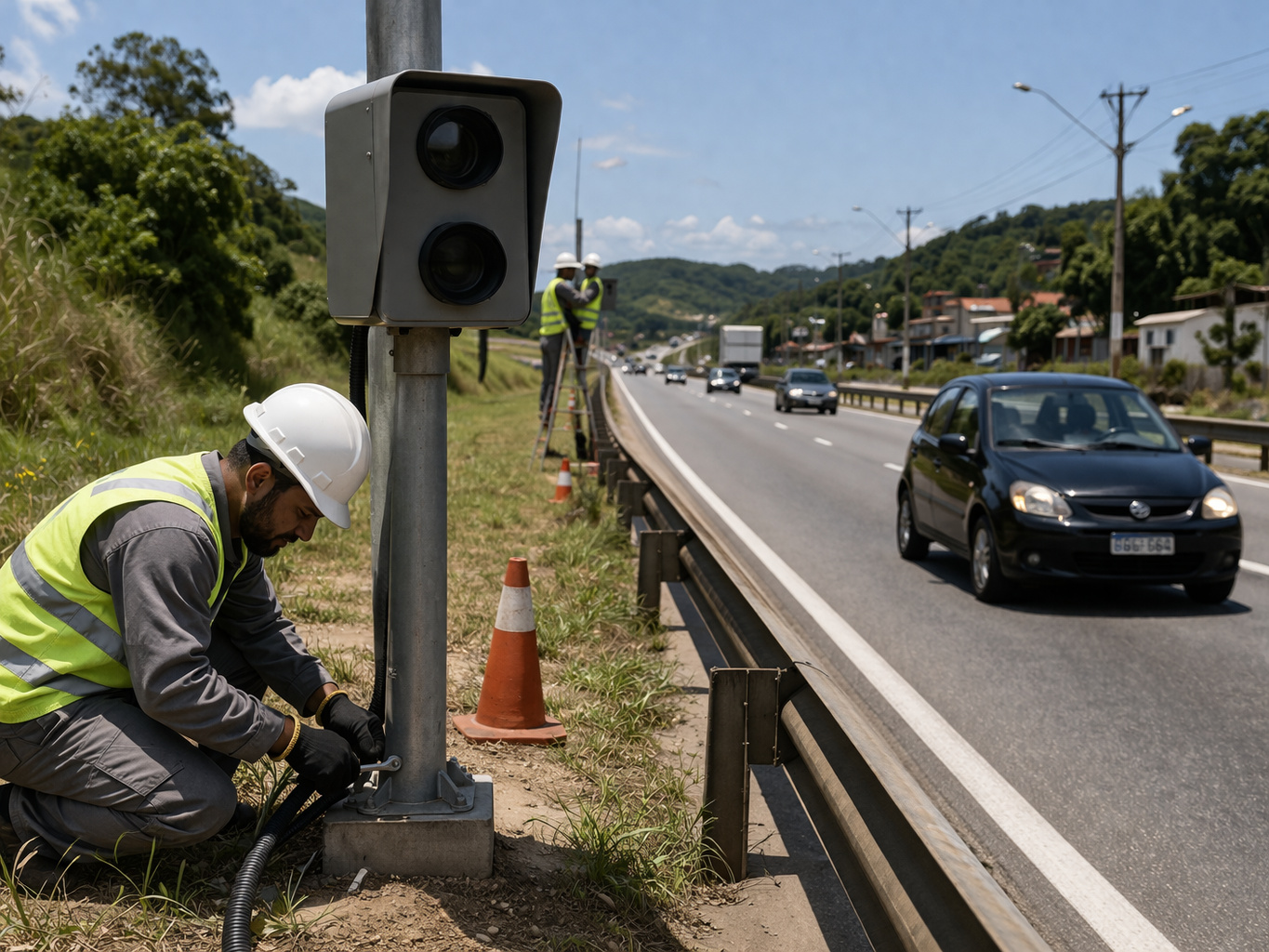
Road surveillance in Rio de Janeiro enters a new phase with the installation of more than 140 speed cameras on highways RJ-106 and RJ-104, and DER-RJ expands speed control in high-traffic areas.

The growth in the U.S. is helping to offset the slowdown. The North American market is “accelerating a little faster than we expected in recent months” as a result of incentives like the Inflation Reduction Act in the U.S., said the CEO of Volkswagen’s components division.
His comments cast doubt on a large investment program launched by the company to fuel its shift from combustion engines to cleaner electric vehicles before a mandate across the EU for all new car sales to be zero emissions by 2035.
The initiative involves building six battery cell factories in Europe that should generate over € 20 billion in annual sales and create up to 20,000 jobs.
In 2022, for the First Time Since 2010, the Price of Batteries for Electric Cars Increased Compared to the Previous Year!
Affordability of electric vehicles continues to be a key issue, as raw material and battery costs remain high, and consumers experience high electricity prices and inflation.
In 2022, for the first time since 2010, the price of batteries for electric cars increased compared to the previous year. In this scenario, not only Volkswagen, but most automakers are seeking new technologies, new chemical compositions, and also diversifying their supply chains.
The Volkswagen is looking for alternative battery chemicals that may offer less efficiency but lower cost in the face of rising nickel and cobalt prices. Alternatives could hit the market as soon as 2026, Schäfer said.
China Is Still the Major Global Supplier, While Europe and the United States Try Not to Depend on the Asian Market
The China is still the major global supplier, while Europe and the United States are making billion-dollar investments to balance this supply and depend less on Asian countries, something that should take effect in the coming years.
“The fact is that, in an international comparison, Germany and the EU are quickly losing their attractiveness and competitiveness”, Schäfer said. “The U.S., Canada, China, Southeast Asia, and regions like North Africa are stepping on the gas.”
“The EU urgently needs new instruments to prevent shallow deindustrialization and keep Europe attractive as a location for future technologies and jobs”, argued the Volkswagen executive.









Seja o primeiro a reagir!