Portuguese
  Spanish


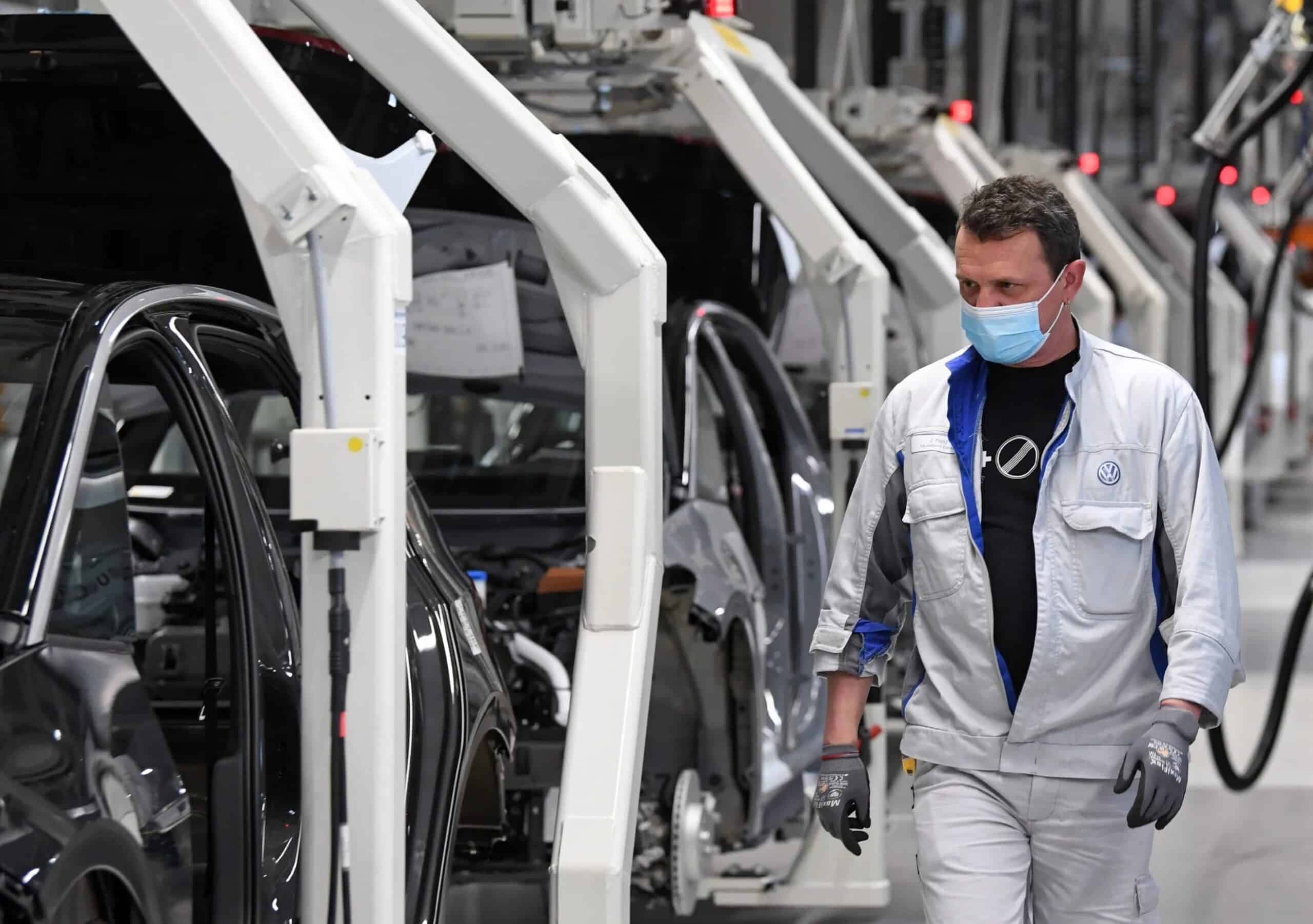

Volkswagen Aims to Build Battery Cell Factories in Europe That Should Generate Over € 20 Billion in Annual Sales and Create up to 20,000 Jobs.
The boss of the German car giant Volkswagen, Thomas Schäfer, said that the automaker may stop investing in battery factories across the bloc if the EU fails to tame energy prices and reinforce its industrial policy.
“Europe is not competitive in cost terms in many areas, especially when it comes to electricity and gas costs”, Thomas said in a post on social media criticizing Europe’s industrial policy.
“If we cannot quickly reduce energy prices in Germany and Europe, then investments in energy-intensive production, or for new battery cell factories, in Germany and throughout the EU, will no longer be viable”, he stated.
-
End of an era in Brazil: beloved sedan by Brazilians is discontinued despite having a 2.0 engine with 151 hp, CVT transmission, 466-liter trunk, and up to 650 km of range.

-
New Law Proposal in Brazil Could Heavily Penalize Drivers: Dangerous Overtaking May Become a Serious Offense with Fines Increased Tenfold and a 12-Month License Suspension; Update on 2026 Progress

-
Electric Revolution: Watts W125 Motorcycle Offers 160 km Range, 90 km/h Speed, and Affordable Price Starting at $3,000
-
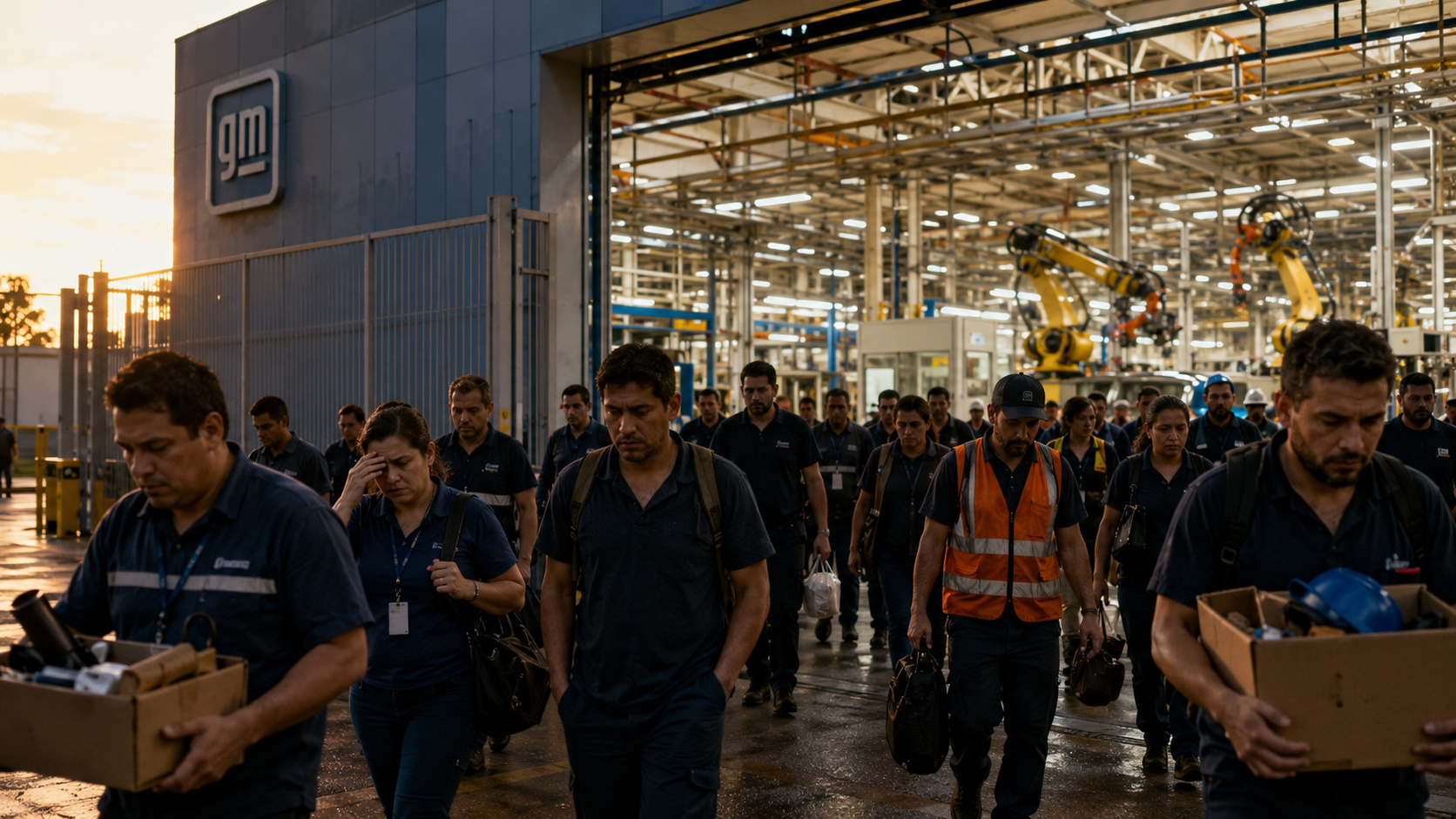
General Motors Replaces Over a Thousand Workers with 50 Cobots at Electric Vehicle Plant, UAW Union Criticizes Move Amid Industry’s Automation Push


The growth in the U.S. is helping to offset the slowdown. The North American market is “accelerating a little faster than we expected in recent months” as a result of incentives like the Inflation Reduction Act in the U.S., said the CEO of Volkswagen’s components division.
His comments cast doubt on a large investment program launched by the company to fuel its shift from combustion engines to cleaner electric vehicles before a mandate across the EU for all new car sales to be zero emissions by 2035.
The initiative involves building six battery cell factories in Europe that should generate over € 20 billion in annual sales and create up to 20,000 jobs.
In 2022, for the First Time Since 2010, the Price of Batteries for Electric Cars Increased Compared to the Previous Year!
Affordability of electric vehicles continues to be a key issue, as raw material and battery costs remain high, and consumers experience high electricity prices and inflation.
In 2022, for the first time since 2010, the price of batteries for electric cars increased compared to the previous year. In this scenario, not only Volkswagen, but most automakers are seeking new technologies, new chemical compositions, and also diversifying their supply chains.
The Volkswagen is looking for alternative battery chemicals that may offer less efficiency but lower cost in the face of rising nickel and cobalt prices. Alternatives could hit the market as soon as 2026, Schäfer said.
China Is Still the Major Global Supplier, While Europe and the United States Try Not to Depend on the Asian Market
The China is still the major global supplier, while Europe and the United States are making billion-dollar investments to balance this supply and depend less on Asian countries, something that should take effect in the coming years.
“The fact is that, in an international comparison, Germany and the EU are quickly losing their attractiveness and competitiveness”, Schäfer said. “The U.S., Canada, China, Southeast Asia, and regions like North Africa are stepping on the gas.”
“The EU urgently needs new instruments to prevent shallow deindustrialization and keep Europe attractive as a location for future technologies and jobs”, argued the Volkswagen executive.