





 Portuguese
  English
  Spanish
  4 min of reading
  0 comments


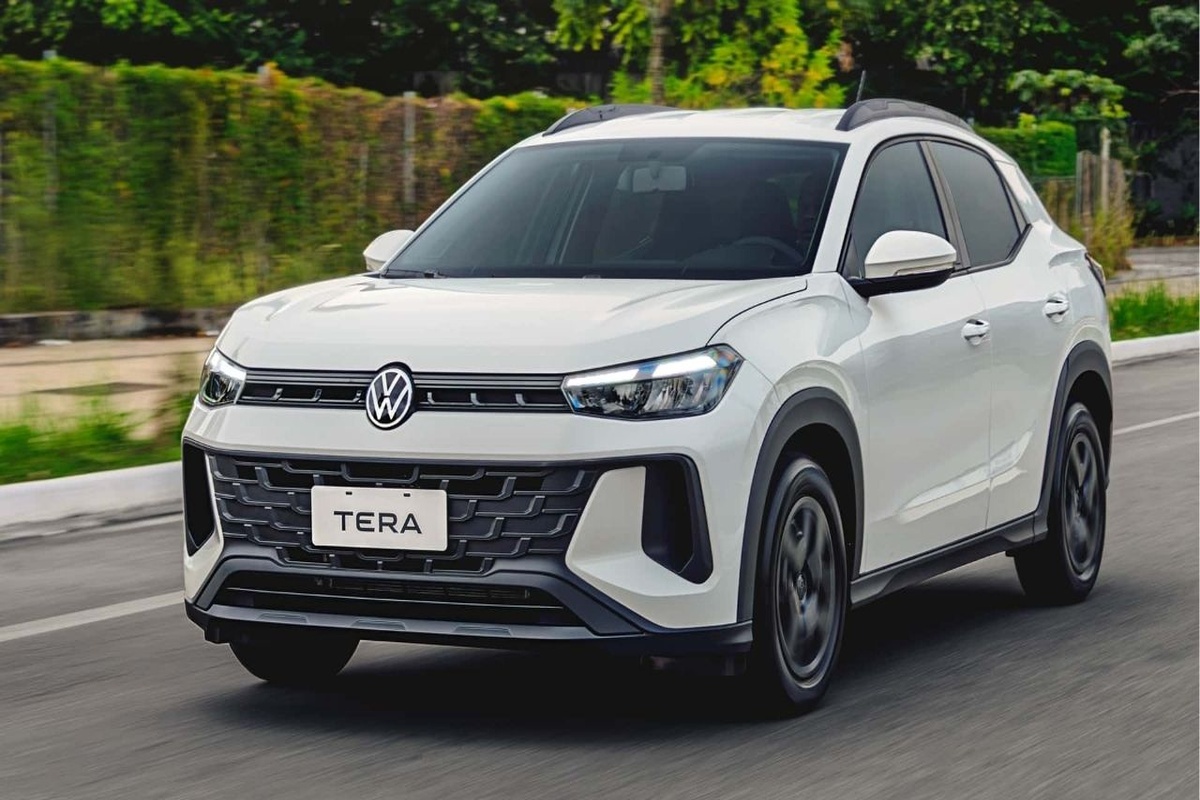


Aggressive Price Drop Surprises The Automotive Market And Manufacturers React Quickly
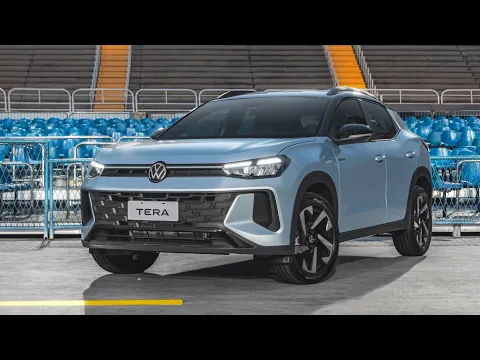
Since June 12, 2025, the Brazilian automotive sector has experienced a turning point with the pre-sale of the Volkswagen Tera. In just 50 minutes, the model registered an impressive 12 thousand orders, according to data from the manufacturer.
This immediate performance prompted a series of reactions from direct competitors, such as Fiat and Renault. Both decided to implement aggressive price cuts on their models most similar in proposal and price range.
The Fiat Pulse and the Renault Kardian were directly impacted by the “Tera effect.” In response, the brands announced considerable reductions in the prices of almost all versions of these vehicles.
-
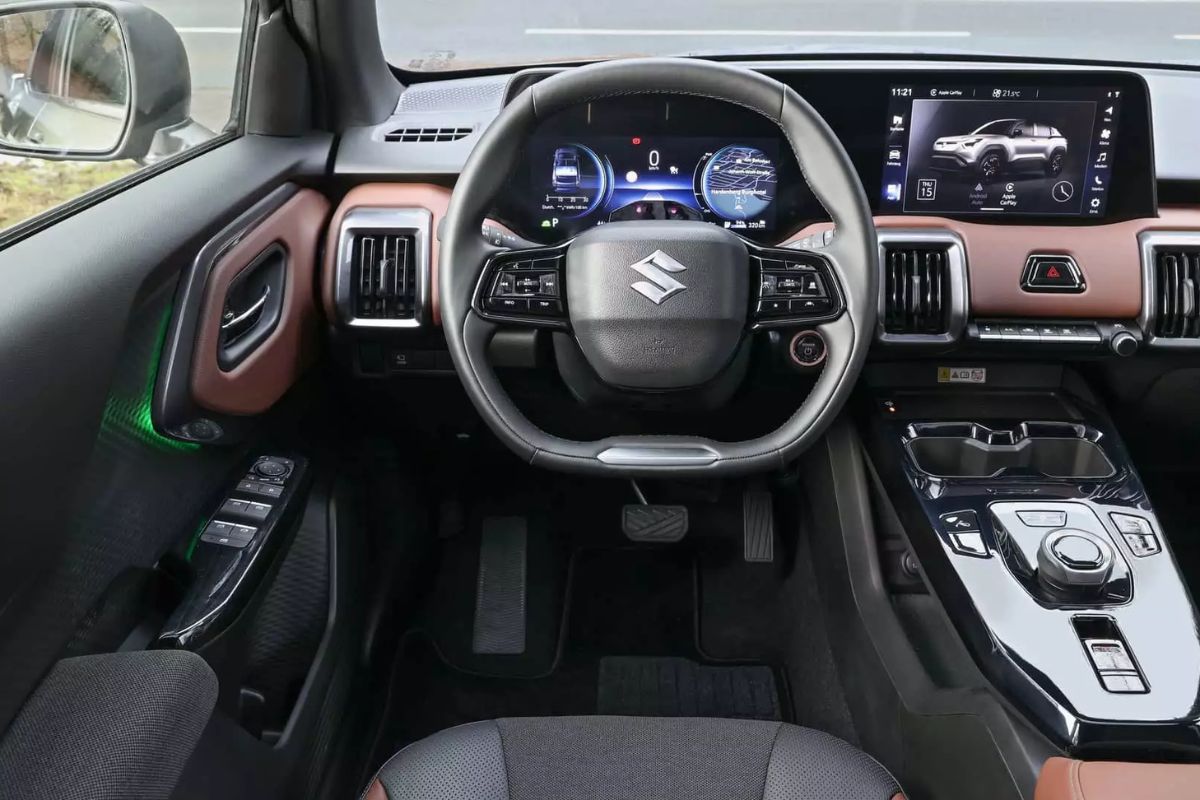
The 2026 electric Vitara arrives in Brazil and proves that Suzuki is not leaving: 4×4 traction, 184 hp, 61 kWh LFP battery, 293 km range, R$ 259,000, and a trunk capacity of 224 L.
-
Hyundai has unveiled the Boulder, a square SUV with a body-on-frame design, 37-inch mud tires, and carriage-style doors that seems to be made to take on the Ford Bronco and the Scout Traveller in the United States.

-
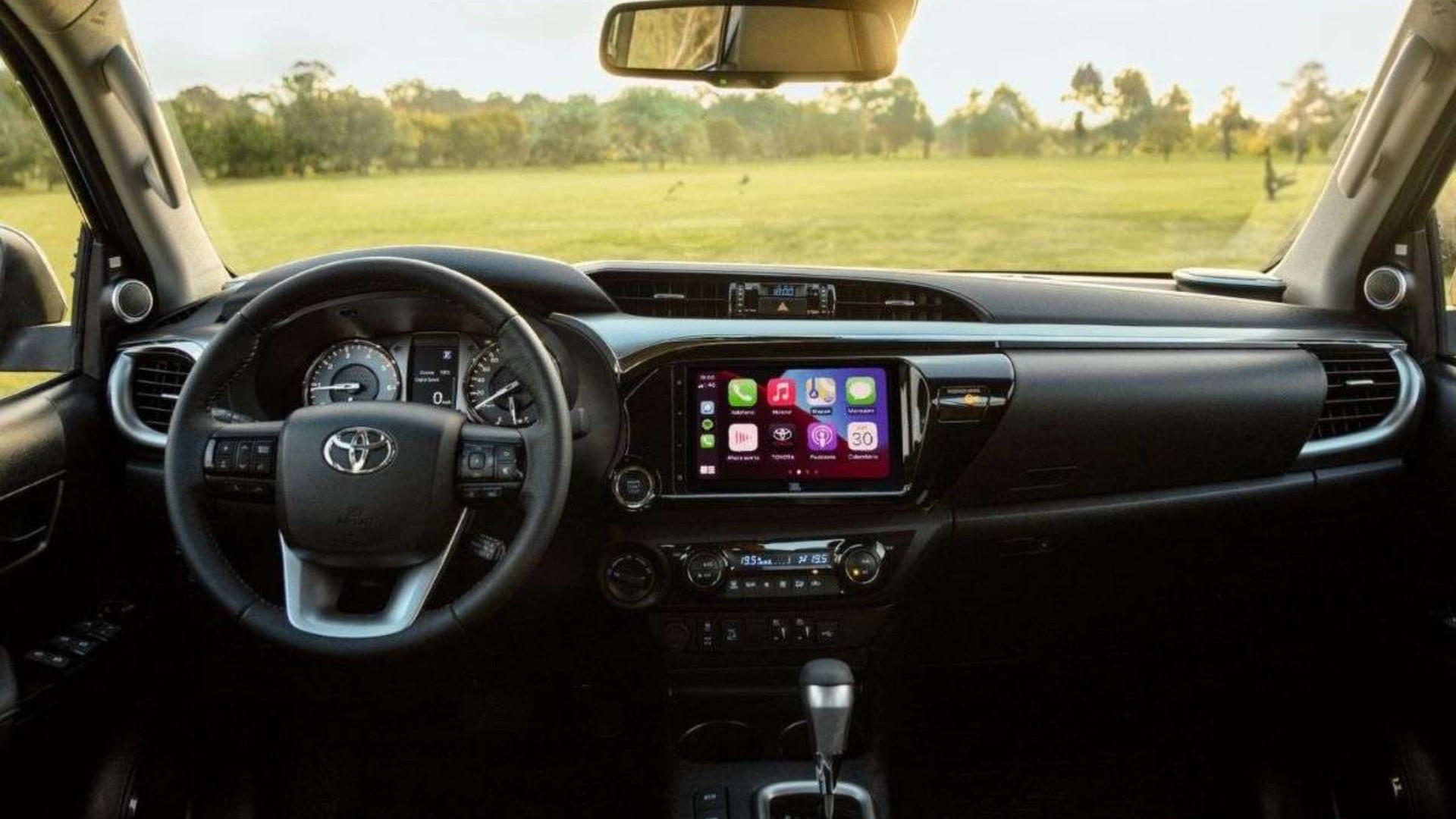
The Toyota Hilux is R$ 75.5 thousand cheaper and bets on the 2.8 turbodiesel engine with up to 204 hp and 50.9 kgfm to catch up with the VW Saveiro, which leads with 4,472 sales.
-
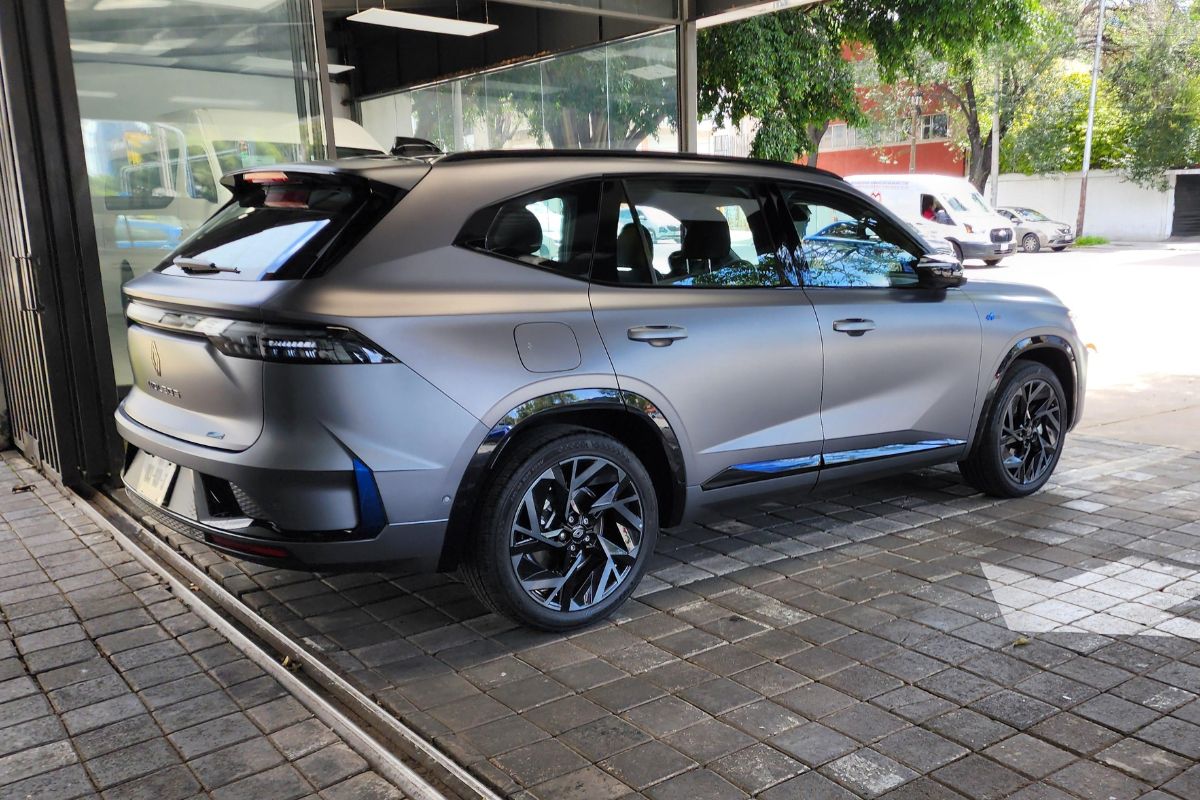
The new Renault Koleos has a screen exclusively for the passenger that is invisible to the driver, heated rear seats, and 29 assistance systems, but its Chinese competitors cost R$ 40,000 less and deliver more power.

Fiat applied the largest cut to the Audace Hybrid version. The price dropped from R$134,070 to R$114,990.
Renault repositioned the Première Edition version of the Kardian, now priced at R$129,990, down from R$145,990 previously.
The manufacturers themselves communicated these strategies between June 13 and 14, 2025.

Pressure Extends To The Best-Selling Electric
The impact caused by the Tera was not limited to vehicles with combustion engines. Even the best-selling electric car in Brazil, the BYD Dolphin Mini, became involved in the competition for more attractive prices.
In an attempt to preserve its market position, the Chinese manufacturer announced, on June 14, 2025, an immediate discount of R$3,000 on the entry-level version with four seats. It now costs R$115,800.
Interestingly, this price is R$1,000 below the TSI version of the Tera itself equipped with a manual transmission.
This version is sold for R$116,800.
However, the five-seat version of the Dolphin Mini remains at the unchanged price of R$122,800.
BYD announced that the reduction is valid until June 30, 2025.
The brand aims to accelerate sales of the 2025 models.
There are still units available as customers did not purchase the entire lot.
Official Launch Of The Tera Redefined The Price Table
Volkswagen announced the arrival of the Tera with prices ranging from R$99,990 to R$142,990. The most affordable version, priced lower than the Dolphin Mini, comes equipped with an MPI aspirated engine and manual transmission.
Despite its technical simplicity, the proposal of the Tera hit the mark with a significant portion of Brazilian consumers looking for a more affordable compact SUV. This helped to drive demand.
This market movement is comparable to what happened in March 2023 with the arrival of the BYD Dolphin.
At that time, the Chinese manufacturer also shook the sector’s prices by introducing its 100% electric model at a price below R$150,000, something unprecedented in the category.
Now, with the Tera, the scenario repeats but in an even broader manner. It affects both electric and hybrid models as well as conventional ones.
Chain Reaction Could Remodel The Segment
According to analysts in the automotive sector, the “Tera effect” is likely to remodel the pricing positioning of compact SUVs and electrics throughout the country.
This is expected to occur during the second half of 2025.
Fiat, Renault, and BYD have implemented cuts, according to specialists.
They point out that these reductions do not occur in isolation in the automotive market. Other manufacturers may follow the same path.
The strategy is clear: maintain competitiveness in the face of a product that combines attractiveness, affordable price, and a traditional brand.
Moreover, the volume of reservations recorded by the Tera reinforces a trend already observed in recent years.
Consumers are increasingly attentive to cost-benefit opportunities and immediate mobilization of manufacturers in light of new launches.
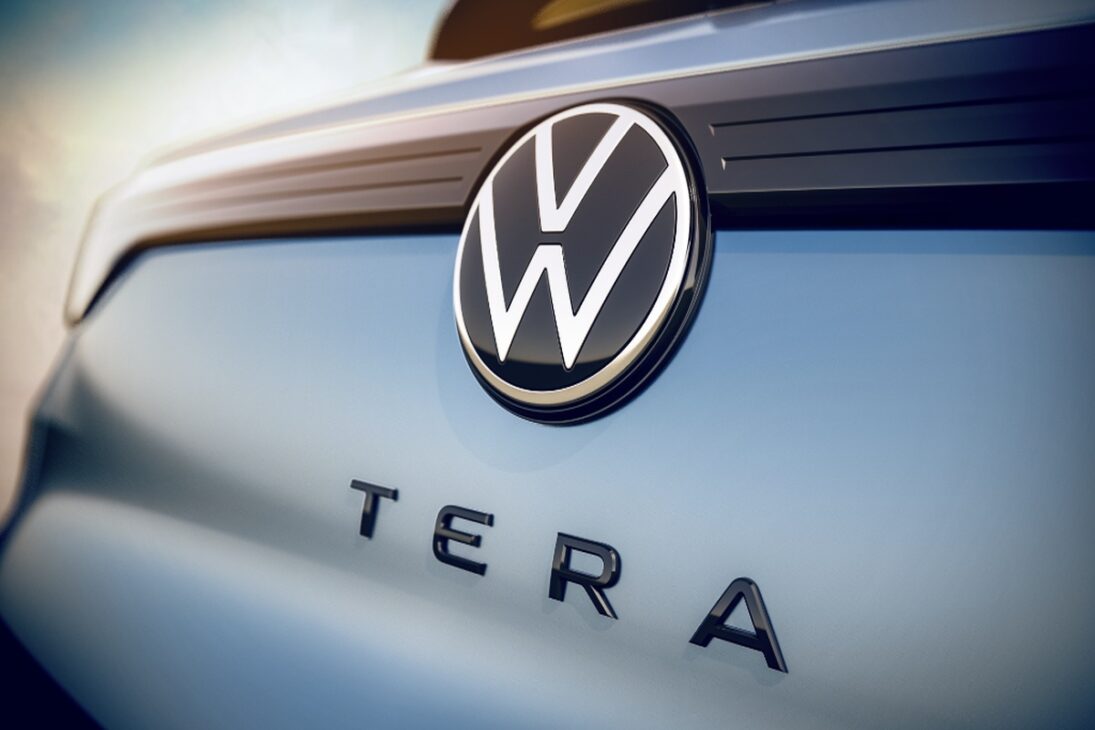
It seems that the Volkswagen Tera not only arrived with force. It also compelled the entire market to quickly restructure itself, prioritizing more aggressive pricing and timely offers.
Promotions And Price Cuts Mark A New Competitive Cycle
Thus, the ongoing promotions for the Pulse, Kardian, and Dolphin Mini gain even more relevance in the current scenario.
After all, all of them were announced by June 15, 2025, and will therefore be available for a limited time, as stated by the manufacturers.
Although these are not permanent changes in pricing, these adjustments indicate a new market logic.
In other words, it represents a more flexible market, while at the same time sensitive to direct competition.
Meanwhile, expectations remain concerning the sales performance of the Tera after the end of the pre-sale phase.
If demand remains high, it is likely that other manufacturers will rethink their pricing strategies for the second semester.
Therefore, the Brazilian consumer continues to be the main beneficiary of this new competitive dynamic.
This is because it has been driven by a launch that has undoubtedly already entered the history of the sector.










Bom para o consumidor