





 Portuguese
  English
  Spanish
  3 min of reading
  0 comments


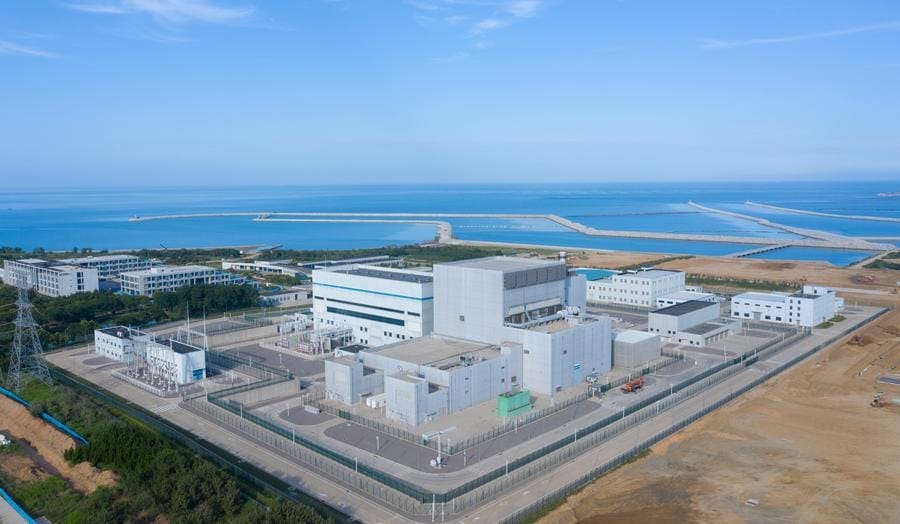
Chernobyl Explosion Changed the Global Debate on Nuclear Energy and Forced the Evacuation of Hundreds of Thousands of People in the Former Soviet Union
In the early hours of April 26, 1986, the world witnessed one of the worst nuclear disasters in history. In the city of Pripyat, in the former Soviet Union, an explosion destroyed reactor number 4 of the Chernobyl Nuclear Power Plant. The accident forever changed the debate regarding the use of radioactivity.
Explosion and Release of Radiation
It all started with a safety test. The poorly trained plant team made incorrect decisions during the procedure. The reactor, which already had design flaws, became unstable.
A sudden increase in power caused a steam explosion. Shortly after, fires destroyed the structure and released about 5% of the radioactive core.
-
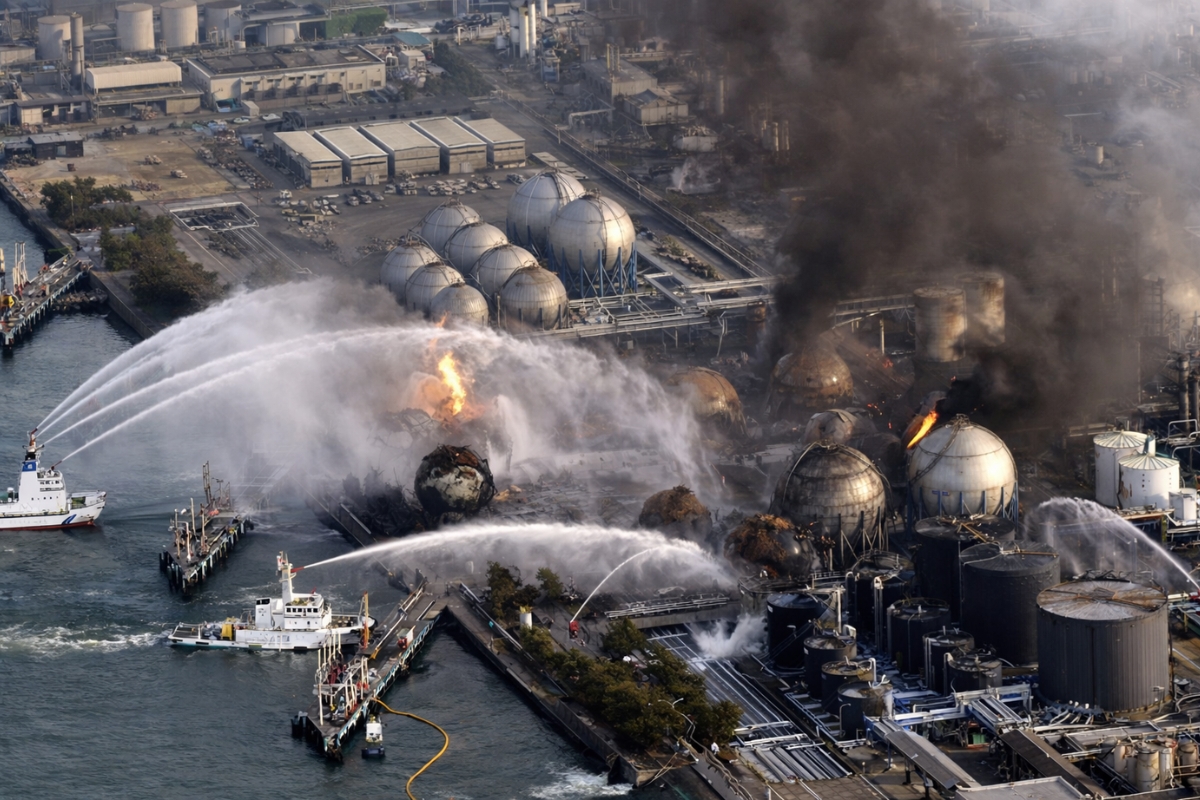
Fukushima Marks A Turning Point In Japan’s Energy Policy: After The Disaster, The Country Shut Down Its 54 Nuclear Reactors And, 15 Years Later, Only A Small Portion Have Returned To Operation
-
How Japan Overcame The Nuclear Bomb And Now Houses Millions In Hiroshima, While Ukraine Lost Chernobyl?

-
Bill Gates Receives Historic Approval to Build Giant 345 MW Nuclear Plant in the U.S. and Promises to Generate Up to 500 MW of Energy with Innovative Technology

-
India Opens Nuclear Energy to Private Capital to Accelerate Projects and Attract Billions, While Brazil Remains Stalled at Angra 3 and Discusses Who Will Foot the Bill for Completion
The radiation was released into the atmosphere and traveled across various parts of Europe. The contamination directly affected the residents of the area and caused long-term environmental damage.
Victims and Mass Evacuation
On the night of the explosion, two workers lost their lives. In the following weeks, another 28 people died due to acute radiation syndrome.
The impact did not stop there. Years later, approximately 5,000 cases of thyroid cancer were linked to the accident, with at least 15 confirmed deaths.
The disaster forced the evacuation of about 350,000 people. Pripyat, once a model Soviet city, became a ghost town. To this day, the region still faces contamination. The safe return of affected populations is still far from being realized.
Lessons and Evolution of Nuclear Energy
Even with the cases of Chernobyl and Fukushima, nuclear energy continues to be used worldwide. Safety has improved. The industry has adopted stricter standards to prevent tragedies.
<pAccording to records, commercial reactors have accumulated over 18,500 years of operating time in 36 countries. Only two major accidents have been recorded during this time: Chernobyl and Fukushima.
Warning Symbol
The control room of the Chernobyl plant, which was once a symbol of Soviet advancement, has become one of the most striking images of nuclear tragedy. After decades, the site is still remembered as a warning about the risks of radioactivity and the need for responsibility in the use of nuclear energy.
Safety of Nuclear Plants
Today, nuclear plants operate with strict safety standards, using multiple containment barriers and automated systems to prevent accidents like those at Chernobyl and Fukushima.
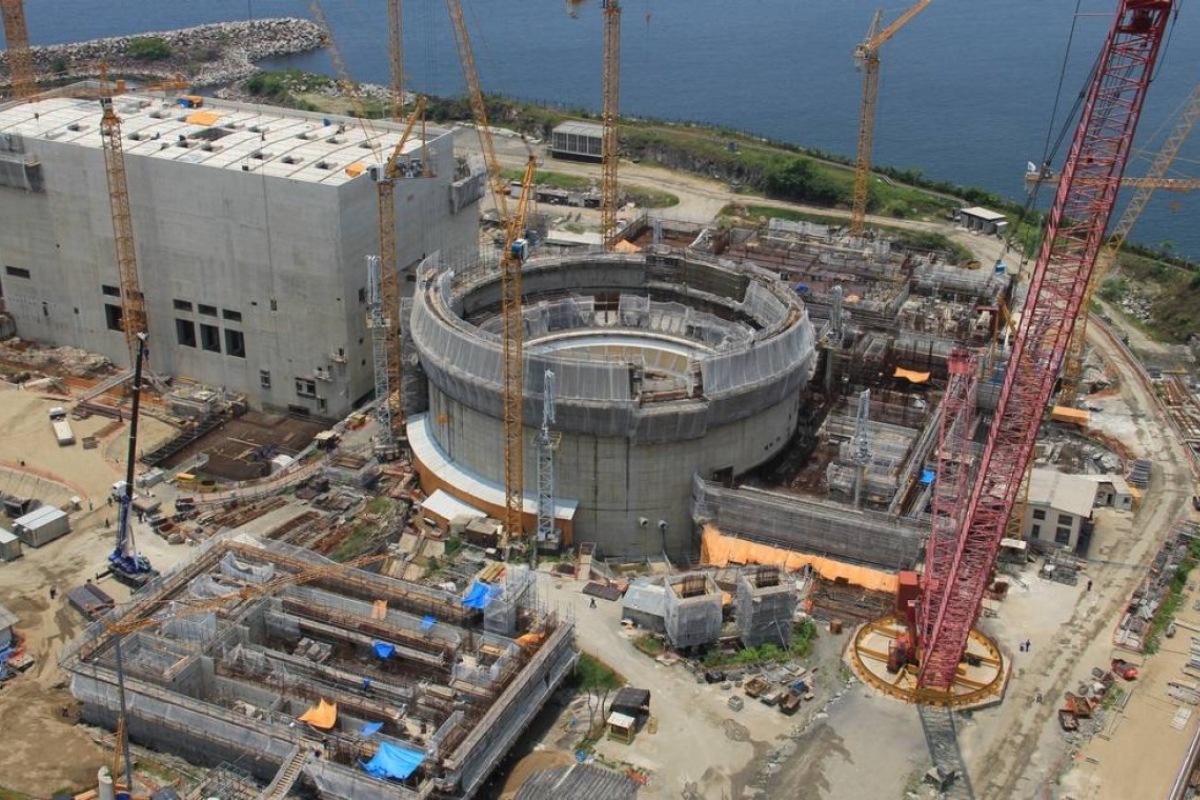
PWR reactors, like those in Angra, Rio de Janeiro, have never registered concerning failures. Operators undergo high-standard training and are licensed by authorities such as CNEN. These advancements have made nuclear energy one of the safest in the world today.
With information from Aventuras na História.









Seja o primeiro a reagir!