





 Portuguese
  English
  Spanish
  5 min of reading
  0 comments


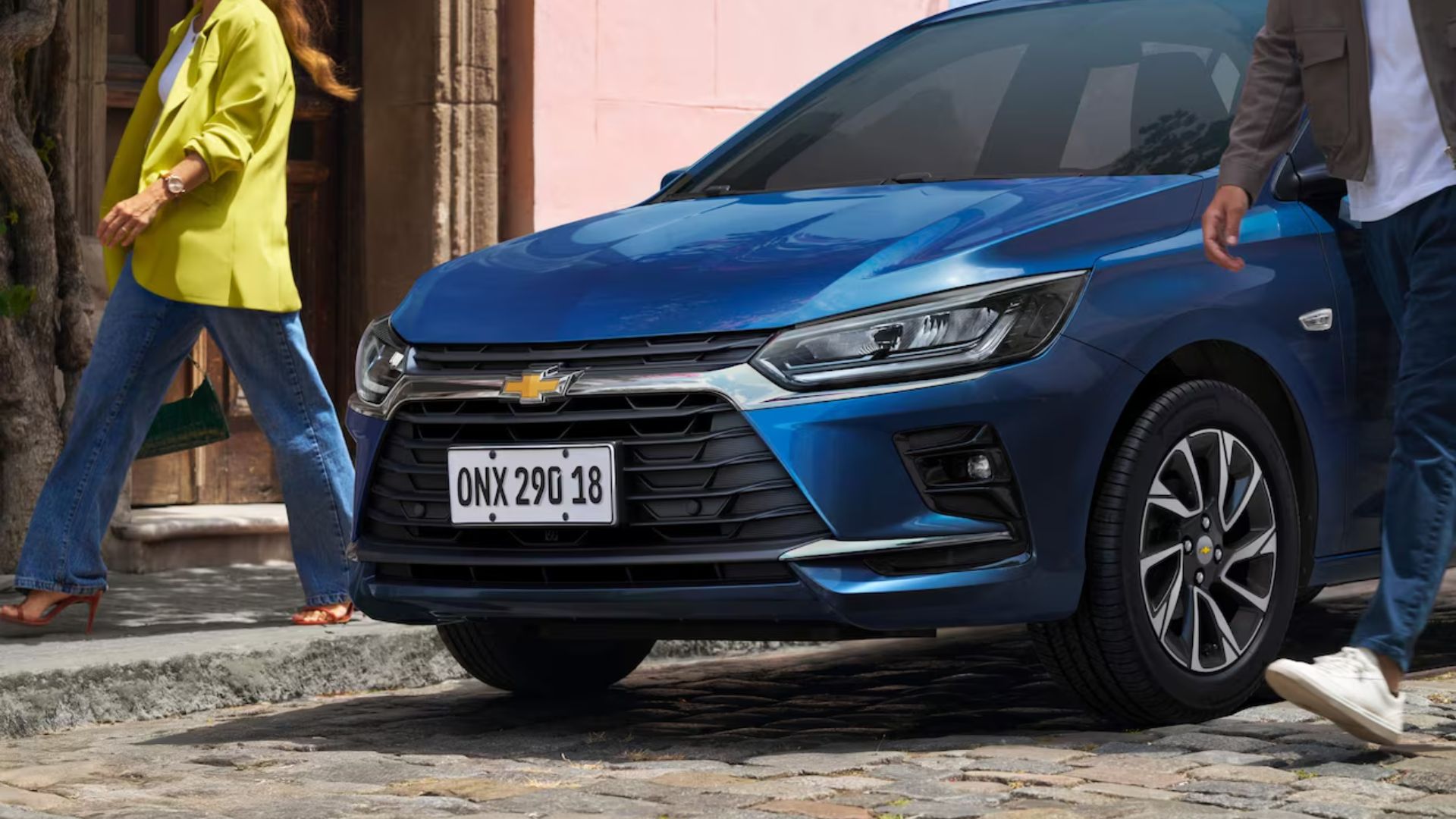
Line 2026 Bets on More Connectivity, Comfort, and Technology, with New 11-Inch Multimedia System and Mechanical Upgrades That Promise to Improve the Driving Experience. Versions Continue with Prices Maintained and More Standard Items.
The 2026 line of the Chevrolet Onix and the Onix Plus sedan has arrived at dealerships focused on connectivity and driving improvements, maintaining the offer of 1.0 naturally aspirated and 1.0 turbo engines and preserving the launch price strategy.
In August, entry versions were included in the federal IPI reduction program for more efficient models, which brought the 1.0 manual hatch to R$ 99,990 and the sedan to R$ 106,790, prices practiced in network actions.
In addition to the fiscal policy, the update brought more standard equipment and fine-tuning of suspension and steering, along with a front redesign aimed at reducing scrapes on potholes and ramps.
-
The car stored for 38 years: when opening the barn door, what appears is breathtaking and looks like a scene from a movie!

-
Fiat works miracles in the Brazilian market, lowers the price of its 0 km hatch to R$ 69,990, reestablishes the model as the cheapest car in the country, and reignites the battle against Kwid and C3.
-
Chevette with cooking gas: How the gas cylinder ends up being used in cars clandestinely and why this makeshift solution can result in leaks, explosions, damaged engines, and seized vehicles.

-
Fiat launches the new 2027 Toro hybrid with 48V, 176 hp, an electric motor of 15.5 hp, a 0.85 kWh battery, up to 7% fuel savings, 8% fewer emissions, and possible exemption from IPVA.


Engines and Performance of the Chevrolet Onix 2026
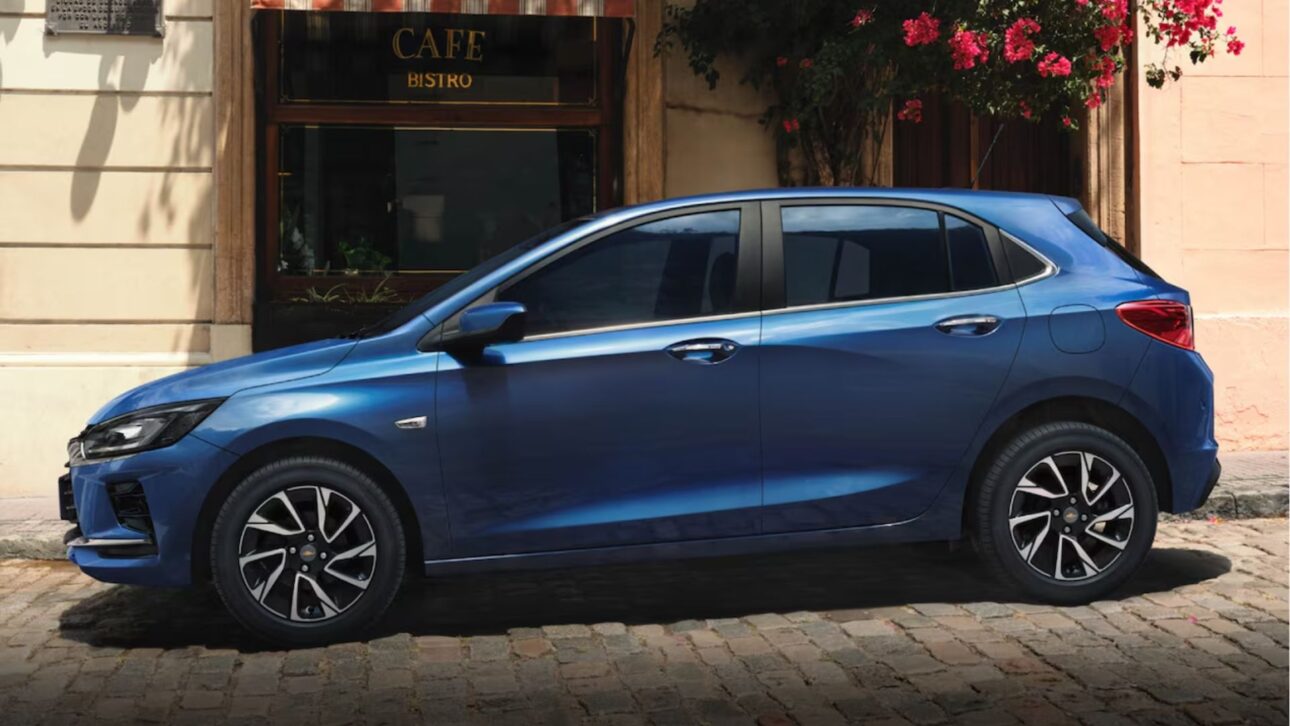
Under the hood, nothing changes in the main set. The Onix maintains the 1.0 three-cylinder in two calibrations: naturally aspirated at 82 hp and turbo at 115 hp, with manual or six-speed automatic transmission, depending on the version.
However, engineering has worked on fine-tuning the suspension and electric steering to improve urban comfort without compromising stability on highways.
At the front, the bumper has been revised, and the approach angle has been increased, a solution that mitigates an old point of concern for the model on speed bumps and garage entrances.
Equipment and Connectivity: 11″ Screen and Digital Dashboard
The technology package has evolved.
In entry versions, the Onix and Onix Plus now come with a multimedia center compatible with Android Auto and Apple CarPlay and wireless mirroring in higher configurations.
The highlight of the 2026 line appears starting from the LT version, featuring a combination of 8″ digital instrument panel and 11″ central screen integrated into MyLink, in addition to rearview camera and more connectivity functions.
In the LTZ and Premier configurations, the advancement is more visible in the finish and lighting.
These versions feature LED headlights and taillights, alloy wheels, and automatic air conditioning, in addition to tire pressure monitoring and other convenience features.
The safety package continues with six airbags and stability control across the range.
Steering and Suspension: Adjustments for Urban Routine
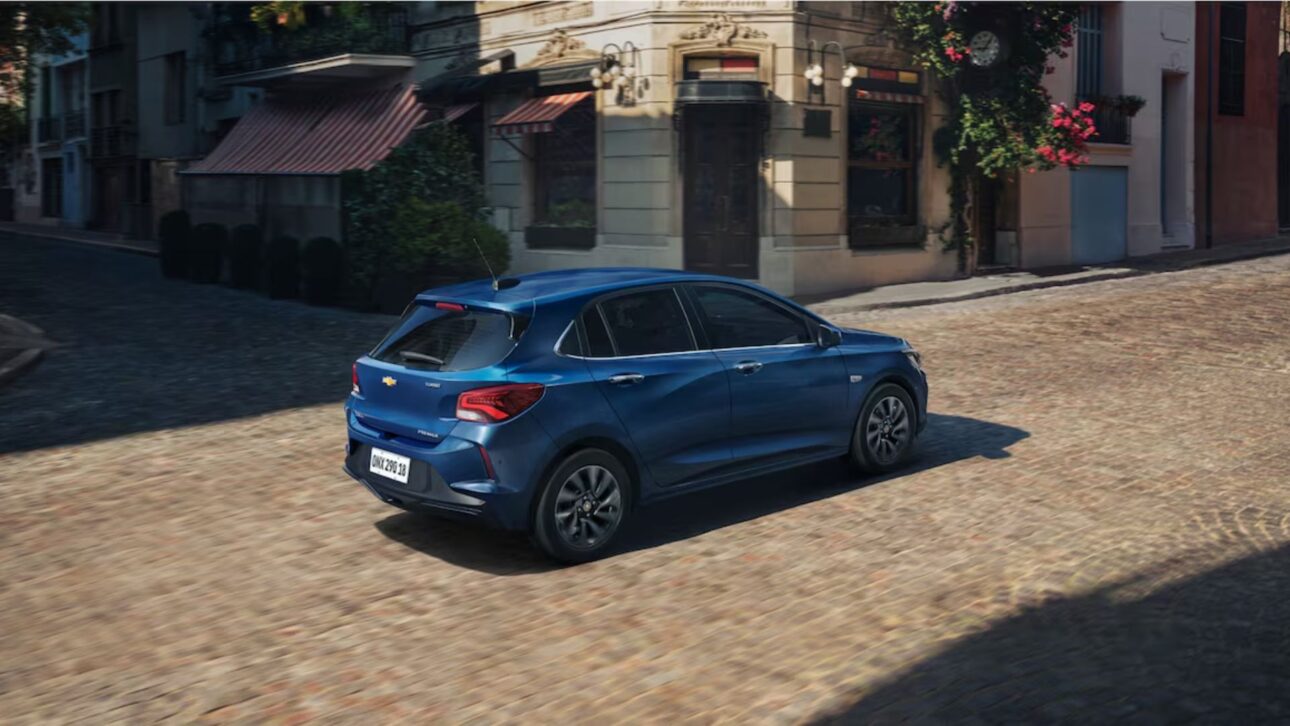
The adjustments to the springs and dampers make the ride smoother on uneven surfaces while maintaining control at cruising speeds.
The electric steering has also been recalibrated for more consistent responses in maneuvers and curves.
Meanwhile, the new bumper eliminates the lower deflector that scraped easily and increases the entry angle, helping to reduce damage and repair costs in daily use.
Still on the efficiency front, the 2026 line adopts low rolling resistance tires in several versions, helping with fuel consumption without compromising stability.
Internal noise levels have been addressed, with improved insulation of the mechanical set during acceleration.
1.0 Engine with Oil-Bathed Belt: What’s Changed
The controversial oil-bathed belt of the 1.0 turbo remains, but Chevrolet has made improvements to the component.
There was a change in supplier and the use of a new compound in the rubber, with a promise of greater resistance and durability.
The goal is to reduce premature wear and long-term maintenance costs.
The brand also guides periodic inspection procedures in the network to standardize service and reinforce system reliability throughout the lifecycle.
Hatch and Sedan: Key Differences Between Onix and Onix Plus
The Onix (hatch) preserves the practicality proposition with a wheelbase of 2,551 mm and a trunk capacity of 303 liters, while the Onix Plus (sedan) offers 2,600 mm of wheelbase and trunk space around 500 liters, positioning itself as a more family-friendly alternative.
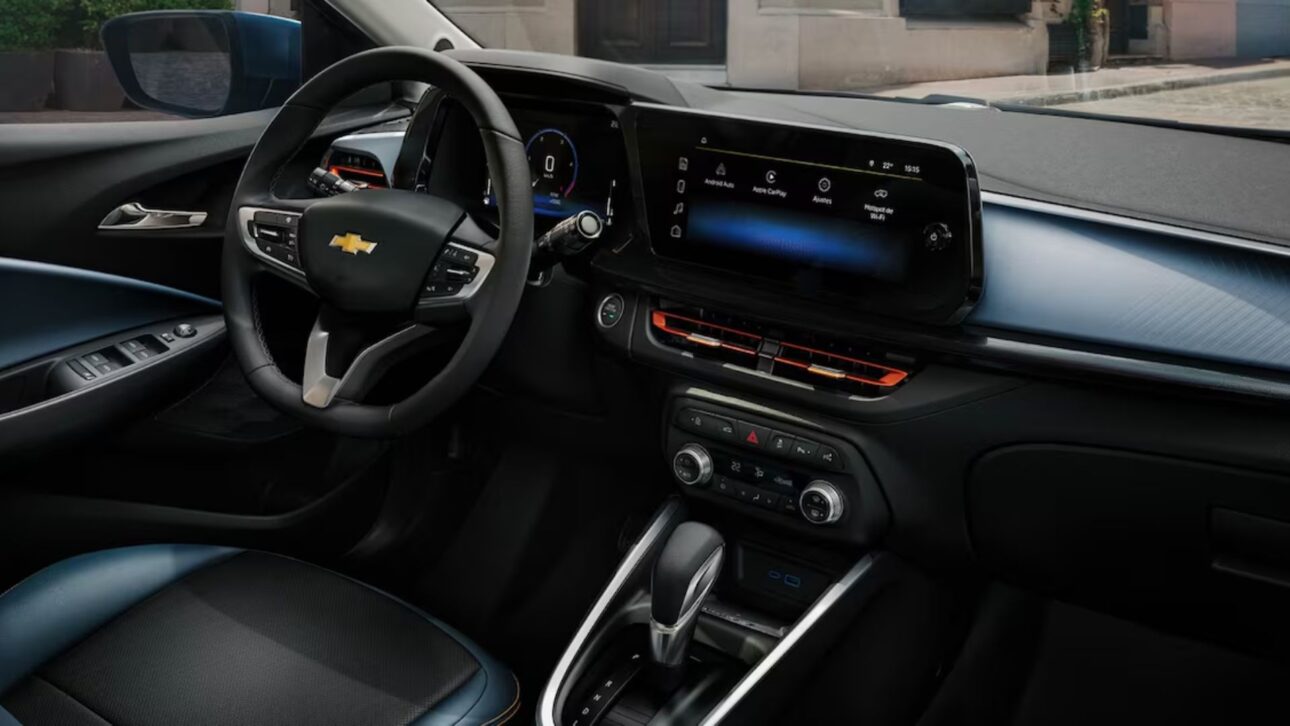
In both, the digital set of 8″ + 11″ in the central and higher versions offers an experience aligned with current public expectations in wiroless projection, native Wi-Fi, and connected services via OnStar.
Comparison with HB20, Argo, and Yaris
The direct comparison focuses on connectivity and content.
In multimedia, the Onix 2026 arrives at retail with an 11″ screen from the LT versions, surpassing the Hyundai HB20, which has an 8″ in the most equipped configurations, the Fiat Argo, which offers a 7″, and the Toyota Yaris, also with a 7″ in the remaining units.
In lighting, full-LED is offered in the LTZ and Premier versions, while many rivals maintain halogen lights in equivalent price ranges.
In the powertrain, the 1.0 turbo at 115 hp of the Onix is aligned with segment standards.
The HB20 also has a 1.0 turbo with similar power, while Argo and Yaris are mostly sold with naturally aspirated engines focused on mechanical simplicity.
In practice, the consumer’s decision tends to weigh connectivity, warranty, and maintenance cost.
In this package, the Onix update enhances the perception of value by integrating a digital dashboard and an 11″ screen in intermediate versions, maintaining six airbags as standard and the option for six-speed automatic transmission in the best-selling lines.
Prices and Reduced IPI Program
The commercial strategy combined maintaining table prices for the arrival of the 2026 line with the inclusion of entry-level versions in the federal efficiency incentive program, known in the market as Sustainable Car.
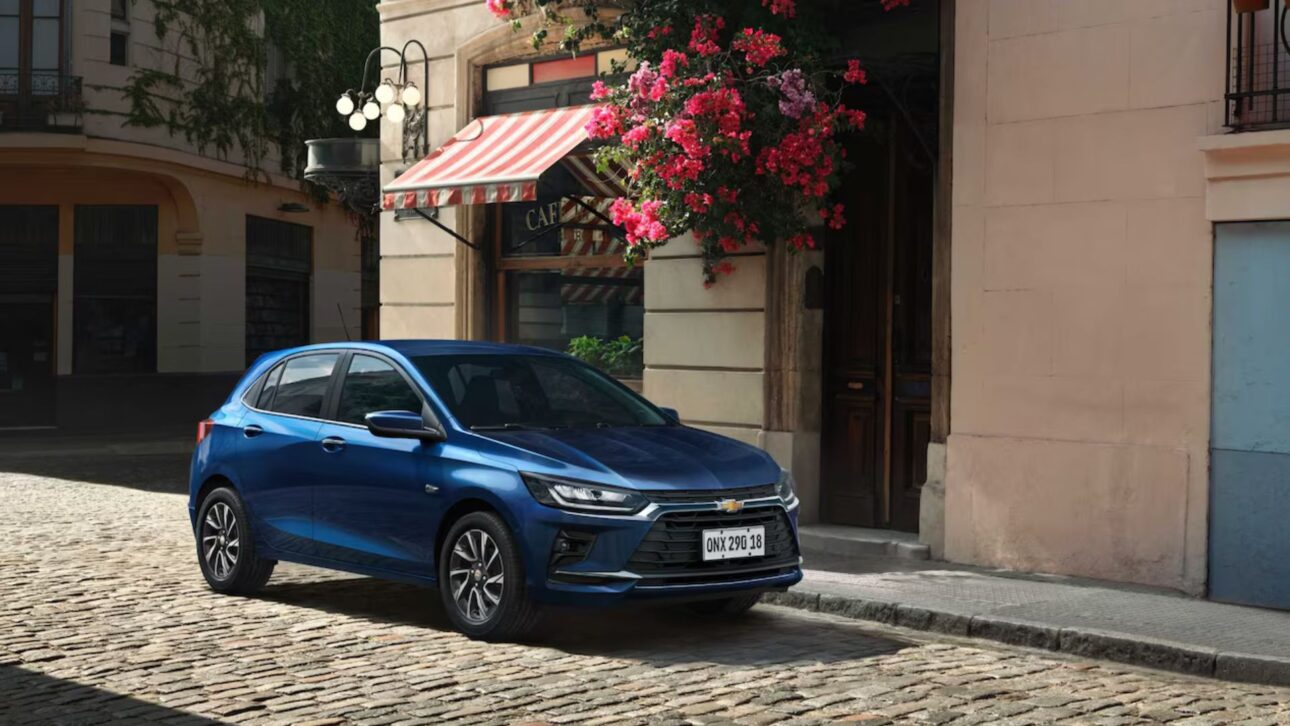
In network actions, the 1.0 manual hatch started at R$ 99,990, while the basic sedan was announced at R$ 106,790.
Above these levels, the LT, LTZ, and Premier versions are positioned between R$ 118,000 and R$ 129,000 in the hatch, with similar figures in the sedan, varying according to finish and transmission.
The continuation of these conditions depends on the current tax policy and possible adjustments from the factory or dealerships.
Versions and Equipment: What to Observe
For those prioritizing connectivity, the turning point occurs in the LT, when the 8″ digital panel and the 11″ multimedia with more features come in.
Those seeking superior lighting and comfort conveniences, such as automatic air conditioning, will find the package only in the LTZ and Premier.
The keyless entry and push-button start features are available in configurations with the 1.0 turbo engine, varying according to the trim level.
With the enhanced technical and equipment package, the 2026 update repositions the Onix in connectivity and daily usability.
With so many advancements and prices maintained, will the model be able to reinforce its leadership over the HB20, Argo, and Yaris?









-

-

-

5 pessoas reagiram a isso.