





 Portuguese
  English
  Spanish
  5 min of reading
  0 comments


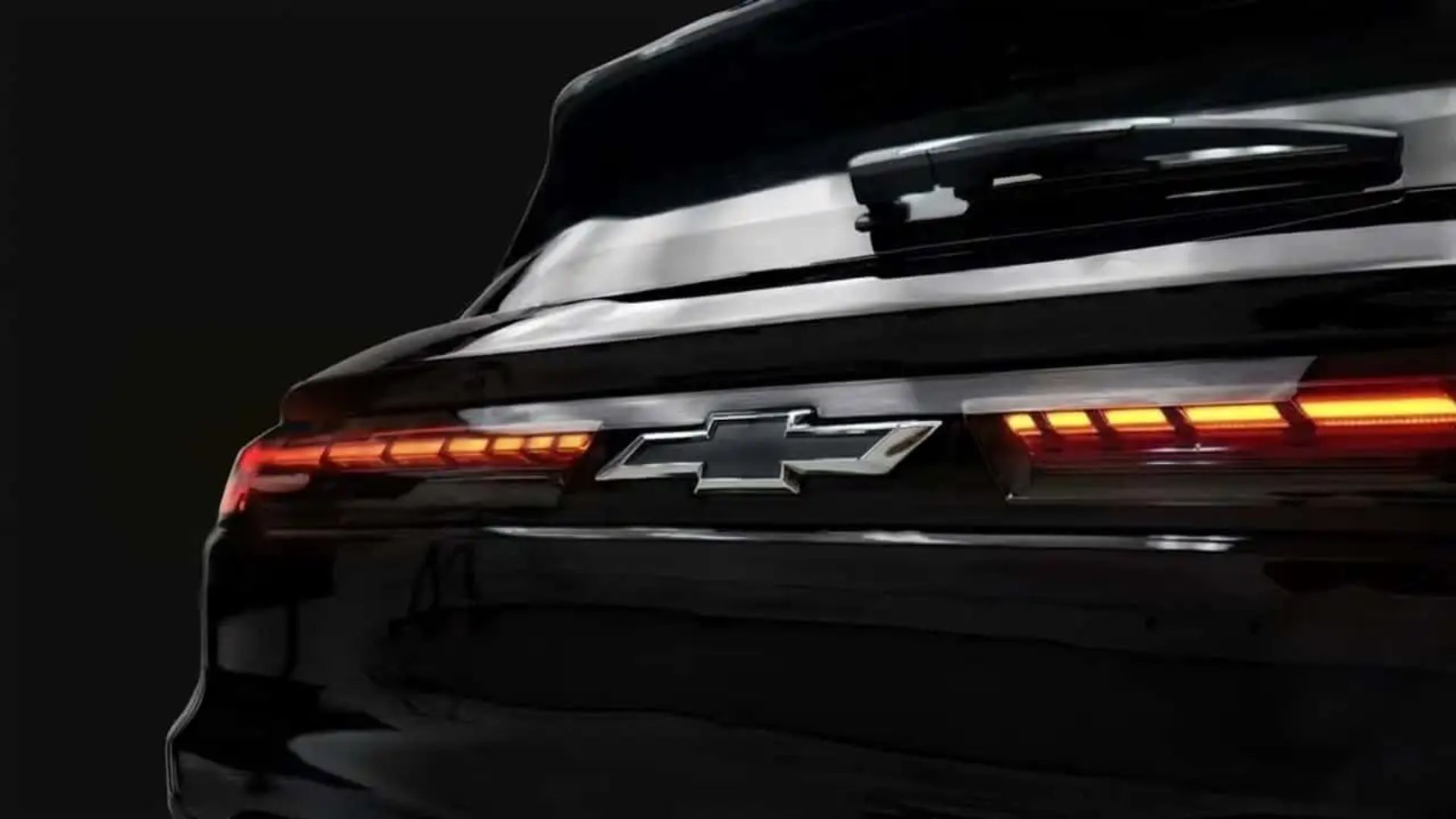
Revelation of the Rear Highlights New Design Elements, Increases Expectation for SUV Derived from Onix and Reinforces Chevrolet’s Strategy to Expand Presence in the Brazilian Compact Segment.
The new Chevrolet Sonic, SUV derived from the Onix and confirmed to debut in the first half of 2026 in Brazil, has just received its first official image of the rear without any camouflage.
The photo released by General Motors on social media shows the model nearly ready, reinforcing the SUV-coupe look and anticipating part of the package that aims to position the car above the Onix, but still below the Tracker in the brand’s lineup.
After a sequence of dark teasers and spy shots of prototypes in testing, the latest image reveals the rear portion of the Sonic.
-
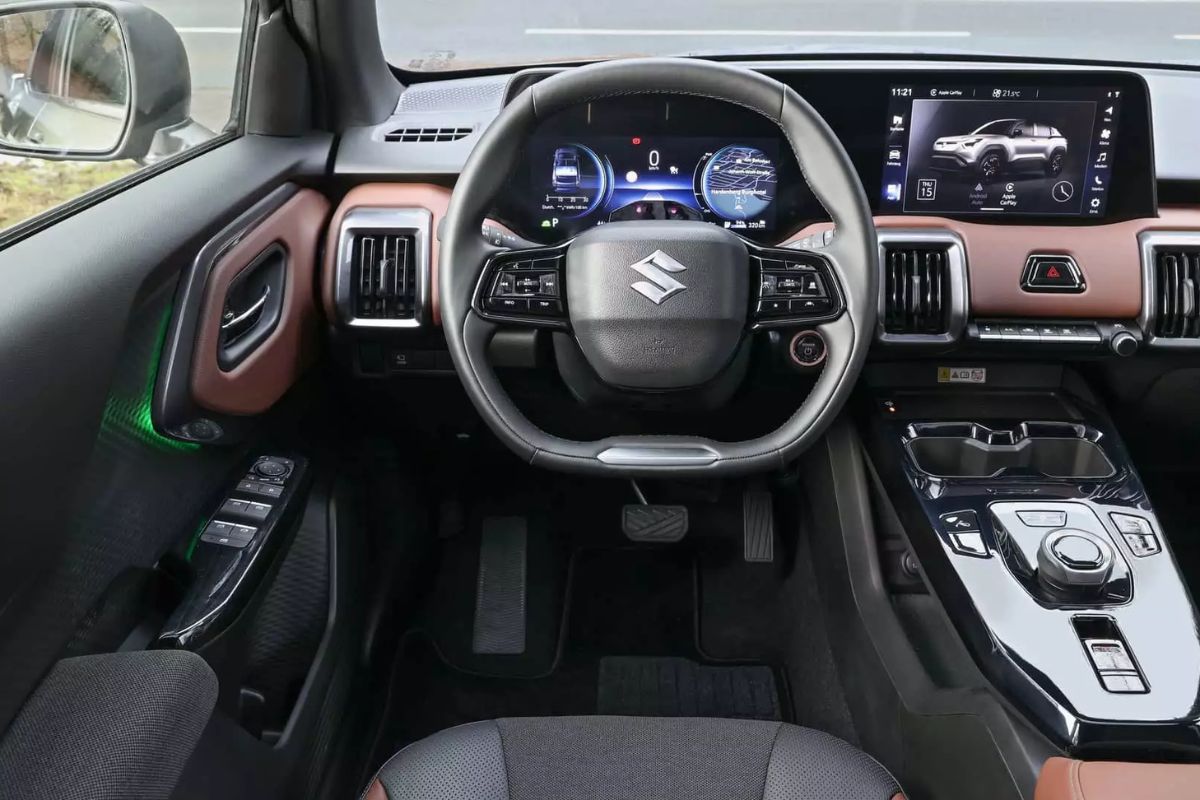
The 2026 electric Vitara arrives in Brazil and proves that Suzuki is not leaving: 4×4 traction, 184 hp, 61 kWh LFP battery, 293 km range, R$ 259,000, and a trunk capacity of 224 L.
-
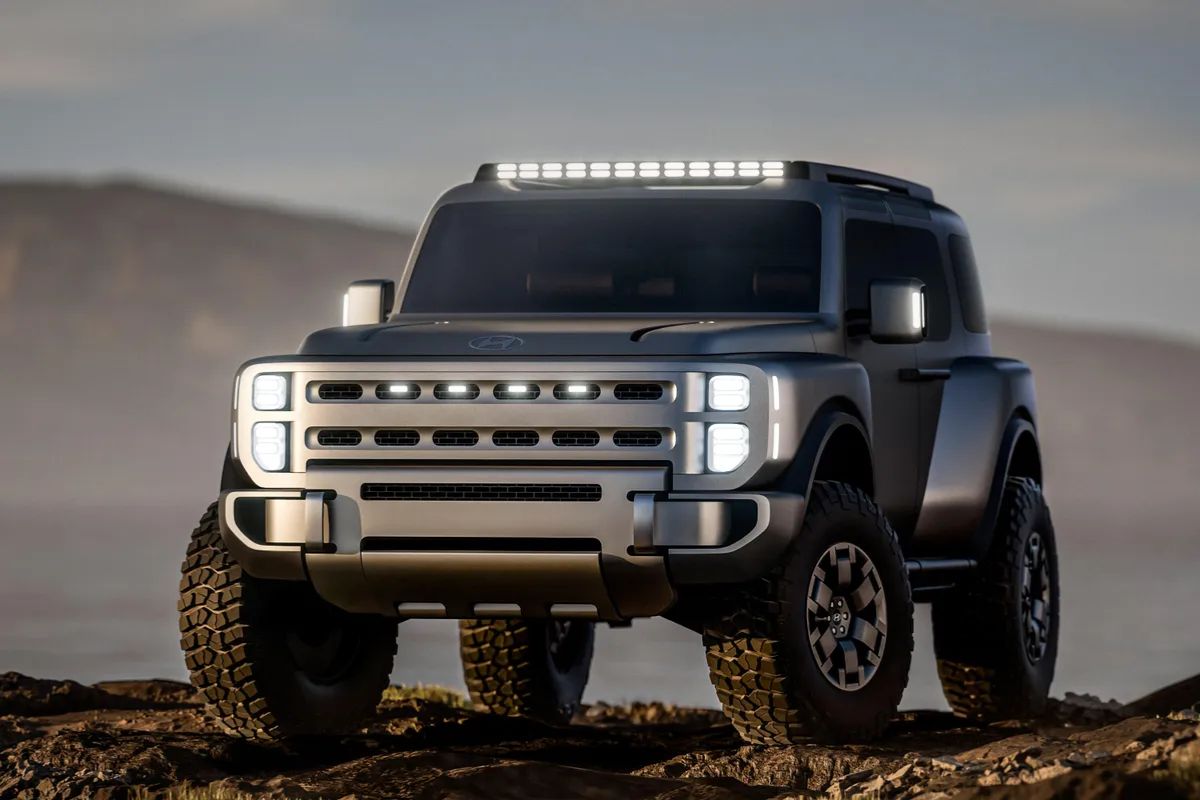
Hyundai has unveiled the Boulder, a square SUV with a body-on-frame design, 37-inch mud tires, and carriage-style doors that seems to be made to take on the Ford Bronco and the Scout Traveller in the United States.
-
The Toyota Hilux is R$ 75.5 thousand cheaper and bets on the 2.8 turbodiesel engine with up to 204 hp and 50.9 kgfm to catch up with the VW Saveiro, which leads with 4,472 sales.

-
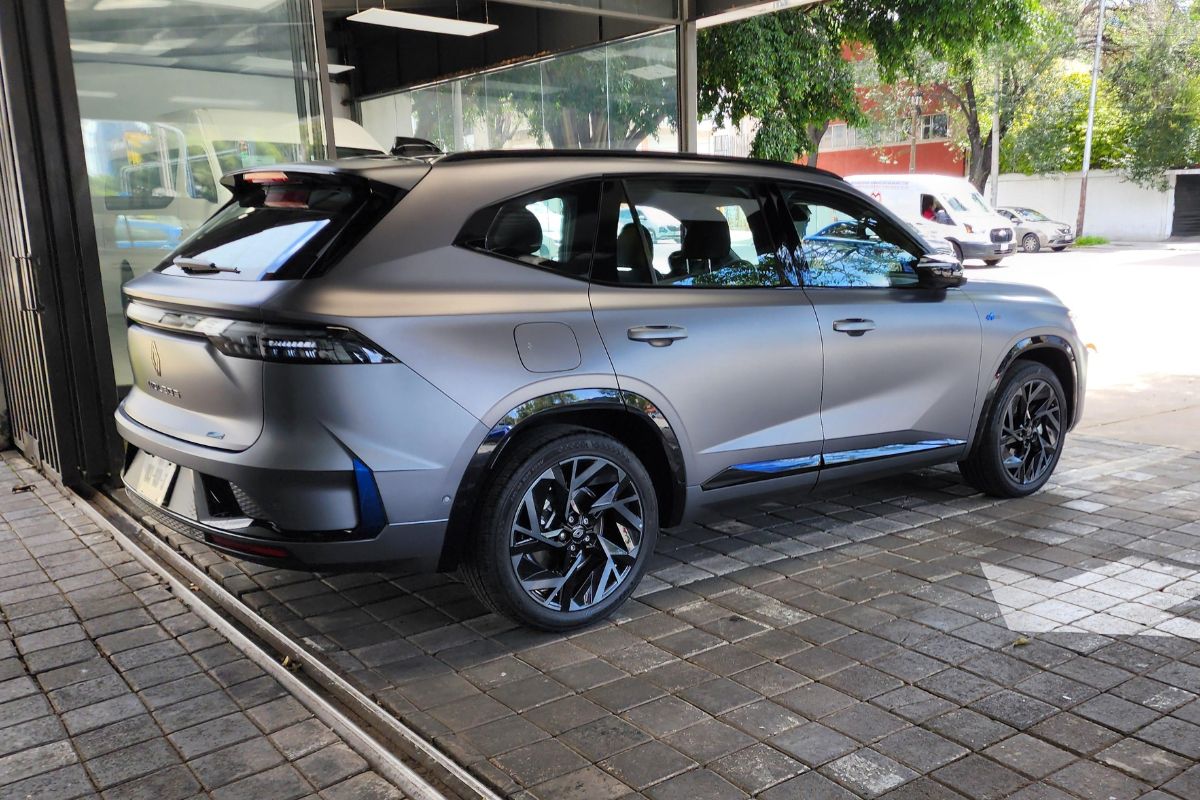
The new Renault Koleos has a screen exclusively for the passenger that is invisible to the driver, heated rear seats, and 29 assistance systems, but its Chinese competitors cost R$ 40,000 less and deliver more power.

The LED taillights feature a continuous signature along the trunk lid, a feature designed to visually widen the car and give it a more technological appearance.
The bumper has a pronounced volume, and the new cut of the lid helps to differentiate the SUV from the hatch from which it derives.
One of the most striking elements is the integrated spoiler, a piece that does not exist on the Onix and reinforces the coupe-style SUV proposition.
The rear window is narrower, and the beltline tends to rise towards the rear, composing a more robust profile.

The Chevrolet emblem appears in black and centered, aligned with the left taillight, which creates a larger gap in relation to the optical assembly on the right side, a design choice that highlights the new central application.
Design of the Sonic 2026 Distances Itself from the Onix and Seeks Its Own Identity
Although the Sonic uses the GEM platform and various structural components from the Onix, the front and rear designs will be unique.
Previous spy shots and projections already indicated that the utility would feature a front end with dual headlights, a solution adopted in recent Chevrolet models, such as Montana and face-lifted Tracker.
In this configuration, the LED daytime running lights are positioned at the top, while the main headlights occupy a middle level, bringing the Sonic closer to the current global visual standard of the brand.
The hood also undergoes important changes.
It becomes higher and more horizontal, a feature associated with the “size impression” concept, where the front ensemble is designed to make the car appear larger and more imposing than it actually is.
This approach follows the same line seen in direct competitors like Volkswagen Tera and Renault Kardian.
At the rear, the new SUV rescues elements from the Equinox EV, an electric model considered a reference in design for Chevrolet today.

The trunk lid is longer, the rear overhang has been extended compared to the Onix, and the taillights, with LED lighting, form a horizontal set that extends toward the center of the lid.
The inspiration from the Equinox EV is evident precisely in this solution of connected lighting signature.
Even reusing the doors and side-glass area from the Onix hatch, the Sonic is expected to have redesigned rear pillars and a roof with a slight inclination, bringing the car closer to a coupe crossover.
The application of plastic cladding around the wheel arches and the higher ride height help to reinforce the adventurous appearance.
Sonic Name Returns to the Brazilian Market in New Configuration
The name Sonic is not new in the Brazilian market.
The name was previously used for a premium compact sold in the country between 2012 and 2014, initially imported from South Korea and later from Mexico, in hatch and sedan bodies.
At that time, the model was positioned above the Onix, Prisma, and Cobalt.
This time, the context is different.
Now produced in Gravataí (RS) and with a coupe-SUV body, the Sonic resurfaces as a compact sports utility directly derived from the Onix family.
GM’s strategy is to occupy the space between the hatch and the Tracker, in a segment currently dominated by products such as Fiat Pulse, Renault Kardian, and Volkswagen Tera.
Powertrain: What Is Already Planned for the Sonic 2026
General Motors has not yet released the complete technical sheet for the Sonic.
The most consistent projections point to the main powertrain being the 1.0 turbo flex three-cylinder engine, now associated with direct fuel injection.

This engine currently works with a six-speed automatic transmission in much of the Chevrolet lineup.
The combination is expected to offer a good balance between fuel efficiency and performance.
Specialized publications also highlight the possible existence of a base version with a 1.0 naturally aspirated engine and manual transmission, aimed at more competitive pricing.
There is also the possibility of a more powerful configuration with the 1.2 turbo engine with direct injection, already used in the Tracker.
So far, GM has not officially confirmed the availability of these variants.
There is also no confirmation regarding mild electrification solutions, a topic already explored by competitors, although not yet officially mentioned in the case of the Sonic.
Production in RS and Positioning in the Brazilian Market
Chevrolet has already confirmed that the Sonic will be produced at the Gravataí plant, which is responsible for the Onix and Onix Plus.
The complex is undergoing adaptations to accommodate the new SUV as part of an investment plan aimed at modernizing the plant and expanding the national range.

The commercial launch is scheduled for the first half of 2026, focusing on the Brazilian market and other countries in South America.
The brand aims to position the model as an entry-level compact SUV with a more sophisticated look, occupying the space between the Onix and Tracker in price, size, and equipment.
In design, the combination of dual headlights, elevated hood, and rear inspired by the Equinox EV aims to convey modernity and robustness.
The connected lighting signature, the spoiler, and the black logo help to differentiate the Sonic from the Onix and Onix Plus.
The cabin has not been detailed yet, but spy shots suggest a redesigned dashboard, integrated screens, and higher quality finishes than the traditional Onix.
As Chevrolet does not disclose all specifications, the Sonic continues to be gradually presented through teasers and official images.
With the rear already revealed, the front practically known, and a clear positioning in the segment, it remains to be seen how the public will receive the new “SUV of the Onix” in an increasingly competitive market.











-

-

2 pessoas reagiram a isso.