





 Portuguese
  English
  Spanish
  3 min of reading
  0 comments


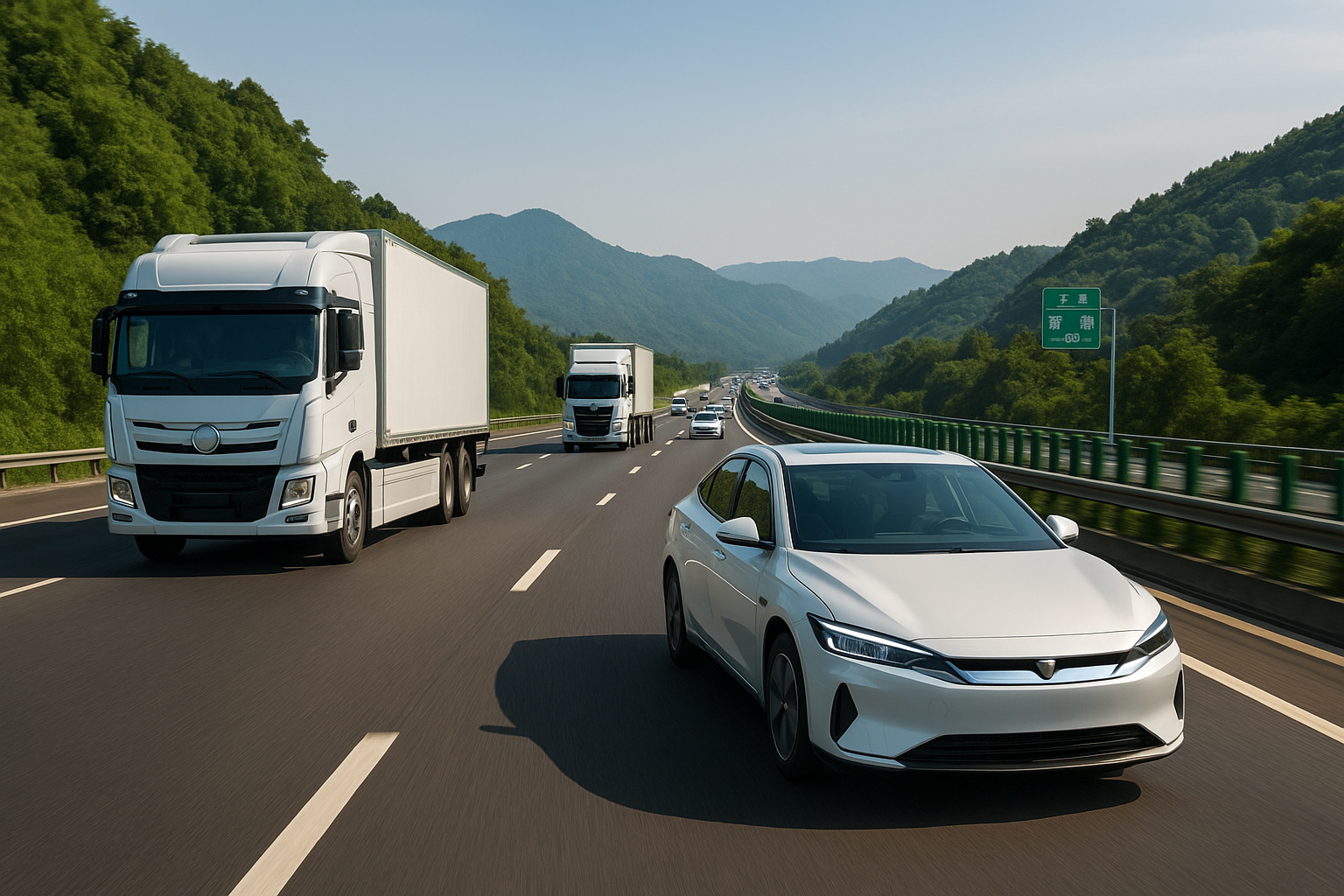
China Advances with Electric Cars, Reduces Diesel Consumption, and Anticipates Peak Oil in the Global Automotive Sector.
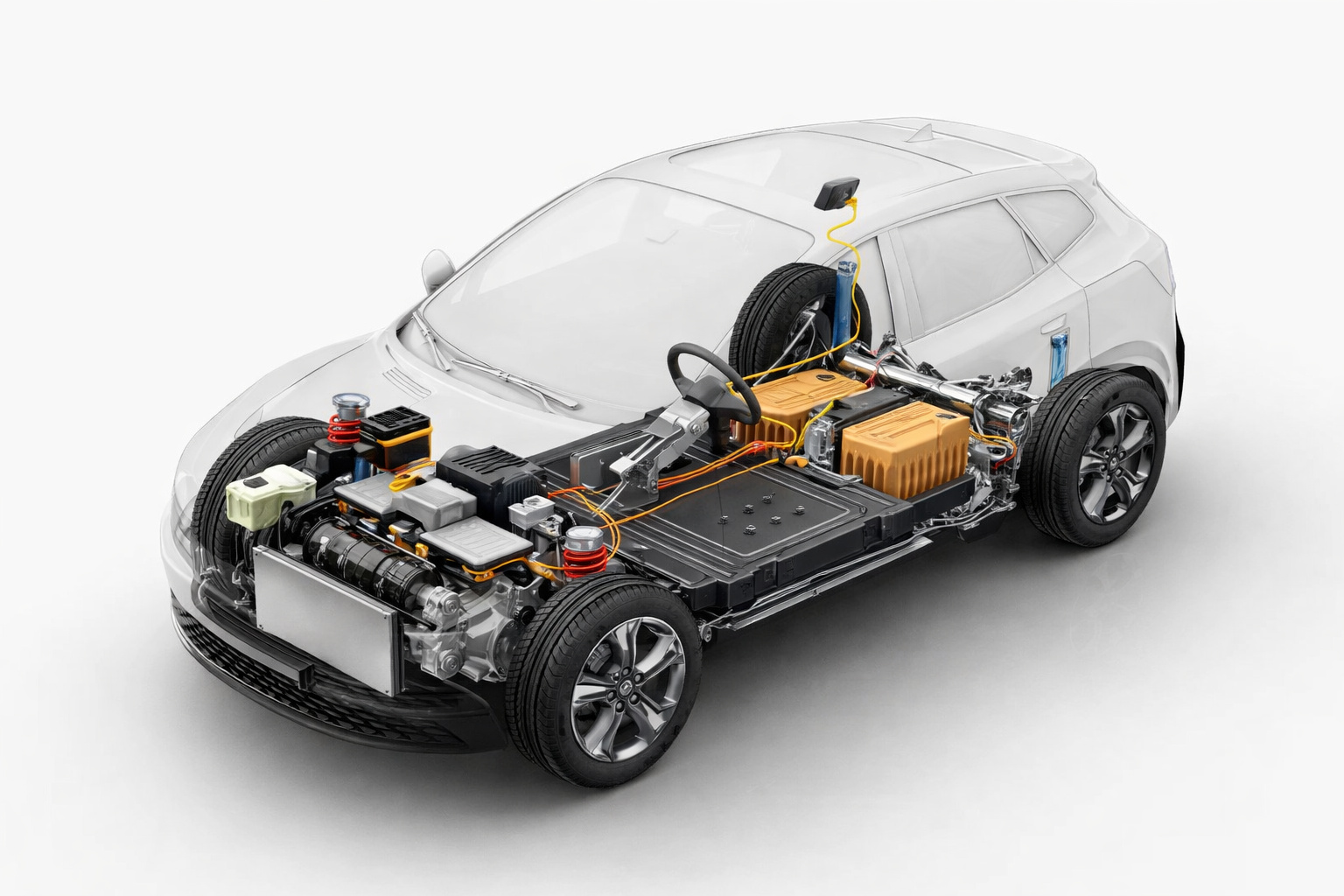
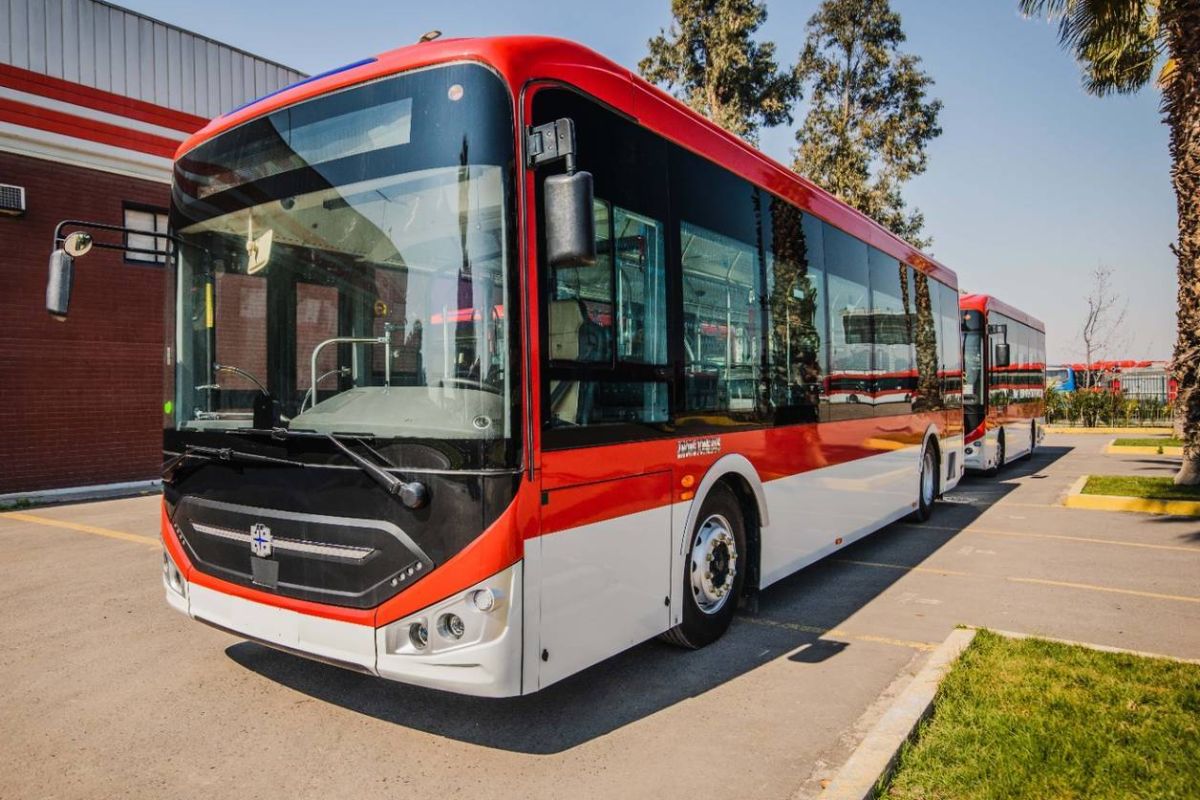
The China has initiated a quiet yet profound shift in the automotive sector by accelerating the adoption of electric cars, including in heavy transport, reducing diesel consumption, and anticipating the peak in oil demand.
The movement involves automakers, logistics companies, refineries, and global consulting firms, takes place now within Chinese territory, and is advancing thanks to gains in autonomy, more competitive cost-benefit, and the rapid industrial scaling of electric vehicles.
Therefore, the country is starting to alter not only its own market but also global energy expectations.
-
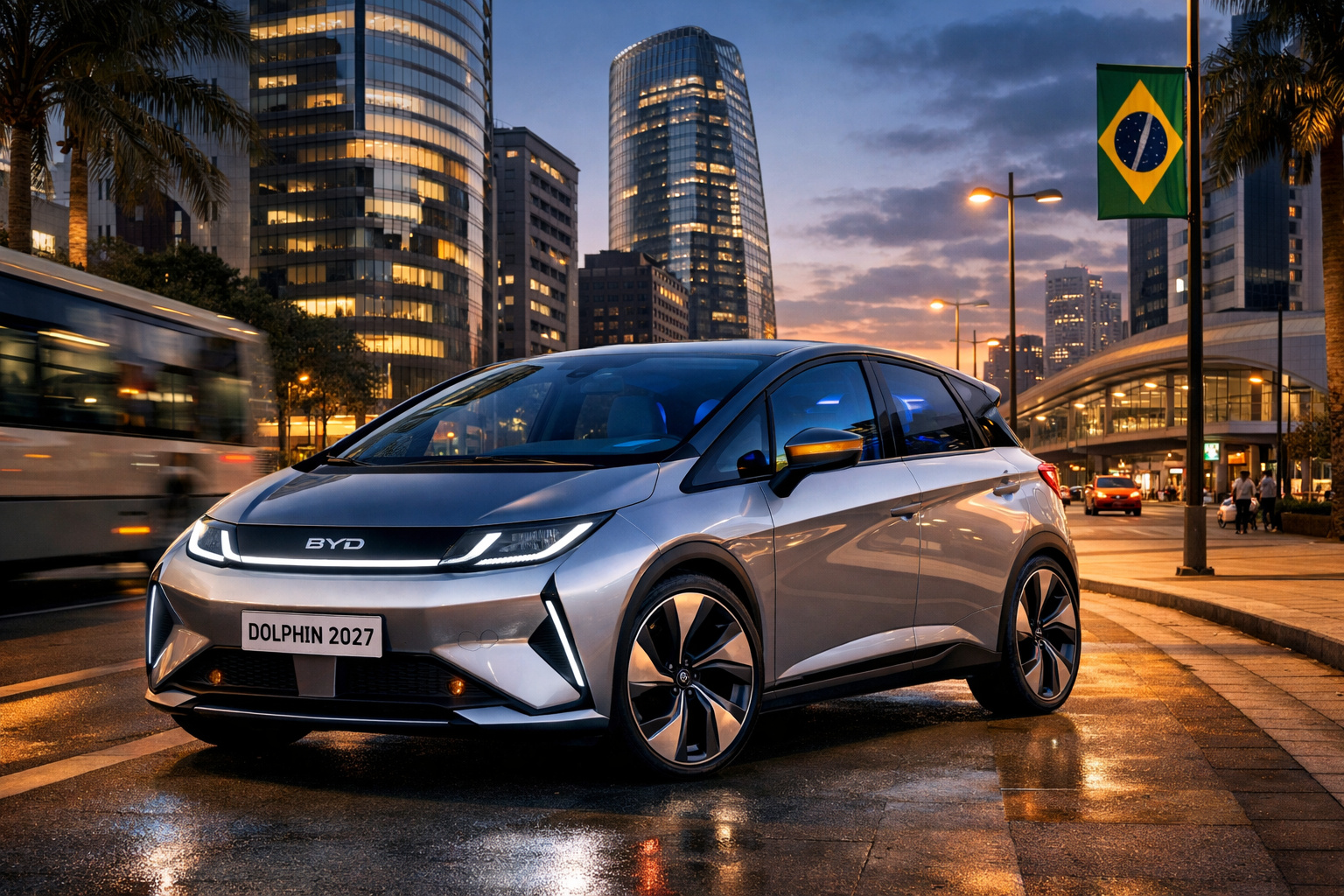
BYD Dolphin 2027 gains more power, increases in size, changes interior, and abandons controversial feature to face new competition in Brazil.
-
The German economist Wolf-Peter Schill has no doubts: “Electric cars are already far superior to cars with internal combustion engines.”

-
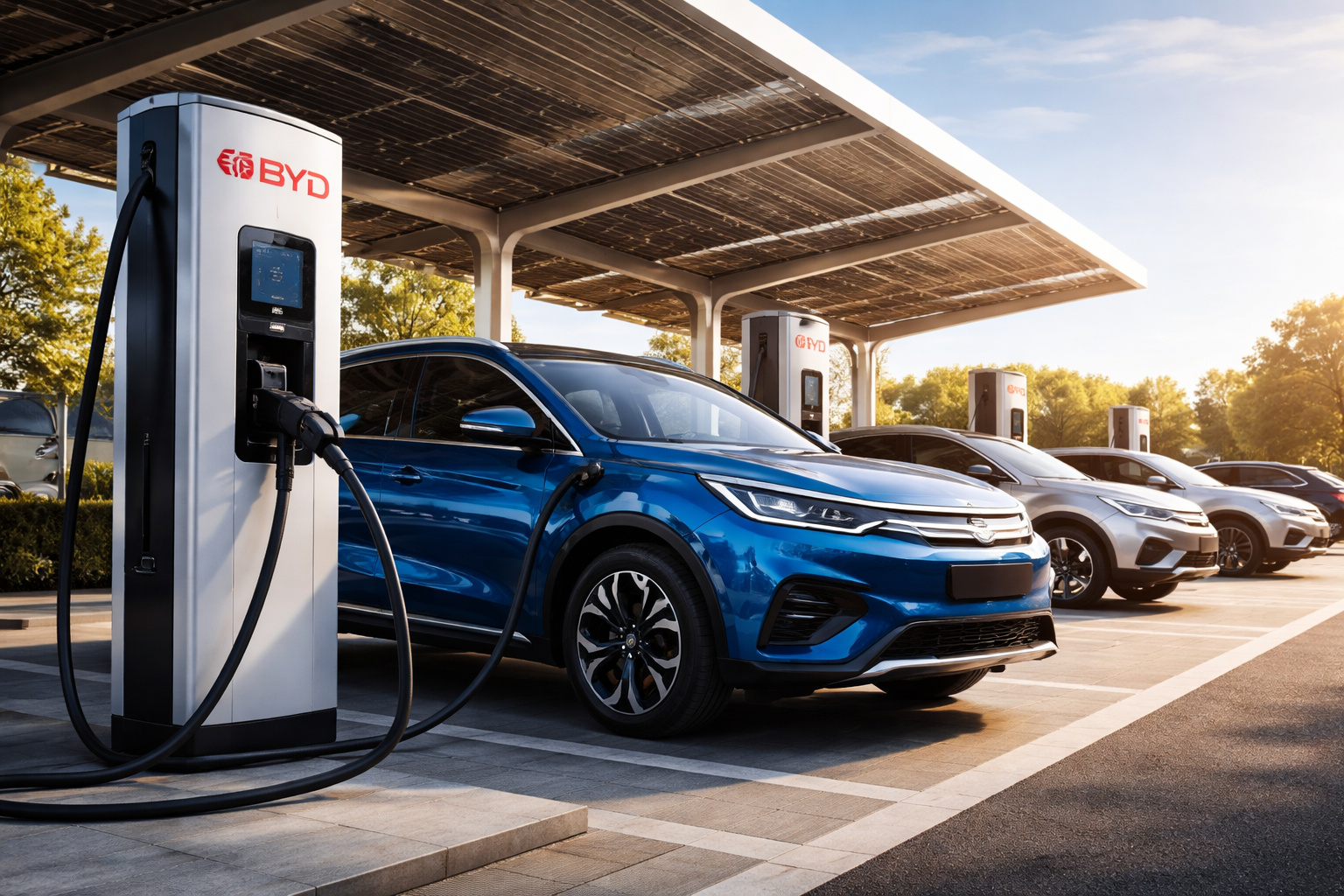
Largest public charging network in Brazil: BYD reaches 125 fast chargers and accelerates national expansion of electric mobility.
-
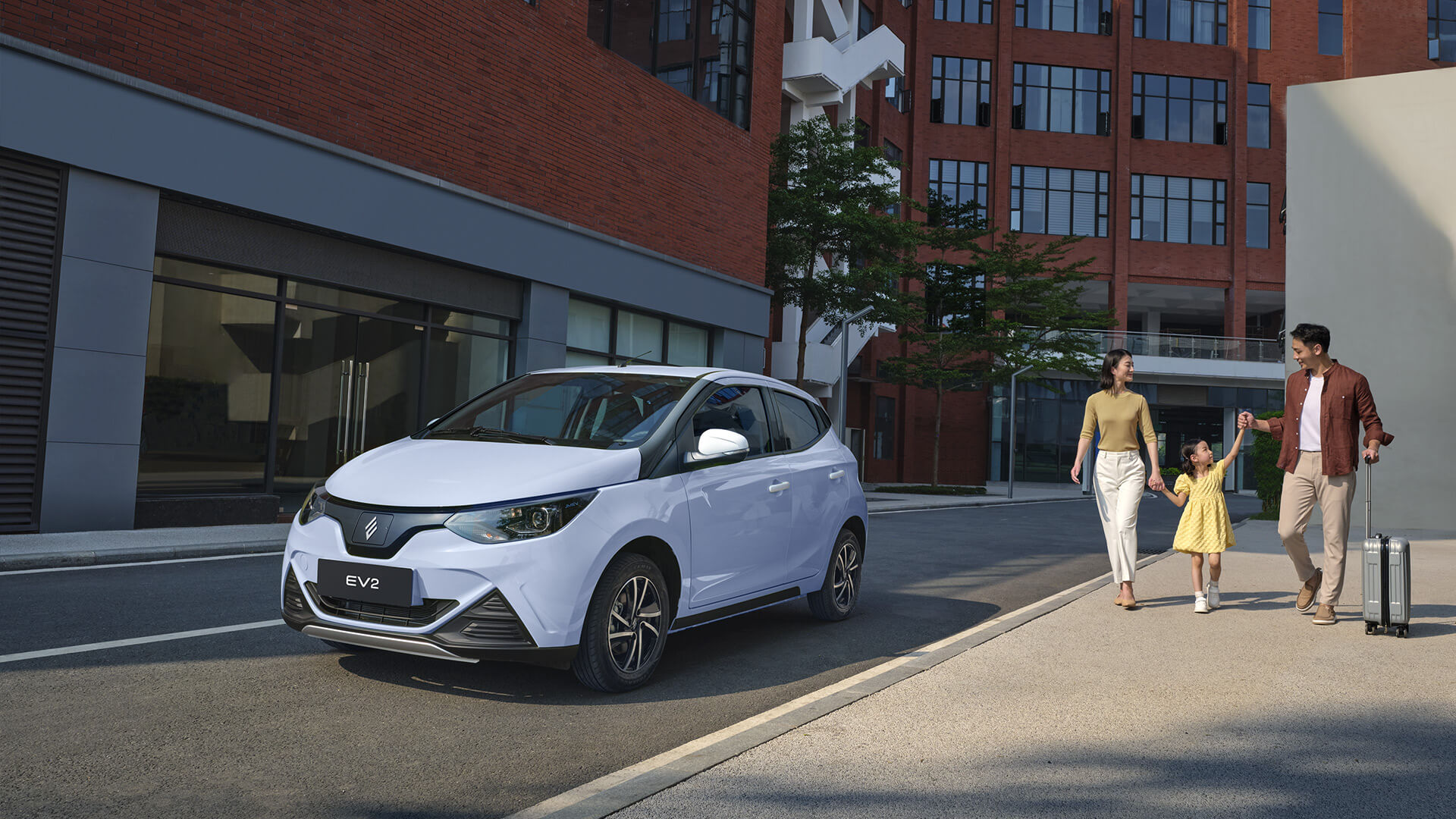
Goodbye expensive popular car: electric vehicle for less than R$ 70,000 starts being sold in Brazil with a range of 200 km and targets those looking to escape gasoline.
China Advances Beyond Light Electric Cars and Reaches Heavy Transport
For years, analysts focused on China’s energy transition in terms of passenger electric cars. Now, however, the shift reaches the core of fossil fuel consumption.
Electric trucks and heavy vehicles, previously limited to testing, have begun to dominate the expansion of this segment. According to market data, these models accounted for more than 90% of the recent sales growth.
This pace has surprised consultancies and forced urgent revisions in diesel demand models. Thus, the Chinese automotive sector has begun to generate structural impacts on the energy matrix.
Consultancies Revise Diesel Consumption in Light of Electric Advancements
The SCI (Sublime China Information) quickly reacted to the new scenario. The consultancy reduced its diesel consumption estimate in the country by up to 2%.
Meanwhile, Rystad Energy adopted an even stronger tone. The company projects that the accelerated replacement of heavy trucks could bring forward the peak of Chinese oil demand to this year.
Previously, the market anticipated continuous growth until 2026. Now, therefore, the horizon has changed significantly.
Transport Concentrates Impact and Amplifies Structural Effect
Transport accounts for about two-thirds of all diesel consumed in China. Therefore, any change in this segment generates amplified effects.
Rystad estimates that diesel usage could drop by 40% by 2030. This volume is equivalent to eliminating approximately a quarter of the consumption recorded in 2024.
This movement reinforces the cost-benefit logic of electric vehicles, which already have lower operational costs, greater energy efficiency, and continuous improvements in battery autonomy.
Chinese State-Owned Enterprises Confirm Energy Route Change
The revisions are not limited to the private sector. An institute linked to the CNPC (China National Petroleum Corporation) believes that oil demand will stabilize between 2025 and 2030.
The study indicates simultaneous declines in gasoline and diesel consumption as light and heavy electric vehicles gain industrial scale.
Meanwhile, Sinopec, China’s largest refinery, has also revised its projections. The company has shifted the peak demand to 2027, aligning with the new market readings.
Automotive Sector Redefines the Future of Oil
Even with some residual growth in aviation and petrochemicals, the fossil fuel sector is nearing a saturation point. The advancement of electric cars has ceased to be peripheral.
Now, it directly impacts heavy transport, historically dependent on diesel. Thus, the automotive sector in China plays a central role in the energy transition.
This advancement occurs because the local industry has managed to combine scale, technology, and cost-benefit, making electric vehicles competitive in applications previously considered unfeasible.
Global Impact of the Chinese Decision
The China accounts for about 16% of global oil consumption. Therefore, any internal shift alters expectations for prices, investments, and refining capacity worldwide.
If the current pace is maintained, the country could single-handedly redefine the timeline for the global energy transition. Moreover, the movement is likely to accelerate the repricing of oil in the second half of the decade.
Thus, the advancement of electric cars, driven by gains in autonomy and efficiency in cost-benefit, is no longer just a technological trend but is beginning to reshape the economic balance of the automotive and energy sectors globally.








-

Uma pessoa reagiu a isso.