





 Portuguese
  English
  Spanish
  3 min of reading
  0 comments


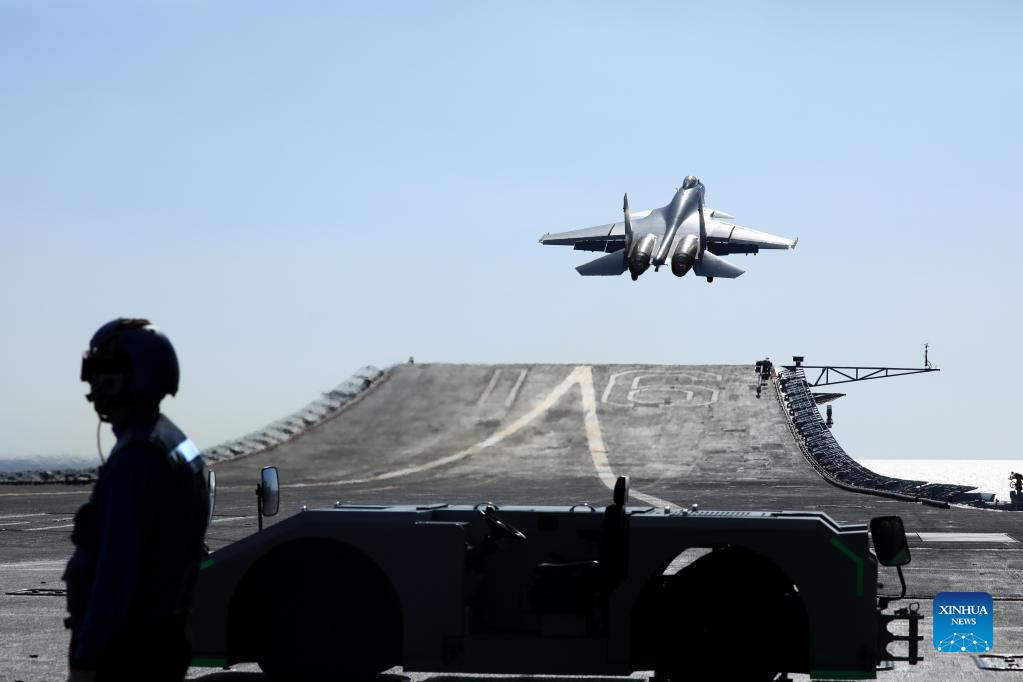
The Development of Nuclear Aircraft Carriers in China Is Accelerating, with Evidence Captured by Satellites
In a milestone that could redefine the balance of naval power in the Pacific, China is making progress toward building its first nuclear-powered aircraft carrier. The information was revealed by the Associated Press on November 11, 2024, based on analyses of satellite images and documents from the Chinese government.
According to researchers at the Middlebury Institute of International Studies, the project is linked to the development of a land-based nuclear reactor in Leshan, Sichuan province. The facility, located in the mountains, operates under a classified project known as Project Longwei, or “Dragon Power”.
This advancement reflects China’s ambitions to build a navy capable of operating far from its territorial waters, consolidating its position as a global power.
-
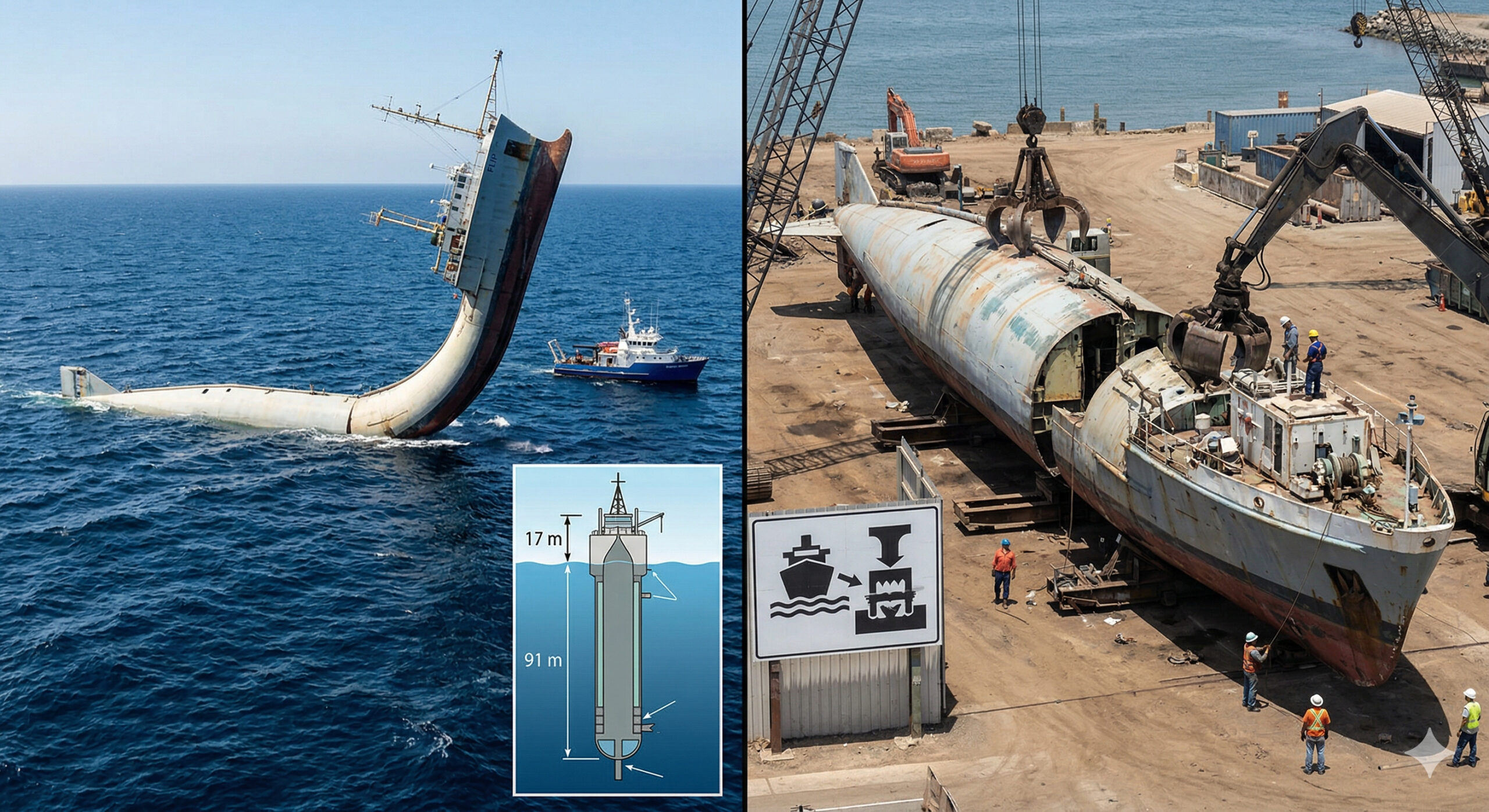
With a length of 108 meters and a giant spoon shape, the FLIP was the only ship in the world capable of rotating 90 degrees in the ocean and remaining vertical, with 91 meters submerged, operating for 60 years until it was retired and sent to the scrapyard in 2023.
-
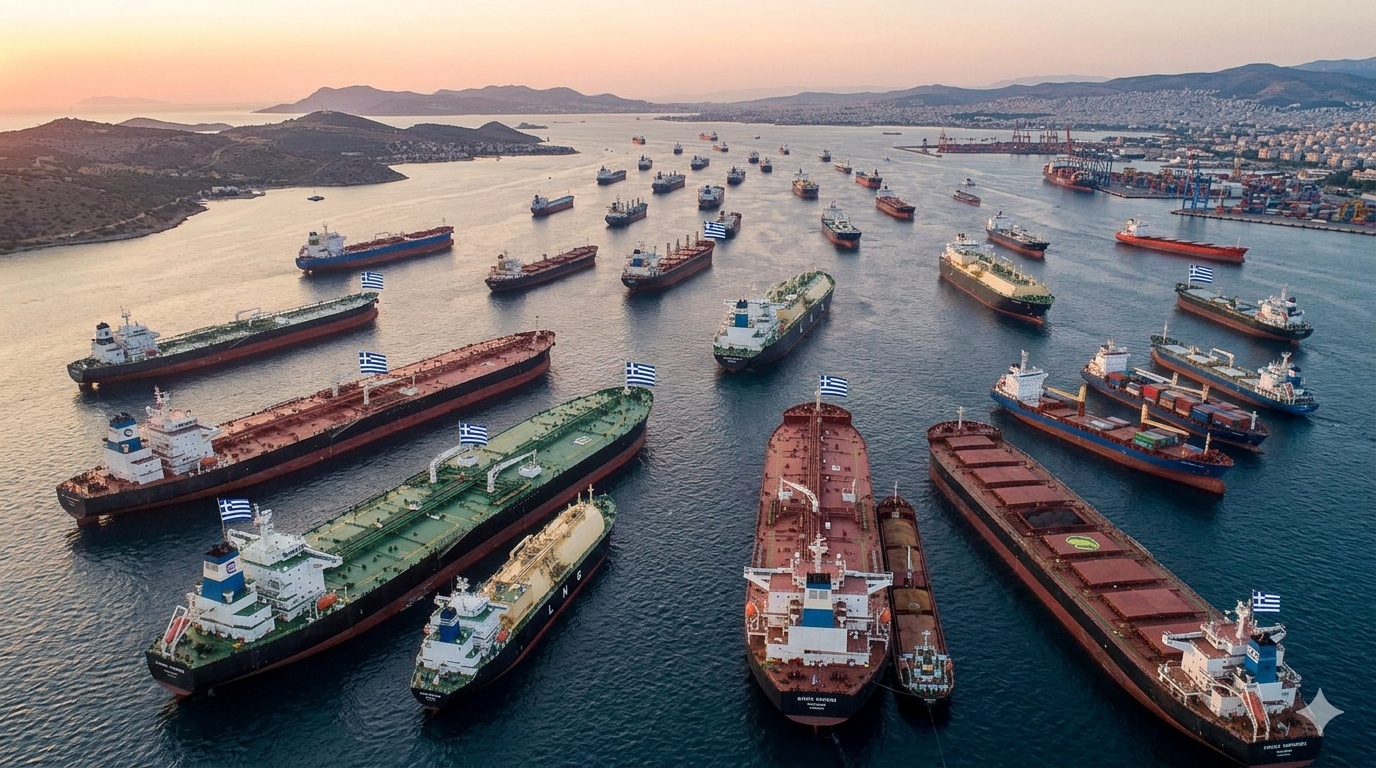
Neither the USA nor China: a small European nation has become one of the largest maritime powers on the planet, controlling one of the largest merchant fleets in the world with thousands of ships and dominating the global transportation of oil and strategic cargo.
-
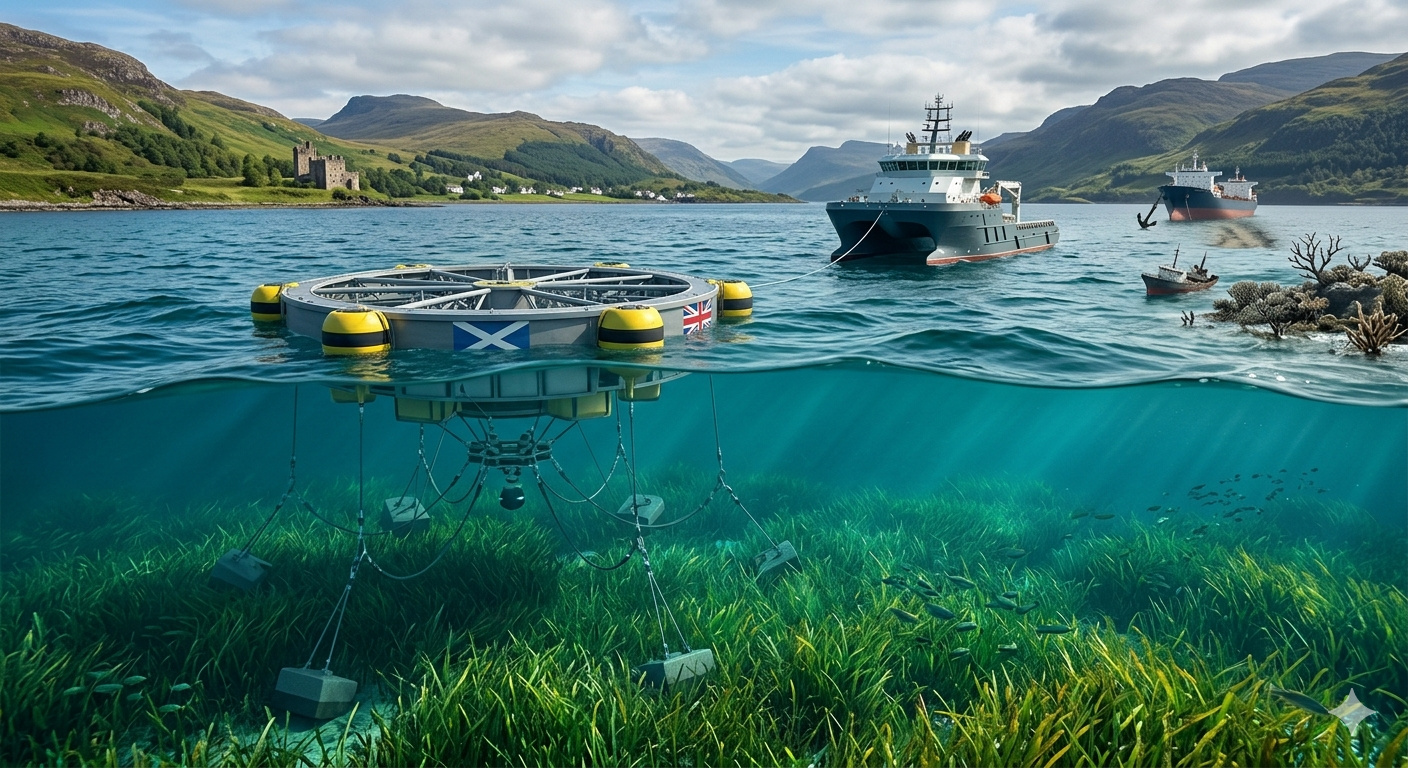
Scotland and the United Kingdom have created a new anchoring system that floats in the water without touching the seabed, after discovering that the current from a conventional anchor destroys up to 50 m² of seagrass meadow per event and that ship-damaged reefs showed no signs of recovery even ten years later.
-
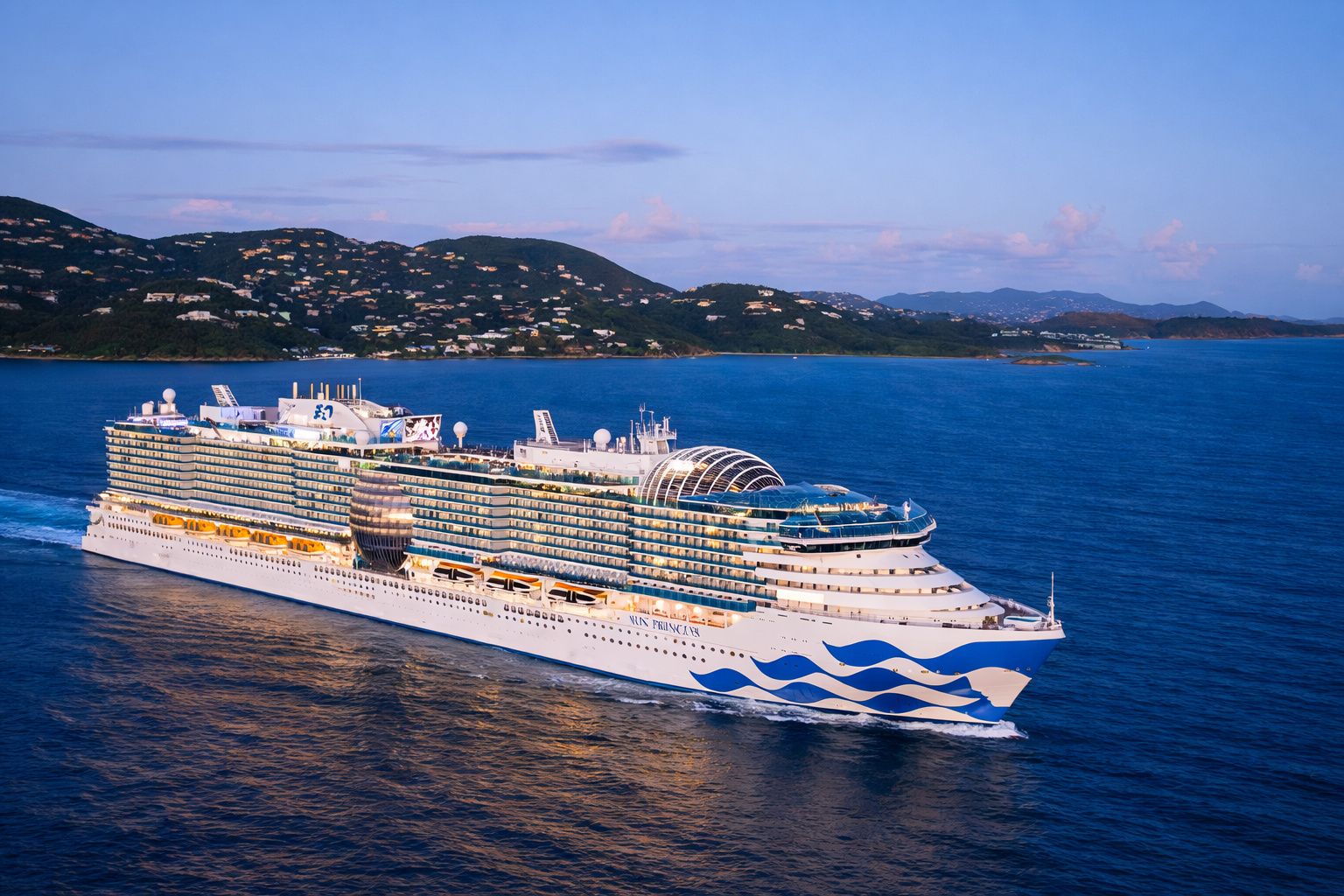
Weighing 175,500 Tons, Measuring 345 Meters Long, and With Capacity for Over 4,300 Passengers, the Sun Princess Becomes the Largest Ship Ever Built by Princess Cruises and Attracts Global Attention for Its Huge Glass Dome Inspired by Santorini’s Architecture Installed on Top of the Vessel

Accelerated Modernization of the Chinese Navy Goes Far Beyond the New Nuclear Aircraft Carrier
The People’s Liberation Army Navy (PLAN), which is already the largest in the world by number of ships, is rapidly transforming. The construction of a nuclear aircraft carrier would be a game-changer for Beijing, providing unprecedented operational range and resilience. This would allow China to expand its presence in strategic regions such as the Western Pacific and the disputed South China Sea.
Currently, Chinese aircraft carriers, including Liaoning, Shandong, and the latest Type 003 Fujian, operate with conventional propulsion. Although the Fujian, launched in 2022, has introduced modern technologies like electromagnetic launch systems, it still lacks the range and autonomy of mobile nuclear power systems, an essential capability for long-range missions.
Details of the Longwei Project
Satellite images from 2020 to 2023 show extensive construction at Base 909, a facility 70 miles from Chengdu, managed by the Nuclear Power Institute of China. The base features advanced infrastructure, including water intake systems and housing for the reactor. This setup is consistent with naval propulsion requirements, indicating that efforts are directly linked to the Type 004 aircraft carrier program.
Additional documents, such as environmental impact studies and purchase records, support this theory. The files detail the acquisition of reactor-specific equipment for installation on large warships, consolidating suspicions that the prototype is intended for aircraft carriers.
International Reaction
China’s advancements have not gone unnoticed. Pentagon reports indicate growing concern over Chinese naval modernization, which is viewed as a direct threat to U.S. military dominance in the Indo-Pacific region. Although still lagging in operational experience and lacking a number of aircraft carriers, China’s shipbuilding pace highlights its long-term ambitions.
A nuclear-powered aircraft carrier would be a strategic turning point, potentially challenging the dominance of the U.S. and its allies in areas such as Taiwan and the South China Sea. Beijing has focused on expanding its influence beyond the First Island Chain, an area that has historically served as a natural barrier to its maritime operations.
Geopolitical Impacts
As the PLAN evolves from a force focused on coastal defense to a distant-waters navy, global implications become evident. The construction of a nuclear aircraft carrier marks a significant step in this transition. However, analysts caution that China will still face technical and logistical challenges before its aircraft carrier program reaches the level of sophistication and efficiency of the U.S. Navy.
The Longwei Project symbolizes more than a technological advancement; it is a sign of rapid progress in China’s military-industrial complex. The international community now faces a dilemma: how to balance containing Chinese ambitions without triggering an escalation that could destabilize regional security.
Even though there is still no clear timeline for the launch of China’s nuclear aircraft carriers, the pace of development indicates that the PLAN is determined to turn its aspirations into reality. However, small planning errors could jeopardize critical deadlines for completion.









Seja o primeiro a reagir!