





 Portuguese
  English
  Spanish
  5 min of reading
  0 comments


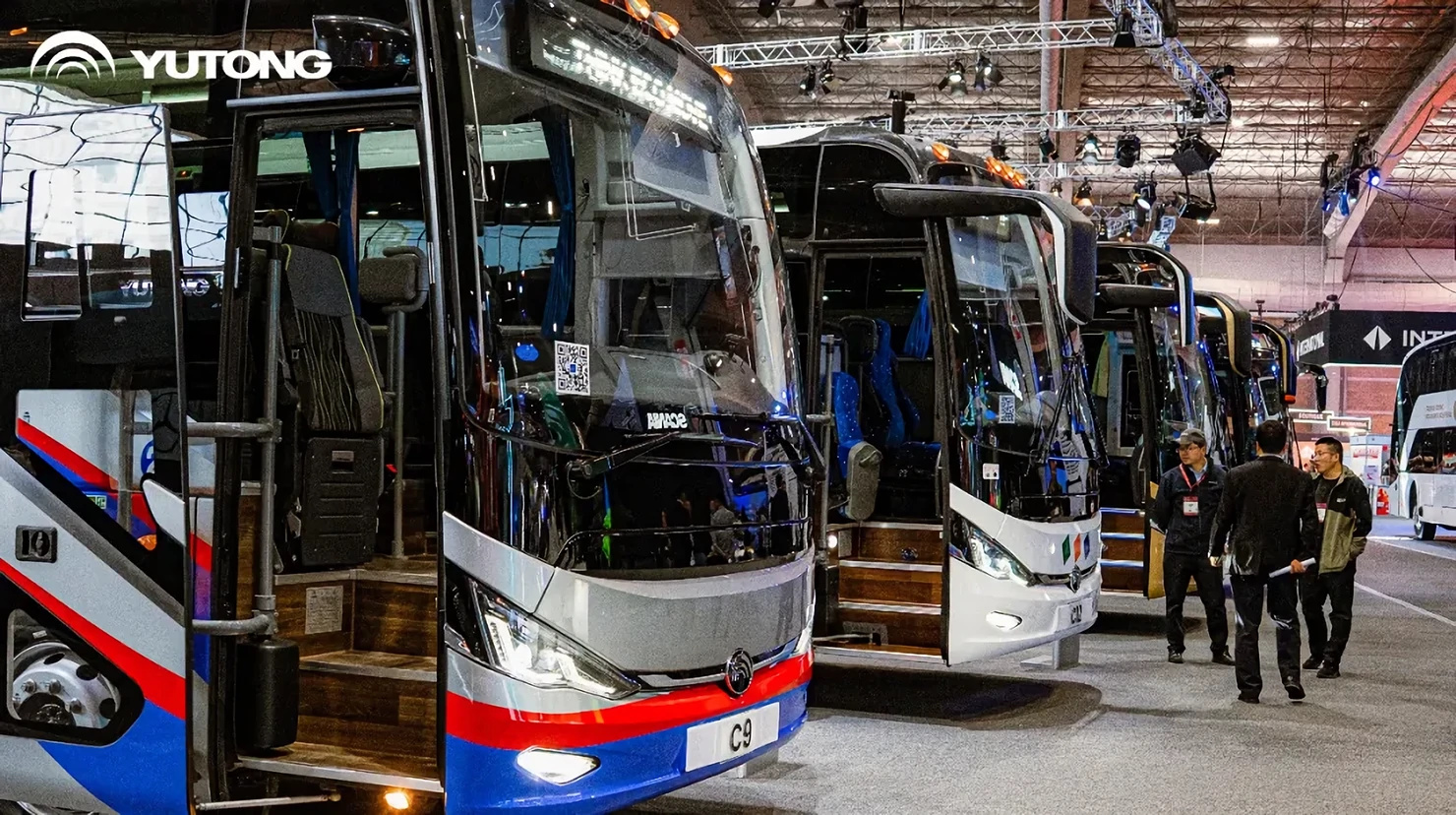
China expands presence in Mexico with electric buses of up to 530 km range and strengthens one of the largest mobility partnerships in Latin America.
In 2026, during the EXPO Forum 2026, held from March 4 to 6 in Mexico City and described by organizers and participating companies as one of the main meetings in the passenger transport sector in the country, the Chinese manufacturer Yutong presented for the first time in the Mexican market its complete road portfolio available locally, consolidating a strategic advance in Latin America. According to an official statement from the company itself, the presentation featured the C9, C11, and C12 Euro VI diesel models alongside the C11E electric model, marking what Yutong defined as its first complete solution for road passengers displayed on Mexican soil.
According to Yutong itself, the highlight of the presentation was the C11E electric bus, with a range of up to 530 kilometers in the C-WTVC cycle, one of the largest ranges announced for this segment in the context presented by the brand. The company also reported that it has already delivered nearly 2,000 vehicles to Mexico since 2018, indicating that the partnership with the Mexican market is not only recent but has been expanded in recent years with support from a national network of services and parts.
What changes in 2026 is the scale of positioning. In practice, the presence with a complete portfolio suggests a transition in Yutong’s role from a one-time supplier to a broader participant in the technological renewal of passenger transport in Mexico, focusing on electrification, operational efficiency, and adaptation to local operating conditions. This interpretation is consistent with how the company itself and industry coverage presented the event.
-
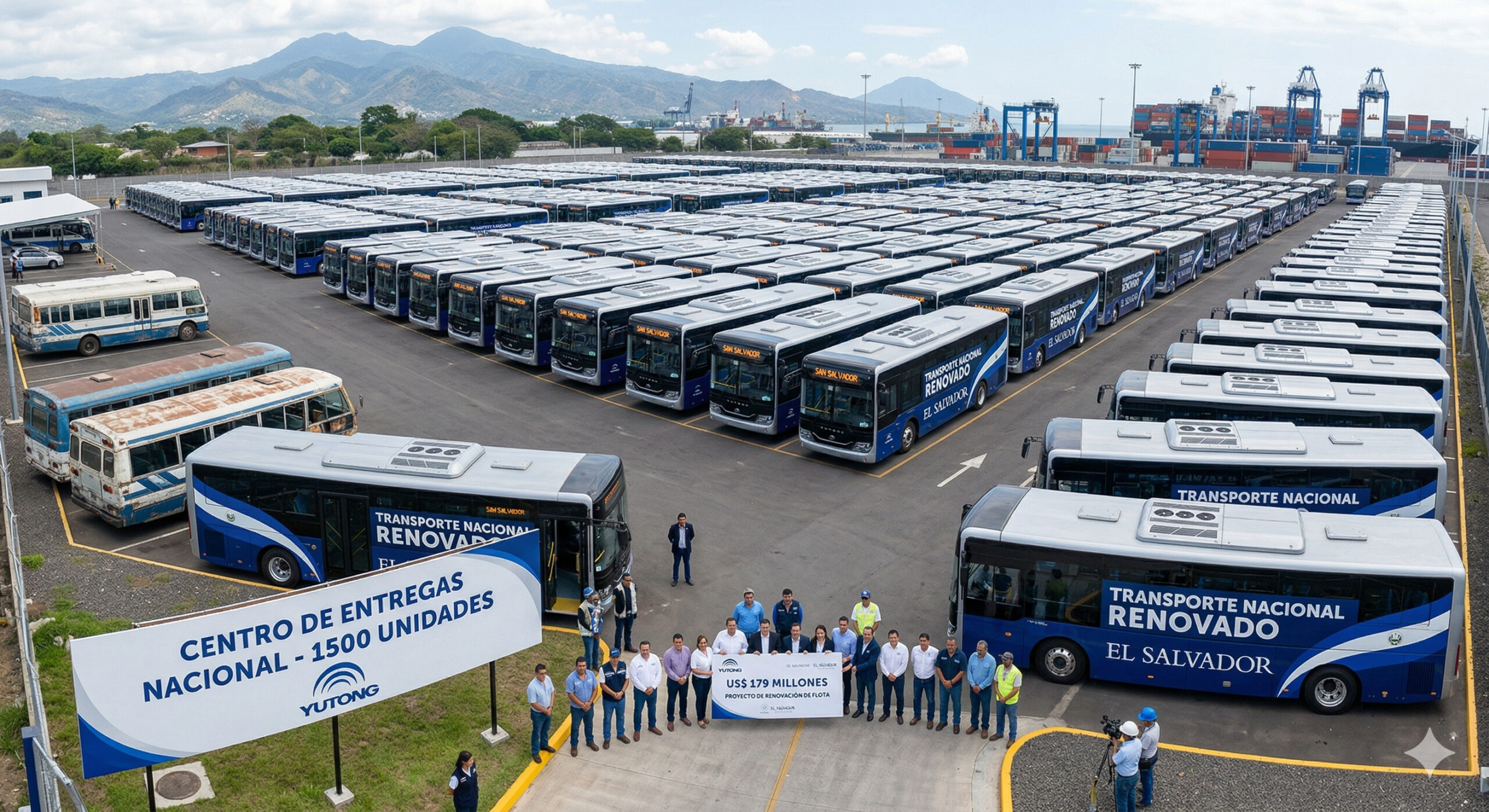
With 1,500 new buses financed by an international agreement, El Salvador is preparing the largest renewal in the history of its public transportation, a plan of $179 million with vehicles from the Chinese company Yutong that could replace practically the entire fleet of the country.
-
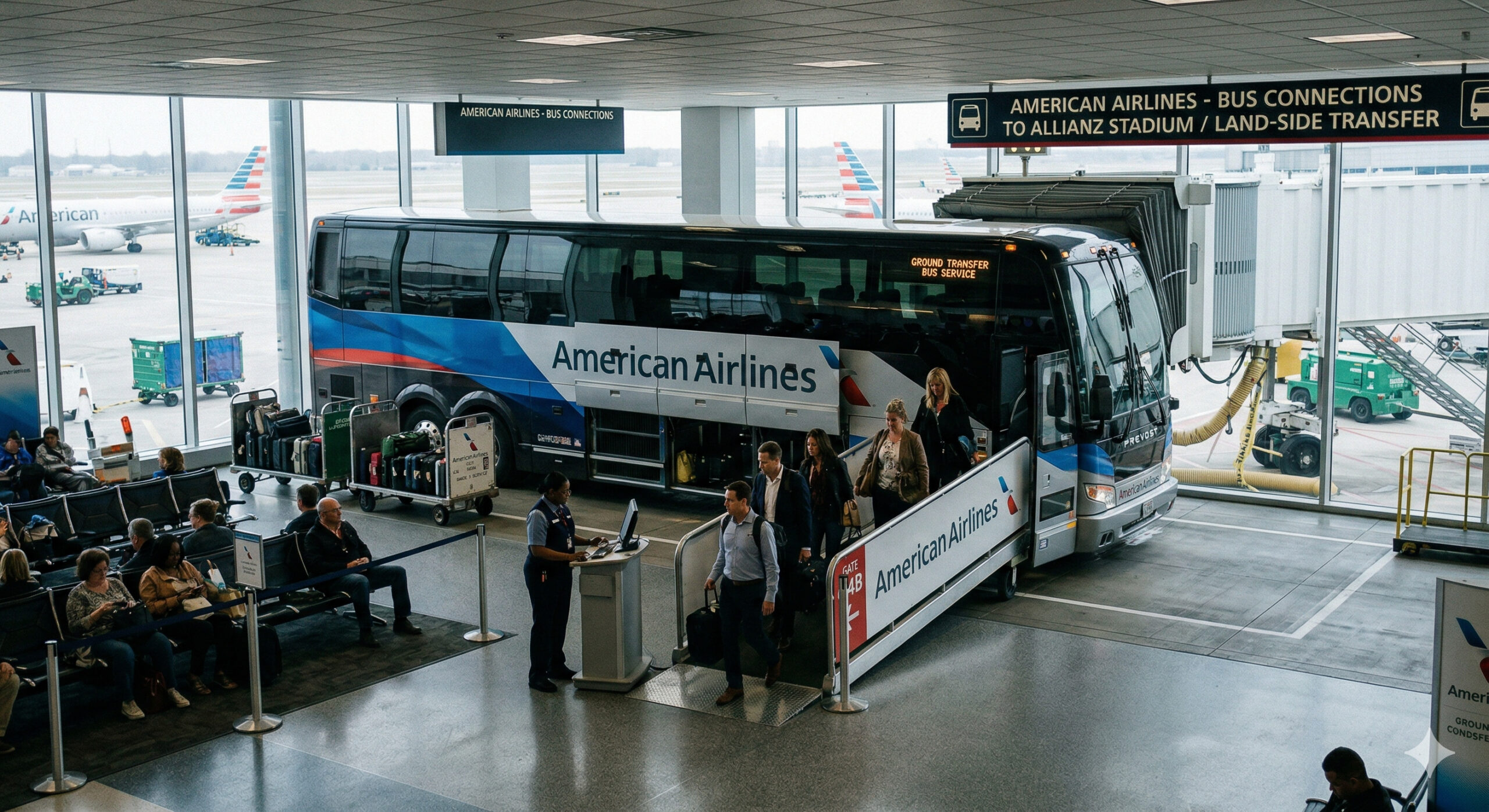
American Airlines starts selling trips as if they were flights, with check-in and baggage check at the airport, but on short routes, passengers board luxury buses connecting cities to major hubs in the U.S.
-
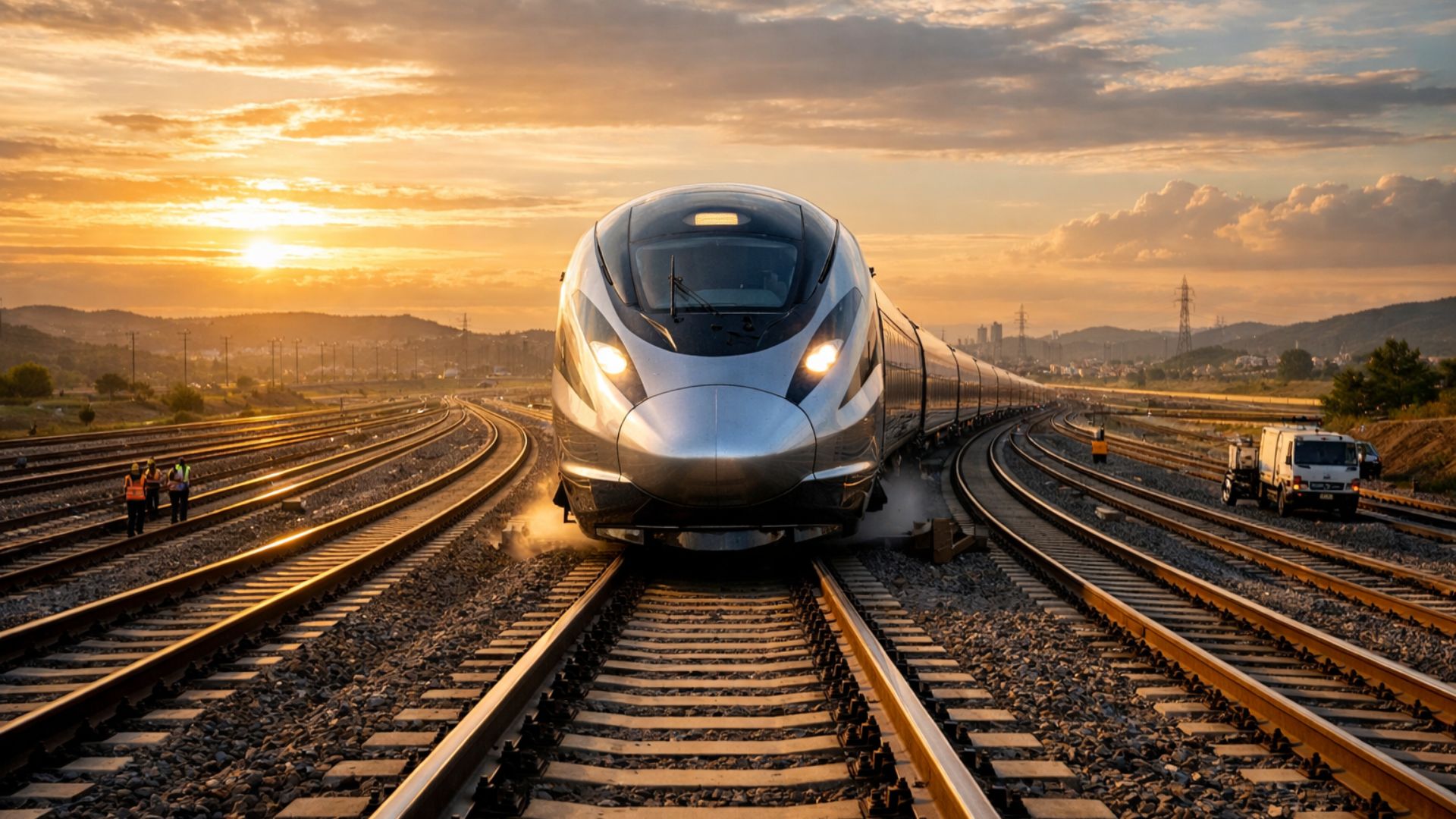
São Paulo surprises the world with a colossal railway network project that promises over 1,000 km of tracks, R$ 194 billion in investments, and 40 projects connecting the capital to the interior with fast and sustainable trains.
-
The world’s largest escalator, measuring 905 meters in China, reduces urban travel time from 1 hour to about 20 minutes and transforms mobility in mountainous regions with an engineering solution adapted to the terrain.

Electric bus with 530 km range repositions urban mobility in Mexico
The most relevant technical data presented by Yutong is the range of up to 530 km, which places the model in a category capable of serving complete journeys without the need for intermediate recharging.
This level of range is considered strategic for Latin American cities, where charging infrastructure is still expanding. With greater autonomy, operators can reduce dependence on stations along the route and increase operational efficiency.

The ability to operate an entire day on a single charge changes the operational logic of urban fleets, allowing for more flexible planning and reduction of indirect costs.
Moreover, electrification reduces local emissions and decreases dependence on fossil fuels, one of the main environmental challenges facing large Mexican cities.
EXPO Forum 2026 marks a turning point in Chinese presence in Mexican transport
Yutong’s participation in EXPO Forum 2026 was not just a product showcase. The event served as a turning point in the company’s strategy in the country.
By presenting a complete line — including urban, road, and electric vehicles — the manufacturer signals its intention to serve different segments of Mexican transport, expanding its operations beyond specific niches.
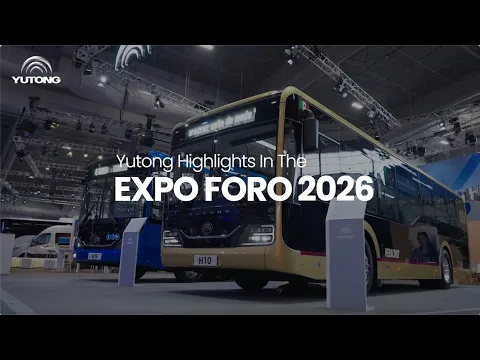

This change in scale indicates that China is now directly competing for fleet renewal at the national level, in a market considered one of the most important in Latin America.
Mexico has one of the largest public transport networks in the region, with a strong need for modernization, which opens up opportunities for suppliers with competitive technology and large delivery capacity.
Partnership between China and Mexico strengthens since 2018 with continuous deliveries
Although the movement in 2026 draws attention due to its impact, Yutong’s presence in Mexico did not start now. Since 2018, the company has delivered approximately 2,000 vehicles to the country, creating a relevant operational base.
These previous deliveries allowed for technology testing, vehicle adaptation to local conditions, and relationship building with operators and authorities. The current advancement relies on this foundation built over the years, which reduces risks and accelerates the adoption of new models.
The continuity of deliveries also indicates confidence in the Mexican market in Chinese technology, especially in the electric bus segment.
China’s expansion in Latin America goes beyond transport
The movement in Mexico is part of a broader strategy by China in Latin America, which involves infrastructure, energy, mining, and technology.
In recent years, Chinese companies have increased investments in the region, seeking access to markets, natural resources, and growth opportunities in strategic sectors.
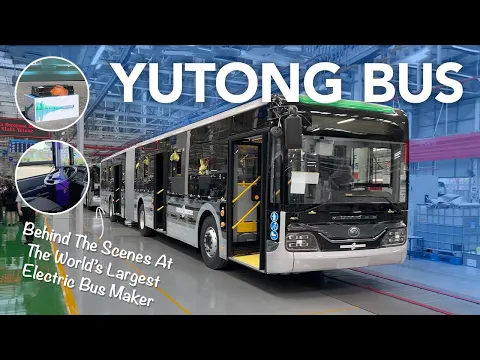
In the case of transport, electrification emerges as a central vector. China leads globally in the production of electric vehicles and uses this advantage to expand its international presence, offering complete solutions that include vehicles, batteries, and operational technology.
This integrated approach increases the competitiveness of Chinese companies against traditional competitors.
Electrification of transport gains strength in Mexican cities
Mexico faces significant challenges related to urban pollution and public transport efficiency. Large cities like Mexico City, Guadalajara, and Monterrey deal with high levels of emissions and the need for fleet modernization.
In this context, the introduction of electric buses with greater autonomy can accelerate the transition to more sustainable models. The combination of emission reduction, lower operational costs, and greater energy efficiency makes electrification an increasingly viable alternative, especially in high-demand corridors.
The presence of manufacturers like Yutong expands the options available to operators and governments, increasing market competitiveness.
Chinese technology gains space in one of the most strategic markets in the region
Mexico is considered a key market in Latin America for various factors, including population size, volume of passengers transported, and strategic geographic position. Yutong’s expansion in the country represents an important advance for China, which is consolidating its presence in one of the largest transport systems in the region.
The ability to offer vehicles with high autonomy and complete solutions places Chinese technology in a prominent position, especially at a time of global energy transition.
Moreover, the experience gained in Mexico can serve as a reference for expansion into other Latin American countries.
Partnership can redefine the future of mobility in Latin America
The advancement of China in Mexico is not limited to a commercial relationship. It represents a model of partnership that can be replicated in other countries in the region. By providing vehicles, technology, and operational support, Chinese companies begin to directly influence how public transport is structured.
This type of partnership can accelerate the modernization of urban mobility in Latin America, while also expanding Chinese presence in strategic sectors. The impact of this movement should be observed not only in the short term but also in the gradual transformation of cities and transport systems.
Leave your opinion in the comments and tell us if this partnership with Mexico can influence other countries in the region.







Seja o primeiro a reagir!