





 English
  Francês
  Alemão
  Italiano
  Japonês
  Norueguês
  Portuguese
  Spanish
  3 min of reading


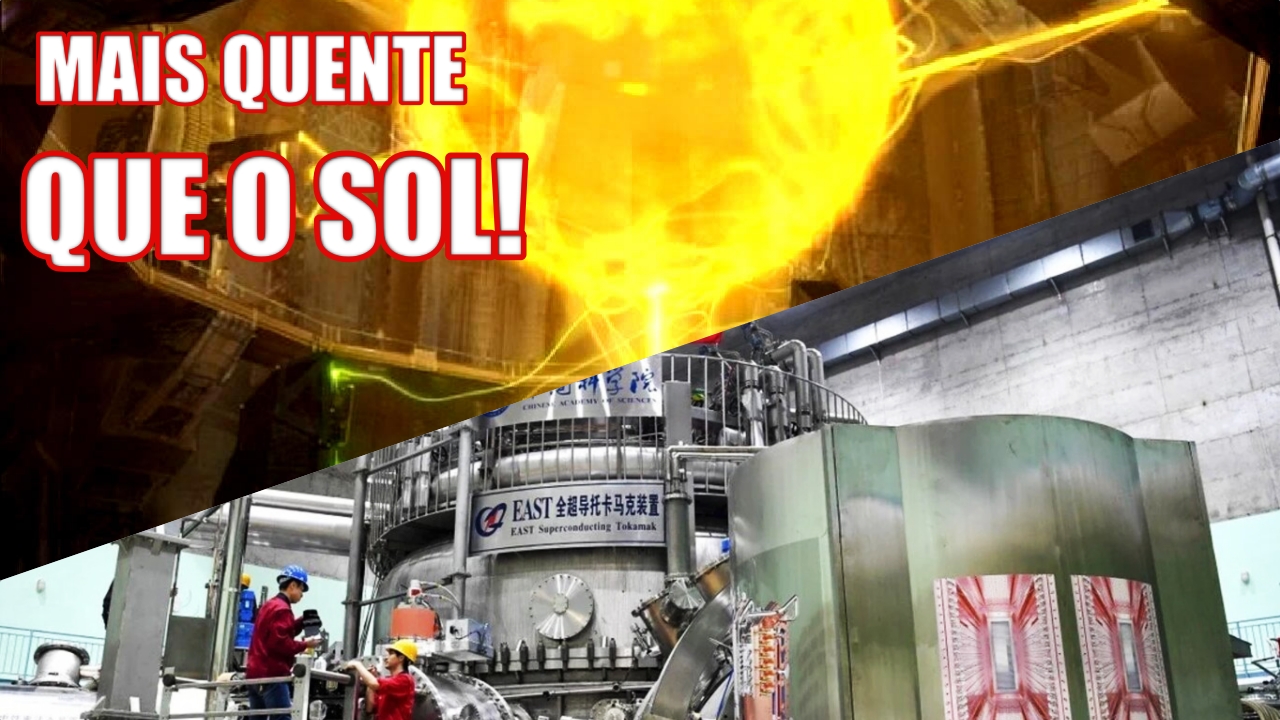
China Breaks Record in Nuclear Fusion by Generating, Sustaining, and Confined a Superheated Fusion Plasma for 403 Seconds
Last Wednesday (12), the Institute of Plasma Physics of the Chinese Academy of Sciences in Hefei set a new record in nuclear fusion by generating, sustaining, and confining a superheated fusion plasma for 403 seconds. China’s Experimental Advanced Superconducting Tokamak (EAST), also called the Artificial Sun, broke the previous record of 101 seconds, set in 2017.
Nuclear fusion is considered a cleaner and safer alternative to nuclear fission and can be used as an energy source. Nuclear fusion does not create radioactive waste and produces three to four times more energy than nuclear fission.
Watch the Video Below and Check Out the Artificial Sun That Promises to Revolutionize Industry and Combat Climate Change on Earth


Superconducting Magnets to Control the Plasma
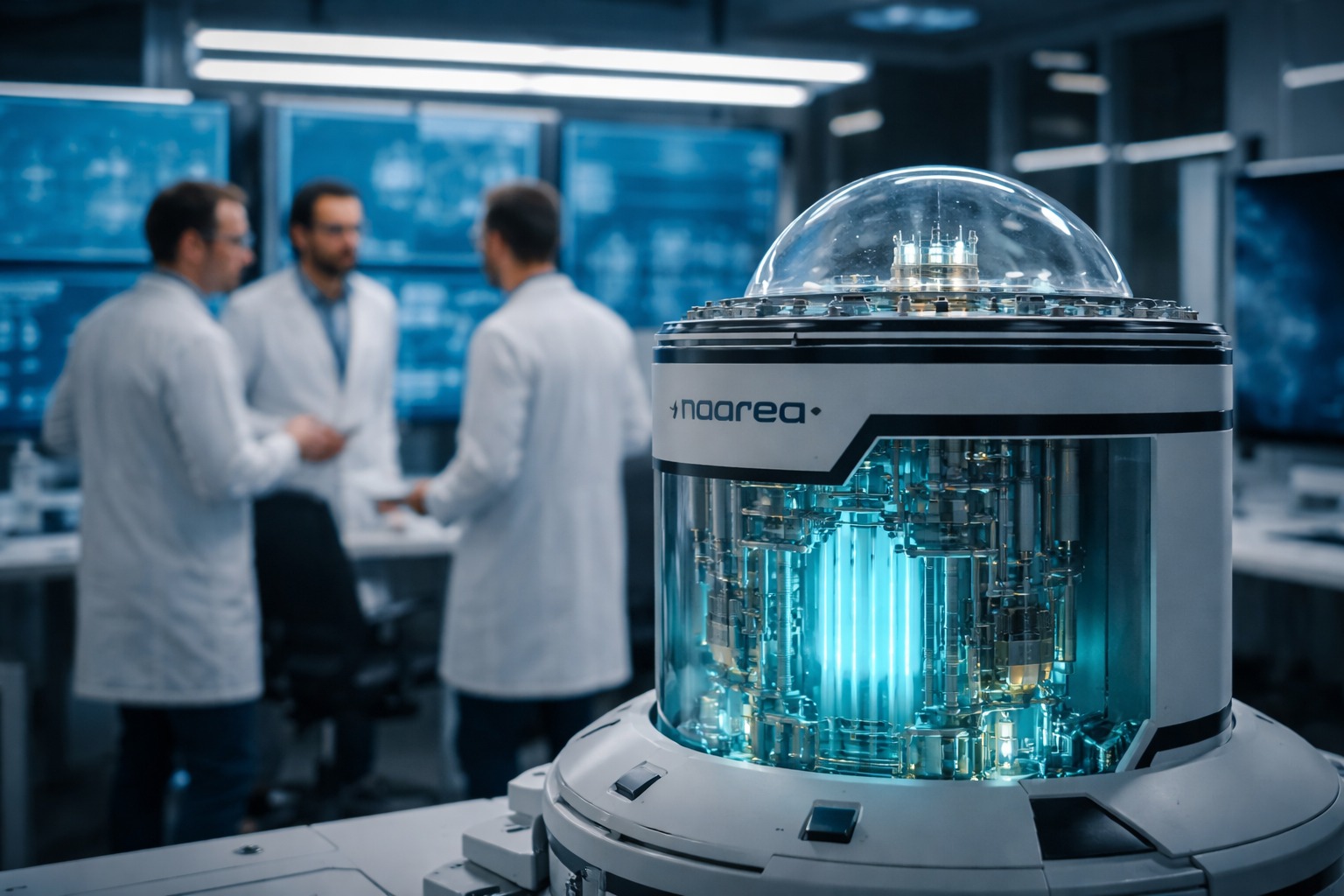
The tokamak is a donut-shaped machine that uses powerful magnets to contain a circular flow of superheated plasma. Plasma is created when atoms are heated to such high temperatures that they become torn apart, resulting in a “soup” of electrons and positively and negatively charged ions. To maintain these superheated temperatures, the plasma must be confined to a small area, which is accomplished by magnets. The necessary field to control the plasma is generated by passing enormous currents through large conductors. The use of superconducting magnets allows EAST to reach and maintain high temperatures efficiently, as they produce zero resistance and no residual heat under the right conditions.
-
Fukushima Marks A Turning Point In Japan’s Energy Policy: After The Disaster, The Country Shut Down Its 54 Nuclear Reactors And, 15 Years Later, Only A Small Portion Have Returned To Operation
-
How Japan Overcame The Nuclear Bomb And Now Houses Millions In Hiroshima, While Ukraine Lost Chernobyl?

-
Bill Gates Receives Historic Approval to Build Giant 345 MW Nuclear Plant in the U.S. and Promises to Generate Up to 500 MW of Energy with Innovative Technology
-
India Opens Nuclear Energy to Private Capital to Accelerate Projects and Attract Billions, While Brazil Remains Stalled at Angra 3 and Discusses Who Will Foot the Bill for Completion

Contribution of the Artificial Sun to International Collaboration
The Artificial Sun of China has contributed to a 35-year collaboration between the country, the European Union, India, Japan, South Korea, Russia, the United Kingdom, and the USA to develop and optimize the world’s largest tokamak, called ITER. Currently under construction in France, ITER is expected to produce its first plasma by the end of 2025 and be fully operational by 2035. The international collaboration aims to build an experimental nuclear fusion reactor capable of producing energy sustainably and safely.
The total project cost of ITER is estimated at around €20 billion, making it one of the most expensive scientific projects ever undertaken. However, fusion energy advocates argue that the investment is worthwhile, as fusion energy has the potential to be a clean and abundant energy source for future generations.
Nuclear Fusion in China Does Not Create Radioactive Waste and Produces Three to Four Times More Energy Than Nuclear Fission.
Nuclear fusion is considered a cleaner and safer alternative to nuclear fission and fossil fuels. Fusion does not create radioactive waste and produces three to four times more energy than nuclear fission. Furthermore, fusion does not release carbon dioxide into the atmosphere, unlike the burning of fossil fuels. However, fusion requires large amounts of energy to reach the necessary temperature and pressure for the reaction. The international collaboration seeks to overcome these challenges to make nuclear fusion a viable and sustainable energy source.





Seja o primeiro a reagir!