





 Portuguese
  English
  Spanish
  3 min of reading
  0 comments


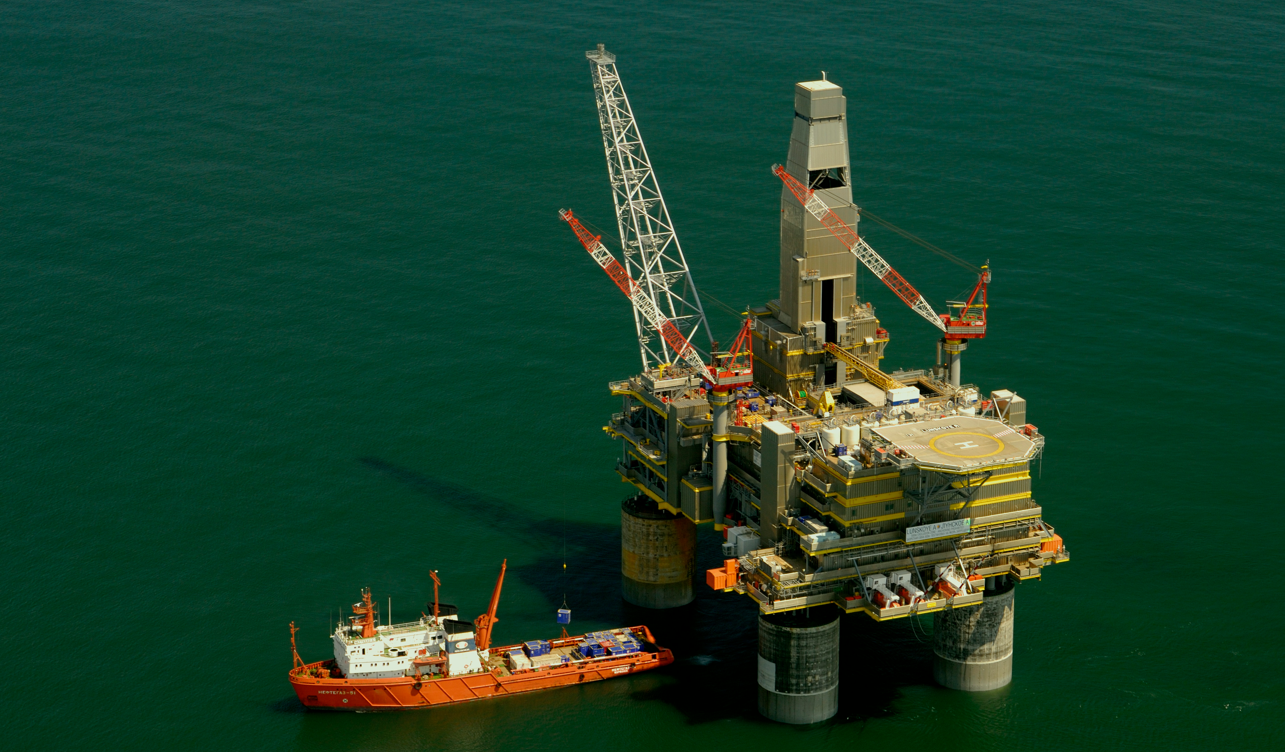
China Announced The Discovery Of A Giant Offshore Oil Reserve With An Estimated 110 Million Tons. The Find Was Celebrated As An “Energy Victory,” With Potential To Reduce Import Dependence And Strengthen The Country’s Strategic Role In The Global Scenario.
China Announced A Discovery That Could Change The Course Of Oil Exploration In Deep Waters. The China National Offshore Oil Corporation (CNOOC) Revealed The Existence Of A Huge Oil Field In The Eastern South China Sea. The Oil Reserve Could Reach 110 Million Tons.
Discovery In Deep Waters
The Huizhou 19-6 Field Is Located About 170 Kilometers Off The Coast Of Shenzhen, In Guangdong Province.
The Average Depth Of The Water In The Area Is 100 Meters. What Draws Attention, However, Is Where The Oil Is: In Deep And Ultra-Deep Layers, Which Require Advanced Technology And Significant Investment.
-
Lula reveals a masterstroke by Petrobras to undo a deal made by Bolsonaro, which involves the return of an important refinery that currently produces less than half of what was expected and makes Brazil dependent on international diesel.
-
A study confirms that the natural gas sector will reduce greenhouse gas emissions in Brazil by 0.5% and accelerate the energy transition by 2026.

-
Petrobras implements a severe adjustment and confirms a 55% increase in the price of aviation kerosene with a proposal for installment payments for the companies.

-
The rise in oil prices could ensure an extra revenue of R$ 100 billion for the Federal Government, indicates a recent economic study.


According To CNOOC Itself, This Is The First Large-Scale Integrated Clastic Field Discovered In China Under Such Conditions.
Clastic Rocks Are Difficult To Drill Due To Their Low Permeability. This Complicates The Extraction Process Even Further.
Production Potential And Challenges
The First Tests In The Huizhou 19-6 Field Were Encouraging. The Estimate Is 413 Barrels Of Oil Per Day And 68 Thousand Cubic Meters Of Natural Gas.
These Numbers Reflect The Size Of The Energy Potential Hidden In These Deeper Layers.
Still, CNOOC Acknowledges That The Obstacles Are Significant. High Temperatures, Intense Pressure, And Complex Geological Formations Make The Task Risky And Expensive. Drilling In Such Environments Requires Robust Equipment And Extensive Technical Planning.
Technology Advances, But Does Not Solve Everything
During The “13th Five-Year Plan,” China Developed Specific Tools For This Type Of Exploration.
An Example Is Vertical Drilling Instruments. This Helped The Country Surpass The United States In The Number Of Ultra-Deep Wells. Today, China Already Has Drilling Operations Reaching 8 Thousand Meters.
However, Despite These Advances, Exploration Continues To Face Limits. Geological Challenges Still Prevent Immediate Large-Scale Production.
The Path To Make Exploration Viable Involves More Research And Development Of New Solutions.
The Future Of Energy
CNOOC Estimates That Up To 60% Of The Remaining Oil And Gas Reserves On The Planet Are In Deep Or Ultra-Deep Layers. In Other Words, The Future Of The Industry Lies In Such Environments.
The Discovery At Huizhou 19-6 Could Be A Milestone. It Is Still Early To Say When Large-Scale Production Will Begin, But The Direction Is Clear.
Investment In Technology And The Geological Knowledge Accumulated In Recent Years Should Drive New Projects.
The Main Focus Now Is To Ensure That This Extraction Is Done Safely And With The Least Possible Environmental Impact. Companies Will Have To Balance Production And Responsibility, Which Remains A Constant Challenge In The Energy Industry.
China, With This New Reserve, Takes Another Step To Strengthen Its Position In The Global Oil Market.









Seja o primeiro a reagir!