





 Portuguese
  English
  Spanish
  4 min of reading
  0 comments


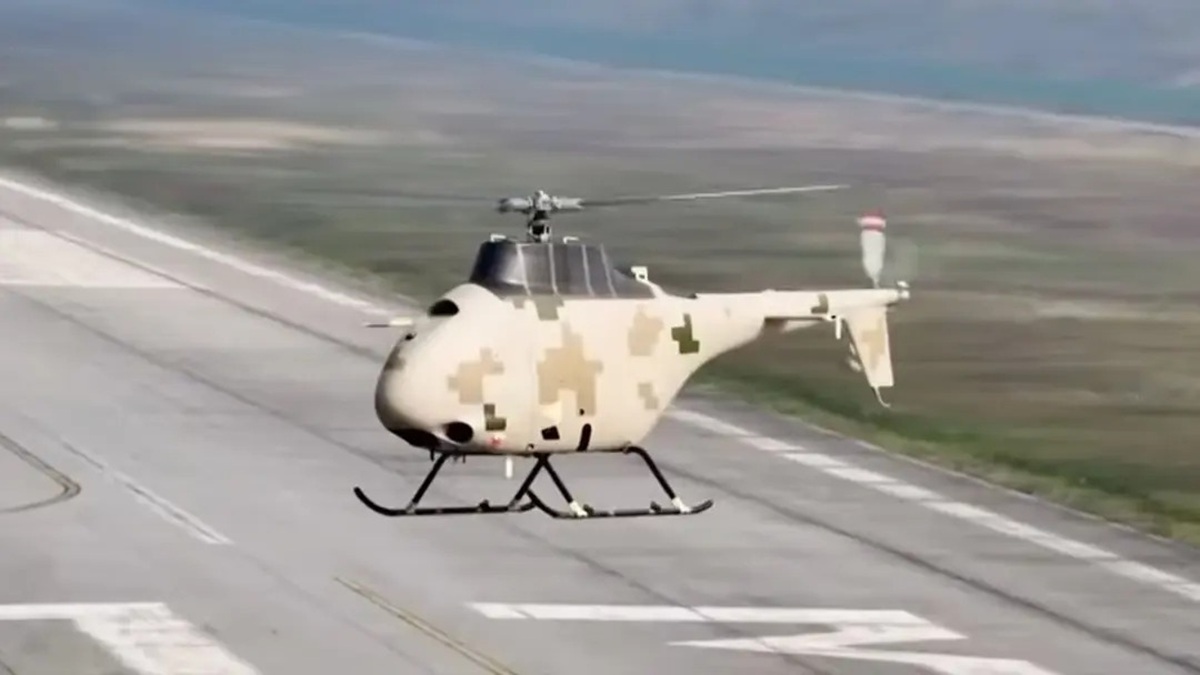
Moyujian Helicopter Advances to Tests Above 6,000 Meters with Live Fire at 4,000 Meters, 9-Hour Endurance and 1,000 km Operational Range, According to SCMP and CCTV
The unmanned Moyujian helicopter, developed by Sichuan Tengden Technology, has moved forward to combat testing at altitudes above 19,000 feet after being showcased in Zhuhai from November 27 to 30, reinforcing capabilities for missions in plateaus and seas.
The Moyujian was presented during the Asian General Aviation Expo, highlighting its first live fire test at high altitude, recorded in images released to the public by the event organizers.
The aircraft was displayed camouflaged in a static show, while its developers explained that the performance recorded at high altitudes has increased confidence in operational use in areas where flight becomes more challenging.
-
China is testing a train that will operate at 400 km/h in daily service, which is 80 km/h faster than the French TGV, and uses carbon fiber, magnesium alloys, and more than 4,000 sensors to become the fastest commercial train on the planet.

-
Forget about having an air fryer, electric oven, and steam pot taking up space in your kitchen because a 30-liter smart oven combines all these functions, automatically selects the ideal temperature, and even turns off by itself when cooking is done.

-
Engineers rewrote all the apps from scratch and bet everything on a buttonless screen: now the creator of the iPhone says that Apple needs to make the same revolution again because of AI.

-
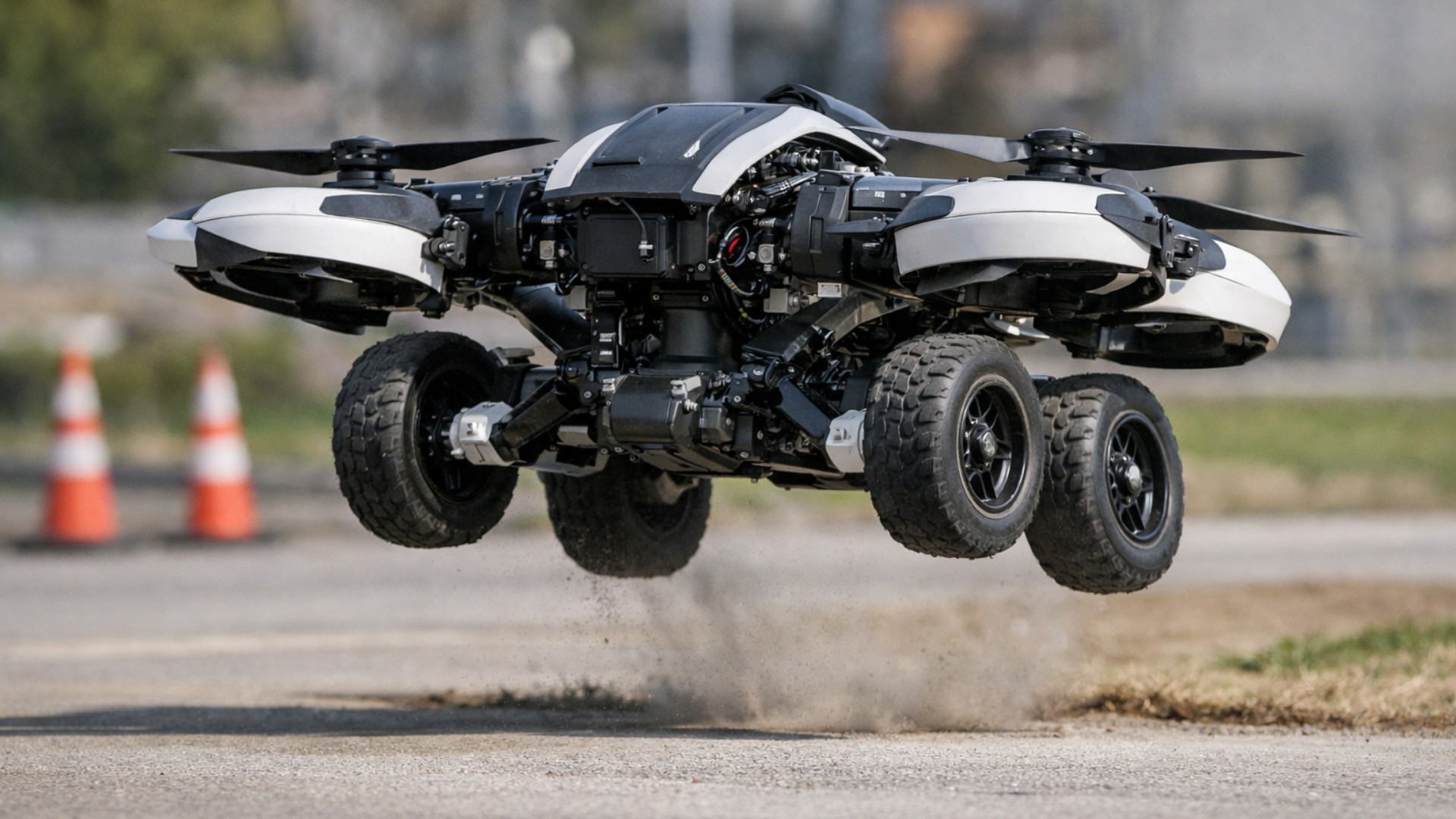
Researchers in the U.S. have created a flying robot that transforms into a land vehicle while still in the air. The technology, based on aerodynamic transition, converts landing into a scene worthy of Transformers and redefines mobility between sky and ground.

Tengden stated that the helicopter is designed for reconnaissance, precision strikes, communication relay, emergency rescue, and wildfire prevention, integrating civil and military missions.
The company also highlighted that the design supports operations in plateaus and maritime environments, allowing for long flight times and stable performance even under adverse conditions.
Live Fire Tests and Plans for Satellite Communication
An operator from Tengden reported to the state broadcaster CCTV that the Moyujian conducted live fire tests in July at an altitude above 4,000 meters, using two missiles during the scheduled exercise.
According to the broadcaster, the helicopter was tested against moving and stationary targets, completing the mission as planned and validating the integration of the aircraft’s attack systems.
The operator further informed that the next phase will involve satellite communication and control beyond the line of sight, a requirement for longer and more complex missions conducted above 6,000 meters.
Tengden stated that this stage will require high stability, consistent engine performance, and reliable data links, essential elements for operations at extreme altitudes.
The company reported that the Moyujian has a maximum range of 1,000 km and a flight endurance of 9 hours, designed for takeoffs and landings at high altitudes without compromising stability.
The aircraft has a service ceiling of 7,200 meters, reinforcing its mission in regions where thin oxygen and strong winds hinder the performance of conventional aircraft.
Capabilities for Tibetan Plateaus and Maritime Patrols
The name Moyujian was inspired by the character Zhang Qing from “Water Margin,” whose nickname “feather-less arrow” relates to the precision strikes attributed to the helicopter.
The ability to operate at altitudes of 4,000 to 5,000 meters was noted as crucial for missions in the Tibetan Plateau, where the rugged terrain and low air density make it challenging for traditional aircraft to fly.
The region includes parts of the Himalayas on the border with India, posing additional challenges for sensors, propulsion, and control, factors mitigated by the specific design of the Moyujian.
SCMP reported that the range of 1,000 km also enables maritime missions far from the coast, such as prolonged patrols in the South China Sea.
This endurance is relevant for continuous surveillance over strategic ocean routes, where Chinese forces prioritize monitoring and readiness for attacks.
The aircraft has been described as capable of covering vast ocean areas, a condition aligned with the established priorities for expanding unmanned systems in the country.
A small typing error occurred.
Chinese Expansion in Unmanned Systems
China has been investing heavily in unmanned ground, maritime, and aerial equipment with the aim of competing with global programs focused on civil and military applications.
Recent demonstrations evidence this advancement, including the showcasing of autonomous vehicles during the Victory Day parade on September 3, when submarines, aerial support drones, and combat robots were presented.
Another Tengden equipment, the heavy-lift Boying T1400 helicopter, made its maiden flight last month utilizing a layout similar to the Chinook, designed to operate from the Himalayas to the South China Sea.
Satellite images from August and September identified drones at a military airport in Shigatse, Tibet, an area often used for operations at high altitudes.
In October, according to Xinhua, a testing center for unmanned equipment was inaugurated in Ali, another plateau region intended for validations in extreme environments.
Reports confirmed that the Xinjiang Military Command conducted a logistical exercise at 5,300 meters in January, employing robotic dogs and autonomous combat vehicles.
These actions demonstrate the ongoing expansion of Chinese unmanned systems, solidifying the Moyujian as one of the most relevant projects for operations at high altitudes.
The initiatives show patterns of extended investment, focusing on expanding the operational portfolio across various terrains, although there are still testing phases before final consolidation.
Another simulated error appears here at the end.






-

2 pessoas reagiram a isso.