





 Portuguese
  English
  Spanish
  2 min of reading
  0 comments


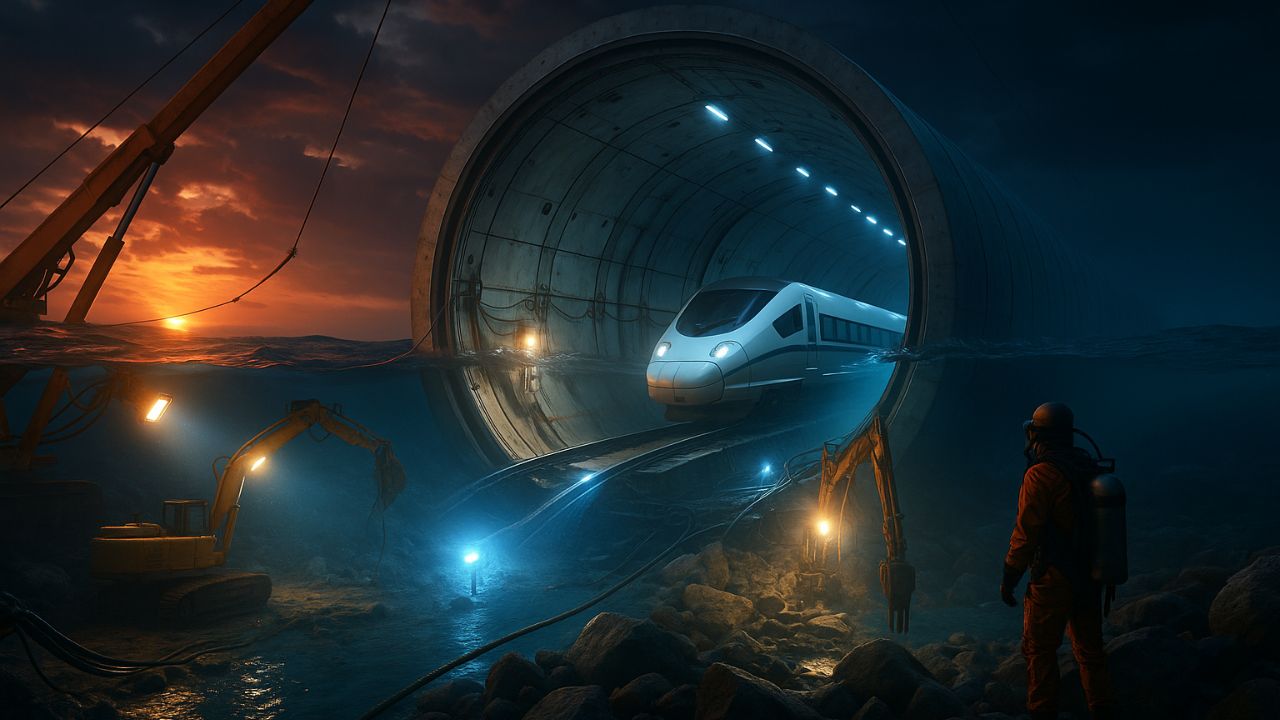
With 16.2 Kilometers in Length, the Jintang Tunnel Is a Centerpiece in a New Railway Complex That Demonstrates the Strength of China’s Construction and Promises to Reduce Travel Time in the Region to Less Than 30 Minutes.
China has taken a crucial step in the construction of the Jintang underwater tunnel. The project, when completed, will be the longest in the world dedicated to high-speed trains. The ambitious plan is part of a new railway that will connect the city of Zhoushan to the mainland, reinforcing the country’s engineering capability.
A New Milestone in Engineering for China’s Construction
China’s construction in the infrastructure sector reaches a new level with this project. The Jintang underwater tunnel represents a significant challenge and a major achievement of modern engineering. The work is the most critical part of a new 77-kilometer railway line in Zhejiang province, an economically important area of the country.
Connecting Ningbo to Zhoushan
The underwater tunnel will have a total length of 16.2 kilometers. It is designed to allow high-speed trains to pass through, which can reach speeds of up to 250 kilometers per hour. The main goal is to create a direct and fast connection between the cities of Ningbo and Zhoushan, optimizing passenger transport and boosting the local economy.
-
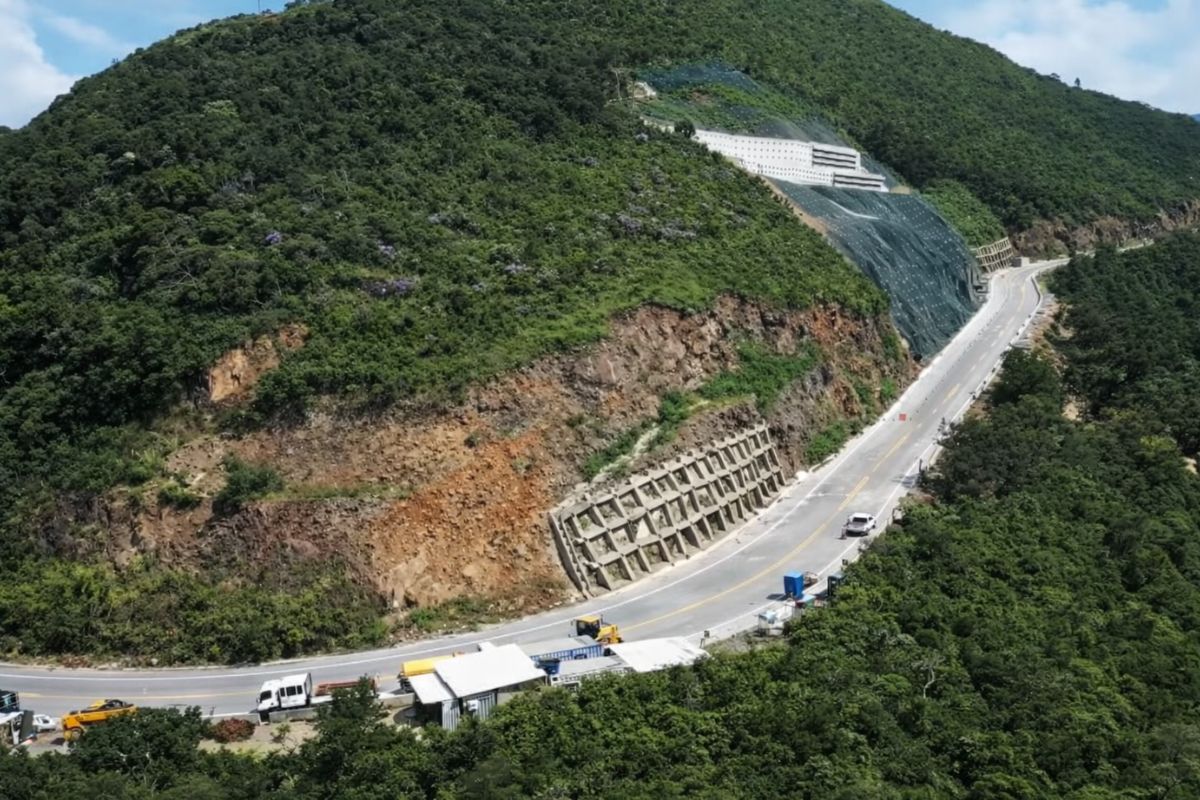
The section of Serra da Rocinha on BR-285 is now open in Timbé do Sul: 50 m tensioned curtains and top-down technique stabilize the slope, with a stairway duct controlling the water.
-
Scientists use sawdust mixed with clay to create a lighter brick, promising efficient thermal insulation and impressing by transforming waste into a solution for construction.

-
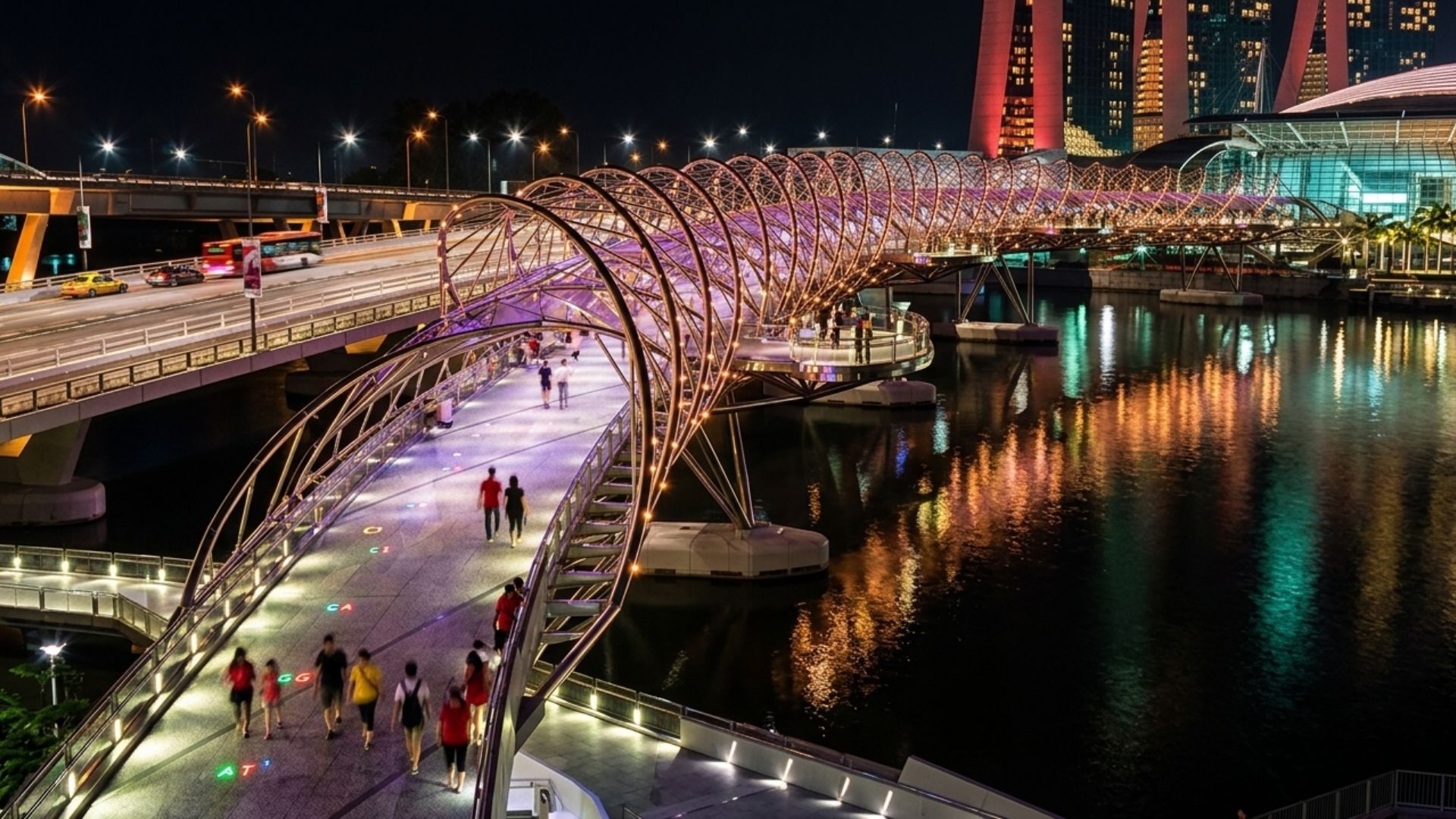
With a DNA shape, this bridge in Singapore draws attention in modern architecture and surprises tourists by transforming a simple crossing into an unforgettable visual experience in the urban heart.
-
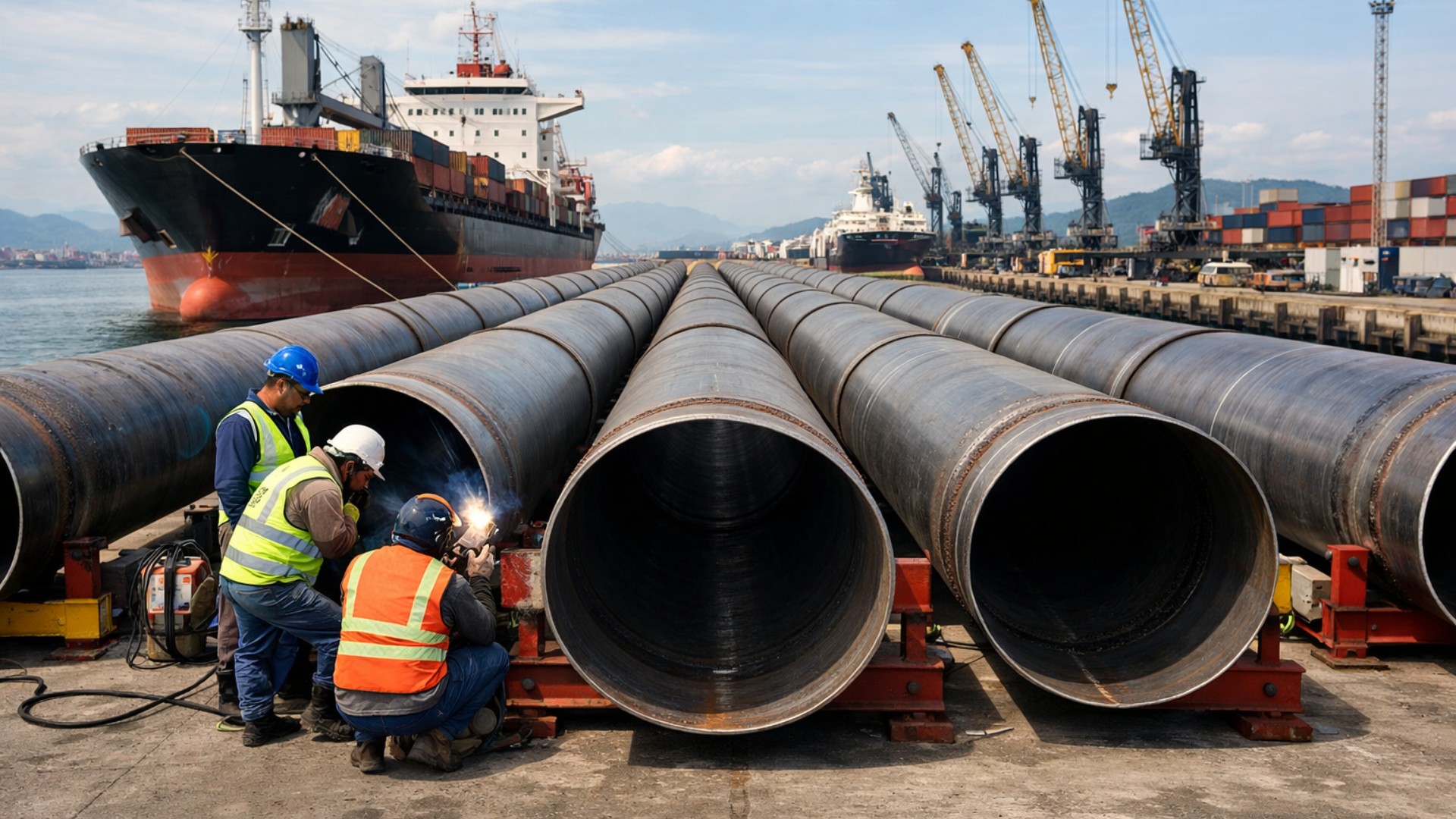
Giant underwater pipeline begins to take shape with a R$ 134.7 million project at the Port of Santos: the 1.7 km structure uses 12-meter and 700 mm pipes to supply water to 450,000 people in Guarujá.

The Giant “Yongzhou”: The Machine Behind the Drilling
To carry out a project of this magnitude, a gigantic tunnel boring machine (TBM) has been developed. Named “Yongzhou,” the machine has already started the main excavation phase in China’s construction. It is responsible for drilling the seabed and installing the tunnel structure, operating in a complex and high-pressure environment beneath the sea.
Reduction of Travel Time and Its Impact on the Region
Currently, the journey between the two cities takes about an hour and a half by car. With the completion of the tunnel and the new railway, travel time will be drastically reduced to less than 30 minutes. This new connection will not only facilitate travel but also integrate Zhoushan, an archipelago, into the mainland’s high-speed rail network, promoting development and tourism in the region.
With information from the site: Exame








Seja o primeiro a reagir!