





 Portuguese
  English
  Spanish
  6 min of reading
  0 comments


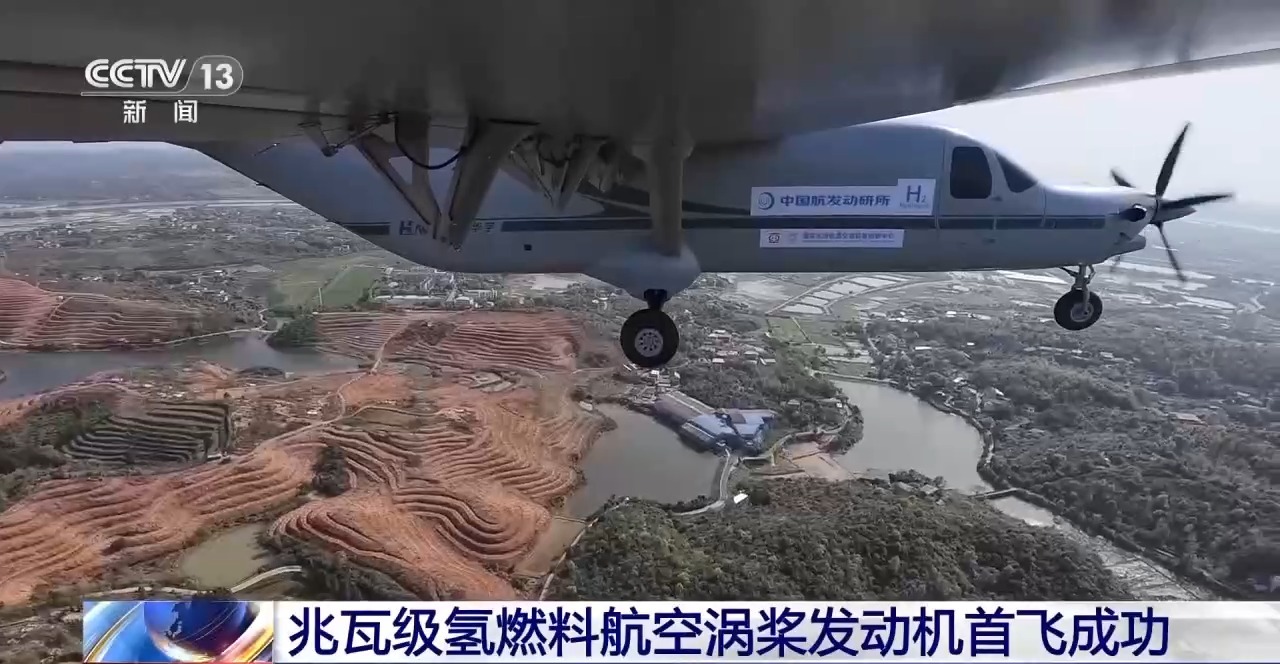
China conducts unprecedented flight with hydrogen engine of over 1 MW and sets aviation on a transition path to clean energy.
In April 2026, the Chinese state-owned company Aero Engine Corporation of China (AECC) achieved a technological milestone that repositions the global race for more sustainable aviation. According to information released by official Chinese outlets such as China Daily and Xinhua, the country executed the world’s first flight with a hydrogen-powered aircraft engine in the megawatt class, a power level considered sufficient for real applications in aviation.
The test was conducted with a 7.5-ton unmanned cargo aircraft, equipped with the experimental engine AEP100 developed by AECC. During the flight, the system reached about 220 km/h, covered 36 kilometers, and maintained stable operation for 16 minutes, flying at approximately 300 meters altitude before safely returning.
This type of test is not just a technological demonstration. According to the official Chinese coverage itself, it represents the transition from a stage of technological development to a phase of engineering application in a real environment, something that historically marks the beginning of structural changes in complex industrial sectors like aviation.
-
The Federal District bets on innovation and sustainability by launching a hydrogen-powered bus on a new tourist route, promising to reduce emissions and transform the urban experience for residents and visitors.

-
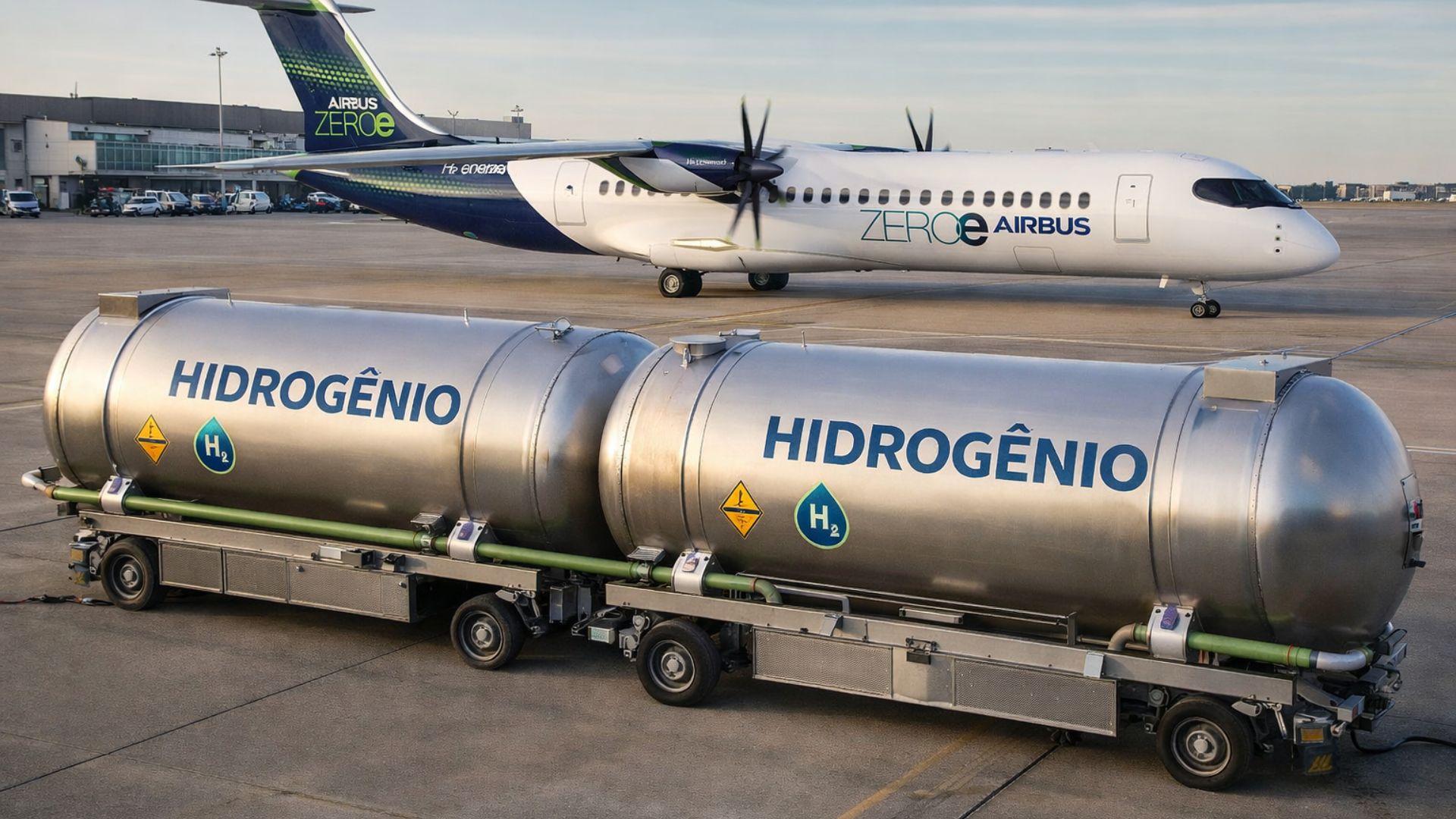
Hydrogen gains strength in aviation with Airbus and its fuel cell aircraft, potentially paving the way for sustainable flights, reduced environmental impact, and a new energy era in global air transport.
-
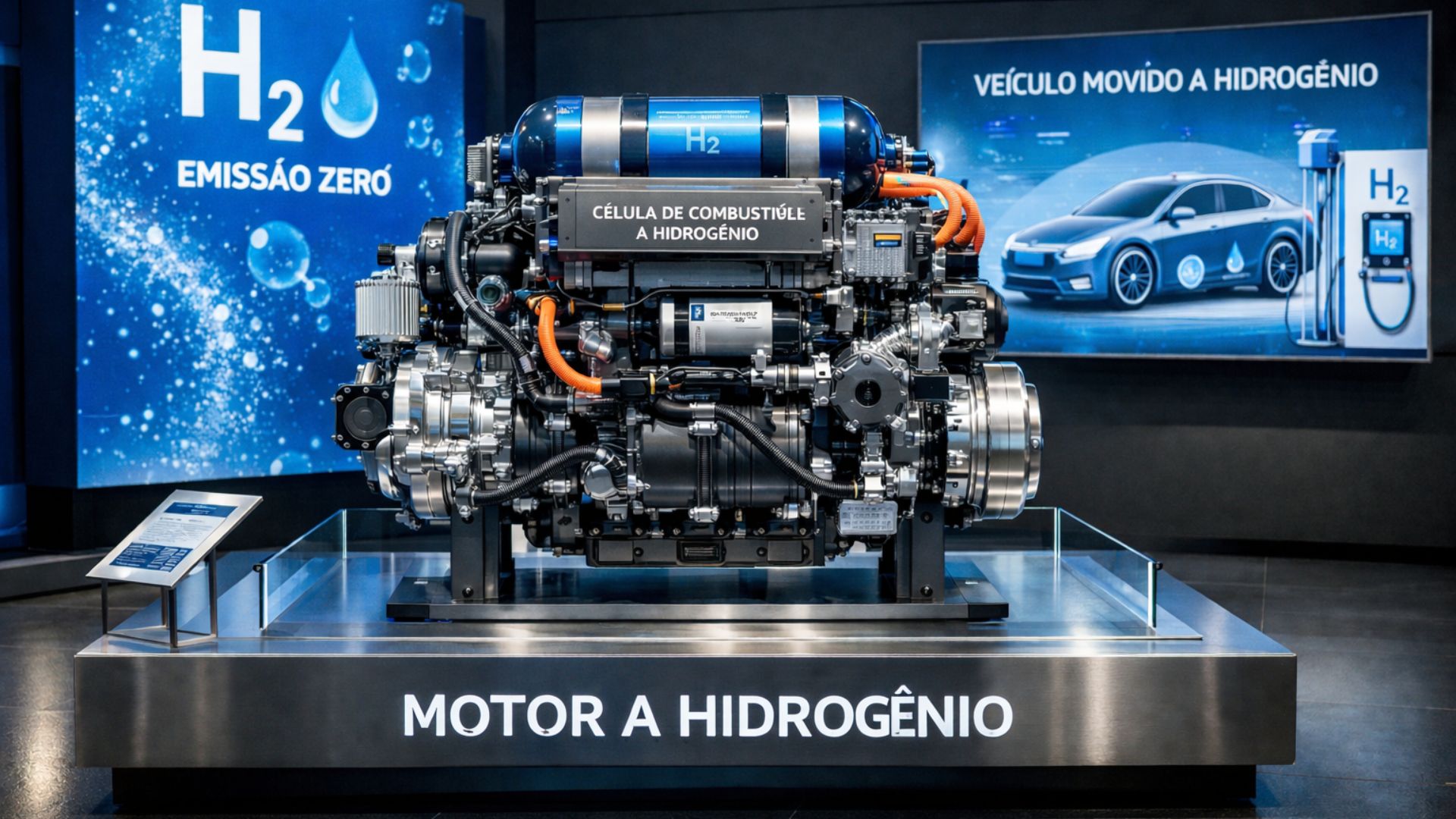
Hydrogen Engine Promises to Revolutionize Automotive Market and Creates a New Technological Horizon, But Economic Challenges Explain Global Resistance from Manufacturers
-
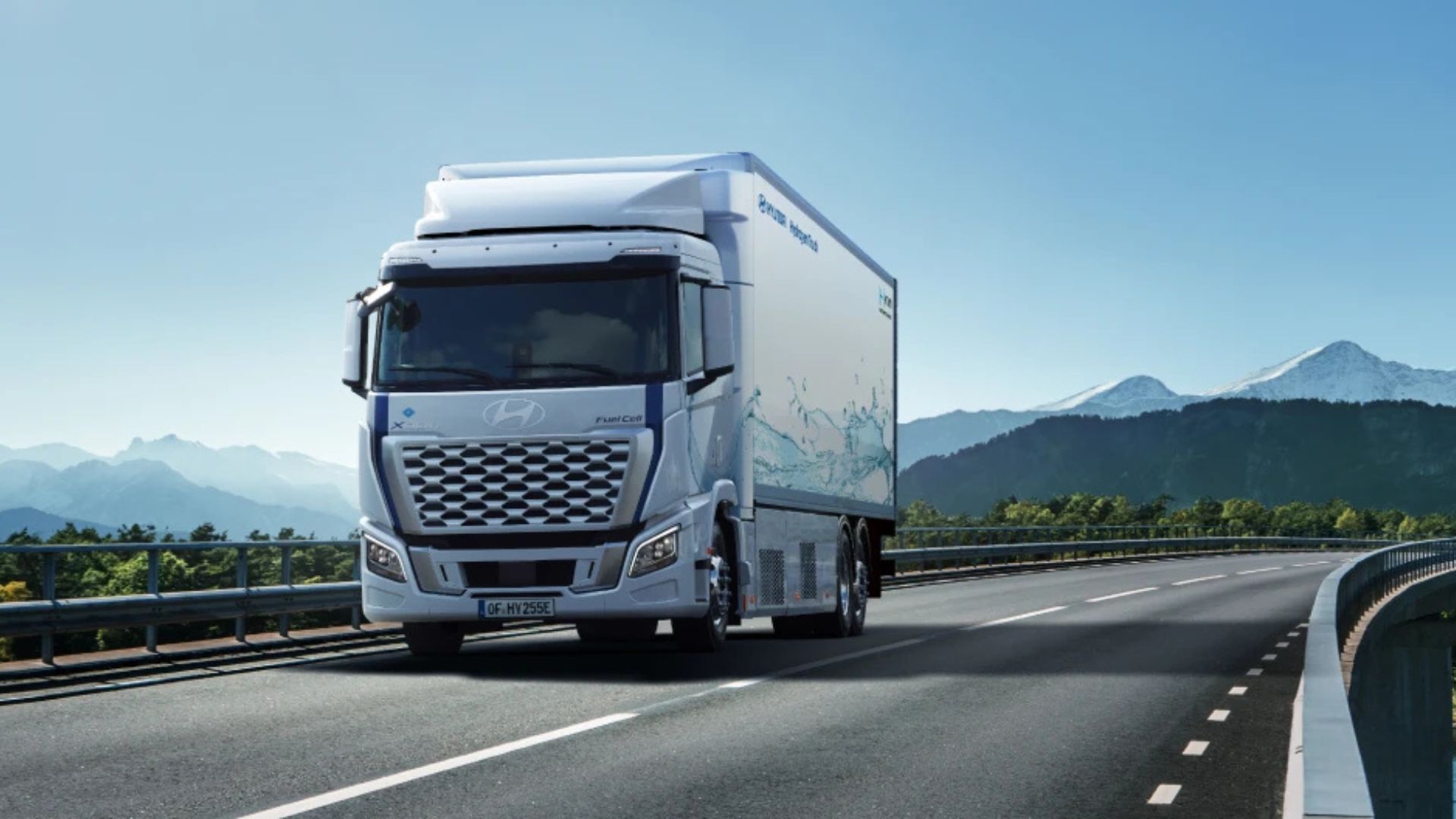
Hyundai XCIENT Fuel Cell Reaches 20 Million Km in Europe in Sustainable Logistics: Historic Milestone for Hydrogen Truck Fleet and Advancement of Global Clean Mobility
Over 1 megawatt engine places hydrogen at the level of real aeronautical propulsion
The most relevant element of this advancement lies in the power of the tested engine. By reaching the megawatt scale, the system enters a category that goes beyond laboratory experiments and low-capacity prototypes.
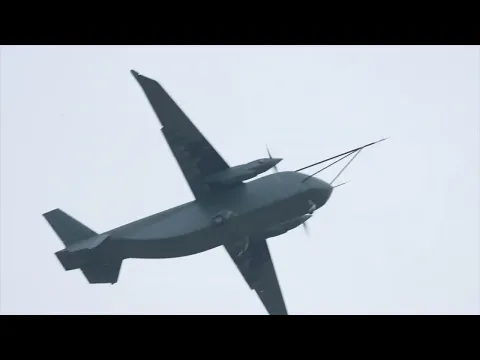

Engines in this power range are already compatible with real aeronautical applications, especially in cargo operations, regional transport, and smaller aircraft. This means that hydrogen is no longer just a promise and is now considered a viable alternative to replace fossil fuels in certain segments of aviation.
The historical challenge of technology has always been to achieve sufficient power without compromising safety, stability, and efficiency. The test conducted by AECC indicates that these obstacles are beginning to be overcome.
Test flight proves stability and operation in real conditions
During the test conducted in 2026, the engine was not evaluated in isolation. It operated integrated with the aircraft, in a real flight scenario, which significantly increases the relevance of the results.
The approximately 7.5-ton aircraft completed a full mission, with takeoff, sustained flight, and safe return. Throughout the journey, the system demonstrated stable performance, without critical failures or interruptions.
Validation in real flight is one of the most important criteria in aeronautical engineering, as it demonstrates that the technology can handle variables such as vibration, temperature, pressure, and flight dynamics.
This type of test marks the transition between research and applied engineering, a decisive point in the development of new technologies.
Hydrogen emerges as an alternative to decarbonize one of the world’s most difficult sectors
Aviation is considered one of the most challenging sectors for reducing carbon emissions. Unlike other areas, such as land transport, where electrification has advanced rapidly, aircraft require fuels with high energy density.
The aviation kerosene, currently used, offers great efficiency but is highly polluting. In this context, hydrogen presents itself as one of the main alternatives.
When used as fuel, hydrogen does not emit carbon dioxide, releasing mainly water vapor. This makes it a relevant option for reducing the environmental impact of aviation.
The test conducted by China demonstrates that this alternative is beginning to move from the theoretical realm into operational reality, which could accelerate global investments in the area.
Initial applications should focus on cargo and regional logistics
Despite the advancement, the immediate application of the technology is not expected to occur in commercial passenger flights. Experts and engineers involved in the project indicate that the first uses will be concentrated in cargo and regional logistics operations.

This segment offers a more controlled environment for testing and gradual implementation, in addition to requiring less regulatory complexity compared to passenger transport.
The strategy to start with cargo allows for technology validation at scale before advancing to broader applications, reducing risks and facilitating technical adjustments. Furthermore, unmanned aircraft and regional routes are more flexible for adopting new technologies, which accelerates the learning curve.
China consolidates strategy to lead the new generation of aeronautical engines
The advancement does not occur in isolation. It is part of a broader strategy by China to position itself at the forefront of the aerospace industry.
The creation of the Aero Engine Corporation of China aimed to reduce dependence on foreign technologies and develop its own engines capable of competing with traditional companies like GE and Rolls-Royce.
With the development of hydrogen engines, China is trying not only to keep up but to anticipate the next generation of aeronautical propulsion, seeking leadership in a sector that is still in the early stages of transformation.
This movement combines state investment, integration between research centers and industry, and a focus on technologies considered strategic.
Complete hydrogen chain begins to take shape
Another relevant point of the project is the development of a complete technological chain. The advancement is not limited to the engine but also involves storage systems, refueling, and integration with aircraft.
Hydrogen presents specific challenges, especially regarding storage, which requires cryogenic conditions and dedicated infrastructure. Overcoming these barriers is essential for enabling large-scale adoption.
By simultaneously advancing in different stages of the chain, China increases its chances of accelerating the implementation of the technology, creating an ecosystem capable of sustaining the growth of the sector.
Impact may extend beyond aviation
Although the initial focus is aviation, advancements in hydrogen engines have broader implications. The development of associated technologies can influence other sectors, such as maritime transport, energy generation, and heavy industry.
The production of hydrogen, especially in the form of green hydrogen, also gains momentum with this type of application, encouraging investments in renewable energy and infrastructure. The aircraft engine becomes, in this context, a catalyst for a broader energy transformation, connecting different areas of the economy.
Technical challenges still limit large-scale adoption
Despite the advancements, the technology still faces significant obstacles. Hydrogen storage remains one of the main challenges, requiring safe and economically viable solutions.
Moreover, the global infrastructure for refueling is still limited, making large-scale operation difficult. The cost of green hydrogen also remains high compared to fossil fuels. Another critical point is regulatory certification, which may take years before allowing commercial use in passenger flights.
These factors indicate that the transition will be gradual, with initial adoption in specific niches before reaching the mass market.
Global race for sustainable aviation gains a new chapter
The test conducted by China intensifies the global competition for sustainable aviation solutions. Companies and governments in different countries are already investing in alternatives such as sustainable aviation fuels (SAF), electrification, and hydrogen.
Each approach presents advantages and limitations, and the future scenario may involve the coexistence of different technologies, depending on the application.
The Chinese advancement places the country in a prominent position in this race, especially by demonstrating the ability to transform research into practical application.
Aviation’s energy transition begins to come to fruition
Historically, changes in the aeronautical sector occur slowly due to technical complexity and high safety standards. However, the 2026 test indicates that the energy transition is beginning to gain traction.
The validation of a hydrogen engine in real flight represents a concrete step towards reducing emissions in the sector. Although still far from large-scale adoption, the advancement reduces uncertainties and paves the way for new investments.
From this point, the discussion shifts from whether the technology is possible to when and how it will be implemented.
And you, do you believe that hydrogen can replace kerosene and transform aviation in the coming decades?
Leave your opinion in the comments and say if this advancement can change the future of commercial flights worldwide.







Seja o primeiro a reagir!