





 Portuguese
  English
  Spanish
  4 min of reading
  3 comments


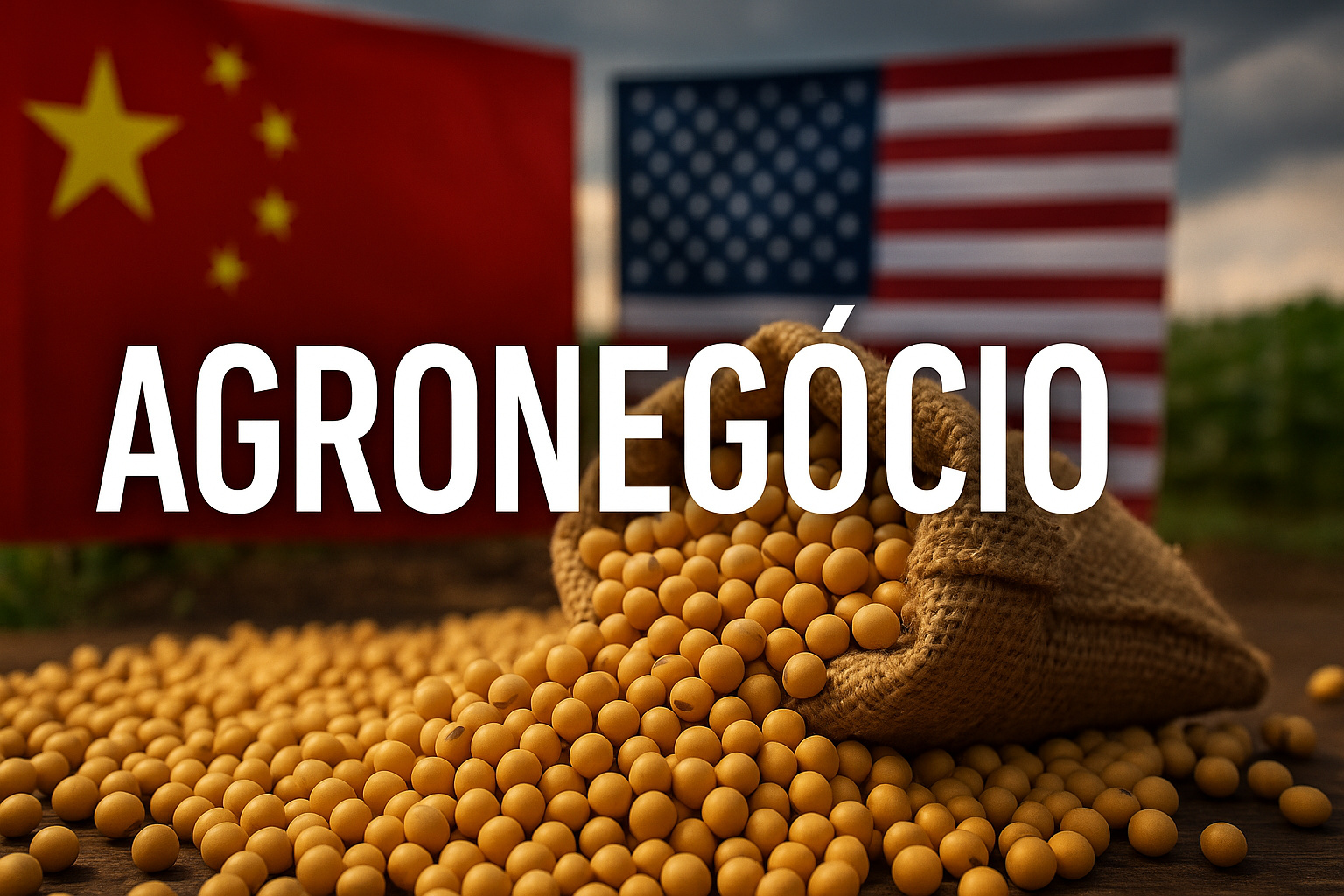


China Halts Imports From The U.S. and Increases Purchases From Brazil by Nearly 30%. Dispute Reignites Tension in Global Agribusiness.
China Surprises and Completely Cuts Soybean Imports From The U.S.
The China has halted soybean imports from the United States in September and, at the same time, increased purchases from South America, especially from Brazil, which registered an increase of nearly 30% in exports. This move reinforces the weight of Brazilian agribusiness in global trade.
This is the first time in seven years, since November 2018, that Beijing has ceased acquiring American soybeans, which indicates deep changes in global agribusiness geopolitics.
Moreover, the data released by the General Administration of Customs of China reveals how the trade tensions between Beijing and Washington are redefining the global food market and altering the flow of major agricultural exports.
-
The water that almost everyone throws away after cooking potatoes carries nutrients released during the preparation and can be reused to help in the development of plants when used correctly at the base of gardens and pots, at no additional cost and without changing the routine.

-
The sea water temperature rose from 28 to 34 degrees in Santa Catarina and killed up to 90% of the oysters: producers who planted over 1 million seeds lost practically everything and say that if it happens again, production is doomed to end.

-
An Indian tree that grows in the Brazilian Northeast produces an oil capable of acting against more than 200 species of pests and interrupting the insect cycle, gaining ground as a natural alternative in soybean, cotton, and vegetable crops.
-
The rise in oil prices in the Middle East is already affecting Brazilian sugar: mills in the Central-South are seeing their margins shrink just as ethanol gains strength.

Brazil Takes the Lead in Exports
While the United States faces contraction, the Brazil expands its presence in the Chinese market. In September, the country exported 10.96 million tons of soybeans to China — 29.9% more than in the same period last year.
For 2024, the total volume already amounts to 63.7 million tons, an increase of 2.4% compared to the previous year.
With this, Brazil consolidates its position as the main supplier of oilseeds to the largest importer in the world.
The Brazilian advance comes amid a scenario of growing Chinese domestic demand and declining American competitiveness, boosting the national economy and reinforcing the weight of Brazilian agribusiness in international trade.
U.S. Loses Ground in The Chinese Market
On the other hand, U.S. exports were completely halted in September, after higher tariffs imposed by Beijing on American agricultural products.
In September 2024, Americans still shipped 1.7 million tons to China. Now, the volume has dropped to zero, a significant blow to the U.S. agricultural sector.
The central reason lies in the tariffs imposed by Xi Jinping’s government, as retaliation to the trade war with Washington. The conflict, which began during the Donald Trump administration, continues to directly impact global agribusiness.
Trump Reacts and Seeks Reapproachment
Amid the trade crisis, President Donald Trump stated he is willing to reduce tariffs on Chinese products if the country resumes the purchase of American soybeans.
“I think we are going to do very well with China. China doesn’t want conflict. We have the best of everything and no one is going to mess with that. I believe we will strike a very strong trade agreement. Both sides will be satisfied,”
Trump declared to reporters at the White House.
According to him, an official visit to Beijing is scheduled for early 2025, with the goal of resuming economic dialogue between the two powers.
China Diversifies and Increases Purchases in South America
While the impasse with the United States persists, China is expanding its diversification of soybean imports and strengthening its partnerships in South America.
In addition to Brazil, the country significantly increased purchases from Argentina, with a 91.5% rise compared to 2023.
In September, the Chinese imported 1.17 million tons of Argentine soybeans, which equates to 9% of the total acquired in the month.
This way, the South American agribusiness consolidates itself as the biggest beneficiary in this trade dispute between the two largest economies in the world, gaining strength, relevance, and new opportunities for expansion.
Economic and Geopolitical Impacts on Agribusiness
The movement from China redefines the global agribusiness landscape and shifts the balance of global exports. By replacing the United States with Brazil and Argentina, Beijing ensures food security, diversifies suppliers, and reduces dependence on unstable markets.
For Brazil, the decision generates a billion-dollar boost in exports, increases the inflow of foreign currency, and reinforces the country’s role as a global agricultural power.
This way, the trade war between China and the United States transforms into a major opportunity for Brazilian agribusiness, which gains prominence in one of the most strategic markets on the planet.
Brazil and China: A Partnership That Redefines Agribusiness
With the increase in Chinese imports and the decline in American imports, Brazil reinforces its global leadership in soybean exports. The national agribusiness remains the engine of the economy, boosting the trade balance and strengthening the country’s position on the international stage.
Meanwhile, the U.S. and China compete for space in the global trade, but Brazil stands out for the efficiency and stability of its agricultural sector.
Thus, the country reaps the benefits of diplomacy and sustainable production, becoming the big winner in this import war.










Your blog is a beacon of light in the often murky waters of online content. Your thoughtful analysis and insightful commentary never fail to leave a lasting impression. Keep up the amazing work!
Your blog is a breath of fresh air in the crowded online space. I appreciate the unique perspective you bring to every topic you cover. Keep up the fantastic work!
Hi my loved one I wish to say that this post is amazing nice written and include approximately all vital infos Id like to peer more posts like this