





 English
  Francês
  Alemão
  Italiano
  Japonês
  Norueguês
  Portuguese
  Spanish
  4 min of reading
  0 comments



Discovery Reinforces Geological Capacity of the Country, Reveals Accelerated Mapping, and Consolidates Dadonggou as a National Reference in Large Deposit Identification
The confirmation of a “super-large” gold deposit in the Chinese province of Liaoning has reignited the attention of the mineral sector and highlighted the country’s technical capacity to quantify reserves in reduced timeframes. The official announcement came from the Ministry of Natural Resources of China, which reported the location of 1,444.49 tons of proven metallic gold at the Dadonggou mine. The classification as the largest individual deposit discovered in Chinese territory since 1949 reinforced the area’s relevance and expanded the analysis of its economic and operational dimensions.
The progress of the evaluations occurred in an accelerated and organized manner, as the delineation of the deposit was completed in just 15 months. This period, considered short for large-scale projects, emphasized the technical effort applied in the study process. The average grade calculated for the metal was 0.56 grams per ton, which classified the find as a low-grade deposit, although of significant scale. Teams noted that this classification does not affect the relevance of the discovery, which relies on the total amount of gold identified.
The mapping work mobilized nearly 1,000 professionals, who worked directly on quantifying the reserves. The broad participation allowed for precision in the surveys and ensured continuity in geological analyses. The technical structure employed made it possible to accelerate the identification process, and the set of data released consolidated the understanding of the extent of the reserve located in Dadonggou.
-
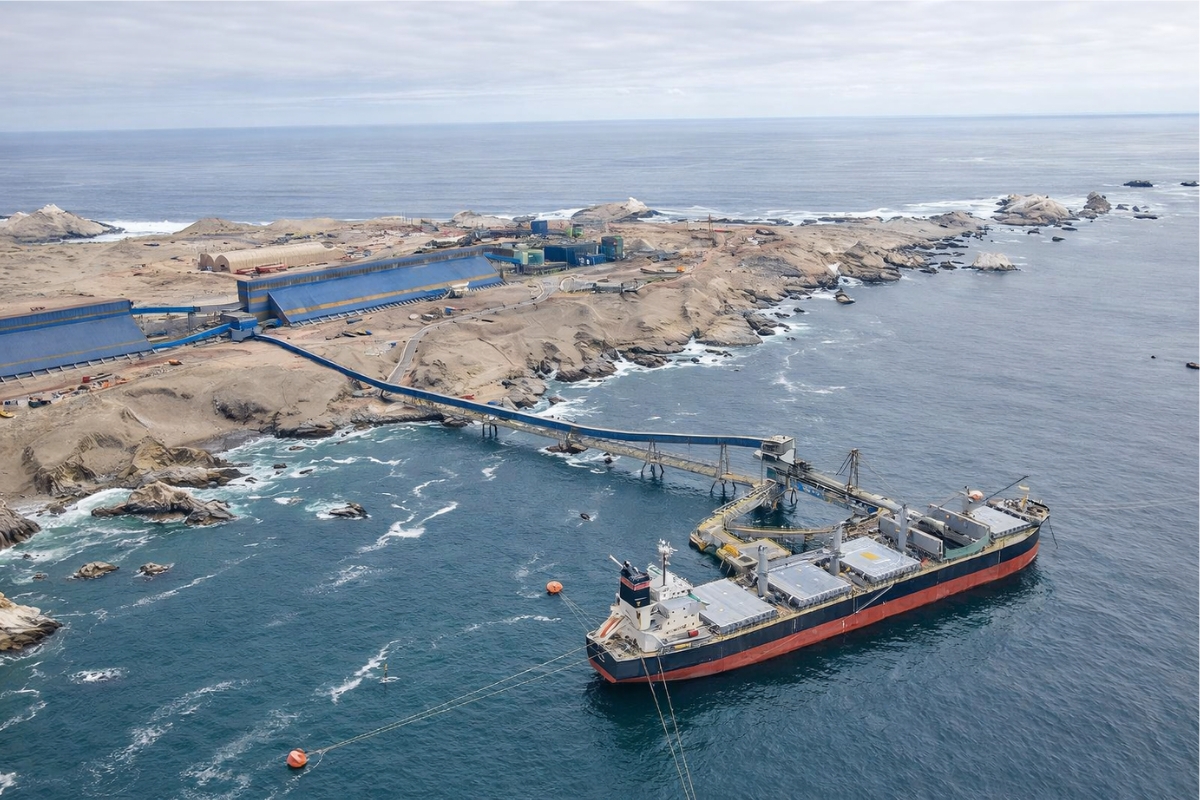
A $3.5 billion megaproject in Latin America pumps desalinated seawater at 1,050 liters per second over 194 km to keep a copper supermine in the Andes operational for another 20 years.
-
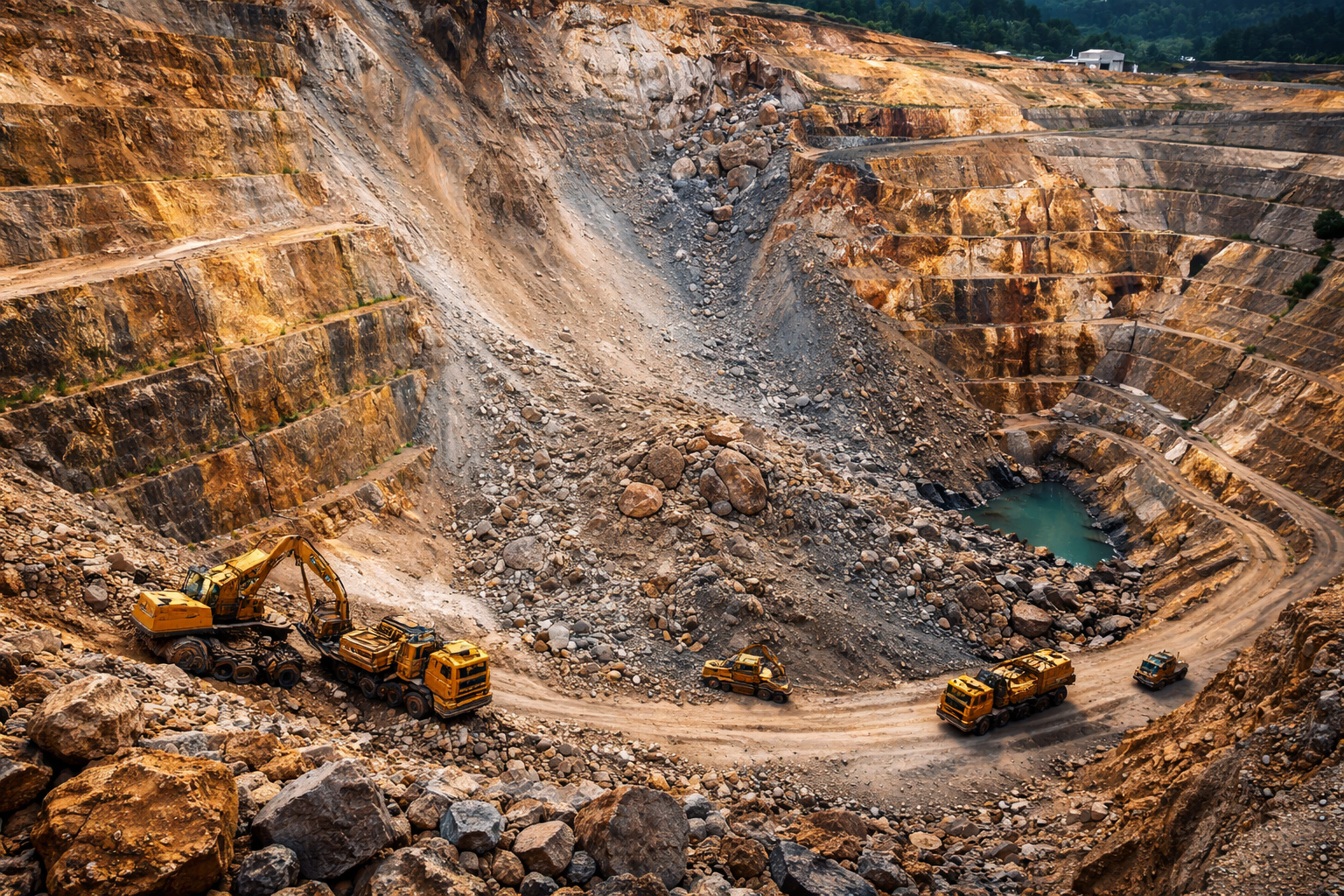
A hidden mine in the Andes valued at nearly R$ 1 trillion is starting to attract global attention, containing copper, gold, and silver, and raises an intriguing question: why do Argentina and Chile need to act together to exploit this gigantic wealth?
-
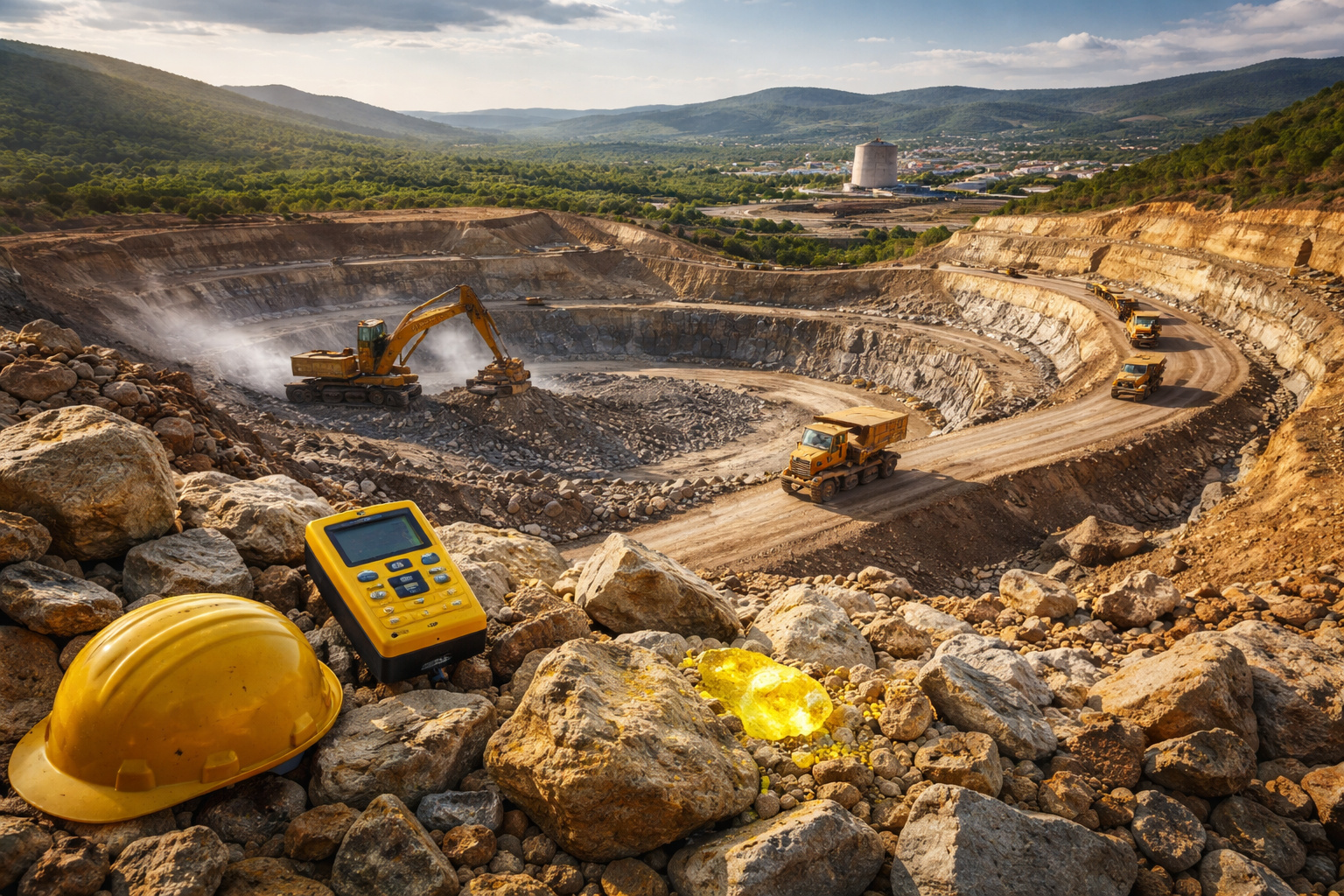
A silent discovery in the interior of Bahia could change the future of energy in Brazil: a uranium reserve in Lagoa Real has an estimated capacity to produce 400 tons per year and is already attracting the attention of energy sector specialists.
-
Gold Miners Descend Into Narrow Holes Up to 48 Meters Deep in the Mauritanian Desert and Spend Up to Two Days Living Inside Tunnels in an Underground City with Over a Thousand Mines


What Involves the Technical Analysis of the Mine
The information released by the Ministry of Natural Resources presented the central parameters of the discovery. In addition to the total volume of gold identified, the classification as a “super-large” deposit underscored the weight of the reserve within the Chinese mineral sector. The location in Liaoning province reinforced the strategic importance of the area, which has for years concentrated relevant structural mapping for the national industry. However, the low concentration per ton does not diminish the importance of the deposit, as the overall scale greatly compensated for this index.
The China Media Group reported that the mine has already undergone an economic feasibility assessment, and this move has become a milestone in the country by establishing a precedent for operations classified as “short cycle, high quality.” The technical analysis showed that the operational model adopted in Dadonggou could influence future exploration projects, especially those that depend on reduced timelines for mapping and quantification.
Technical Motivations and Operational Implications
The context presented by Chinese authorities indicated that the discovery represents a relevant advancement and therefore highlights the capacity to find large deposits in reduced timeframes. The participation of nearly 1,000 professionals reinforced the project’s magnitude and thus highlighted the organization of the teams. The time of completion became a central point of evaluation and thus expanded the perception of the efficiency of the methods employed.
Experts point out that the classification as the largest single deposit since 1949 contributes to understanding the impact of the reserve and thus contextualizes its historical relevance. The ability to map large volumes in short timeframes has been highlighted within the mineral sector, and therefore, Dadonggou has become an important case for future studies. The mine meets criteria of scale, precision, and speed, and thus has become a technical reference.
Next Steps and Expected Developments
The dissemination of information reinforced the importance of the mine and therefore indicated that new stages of analysis may arise later. The confirmation of the reserve increased technical interest in Dadonggou and thus raised the level of attention directed to the project. The expectation is that the advancement of the next steps will depend on the continuity of internal analyses, and thus maintain the focus on the strategic nature of the discovery.
The identification of the deposit marked a significant chapter in the Chinese mineral sector and therefore highlighted the capacity for large-scale mapping. With the confirmation of 1,444.49 tons of proven metallic gold and the survey completed in just 15 months, the Dadonggou mine became a reference for future studies. The discovery reinforced the technical alignment of the country and thus expanded the understanding of the capacity to identify and quantify reserves with precision and speed.










Seja o primeiro a reagir!