





 English
  Francês
  Alemão
  Italiano
  Japonês
  Norueguês
  Portuguese
  Spanish
  2 min of reading


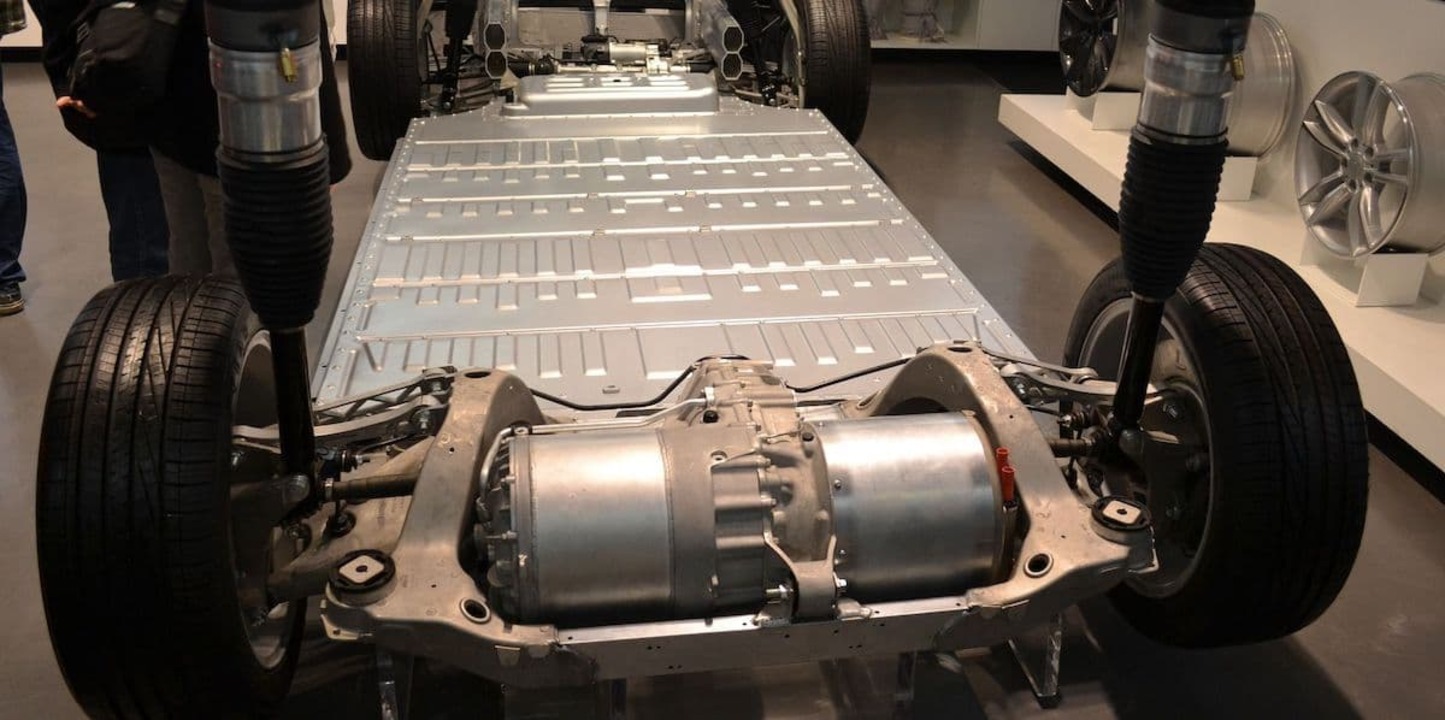
A New Way To Extract Lithium For Electric Cars Has Been Discovered By Chinese Scientists
Researchers in China have discovered a new way to extract lithium from used lithium iron phosphate batteries and are already considering its use in electric cars. This innovative process generates Li3PO4, which can be sold profitably to battery manufacturers.
Read Also
Tsinghua University, located in Beijing, reports that solid-phase mechanical-chemical oxidation can offer a rapid extraction of about 99.7% of lithium from existing cathodic materials in lithium iron phosphate batteries (LiFePO4). This type of technology is one of the main methods for producing nanomaterials.
China: The Advantages Of Using This Method For Lithium Extraction
The main advantage of this method is that the extracted material is completely acid-free, and the process can be completed in a shorter time of around five minutes. During the extraction process, there is also no production of wastewater. Additionally, three new chemical products are generated in the extraction process, which can provide a significant financial incentive and is also significant for the recycling of automotive batteries.
-
São Paulo surprises the world with a colossal railway network project that promises over 1,000 km of tracks, R$ 194 billion in investments, and 40 projects connecting the capital to the interior with fast and sustainable trains.

-
The world’s largest escalator, measuring 905 meters in China, reduces urban travel time from 1 hour to about 20 minutes and transforms mobility in mountainous regions with an engineering solution adapted to the terrain.

-
A R$ 300 million logistics giant is taking shape in Serra with over 100,000 m² and raises a question: how can this transform e-commerce and distribution in the state?

-
Could Uber Rides Lose Minimum Fare? Understand What’s Happening!


China’s Study Process, Research And News In The Electric Vehicle Market
Recent studies, some conducted by researcher Kang Liu, have shown the various benefits that lithium batteries offer, being a reliable alternative to nickel and cobalt-based batteries, which extend the range of electric vehicles through thermal modulation. Unfortunately, the recycling solutions currently available in this area remain very limited and not sufficiently sustainable.
“For example, pyrometallurgy may require a high reaction temperature and involves high energy consumption and emissions of combustion gases.”
“Hydrometallurgy requires acid-base reagents and can produce wastewater containing heavy metals. Research in bio-hydrometallurgy is still in the scientific research stage.”, reports researcher Kang.








Seja o primeiro a reagir!