





 Portuguese
  English
  Spanish
  5 min of reading
  0 comments


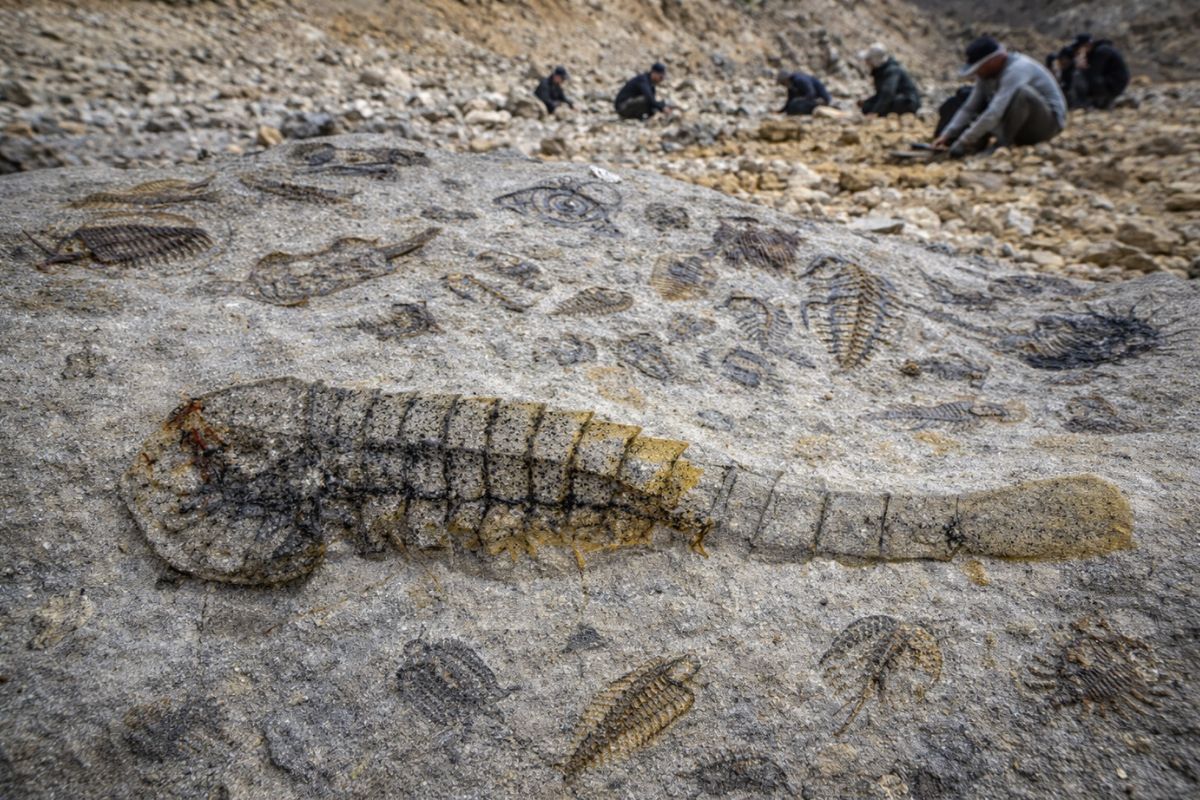
In A Quarry In Southern China, Researchers Gathered Fossils Dating Back About 512 Million Years That Add Up To 153 Species From 16 Groups. At Least 59% Had Never Been Cataloged. The Analysis, Published In Nature, Broadens The View Of Early Cambrian Marine Ecosystems And Their Oceanic Connections.
A quarry in southern China has become a portal to a past that almost no one can imagine: fossils dating back about 512 million years revealed 153 species from 16 different groups, with a level of preservation considered high by researchers and a detail that changes the weight of the discovery: at least 59% of these animals were unknown and unrecorded.
The collection was described as a rare sample, with abundance difficult to find for this time interval. Published in the journal Nature, the work led by Maoyan Zhu from the Chinese Academy of Sciences in Nanjing provides a more complete view of early Cambrian marine ecosystems, a period associated with the so-called explosion of life that propelled biological complexity on the planet.
Where The Quarry Enters History And Why It Matters

The discovery took place in a quarry in southern China, where researchers located a collection of fossils dating back about 512 million years. What stands out here is not just the age. It’s the whole package: quantity, diversity, and preservation in a time frame that tends to appear in a fragmented way in fossil records.
-
After decades of failed attempts, Brazil is once again looking to space with an orbital rocket measuring 12 meters, weighing 12 tons, costing R$ 189 million, and scheduled for launch in 2026, in a new race to finally achieve autonomous access to orbit.

-
The Earth will plunge into a few minutes of darkness in broad daylight in August 2026, when a total solar eclipse transforms the sky into one of the most impressive astronomical phenomena in recent years.

-
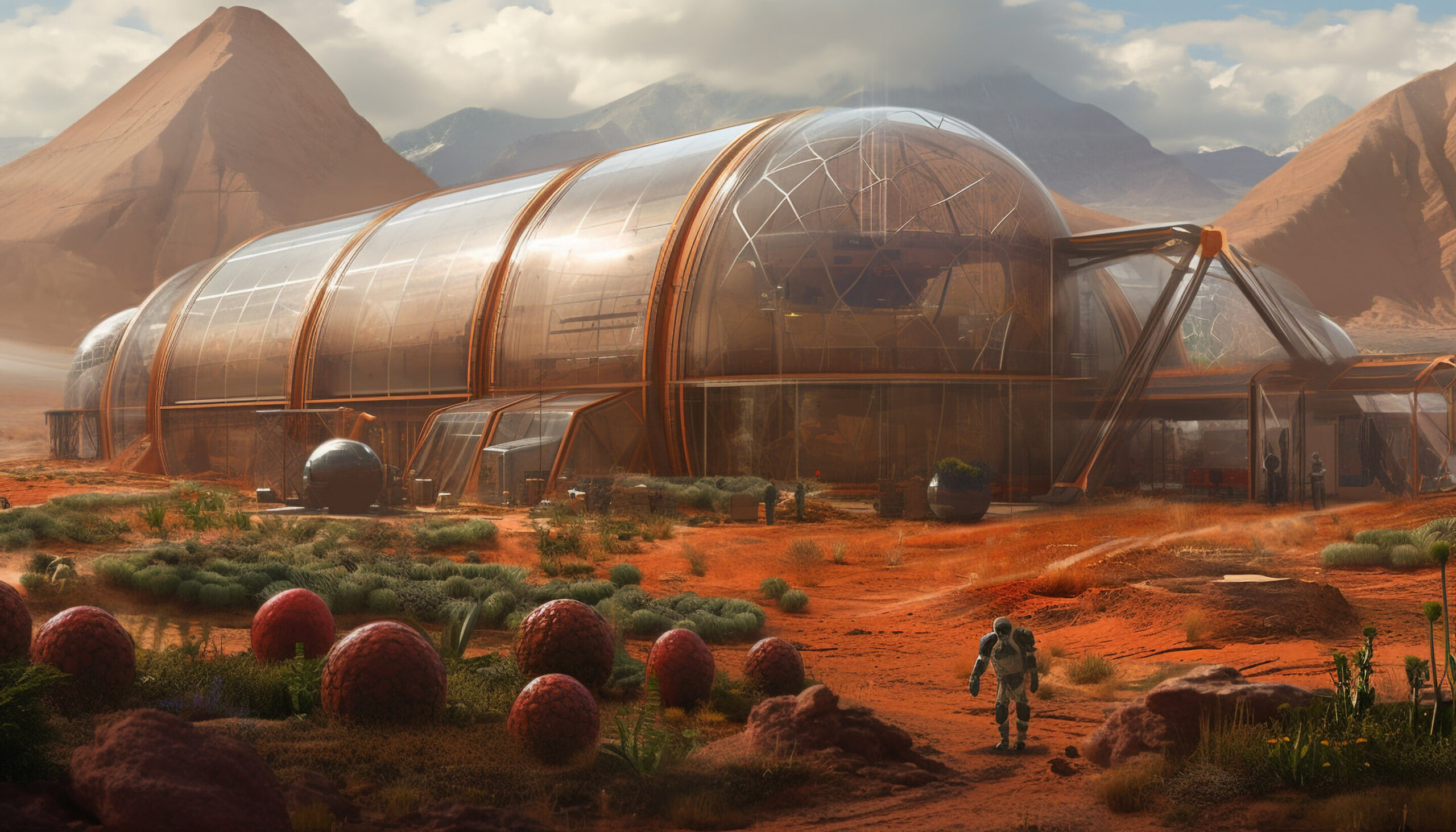
How the terraforming of Mars can transform the planet: artificial aerosols can increase the temperature by up to 35°C in 15 years, creating conditions for liquid water.
-
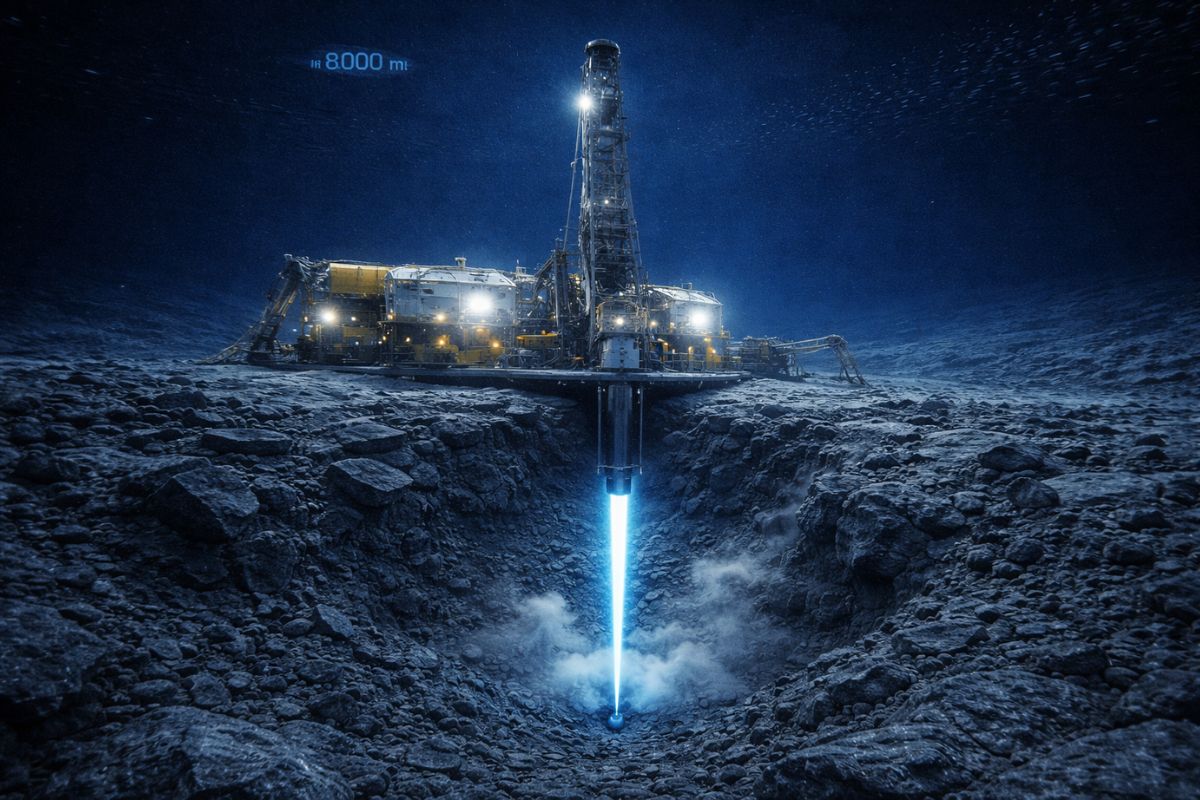
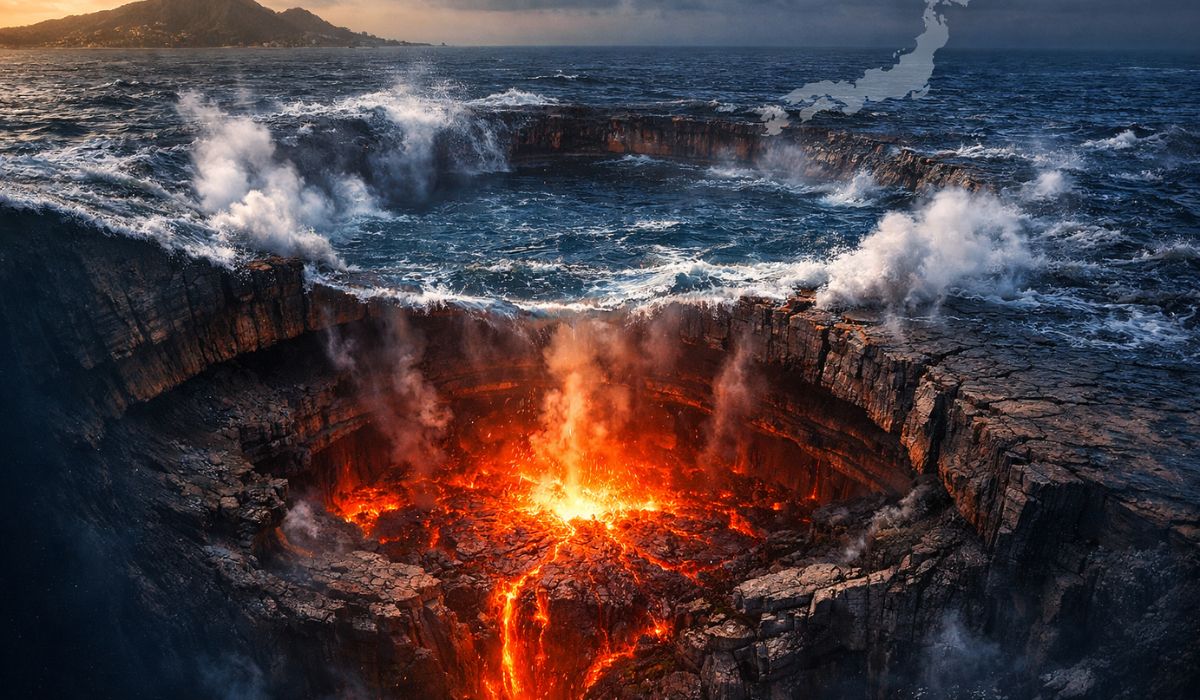
Scientists drilled nearly 8,000 meters into the ocean floor above the fault that caused the 2011 tsunami in Japan and discovered that a layer of clay 130 million years old was responsible for making the wave much worse than any model had predicted.

The study emphasizes that few sites provide such abundant samples from this period. This makes a difference because the more material appears together, the more clues arise about how beings lived, how they were distributed, and how they interacted in the marine environment of the early Cambrian.
The Number That Changes Everything: 153 Species And 16 Groups
The heart of the discovery is straightforward: 153 species gathered into 16 different groups.
It’s a large list for such ancient material, and the number gains even more impact when the second layer of the finding comes into play: at least 59% of the new animals were unknown, with no previous record in human catalogs until now.
This data is not a mere statistical embellishment.
It suggests that the beginning of the Cambrian still holds “blind spots” in science, and that a single quarry can reveal a huge slice of biodiversity that simply was not on the map.
The Beginning Of The Cambrian And The Explosion Of Life: What This Package Reveals

The fossils date back to the beginning of the Cambrian, a phase known for an explosion of life that expanded the advance of nature on the planet at least 540 million years ago.
Within this context, the material found offers a more complete view of marine ecosystems, helping to see not just isolated individuals, but the functioning of the environment.
In practical terms, the finding reinforces the idea that complex life did not arise in a single “leap,” but in a web of forms and groups that diversified and occupied different niches on the seabed.
Primitive Arthropods And A Body Already Full Of Resources
Among the described animals are primitive arthropods with details that caught the researchers’ attention. The study points out complexity in body organization, with structures that enabled specialized locomotion and feeding abilities on the seabed.
This observation is important because it connects with the evolution of the nervous system and body segmentation of modern arthropods, a group of invertebrates with exoskeletons and articulated appendages. Contemporary examples of this “distant relative” of the current world include: spider, crab, and cockroach.
Deep Waters And The Weight Of An Extinction In The Way
The work also points out a relevant environmental aspect: the results indicate that deep-water environments were less affected by the Sinsk extinction, mentioned as an event that occurred during this period.
This helps to understand why certain fossil collections survive better in some contexts than in others. When a part of the environment suffers less impact, it can function as a kind of more faithful “archive” of what existed and what the ecosystem was like.
Publication In Nature And Chinese Leadership In The Discovery
The discovery was published in the journal Nature, with Maoyan Zhu from the Chinese Academy of Sciences in Nanjing as the main responsible for the study. The publication reinforces the scientific weight of the finding and helps explain why it gained attention: it is not an isolated fossil, it is a collection that broadens the picture of the early Cambrian.
In addition, the material was presented with illustrations of the animals found, associated with the name of Maoyan Zhu, visually highlighting the recorded diversity.
China And North America: Similarities That Suggest Oceanic Dispersion
Another point raised is the similarity between species found in Chinese territory and fossils found in Canada. The interpretation presented considers the possibility of long-distance dispersion through the oceans, influenced by ocean currents and changes in sea level.
This connection between southern China and North America opens new possibilities to understand how life was organized during the early Cambrian, suggesting that the distribution of life forms could be broader than many imagine when thinking of this ancient period.
What This Quarry Changes In The Way Of Seeing Complex Life
When a quarry delivers 153 species with such preservation and with the majority unknown, the result is a fine-tuning of the scientific narrative: instead of a “simple” beginning, a scenario emerges with multiple groups, bodies with specializations, and clues about how marine environments functioned in detail.
And as the discovery mixes abundance, diversity, and connection with other finds outside of China, it becomes more than just a local record: it becomes a piece that helps fit the puzzle of the beginning of complex life.
Do you think there is still an entire “lost world” waiting to be discovered in other quarries and ancient rocks around the planet?







-

-

-

-

15 pessoas reagiram a isso.