





 Portuguese
  English
  Spanish
  4 min of reading
  0 comments


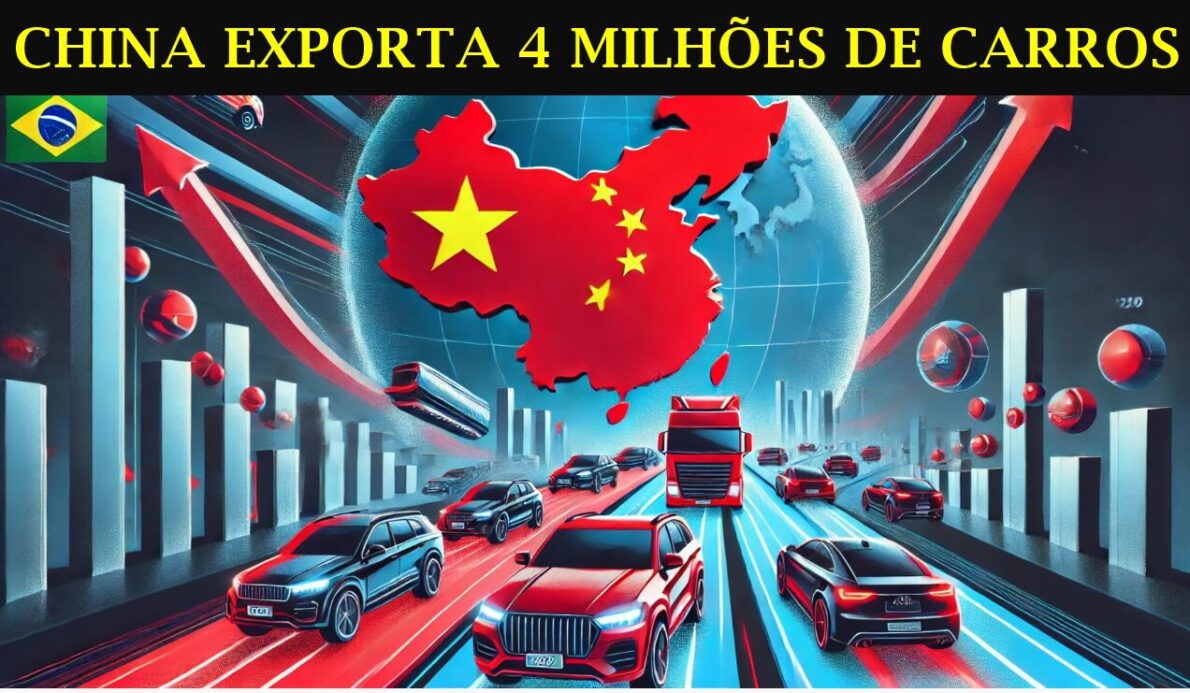
The 39% Growth in China’s Vehicle Exports in 2024 Positions the Country as a Global Leader. Find Out How Brazil Positions Itself in the Global Automotive Export Ranking.
China continues to impress the world with its performance in the automotive sector, especially in 2024, when its vehicle exports surged, reaching record numbers. With a total of 4.09 million vehicles exported from January to August, the country showed an impressive growth of 39% compared to the same period in 2023.
In August, China exported 610,000 vehicles, representing a 10% increase compared to the previous month. This growth is not an isolated phenomenon, but the result of a combination of factors that have been consolidating the country as a powerhouse in the global vehicle export market.
Driving Factors of Vehicle Export Growth
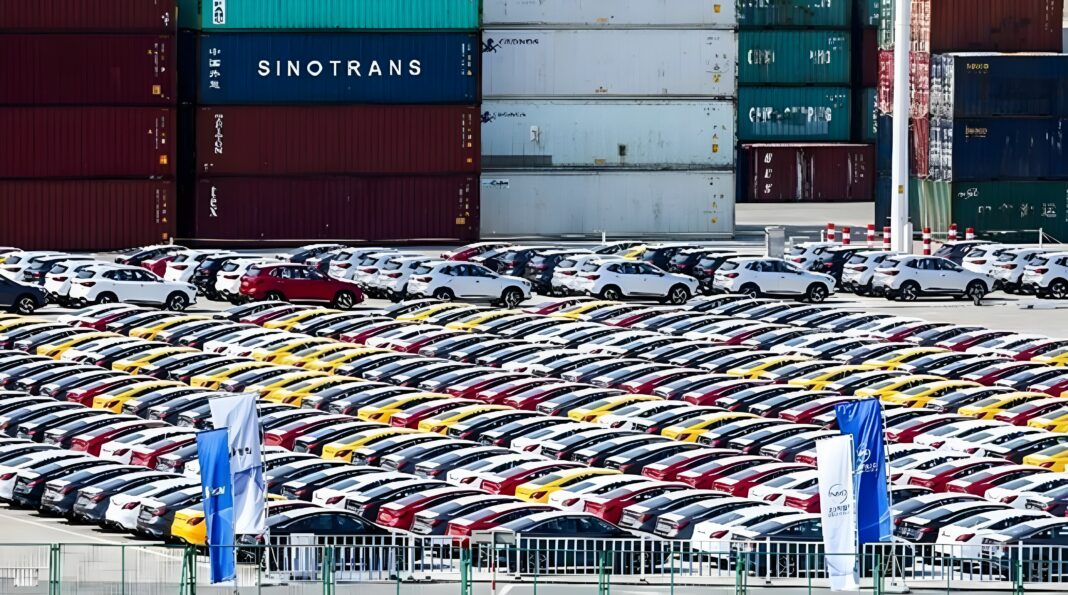
The main driving force behind this impressive progress in vehicle exports is the increasing competitiveness of Chinese automotive products. In recent years, Chinese automakers have been heavily investing in innovation, technology, and quality, making their vehicles more appealing to demanding markets such as Europe and North America.
-
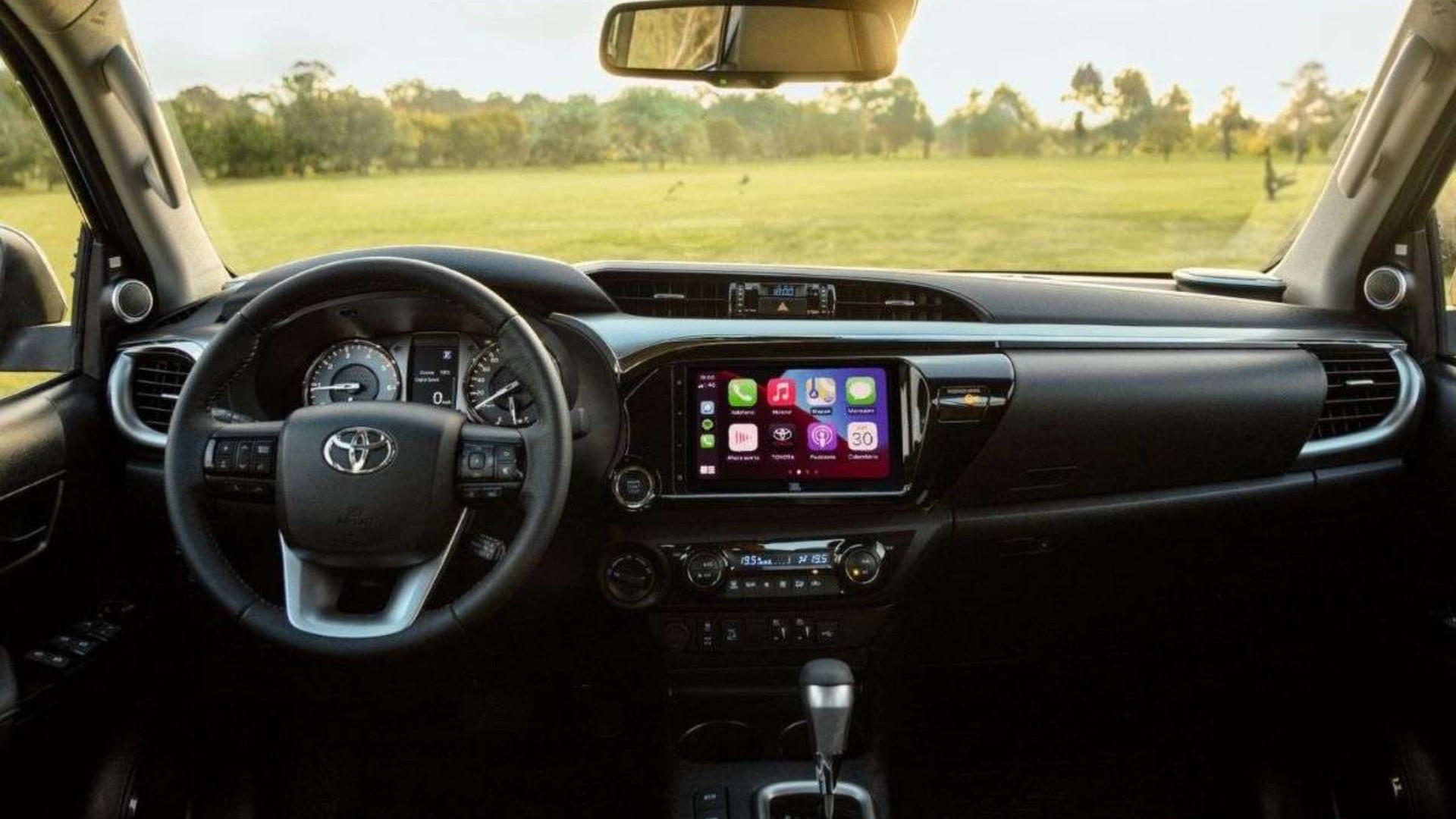
The Toyota Hilux is R$ 75.5 thousand cheaper and bets on the 2.8 turbodiesel engine with up to 204 hp and 50.9 kgfm to catch up with the VW Saveiro, which leads with 4,472 sales.
-
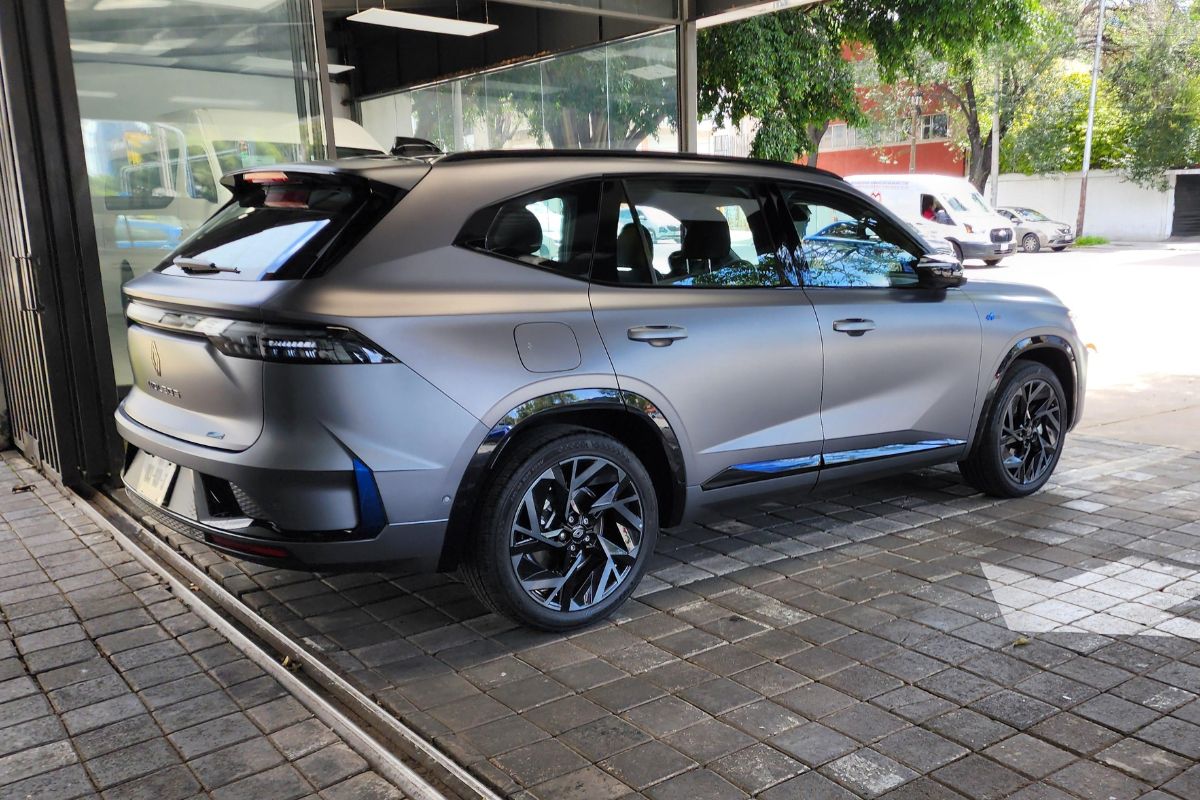
The new Renault Koleos has a screen exclusively for the passenger that is invisible to the driver, heated rear seats, and 29 assistance systems, but its Chinese competitors cost R$ 40,000 less and deliver more power.
-
The car stored for 38 years: when opening the barn door, what appears is breathtaking and looks like a scene from a movie!

-
Fiat works miracles in the Brazilian market, lowers the price of its 0 km hatch to R$ 69,990, reestablishes the model as the cheapest car in the country, and reignites the battle against Kwid and C3.

Moreover, the geopolitical crisis between Russia and Ukraine has had a considerable impact on the Russian automotive sector. With the exit of major international brands from the Russian market, Chinese automakers quickly filled this void, dominating the local market with their fuel vehicles.
This dominance is reflected in the numbers: in 2024, Russia became the largest destination for Chinese cars, receiving 705,514 vehicles by August, which represents 19% of China’s total vehicle exports. This strategic move solidified the Chinese presence in a market that was previously dominated by European and American brands.
Brazil in the Export Rankings
Brazil has also stood out as one of the main markets for Chinese vehicle exports. From January to August 2024, the country received 192,254 vehicles, placing it in the fourth position among the largest destinations for China’s exports.
This growth reflects not only the increase in competitiveness of Chinese automobiles but also the greater acceptance of Brazilian consumers towards imported vehicles, mainly due to competitive prices and advanced technology.
Additionally, in the new energy vehicle (NEV) segment, Brazil has positioned itself even better. With the import of 136,112 new energy vehicles, the country took second place in the ranking of importers of this type of automobile, only behind Belgium.
This movement reflects the growing interest in electric and hybrid vehicles in Brazil, aligned with global trends in sustainability and carbon emission reduction.
Expansion of New Energy Vehicles (NEVs)
One of the segments that contributed most to the growth of vehicle exports in 2024 was that of new energy vehicles (NEVs). From January to August, China exported 1.397 million NEVs, a 24.9% increase compared to the previous year.
In August alone, the export volume of NEVs was 180,000 units, representing an annual growth of 20.9%. The growing popularity of these vehicles reflects China’s commitment to energy transition and the development of clean technologies in the automotive sector.
Among the countries that imported the most NEVs from China in 2024, Belgium leads with 170,876 units, followed by Brazil with 136,112 vehicles, and the United Kingdom with 88,933 units. The electric vehicle market is growing in various parts of the world, and China, as the leading global exporter, has played a crucial role in this scenario.
The Impact of International Policies
While China has achieved impressive results in exports of new energy vehicles, it has also faced challenges. The introduction of tariff policies in the European Union has affected NEV exports from some Chinese regions, especially Shanghai, which was previously a major export hub, driven by the presence of Tesla.
However, other regions such as Guangdong, Shaanxi, Hebei, and Jiangsu have taken the lead in NEV exports, especially due to the rise of companies like BYD, which has a strong presence in Shaanxi.
With a remarkable 39% growth in vehicle exports in 2024, China solidifies its position as one of the major global players in the sector. The combination of technological competitiveness, agile response to geopolitical crises, and investments in new energy vehicles have driven the country’s success in the international market.
Brazil, in turn, is benefiting from this expansion, positioning itself as one of the main destinations for Chinese vehicle exports, particularly in the NEV segment. With a promising future ahead, China appears prepared to continue dominating the global automotive market in the coming years.









Seja o primeiro a reagir!