





 Portuguese
  English
  Spanish
  3 min of reading


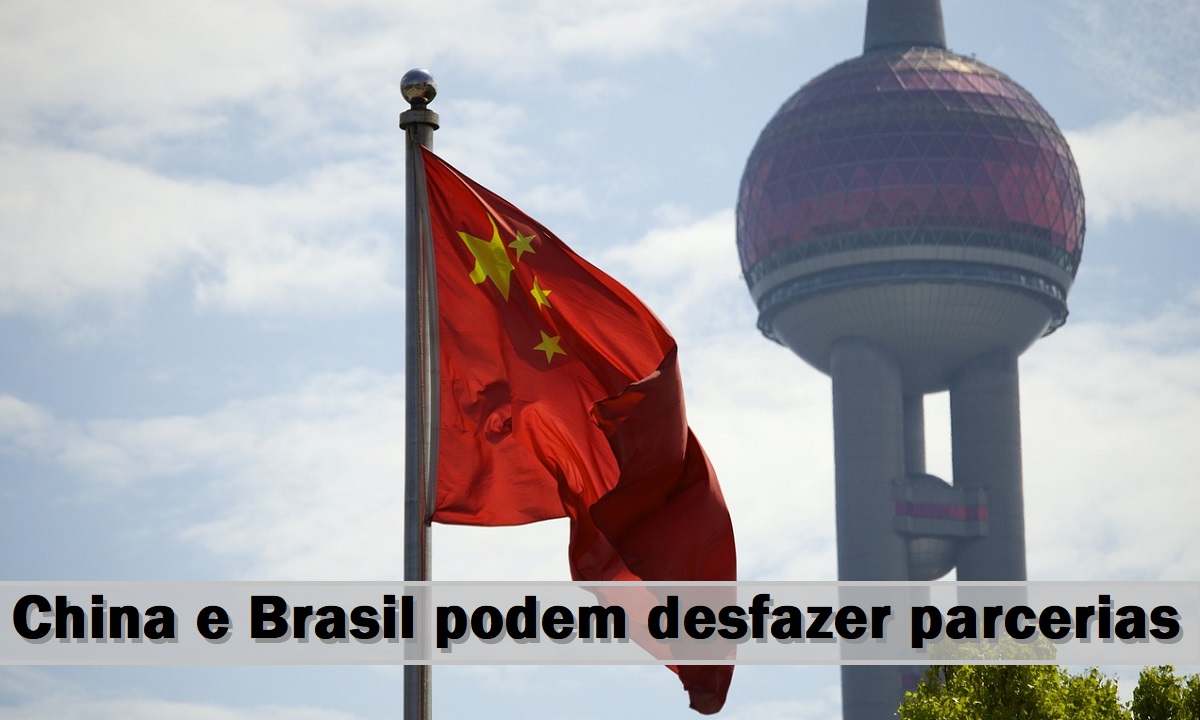
Due to the forecast of a slightly significant increase for China (only 2.8% in 2022), speculations about a possible breakdown of trade between the Asian country and Brazil grow, considering that Brazilian GDP growth may surpass that of the Chinese
According to A Gazeta, the golden age of trade between Brazil and China may be threatened due to the GDP numbers from the Asian country. The World Bank forecasts that China will experience a growth of only 2.8% this year in 2022, compared to an average of 7% between 2016 and 2020 and above 10% from the 1990s to the early 2000s.
The estimate is that, by the year 2049, China’s GDP growth should stay between 2.7% and 4.2% per year. Furthermore, for the first time since 1980, the Brazilian GDP may grow more than the Chinese.
For the first time, China’s five-year development plan, covering the period from 2021 to 2025, does not mention a percentage for GDP growth. “The China that grew at double-digit rates no longer exists.”
-
A new Brazilian shopping center worth R$ 400 million will be built in an area equivalent to more than 4 football fields, featuring 90 stores, 5 cinemas, a supermarket, a college, and parking for 1,700 cars, potentially generating 3,000 jobs.

-
Larger than entire cities in Brazil: BYD is building a 4.6 km² complex in Bahia with a capacity for 600,000 vehicles per year, but the discovery of 163 workers in conditions analogous to slavery has shaken the entire project.

-
With an investment of R$ 612 million, a capacity to process 1.2 million liters of milk per day, Piracanjuba inaugurates a mega cheese factory that increases national production, reduces dependence on imports, and repositions Brazil on the global dairy map.

-
Brazilian city gains industrial hub for 85 companies that is equivalent to 55 football fields.


BRAZIL AND CHINA PARTNERSHIPS
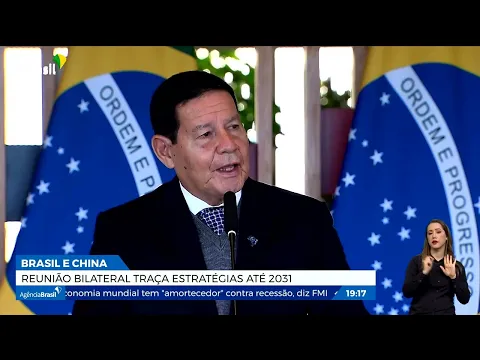

Why Did China’s GDP Grow So Little?
China has an ongoing demographic problem, due to its predominantly male population and extremely low birth rate. Furthermore, the Chinese economy has a high dependence on government to grow, considering that the Chinese government’s investment rate averaged 40% of the GDP, while the average for any government worldwide is 15%, when it does not reach 20%.
Since 2009, when it surpassed the position held for 100 years by the United States, which was considered Brazil’s largest trading partner, China has now reached sixty times more than in 2001 when it entered the World Trade Organization (WTO).
From less than US$ 1.08 billion per year, Chinese payments reached US$ 60.1 billion in 2021, which represents over 30% of all Brazilian exports. In the agribusiness sector, the share is even greater. Alone, China is the destination for nearly 40% of Brazilian exports in the sector, and in return, of all the food they buy, 20% comes from Brazil, their largest supplier.
The Perfect Match
According to Marcos Jank, Professor of Global Agribusiness at Insper, who spent 4 years in Asia: “It’s as if Brazil and China are an obligatory marriage, with little choice. A marriage that happened through history, because Brazil underwent an agricultural revolution in the 1970s, and at the same time, China underwent a manufacturing revolution. And it was also a marriage by geography, because they lack natural resources, so they need to buy certain products.”
In addition to purchases, China also makes significant investments in Brazil. According to the Global Investment Tracker, Brazil, with US$ 46.4 billion, was the country that received the most investments from China worldwide just in 2021, accounting for 13.6% of the total.
In contrast, Chinese investments in the United States fell by 27% and in Australia by 70%. Of all the investments made by the Chinese in South America, 48% stayed in Brazil, followed by Peru (19%), Chile (12%), and Argentina (8%).







Seja o primeiro a reagir!