





 Portuguese
  English
  Spanish
  4 min of reading
  4 comments


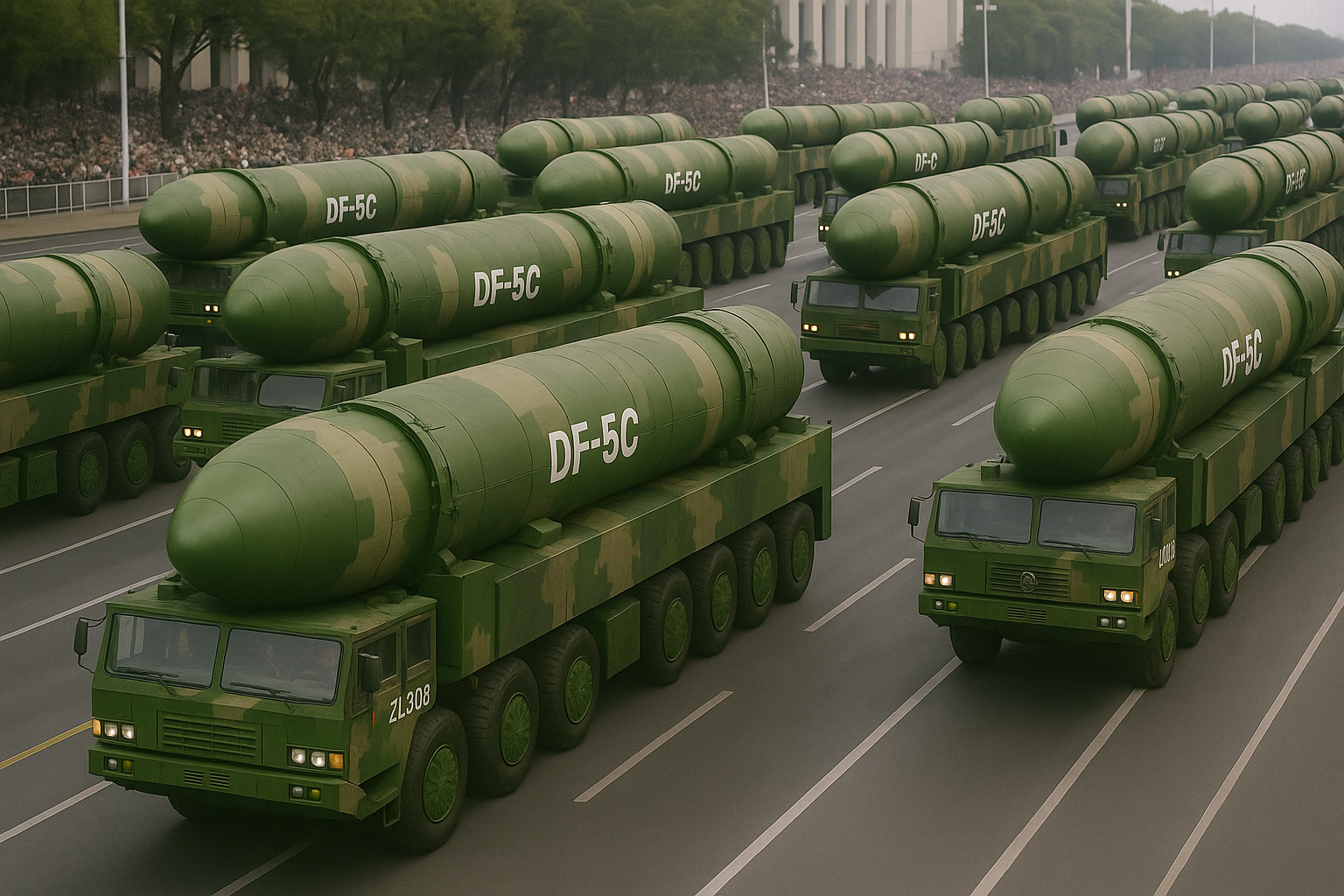


Parade in Beijing Presents Complete Strategic Arsenal, Including DF-5C, DF-61, and JL-3, with Capability to Launch Nuclear Warheads by Land, Air, and Sea, Marking Military Advance and Expanding Global Geopolitical Tension
China revealed on Wednesday (3) a new generation of intercontinental nuclear missiles during the military parade held in Beijing, in celebration of the 80th anniversary of the end of World War II. The public display featured the complete nuclear triad — with arms capable of being launched from land, air, and sea — solidifying the country as an emerging strategic military power.
The highlight was the intercontinental ballistic missile DF-5C, which has a range of up to 20,000 kilometers, covering half of the planet’s circumference. This capability allows it to strike any country, with multiple independent nuclear warheads launched at the same target. The arsenal also included the DF-61, a new long-range mobile missile, as well as the JL-1 and JL-3 models, launched from aircraft and submarines.
-
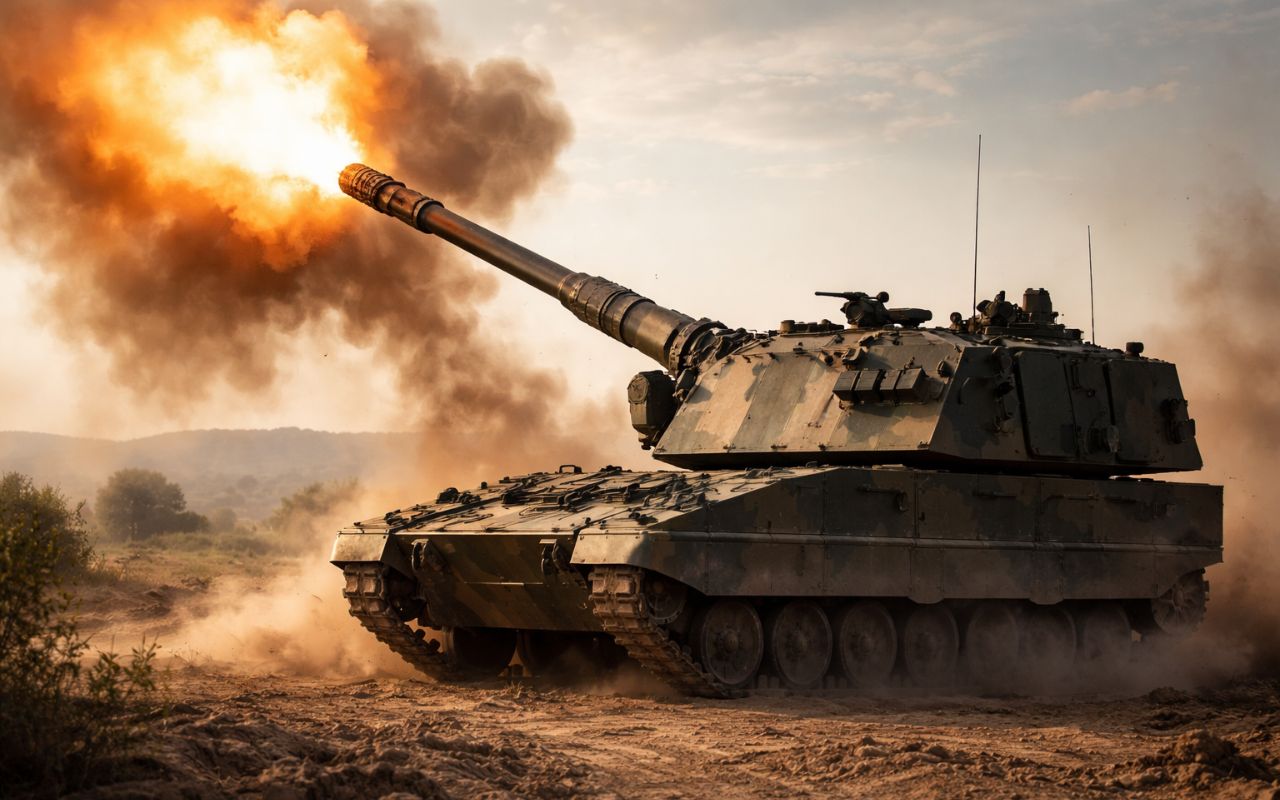
The German “steel monster” weighing 55 tons fires up to 10 projectiles per minute at over 40 km and avoids counterattacks on the battlefield by moving quickly to escape enemy attacks; meet the Panzerhaubitze 2000.
-
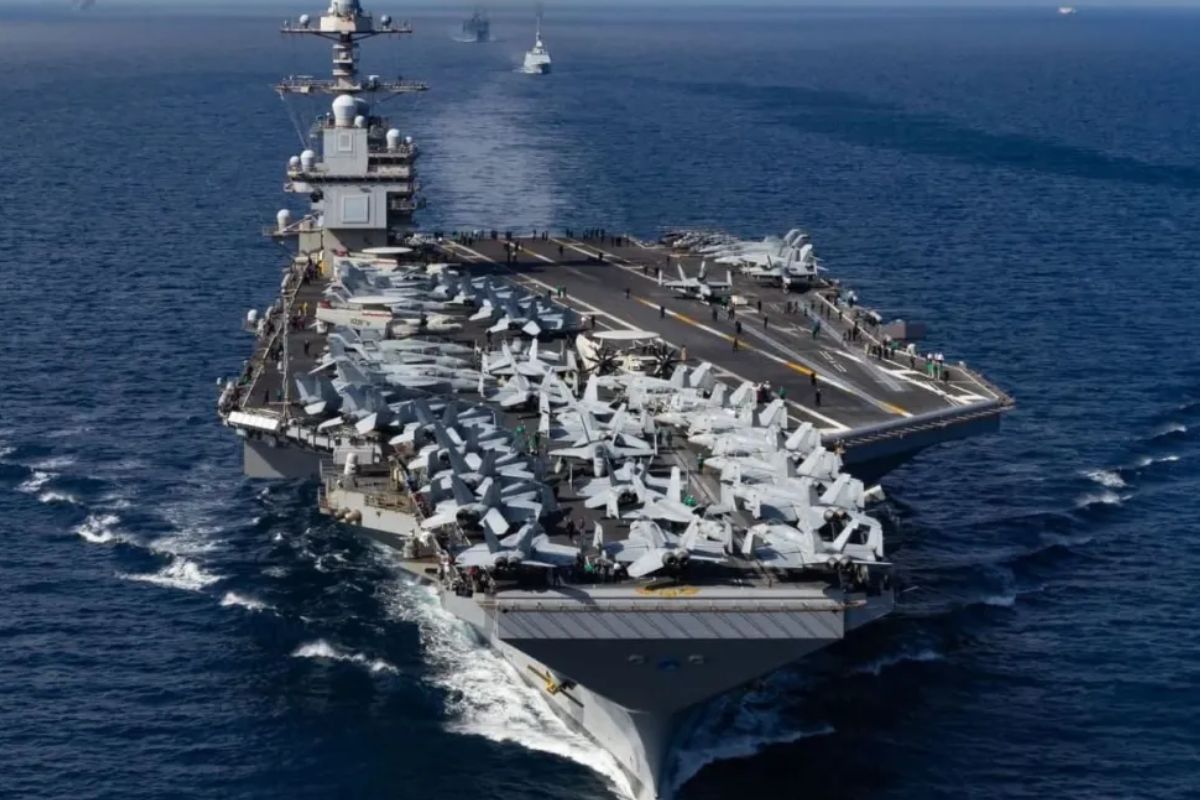
USS Gerald R. Ford, the largest aircraft carrier in the world, returns to sea after a fire in the laundry in the Red Sea; repaired in Crete, it resumes missions of Operation Epic Fury against Iran.
-
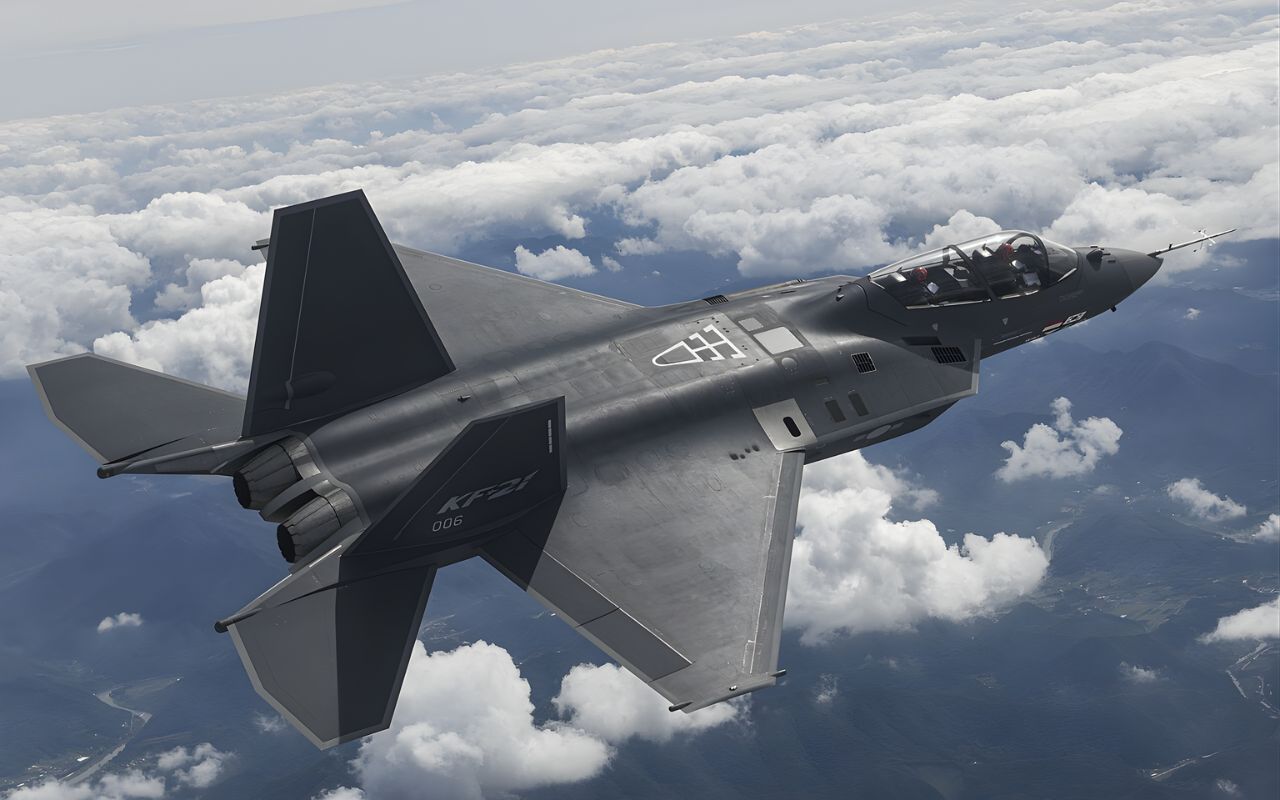
Military power: South Korea’s new KF-21 fighter jet will be a key component in replacing the aging aircraft of the air force, placing the country on the map of air military powers.
-
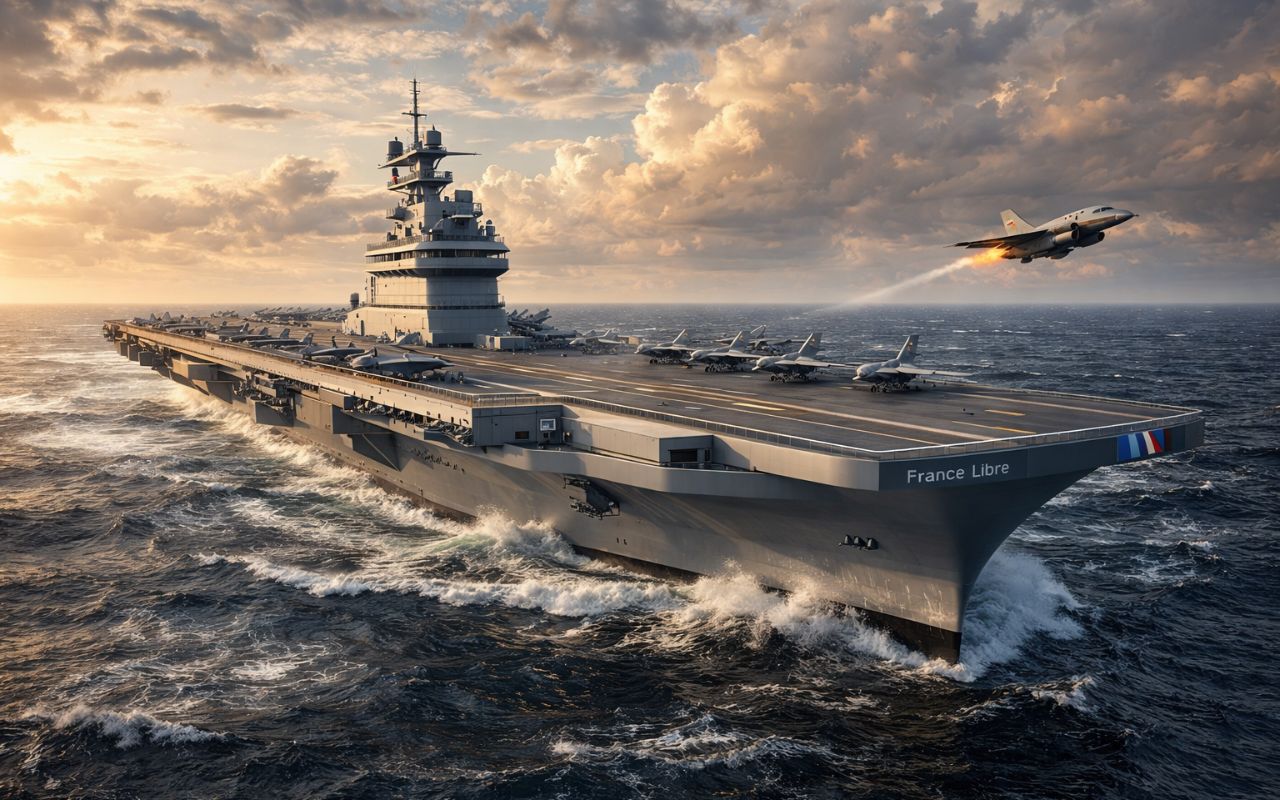
With 310 meters, 80 thousand tons, and capable of operating for 45 years, the new nuclear aircraft carrier France Libre will be the largest in France and will enter service in 2038.

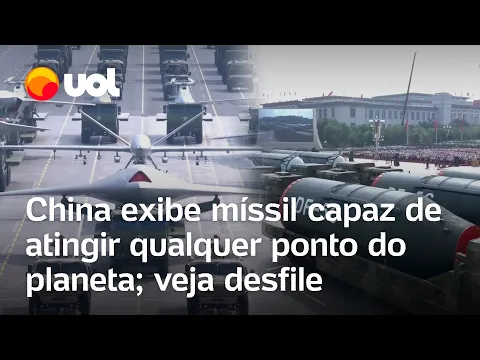

According to experts, the presentation of the nuclear triad is considered a rare display of the strategic power of the government of Xi Jinping, sending a direct message to the West at a time of rising tensions with the United States.
Nuclear Triad and New Armaments
According to Reuters, the presence of the DF-5C symbolizes China’s technological leap in the nuclear field. Meanwhile, Xinhua, the Chinese state agency, highlighted that the displayed arsenal serves as a strategic “trump card” to safeguard national sovereignty.
In addition to intercontinental missiles, the parade showcased anti-ship missiles from the YJ family, capable of targeting aircraft carriers and large vessels. Models such as YJ-17, YJ-19, and YJ-20 can reach hypersonic speeds, exceeding five times the speed of sound. Experts consulted by AFP stated that this evolution seeks to counter U.S. naval power in the Taiwan Strait and the South China Sea.
During the rehearsals, military observers also noted the presence of unmanned underwater vehicles, including the AJX002 prototype, which is approximately 20 meters long. The country currently maintains the world’s largest program for extra-large unmanned underwater vehicles (XLUUV).
Expansion of the Nuclear Arsenal
The Stockholm International Peace Research Institute (SIPRI) estimates that China possesses approximately 600 nuclear warheads, still far from the more than 5,000 warheads held by the United States and Russia. However, studies indicate that Beijing could expand this number to 1,500 warheads by 2035, reflecting a policy of accelerated military modernization.
According to a report from the G1 portal based on SIPRI data, China’s nuclear program has been gaining prominence in international security forums and represents a significant shift in the global strategic balance.
Another system presented was the HQ-29, described by analysts as a possible “satellite hunter”, capable of intercepting missiles at altitudes of up to 500 km and neutralizing low Earth orbit satellites.
New Technologies Revealed
According to a recent article here on CPG, among the innovations displayed, a camouflaged rectangular vehicle caught attention, pointed out by the South China Morning Post as a laser defense system. According to reports, the technology could take down enemy drones and missiles. On social media platform X, profiles linked to the Chinese military asserted that it is the “most powerful laser defense system in the world.”
The event also showcased underwater drones, anti-missile shields, and experimental aircraft, expanding the perception that China is aiming to develop a diversified arsenal, combining nuclear, hypersonic weapons, and emerging technologies.
Experts note that this strategy follows the global trend of military modernization, where countries prioritize both offensive capability and innovative defensive systems.
Geopolitical Context
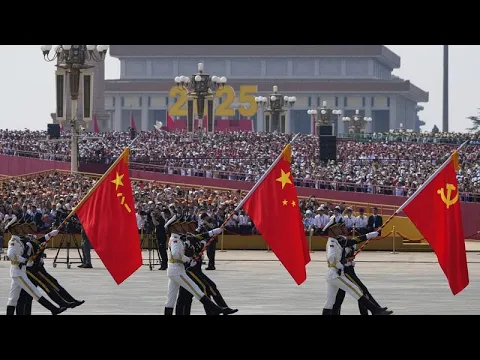
The military display took place in the Tiananmen Square in Beijing, in front of political and military leaders. The parade was marked by strong symbolism, reinforcing the narrative of Xi Jinping’s government that China is prepared to protect its sovereignty against external pressures.
Official sources emphasized that all displayed weapons are of “national manufacture” and are already operational. The decision to showcase them publicly is interpreted as a direct message to the United States and its allies, especially in light of territorial disputes in the Pacific.
The event, broadcast live by Chinese state television, reinforced the image of China seeking to expand its global military influence and establish itself as a protagonist in the new international order.
In your view, to what extent does the advancement of the Chinese arsenal represent a direct threat to the United States and its allies?








Depende dos EEUU. Se houver respeito, nenhum perigo. Se desrespeito, poderá decretar a extinção dos EeUu.
O Brasil precisa urgentemente desenvolver uma indústria para a fabricação desse tipo de armas e criar uma força armada especial para lidar com as armas intercontinentais brasileiras as quais deverão ir desde submarinos nucleares com capacidade se lançarem míssies de grande porte até lançadores terrestres móveis com míssies com 15.000 km de alcance e carga útil de duas à cinco toneladas.
Também precisamos melhorar nossas leis sobre soberania.
Também precisamos de um escudo anti mísseis
Deveria pegar o dinheiro do petróleo na região amazônica , claro isso se burocracia deixar explorarmos o petróleo que existe lá e usa-lo somente em devesa militar. Por que logo logo as grandes nações vão inventar qualquer.coisa para invadir países com riquezas **** e o Brasil vai ser um deles. Precisamos urgente de modernizar nossas forças armadas e investir pesado em defesa nacional.