





 Portuguese
  English
  Spanish
  5 min of reading
  0 comments


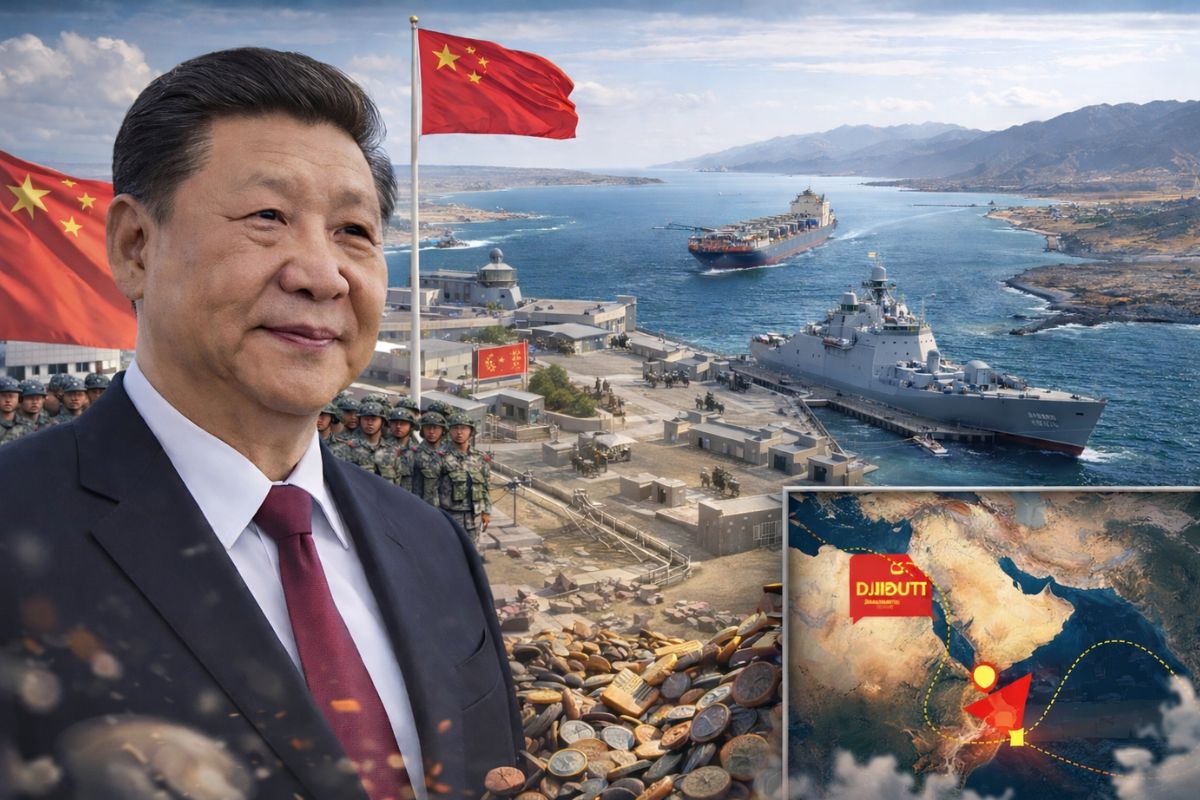
China has consolidated its first military base abroad in Djibouti, in the Horn of Africa, near the Bab el-Mandeb Strait, with an investment of over $500 million, a dock capable of receiving aircraft carriers and 2,000 permanent soldiers, just 11 kilometers from the main American installation in the region.
China chose the most strategic point on the planet to establish its first military base outside of Asian territory. The installation is located in Djibouti, a tiny country in the Horn of Africa that controls access to the Bab el-Mandeb Strait, the maritime corridor that connects the Indian Ocean to the Red Sea and the Suez Canal. More than a quarter of all global maritime trade passes through this strait. Whoever controls Bab el-Mandeb controls a vital artery of the world economy.
The Chinese base began operations in 2017 and represented a historic shift in Chinese military policy. According to information from the portal Cronista, the total investment exceeded $500 million, according to various specialized reports. The installation occupies approximately 0.5 square kilometers and has infrastructure that goes far beyond a simple logistics center. A deep-water dock over 330 meters long, capable of receiving aircraft carriers and submarines, an operational runway with a control tower, a helicopter platform, and high-capacity underground warehouses. And all this just 11 kilometers from the main U.S. military base in the country, Camp Lemonnier.
Why China chose Djibouti for its military base

image: elpais
There is no accident in the choice of Djibouti. The country, despite being one of the smallest in Africa, is paradoxically one of the most important on the planet in strategic terms. It is positioned exactly at the connection between three continents: Africa, Asia, and Europe.
-
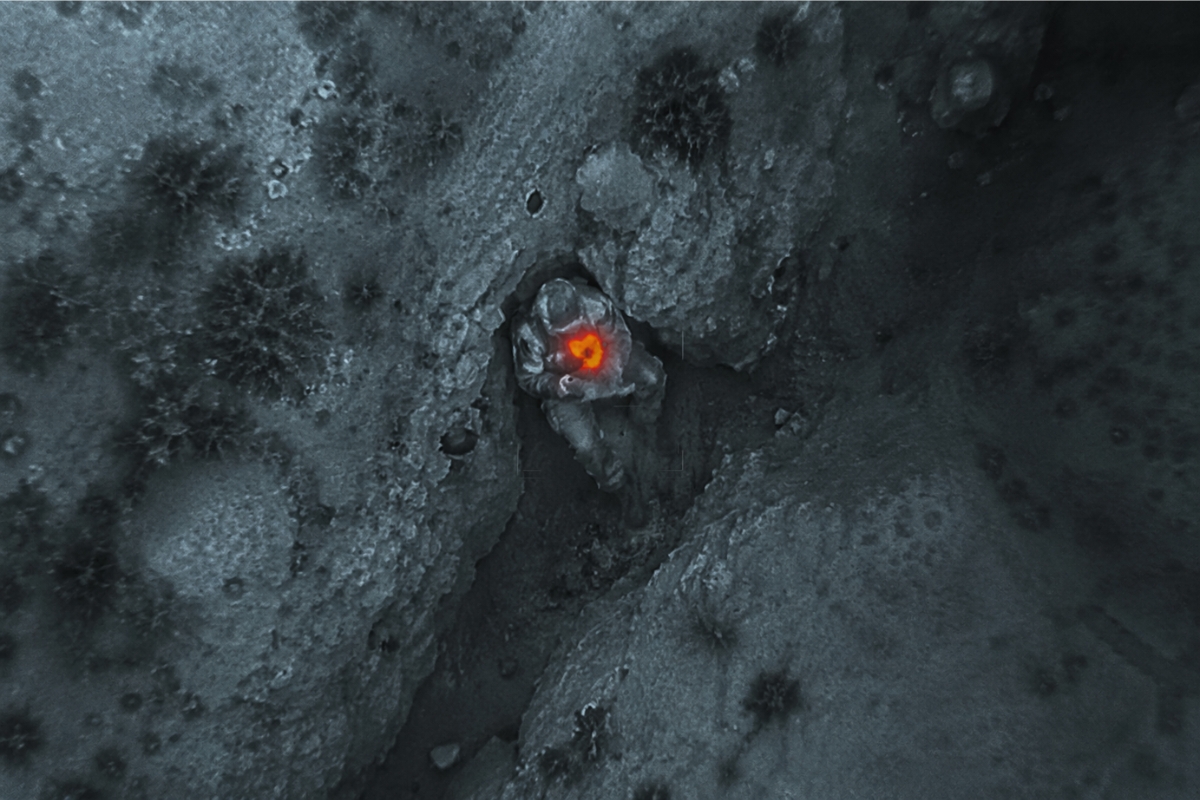
The USA would have located a downed pilot in Iran using technology capable of identifying the electromagnetic signature of the human heart from up to 60 km away.
-
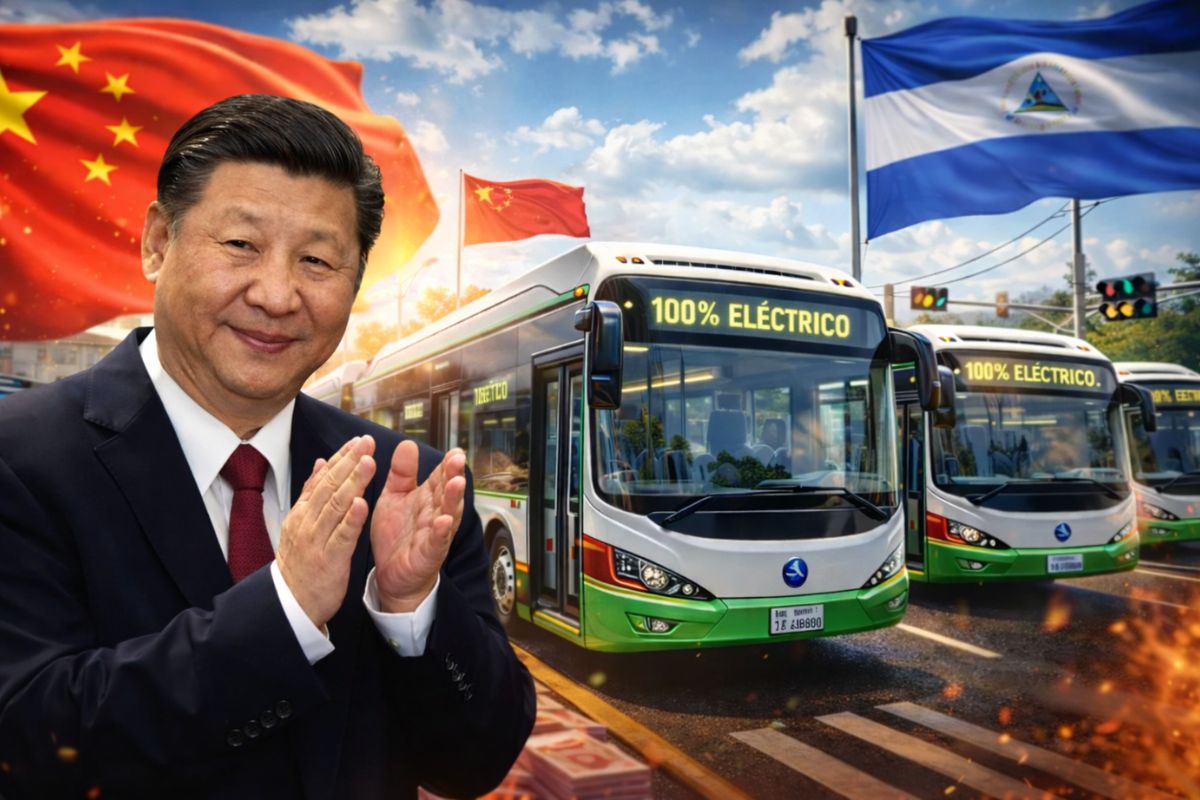
China will deliver more than 2,280 electric buses to Nicaragua and transform the public transport of the entire country into a showcase of Chinese technology in the backyard of the United States in Latin America.
-
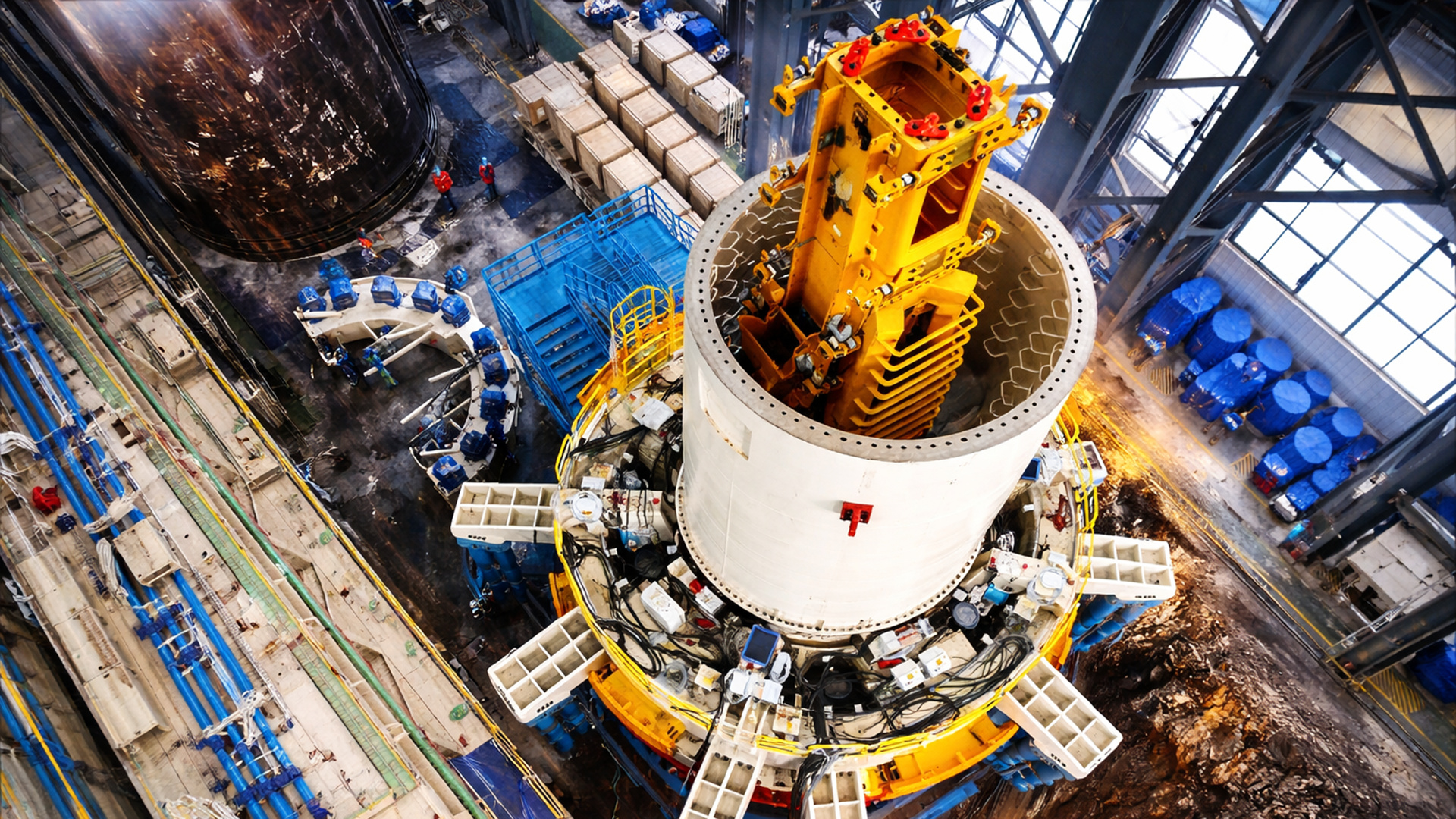
China tests a 500-ton drilling machine that descends more than 1,000 meters into hard rock and could change mining by providing direct access to mineral deposits that were previously too deep, too expensive, and too complex for economic exploration.
-
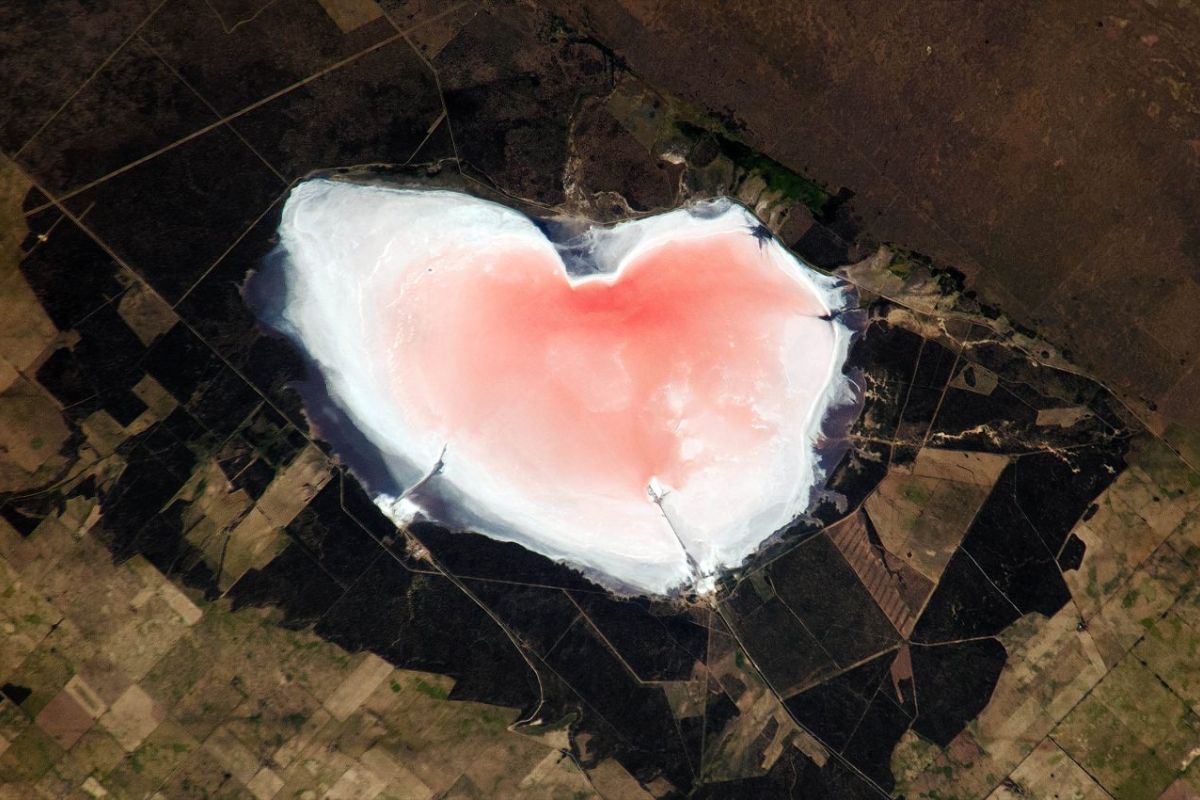
NASA photographs a pink salt lake in the shape of a heart in southern Argentina, revealing salt flats that change with rain and evaporation, with color generated by halophilic microorganisms like Dunaliella salina and flamingos.
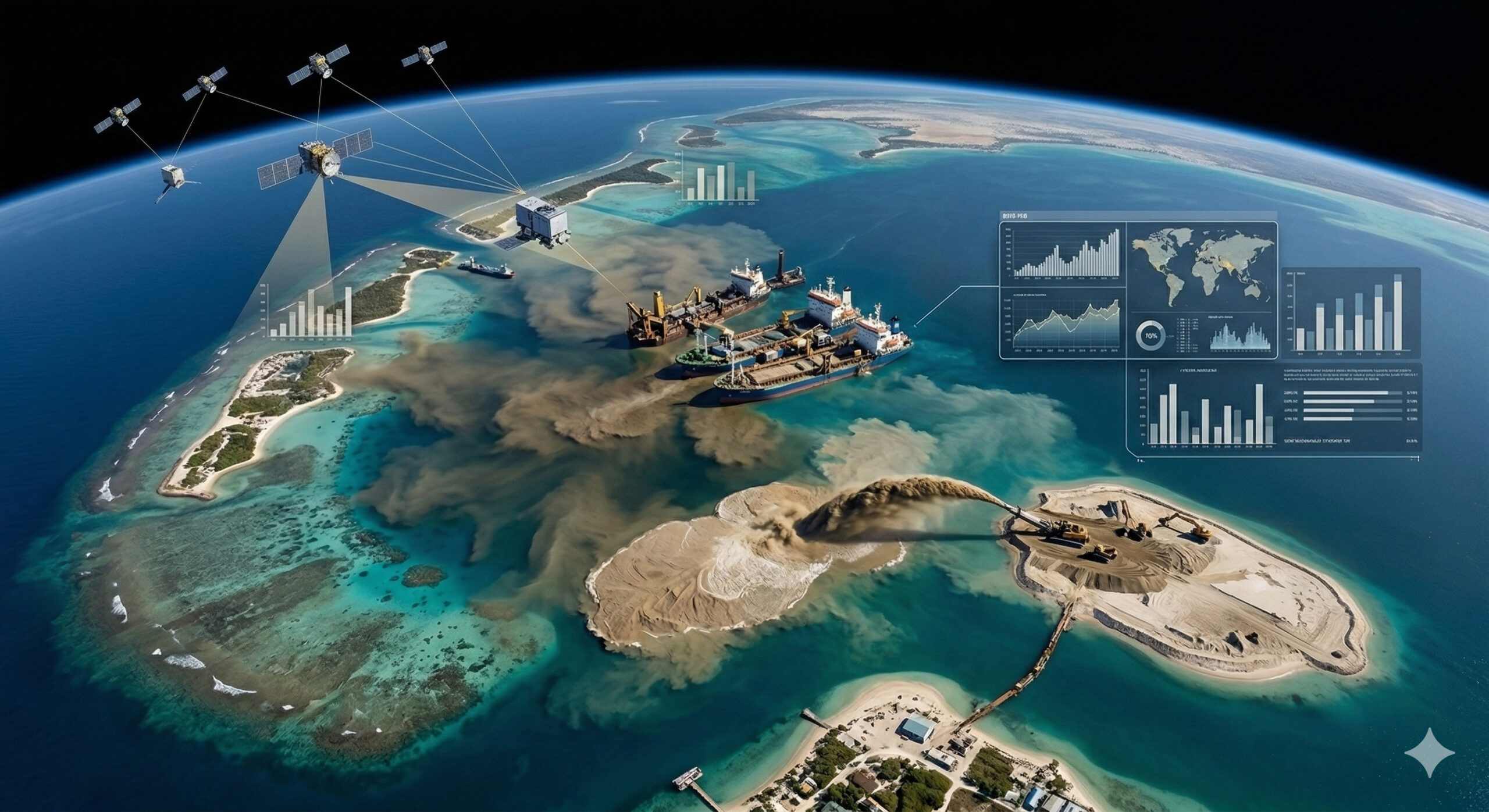
The Bab el-Mandeb Strait, which Djibouti controls, is one of the busiest maritime corridors in the world, essential for the transport of oil and energy, goods between Asia and Europe, and the main trade routes of the Red Sea.
China signed a defense agreement with Djibouti in 2014, which facilitated the use of local ports by the Chinese Navy. In 2016, it began constructing “support facilities” in the Gulf of Tadjoura, near the multipurpose port of Doraleh, operated by Chinese companies.
The contract provides for a ten-year lease, with an estimated annual payment of $20 million. Integrated into the Maritime Silk Road, China’s base also serves as military backing for its investments in ports, railways, and infrastructure projects throughout Africa.
What exists inside the Chinese base in Djibouti
The Chinese installation in Djibouti is not a temporary camp. According to reports from the United States Department of Defense to the American Congress, the base includes barracks, underground facilities, a runway, hangars for drones and helicopters, and a dock capable of accommodating aircraft carriers, large combat ships, and submarines.
A battalion of Chinese marines, with approximately 400 soldiers, is based at the site, although estimates suggest up to 2,000 permanent military personnel.
Initially presented to the public as part of civilian complexes, the installation has been expanded to include naval capabilities.
China had denied that it was in negotiations for a military base until construction began in 2016.
The Pentagon assesses that the base expands the expeditionary capabilities of the Chinese army and allows for power projection beyond the Western Pacific. China has also attempted to restrict the airspace over the base, according to reports from the American Department of Defense.
The most militarized territory in the world: who else is in Djibouti
The case of Djibouti is unique because, despite its tiny size, the country has become one of the most intensely militarized points on the planet.
Within its borders coexist bases from different world powers. In addition to China, the United States, France, Japan, and Italy maintain a military presence in the region. This concentration reflects the importance of the location: to control or monitor Bab el-Mandeb means having the capacity to respond to crises in the Middle East, protect energy routes, and monitor trade between Europe and Asia.
Camp Lemonnier, the U.S. base in Djibouti, is the headquarters of the U.S. Army Africa Command and is located just 11 kilometers from the Chinese installation.
This proximity creates constant tension. Members of the American Congress and Pentagon officials closely monitor the Chinese presence, especially due to Djibouti’s strategic location and the debt that the African country has accumulated with China.
Djibouti is one of the few countries in the world that hosts bases from multiple powers at the same time, which explains its disproportionate weight on the global geopolitical chessboard.
The greater strategy of China beyond Djibouti
The base in Djibouti is not an isolated case. It is part of a long-term strategy by China to become a global military force capable of projecting power far from its shores.
The Pentagon has assessed, in reports to Congress, that China seeks to expand its logistics infrastructure and bases abroad to allow its military to project and sustain military power at increasingly greater distances.
There are already speculations about a second Chinese naval base on the Atlantic coast of Africa, with Equatorial Guinea, Angola, and Namibia among the mentioned locations.
Africa alone is home to over 10,000 Chinese companies, one million Chinese immigrants, and approximately 260,000 workers, most linked to Silk Road projects. China’s presence in Djibouti is the military face of a strategy that combines economic, diplomatic, and security investments.
In 2015, the base in Djibouti already demonstrated its utility when China evacuated 621 Chinese citizens and 279 foreigners from 15 countries in Yemen during the escalation of the Yemeni conflict. Since then, the installation has only grown in size and capacity.
Is China rewriting the military map of the world?
A $500 million base, a dock for aircraft carriers, 2,000 permanent soldiers, and a location that controls one of the most important routes of global trade.
China has planted its flag at the exact point where Africa, Asia, and Europe meet, just a few kilometers from the main American base in the region. What seemed unthinkable two decades ago is now a reality.
And you, do you think China’s military presence outside of Asia changes the balance of power in the world? Does it concern you or is it just a matter between powers?







Seja o primeiro a reagir!