






 Portuguese
  Spanish
  4 min of reading
  0 comments


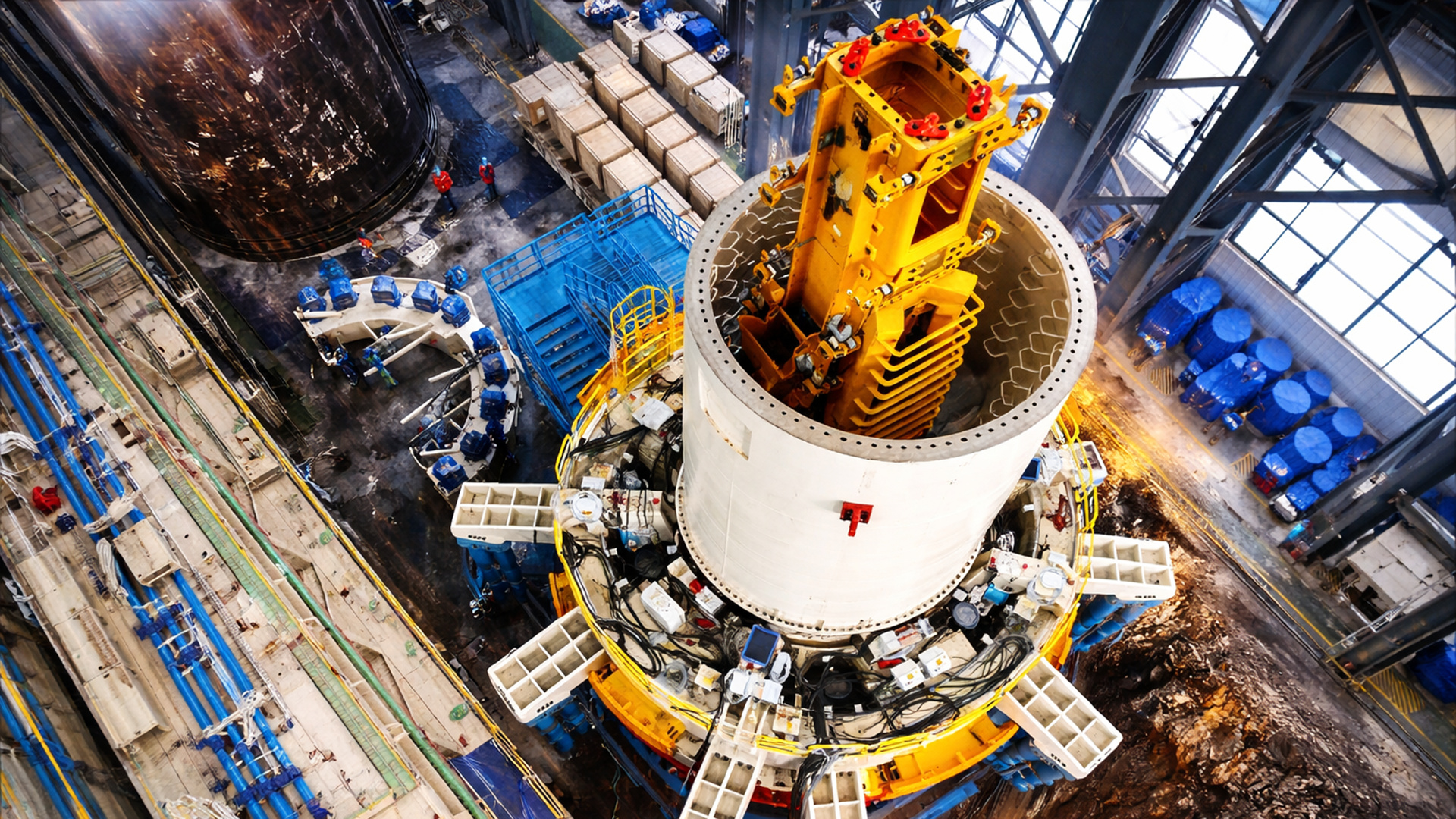
The Gangtie Jiliang drilling machine, developed in China, weighs 500 tons, has more than 8 meters in diameter, and is already operating in a mine in the northeast of the country to reach iron ore more than 1,000 meters deep in hard rock
China has put into operation a 500-ton drilling machine capable of vertically excavating in hard rock at depths exceeding 1,000 meters, in an initiative aimed at accessing mineral reserves located far below the surface. Named Gangtie Jiliang, the structure is already working in a mine in the northeast of the country, where it is used to reach iron ore that was previously considered too deep or complex for economic extraction.
With a diameter of over eight meters, the drilling machine is designed to open vertical shafts with a full face, altering the traditional logic of mining based on horizontal excavations. The proposal is to create more direct routes to underground deposits, with continuous advancement in severe conditions of solid rock.
Drilling machine expands the reach of deep mining
The Gangtie Jiliang is described as the world’s first drill capable of excavating full-face shafts in hard rock at depths greater than 1,000 meters. The structure has been nicknamed the “steel backbone” and combines large physical size with a specific focus on deep mining.
-
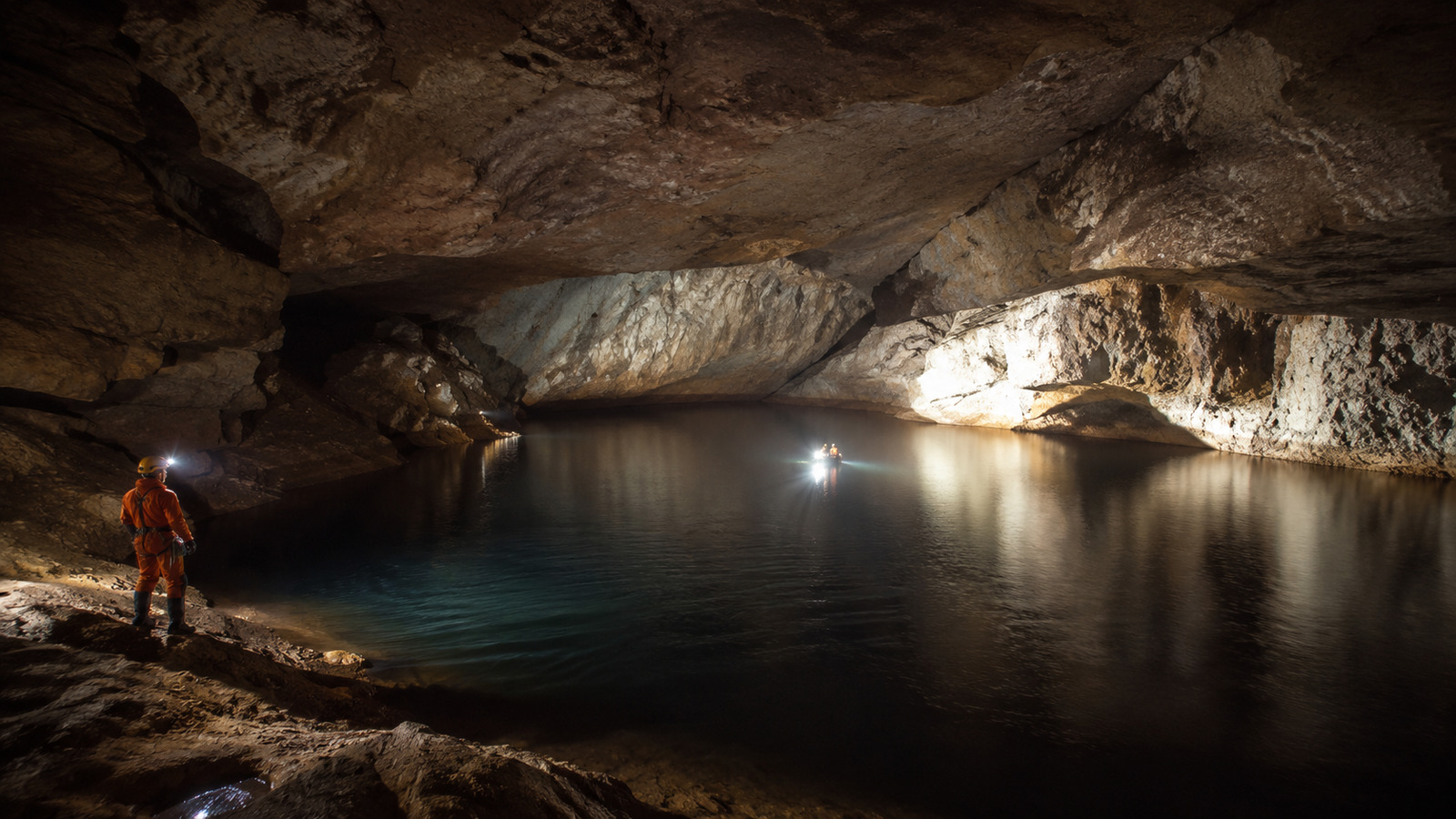
Hidden beneath a small entrance in Namibia’s underground, the largest underground lake in the world is the size of 2 football fields, 264 meters deep, and even has rare animals that survive without sunlight.

-
The industry relies on oil to manufacture plastic, but a 16-year-old girl used banana peels and managed to create a bioplastic after two years of attempts.

-
Argentina issues radiological emergency alert after theft of Cesium-137, a substance that can cause severe burns and death, and became famous in Brazil due to the Goiânia accident in 1987.

-
While the world tries to prevent plastic in the oceans, an 18-year-old used oil, rust, and a magnet to solve the problem before it reaches the sea.



The equipment was developed by a large Chinese state-owned engineering company. Its operation in a mine in northeastern China marks the practical use of technology to access reserves that were previously out of economic reach by conventional techniques.
The drilling machine operates directly from the surface, opening a vertical passage to the deepest layers of the underground. This model reduces part of the reliance on horizontal excavations and seeks to make access to mineral deposits more efficient.
Structure was created to drill hard rock
One of the main differentiators of the drilling machine is its ability to specifically operate in hard rock, one of the biggest barriers to deep mining. The system uses a large circular cutting head that covers the entire diameter of the shaft and drills vertically in a manner similar to a large electric drill.
Operation at high depths involves obstacles such as extreme pressure, heat, and resistance from the rocky material. The new system was designed precisely to maintain continuous and stable drilling in the face of these conditions, which have historically been difficult for mining.
The advancement comes at a time when shallower mineral deposits are becoming harder to locate. As a result, the exploration of deeper reserves is gaining traction, even in the face of the costs and technical demands of this type of extraction.
Technical challenges yielded patents for the project
Chief designer Ding Zhangfei stated to Science and Technology Daily that the development of the equipment overcame several significant technical obstacles. The process resulted in multiple patents, consolidating the drilling machine as a project with strong technological content.
Among the most persistent challenges was the efficient removal of large volumes of fragmented rock and mud during excavation. Addressing this point was essential to ensure operational continuity and avoid interruptions in the vertical advancement of the shaft.
The machine’s performance in a real environment will be crucial to measure its efficiency over time. The operation in the Chinese mine serves as the first concrete test to evaluate whether the technology can sustain productivity and stability on an industrial scale.
Impact could reach extraction and surface
In addition to operational gains, the drilling machine could alter the relationship between deep mining and the surface. More direct access to underground resources tends to reduce the need for extensive excavations in the surface layer, often associated with soil degradation and ecological disturbance.
The technology also fits into a broader movement towards the adoption of advanced solutions for mineral extraction. The increasing demand for resources and technological advancements drive the search for methods capable of reaching reserves previously considered inaccessible.
If the Gangtie Jiliang confirms consistent results, the drilling machine could influence similar projects in other countries. This scenario would pave the way for a new standard of mineral resource extraction at great depths.





Be the first to react!