





 Portuguese
  English
  Spanish
  4 min of reading
  0 comments


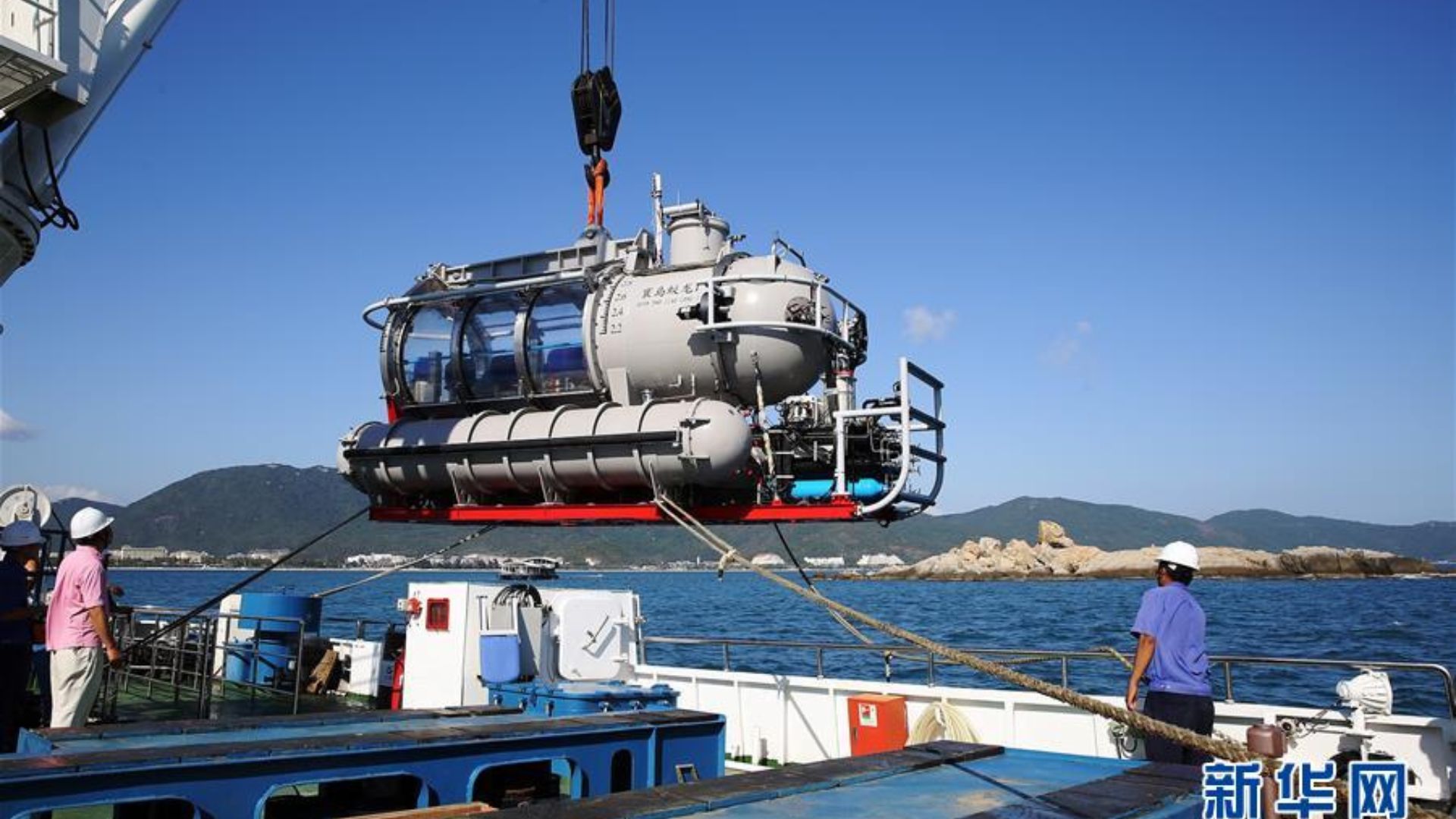
Chinese project bets on extreme tourism in the deep ocean with high-pressure technology and unprecedented access to little-explored areas of the planet, aiming for commercial operation by the end of the decade with a submersible capable of taking passengers to areas without light and under extreme conditions.
China has advanced in the project of its first deep-sea tourist submersible, planned to dive to about 1,000 meters and carry four people per trip, consisting of three passengers and one crew member.
According to the schedule presented by the China Ship Scientific Research Center in Wuxi, the prototype is expected to be built by the end of 2026, with sea tests to follow and the prospect of commercial operation before 2030.
The announcement marks a scale shift in Chinese underwater tourism.
-
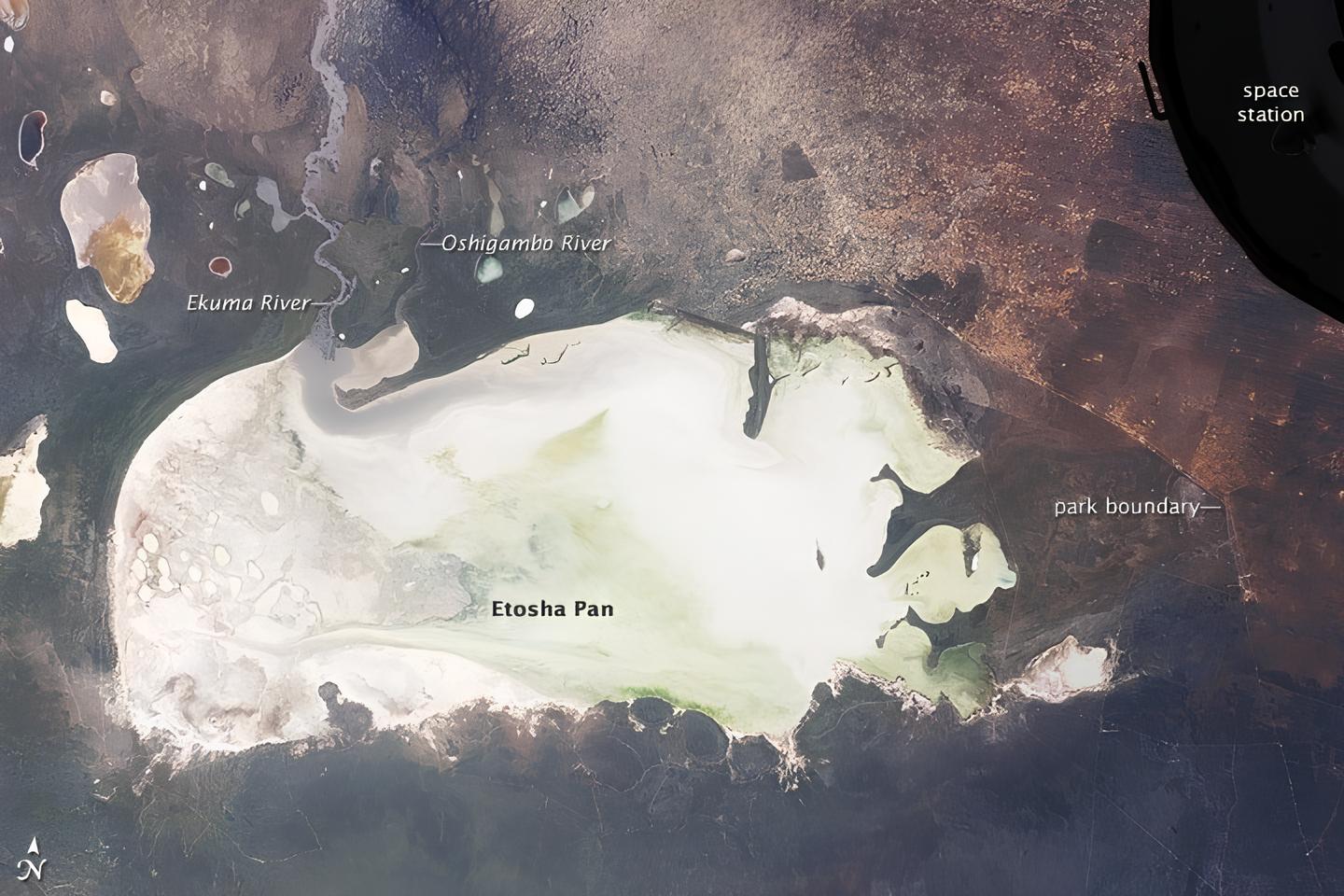
With up to 130 km in length, the Etosha Pan in Namibia remains almost the entire year as a white, cracked basin in the desert, but when the rare rains arrive, it transforms into a lake visible from space that reappears in the midst of one of the driest regions on the planet.
-
Not in the refrigerator, much less near the stove: this is the correct way to store tomatoes.

-
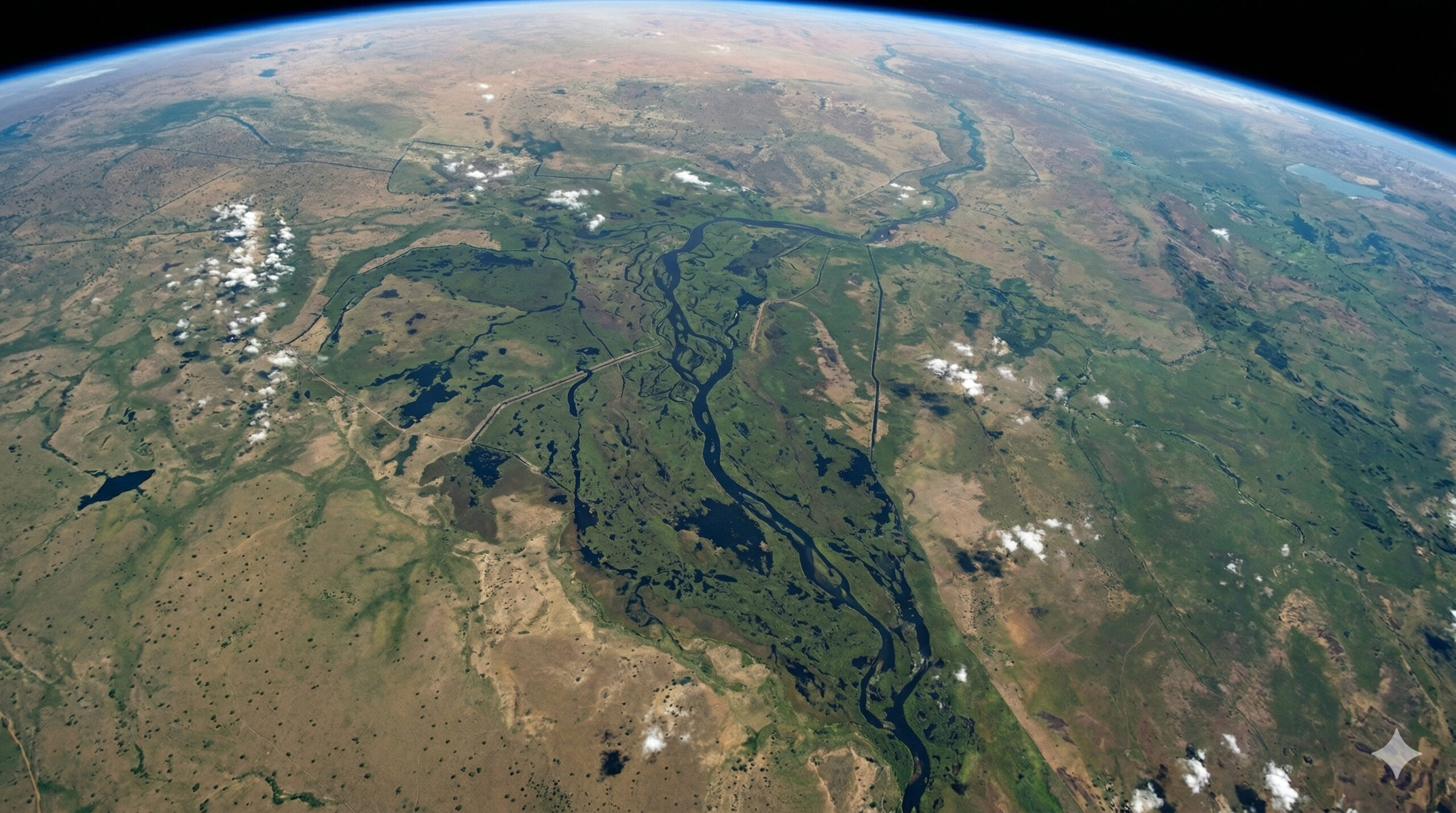
In South Sudan, the Sudd swamp, the size of England, causes the White Nile to lose more than half of its volume due to evaporation, forms floating islands of up to 30 km that move and block entire rivers, and for almost 2,000 years has prevented even armies and explorers from crossing this living labyrinth that changes shape every year.
-
Alone in the forest for 11 days, an indigenous teenager from Acre recounts how he changed his path, got lost in the dense jungle, and survived on wild fruits, water, and calm until he found a way out and was rescued.

Today, the country already operates dozens of tourist submersibles, but these devices work at much shallower depths, around 20 meters, which restricts their use to reservoirs, lakes, and coastal areas.
The new proposal aims to take this activity to a range so far associated mainly with scientific research and high-complexity technical missions.
Deep-sea tourism reaches a new level
According to Ye Cong, director of the Wuxi research center, engineers have completed the structural design phase after more than four years of work.
The team has also developed components considered central to the vessel, including the panoramic viewport, which is noted as one of the most challenging parts to design in a vehicle intended for great depths.

The transition from design to operation, however, still depends on critical stages.
After the construction of the prototype, the plan includes sea trials to validate the system’s performance, measure the vessel’s behavior in a real environment, and adjust the design before any market launch.
So far, therefore, there is no commercial service available, but rather a program in development with public goals for the coming years.
Extreme pressure and absence of light challenge engineering
The goal of 1,000 meters does not merely represent a numerical leap compared to the submarine tours already offered.
NOAA reports that sunlight decreases sharply below 200 meters, while ocean research institutions record that, around 1,000 meters, even residual light disappears, leaving the environment in permanent darkness.
In this scenario, the demands on engineering grow rapidly.
NOAA itself explains that pressure increases by about one atmosphere for every 10 meters of depth, which helps to frame the structural challenge faced by a tourist vehicle designed to operate in deep waters with minimal safety, visibility, and habitability for civilian passengers.
That is precisely why the panoramic viewport is central to the design.

Unlike shallow models, a submersible designed for this type of dive needs to combine an observation field for those on board with sufficient mechanical resistance to withstand forces far greater than those encountered in conventional tourist operations.
The program’s leaders state that this set of solutions has already entered the technical development phase.
Scientific experience supports technological advancement
The plan did not emerge from a structure without a history in the sector.
The China Ship Scientific Research Center is part of the China State Shipbuilding Corporation and works on programs related to China’s manned operational capacity on the seabed, an area where the country has been increasing its presence with vehicles such as Jiaolong, Shenhai Yongshi, and Fendouzhe.


This technical accumulation helps explain why the announcement attracted attention beyond the tourism market.
According to data released by Chinese state media, the country’s three manned research submersibles conducted more than 300 dives in 2025, a number presented by Ye Cong as exceeding half of the total global manned deep-sea expeditions that year.
Previous experience in underwater tourism also serves as a laboratory for the new leap.
In 2020, Chinese engineers had already introduced the Huandao Jiaolong, designed to take tourists to depths of up to 40 meters, in addition to a larger model then in preparation.
The distance between this standard and the 1,000-meter mark shows that the new project is not a simple capacity expansion, but a change in operational category.
Luxury market targets little-explored areas of the planet
The commercial appeal also relies on the rarity of the environment that the project promises to reach.
NOAA reports, based on GEBCO 2025, that only 27.3% of the global ocean floor has been mapped using modern high-resolution methods.
In parallel, a study released in 2025 estimated that direct visual observations covered only 0.001% of the deep ocean floor in about seven decades.
In this context, the Chinese proposal attempts to transform a visit to the seabed into a product for a high-end niche.
Ye Cong stated that local tourism departments and travel agencies have already expressed interest in future partnerships, while the vessel is seen as a possibility for use by luxury operators, cruise companies, and even ocean researchers, provided that the next technical stages confirm the model’s viability.
What exists, for now, is a project with a completed structural design, key components in development, and a timeline aiming for the end of 2026 for the prototype phase.
If the schedule is met, China could open an unprecedented route in underwater tourism by taking ordinary passengers to a range of the ocean where light disappears, pressure multiplies, and human exploration remains exceptionally limited.







Seja o primeiro a reagir!