





 Portuguese
  English
  Spanish
  2 min of reading
  0 comments


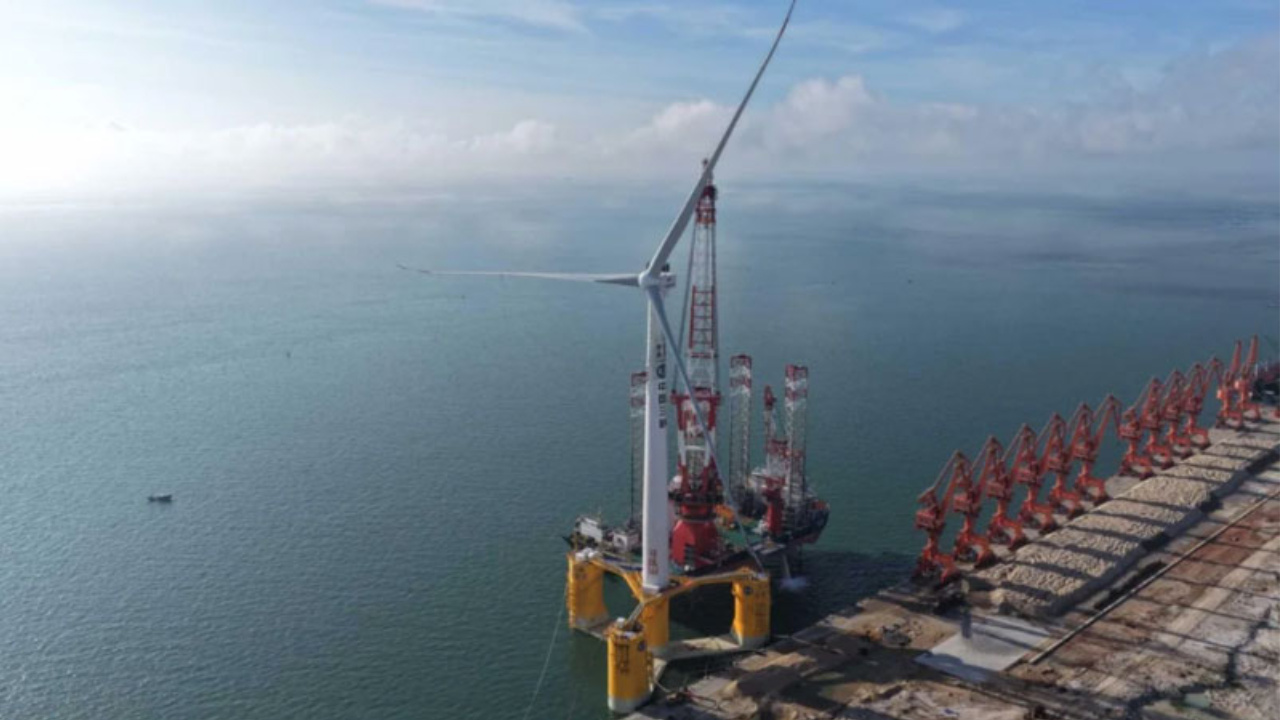
China Advances in Offshore Wind Energy with World’s Largest Floating Turbine Capable of Generating 44.7 Million kWh Per Year, Reinforcing Its Commitment to Clean Technologies and Self-Sufficiency.
China has reached a new milestone in offshore wind energy by launching the world’s largest floating turbine, as reported this Friday, the 10th. Located in Beihai, Guangxi Zhuang Autonomous Region, the installation promises to transform the country’s capacity to generate electricity from renewable sources. The turbine’s rotor, measuring an impressive 252 meters in diameter, is considered the largest in the world, covering an area equivalent to seven football fields.
Generation Capacity and Energy Impact
When fully operational, the turbine will be capable of producing approximately 44.7 million kilowatt-hours (kWh) annually. This energy is sufficient to power around four thousand homes in the United States, highlighting China’s potential to expand the supply of clean and reliable energy.
All components of the system, including anchoring cables, gearboxes, and ballast control systems, have been designed and manufactured domestically. This achievement reflects the country’s efforts to attain technological self-sufficiency and reinforces its leadership in the global energy transition.
-
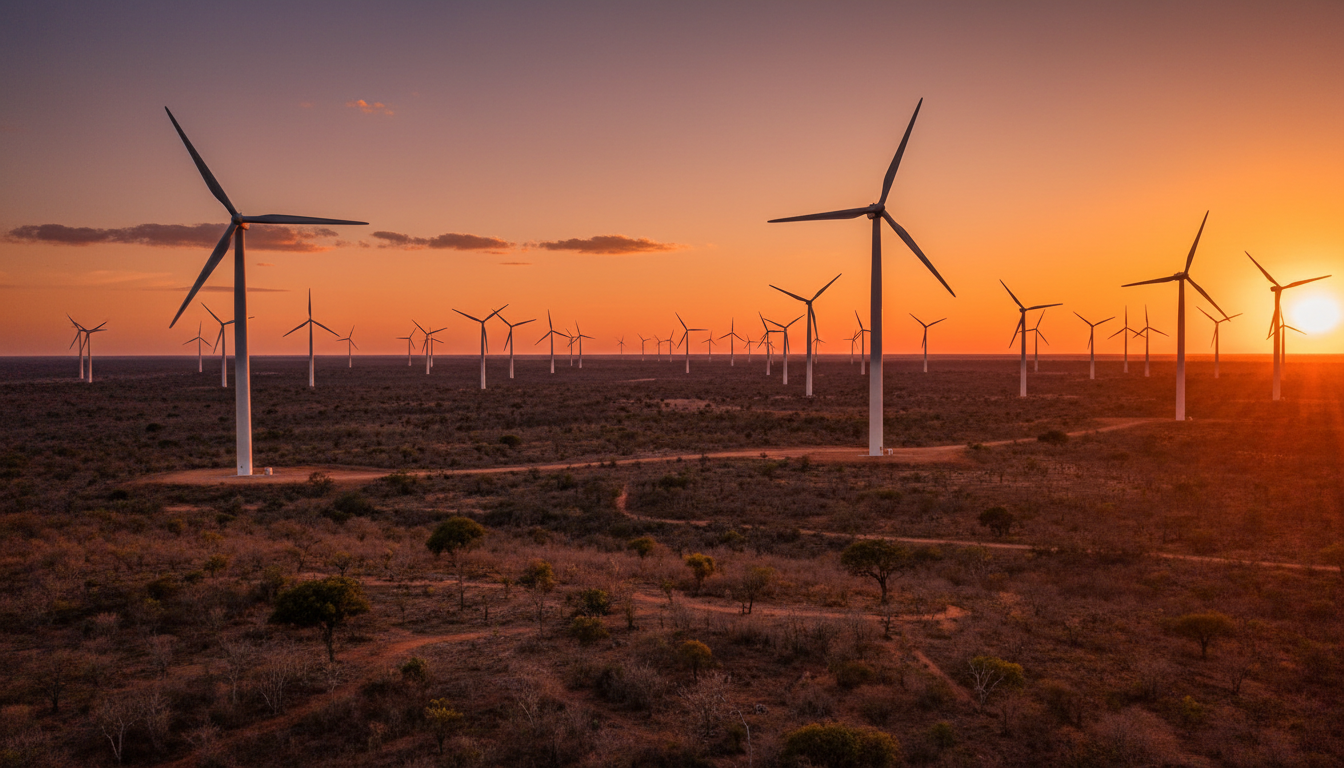
The Brazilian Northeast is receiving the largest wave of investments in clean energy ever seen in the country, with R$ 200 billion in wind and solar, 9,000 km of transmission lines, and a promise that could change the economy of 60 million people.
-
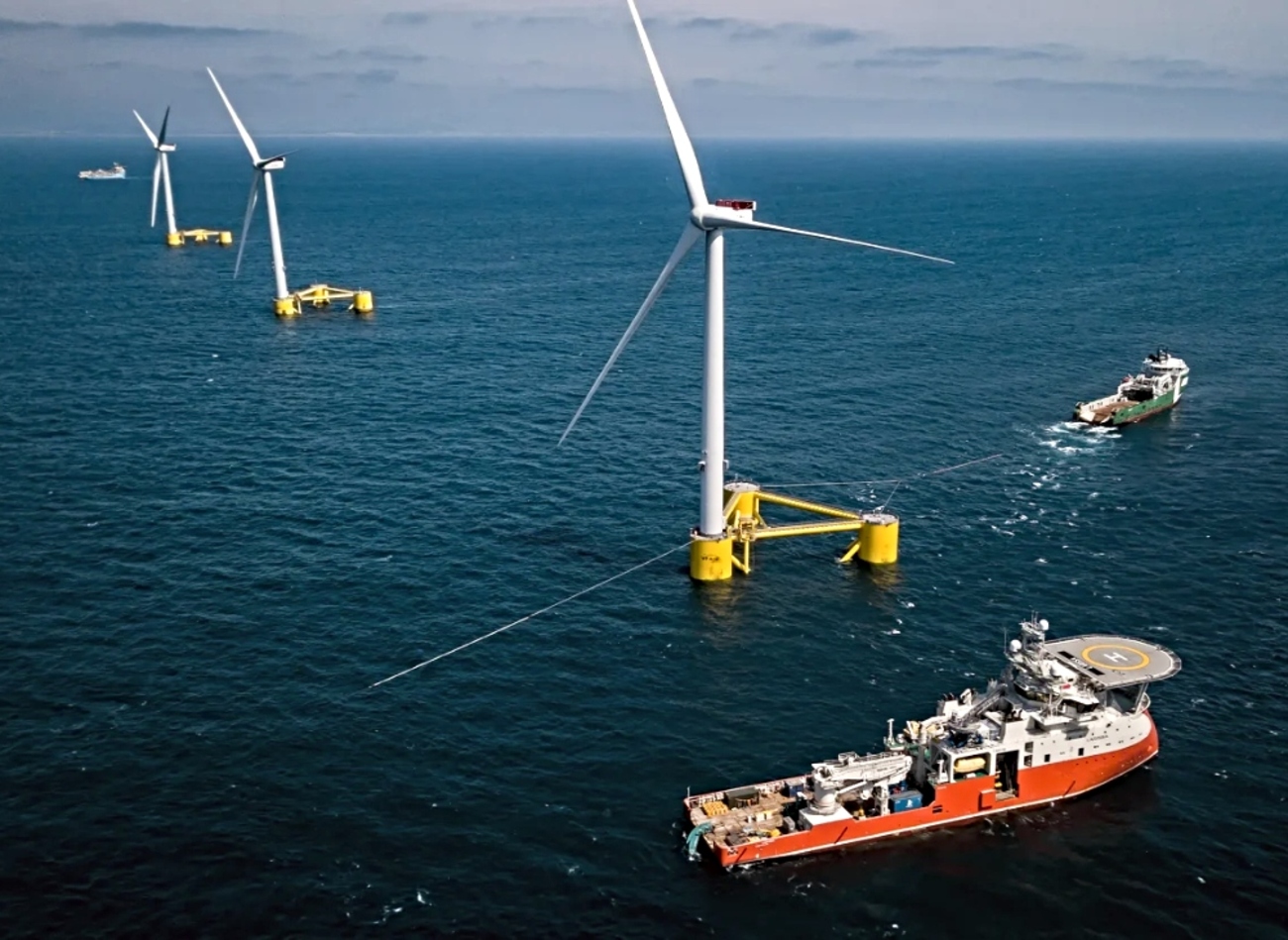
Investment in offshore wind energy could reach R$ 900 billion and promises to transform Brazil’s energy matrix in the next decade.
-
China accelerates offshore wind energy and sets new installed capacity records to lead global decarbonization.
-
Giant of the winds in Rio Grande do Norte: Serra do Tigre Wind Complex receives new investments and accelerates the expansion of clean energy generation to supply millions of Brazilian homes.
Semi-Submersible Platform and Dynamic Ballast System
The turbine was installed on a semi-submersible platform equipped with China’s first dynamic ballast system. This mechanism allows for adjusting the structure’s balance according to wind and wave conditions by pumping water in or out of tanks located in the three support columns.
This technological innovation reduces the platform’s tilt, minimizes the risk of downtime, and increases safety, enabling efficient operation even in challenging maritime environments. The next step will be to tow the turbine offshore, into waters deeper than 50 meters, where stronger and more consistent winds can be maximized.
With this initiative, China reinforces its position as a leader in the expansion of offshore wind energy, combining technological innovation, domestic production, and strategic utilization of maritime resources. The project demonstrates how advanced engineering can drive the global transition to sustainable energy sources.







-

Uma pessoa reagiu a isso.