





 Portuguese
  English
  Spanish
  3 min of reading
  0 comments


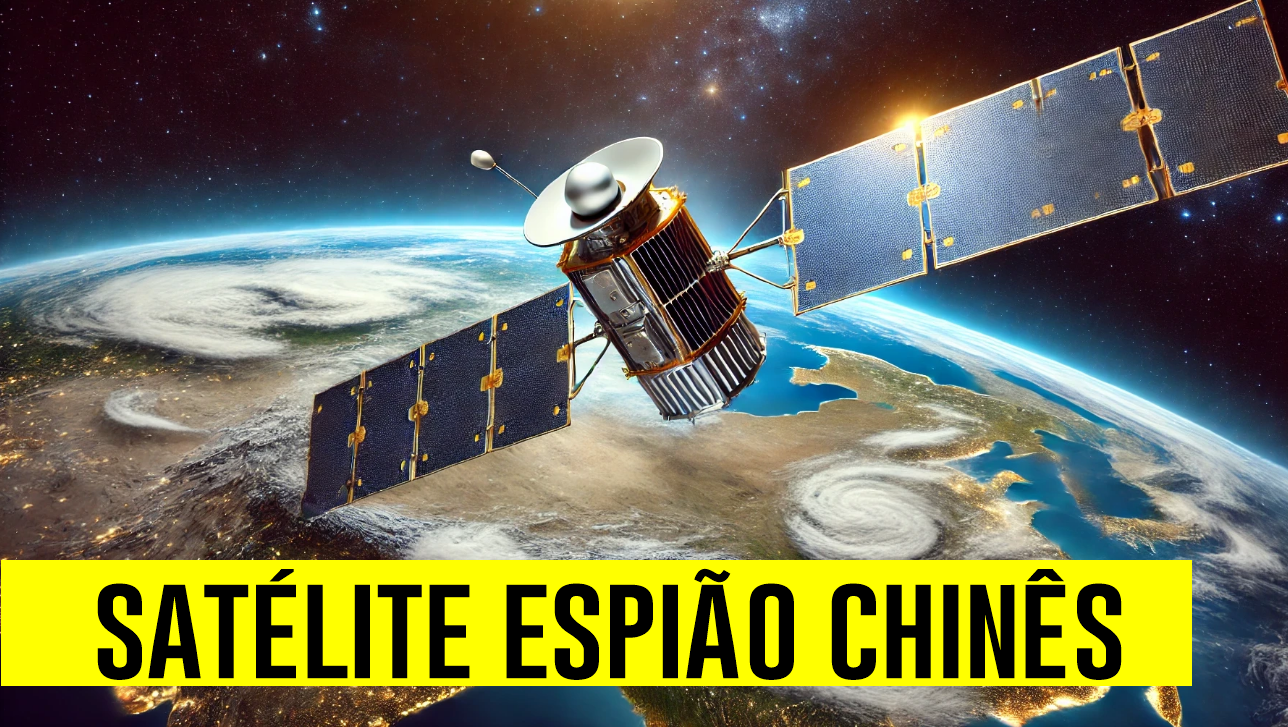
China Surprises by Launching the World’s First Autonomous Satellite, Equipped with Unprecedented Surveillance Capabilities, Marking a New Milestone in the Space Technology Race.
China has achieved a historic milestone by launching the world’s first autonomous satellites for Earth observation and surveillance. The devices, named Siwei Gaojing-2 03 and Gaojing-2 04, were sent into space on November 25, aboard a Long March 2C rocket, directly from the Jiuquan Satellite Launch Center.
Developed by the Shanghai Academy of Spaceflight Technology (SAST), these satellites promise to revolutionize how space surveillance is conducted. Equipped with autonomous navigation systems, they eliminate the need for constant ground control, adjusting their orbits independently.

Satellite with Cutting-Edge Technology for Continuous Monitoring
The Siwei satellites stand out for their advanced technology. Among their systems is synthetic aperture radar (SAR) and high-precision payloads, which ensure high-resolution radar images. This technology allows for detailed image capture, even under adverse conditions such as darkness, clouds, or fog.
-
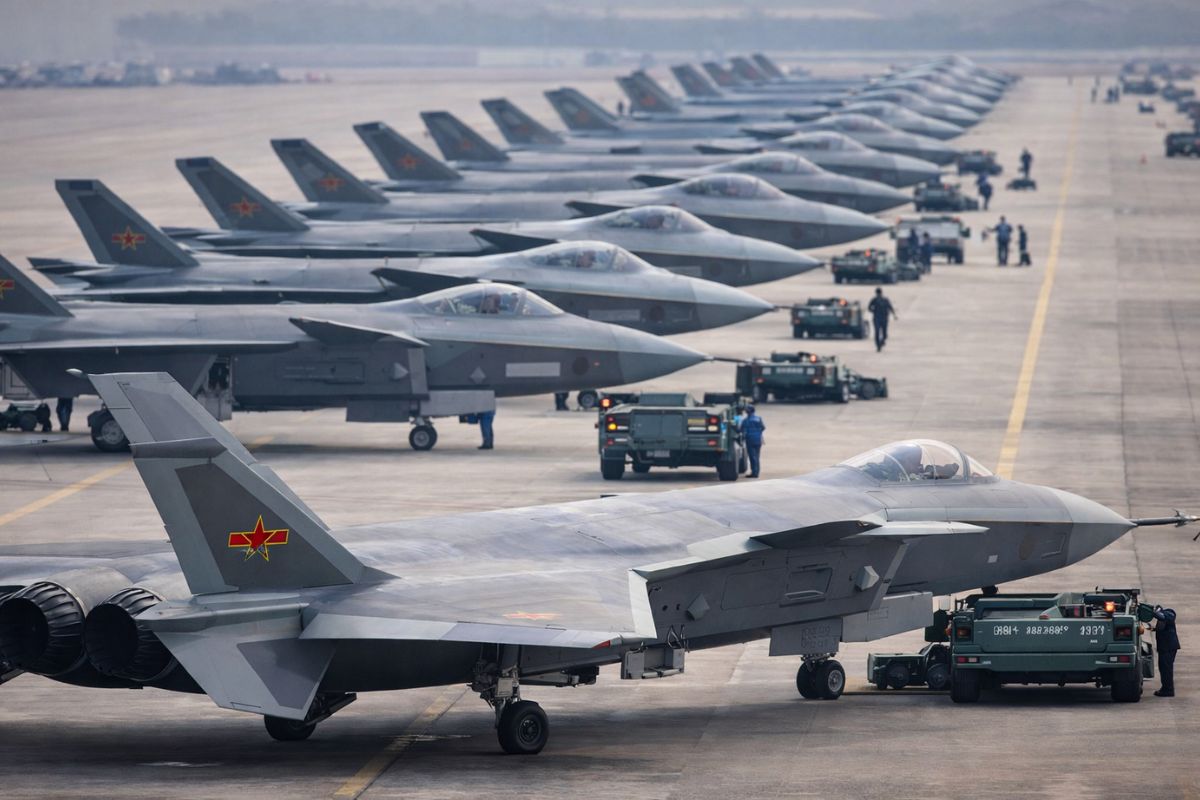
The United States has a serious problem with its F-35s: China is already producing fighters at a pace that exceeds American capacity and could manufacture up to 300 aircraft per year before the end of the decade, shifting the global military balance.
-
Remains with battle wounds of over 100 soldiers from the Roman Empire are found beneath a football field in Vienna, leaving everyone surprised.

-
Elon Musk notes Brazil and lowers the price of his internet, Starlink, promising to connect all corners of the country with affordable plans, 10,000 satellites, and 1 million active users in the national territory!

-
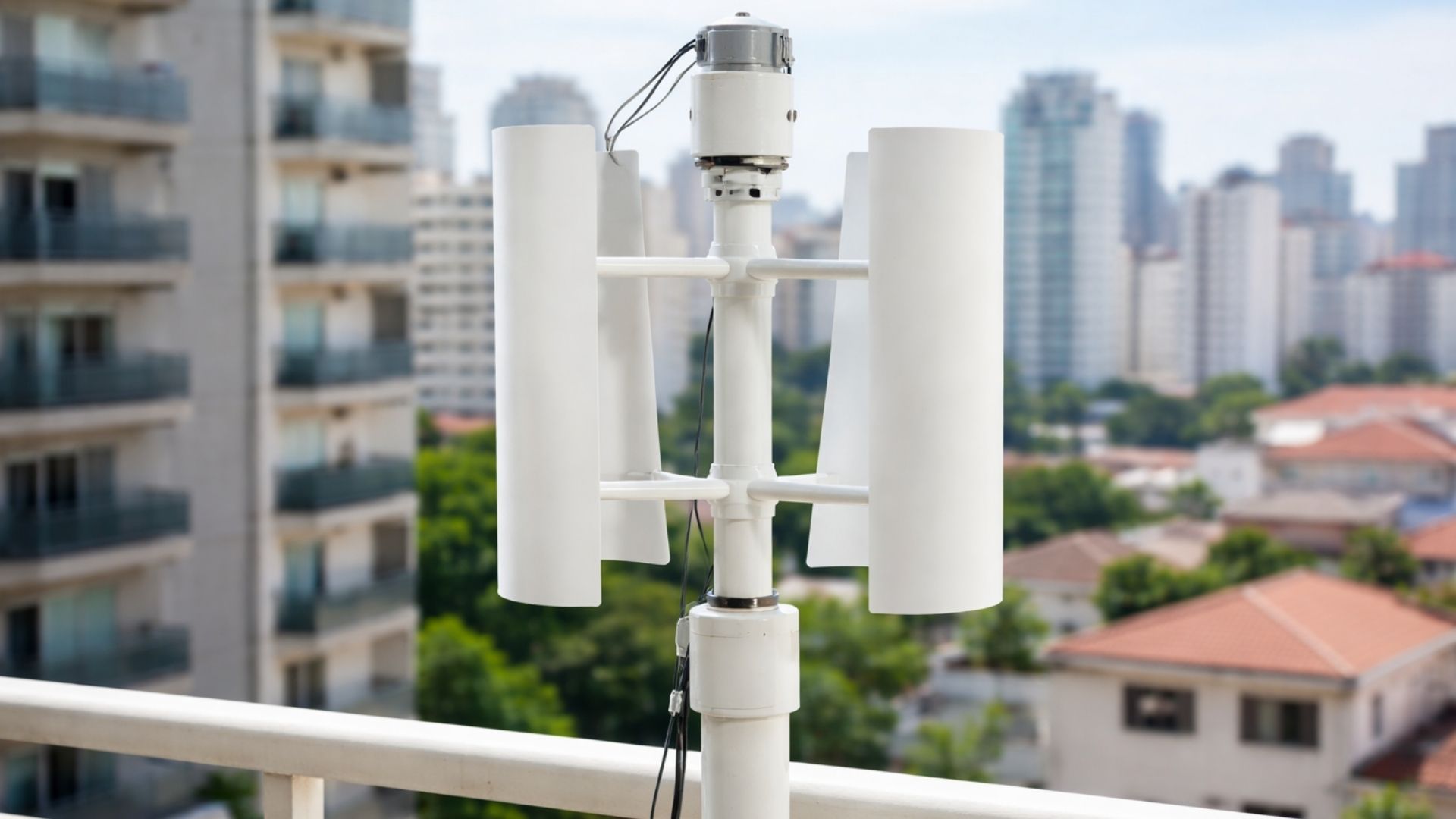
Man creates an infinite source of FREE electricity at home with a PVC wind turbine using a repurposed motor.
The autonomous capability not only enhances operational efficiency but also offers greater flexibility. The satellites can quickly respond to new mission demands or unexpected situations, maintaining uninterrupted and highly reliable surveillance.
Applications Beyond Military Surveillance
Although military surveillance is one of the main applications, the reach of the satellites goes far beyond. According to SAST, the Siwei Gaojing-2 are designed to provide useful data in various sectors, including natural resource monitoring, emergency management, and urban security.
In environmental monitoring, the devices will be able to map forests, water resources, and mineral deposits. The information gathered will be crucial for promoting sustainable resource management and supporting agricultural development.
Moreover, the high-resolution images will assist in maintaining critical infrastructures. This includes early detection of failures, contributing to public safety and preventing potential disasters. In cases of natural emergencies such as floods or earthquakes, the satellites will provide immediate images of affected areas, facilitating damage assessment and coordination of relief efforts.
SAST described these devices as “the first line of defense for disaster prevention and reduction,” highlighting their strategic role in global emergencies.
Part of a Broader Project
The Siwei Gaojing-2 are part of an ambitious commercial remote sensing constellation project led by the China Aerospace Science and Technology Corporation (CASC). The plan envisions the launch of at least 28 satellites that will form a comprehensive Earth observation network, catering to the needs of different economic sectors.
This effort integrates a larger strategy by China to strengthen its presence and influence in space. Just a few weeks ago, the country launched the Shijian-19, a reusable and returnable satellite, marking another significant advance.
Additionally, Beijing has been investing in innovative technologies, such as the development of a humanoid robot for a lunar mission planned for 2028. Private companies have also contributed to the sector’s expansion, with initiatives like space tourism offered by Deep Blue Aerospace.
Global Impact and Ongoing Innovation
The introduction of autonomous satellites represents a significant advancement in the global space sector. By reducing reliance on ground operations, these devices demonstrate how technology can transform monitoring and resource management on the planet.
China, by taking the lead in this field, shows that it is determined to compete on a global level, both in the development of autonomous technologies and in future-oriented commercial initiatives. Thus, the country not only expands its military surveillance capabilities but also redefines the standards for strategic use of space.
The Siwei constellation, therefore, symbolizes a new chapter in space exploration, where autonomy, precision, and innovation go hand in hand, shaping the future of Earth observation and space applications.






Seja o primeiro a reagir!