





 English
  Francês
  Alemão
  Italiano
  Japonês
  Norueguês
  Portuguese
  Spanish
  5 min of reading
  1 comment


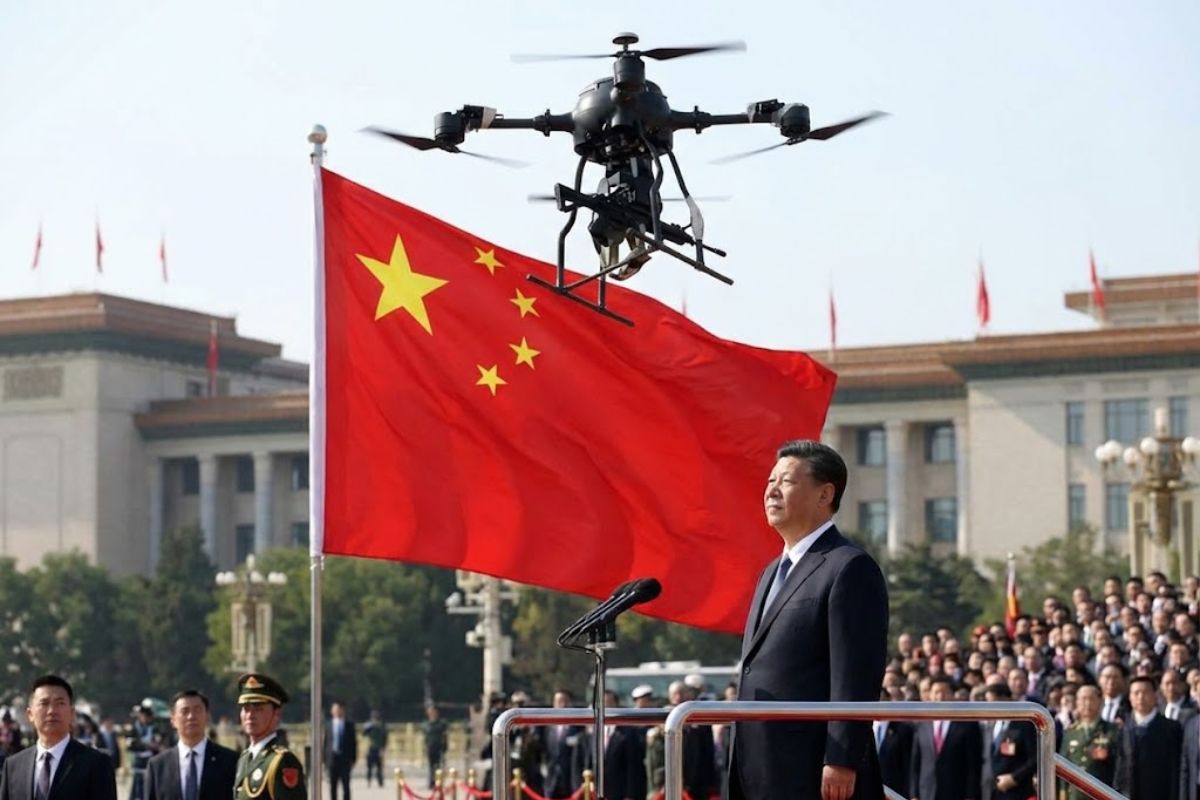


In An Urban War Scenario, The Armed Drone Tested By China Is No Longer An Experimental Piece And Indicates A Wide Operational Shift: Autonomous Swarms, Precise Shots At 100 Meters, Compressed Command Chains, And Taiwan Under Increasing Pressure Even Before Contact Between Troops On Enemy Soil.
The New Drone Presented In Armed Testing By China Alters The Understanding Of The Next Cycle Of Conflict In The Pacific By Combining Stable Flight, Precise Shooting, And Integration With Algorithmic Logic, Indicating That The Opening Of Operations May Shift From Infantry To Unmanned Systems In Densely Urban Areas.
This Movement Does Not Arise In Isolation. In 2025, PLA Exercises Had Already Included Ground Robots And Unmanned Platforms In Simulated Assaults On Smaller Islands, Indicating A Doctrinal Transition: Machines As The Vanguard, With Human Troops Coming In Later, When The Terrain Is Already Degraded.
From Technical Test To Strategic Message

The Most Sensitive Data From The Episode Is Objective: An Armed UAV With A Standard Rifle Fired 20 Shots At 100 Meters, Hitting The Target Fully And Showing A Relevant Concentration Of Impacts In An Area Compatible With High-Lethality Shots. When A System Maintains Precision While Hovering, It Stops Being A Fair Prototype And Becomes A Tactical Tool.
-
The climate in 2026 may surprise with extremes even more intense than in 2025, with heatwaves, out-of-season cold, and irregular rainfall in Brazil.

-
Astronomers identify 45 rocky planets that could harbor life, and one of them is just 4.2 light-years from Earth, making it the closest neighbor with the potential to have liquid water on its surface.

-
Archaeologists discover 43,000 ostraca in Egypt with tax lists, drawings, religious texts, and everyday notes that reveal what life was like in ancient Athribis before Cleopatra.

-
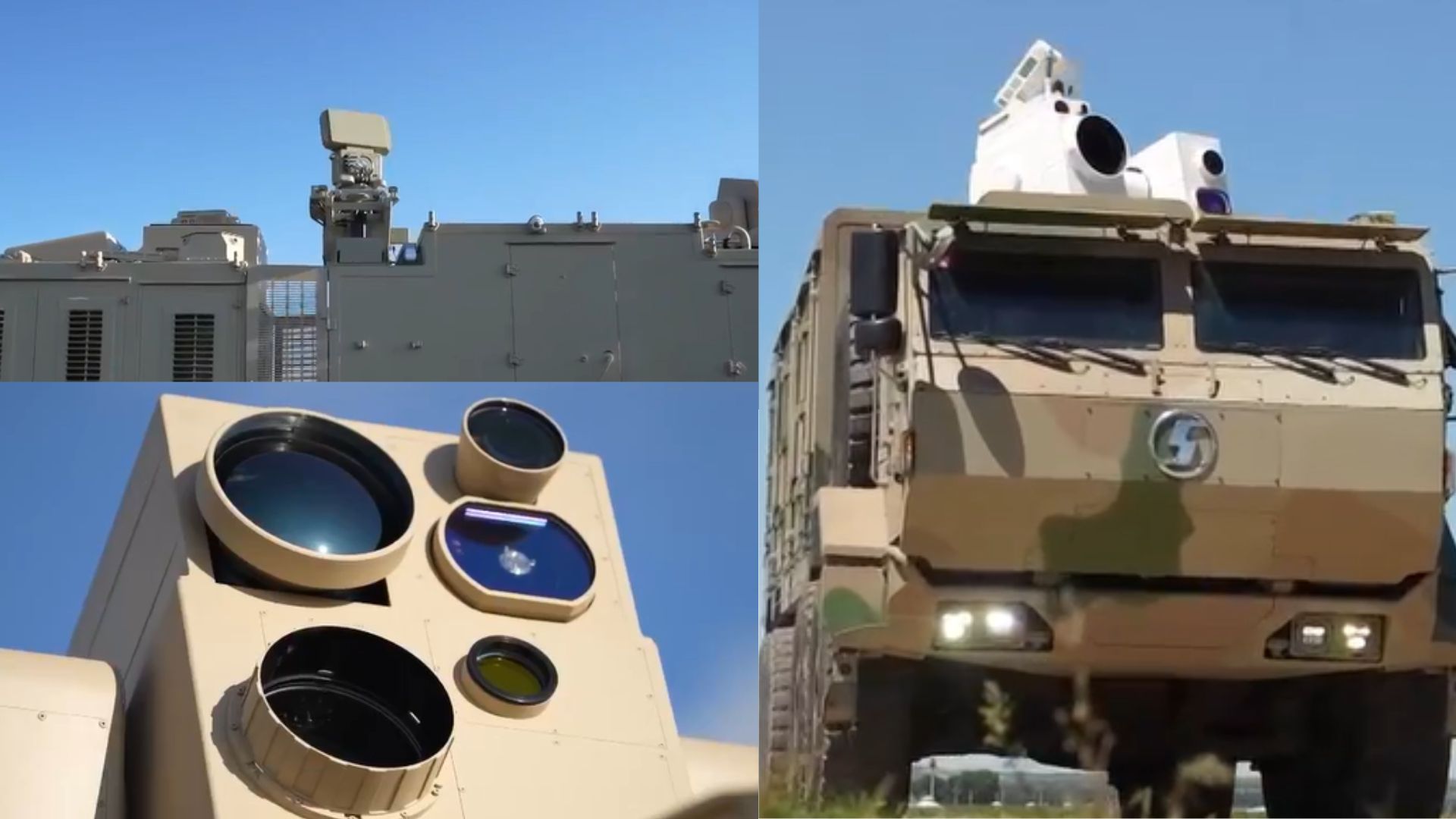
China showcases laser defense systems that target drones flying very low and attempts to address a flaw that has been concerning armies worldwide.

Who Conducts This Leap Also Matters. The Development In Partnership Between A Chinese Company And The PLA Special Operations Academy Shows Convergence Between Industry, Applied Research, And Military Doctrine. In This Arrangement, Innovation Does Not Stay In The Laboratory: It Enters The Operational Design And Starts To Influence Training, Planning, And Real Employment.
How The Precision Of The Drone Changes Urban Combat
In Urban Combat, Short Distance Does Not Mean Simplicity. Narrow Streets, Multiple Floors, Blind Angles, And Civil Presence Create An Environment In Which Every Infantry Advance Can Cost Time, Personnel, And Political Capital.
An Accurate-Firing Drone Functions As An Armed Extension Of Reconnaissance And Engagement In Points Where The Soldier, Alone, Would Be Exposed.
The Practical Consequence Is The Reduction Of The Interval Between Detecting And Attacking. Instead Of A Long Chain Of Identification, Transmission, Validation, And Fire, Embedded Systems Can Shorten Steps And Act Almost In Real Time.
This Shortening Of The Decision Cycle Is What Makes The Technology More Strategic Than The Equipment Itself.
Taiwan As The Central Operational Problem

Taiwan Is At The Center Of This Equation For Geographical And Urban Reasons. It Is Not Enough To Cross The Strait: Any Operation Requires Control Of Densely Populated Areas, Critical Infrastructures, Underground Stations, And Complex Residential Zones. In This Environment, The Challenge Is Not Only Military; It Is Also Political, Communicational, And Humanitarian.
For The PLA, The Technical Logic Is Direct: Shift High-Risk Tasks To Unmanned Platforms That Do Not Get Tired, Do Not Hesitate, And Do Not Require Medical Evacuation. The Greater The Urban Complexity, The Greater The Incentive To Automate The Frontline.
It Is At This Point That The Armed Drone Stops Being An Isolated Piece And Becomes Part Of An Architecture Of Invasion, Containment, And Occupation.
Armed Swarms And Algorithmic Decisions
The Test Of The Rifle Drone Fits Into A Broader Phase Of Chinese Modernization, Often Described As An “Intelligence” Stage. After Mechanization And Digitalization, The Focus Shifts To Delegating Key Functions To Algorithmic Systems: Detecting, Prioritizing, And Attacking At A Speed Superior To That Of The Traditional Human Chain.
In This Design, The Final Goal Is Not An Exceptional Drone, But Many Coordinated Drones. Autonomous Swarms Can Operate At Low Altitudes, Internal Corridors, Underground Areas, And Environments With Degraded Communication, Using Simple Self-Organization Rules. The Gain Is Operational Resilience: Even Without Continuous Orders, The System Continues To Execute The Mission.
The Grey Area Of Legality And Human Control
The Legal Dimension Is As Relevant As The Technical One. The Chinese Position, By Restricting The Unacceptable To Very Specific And Cumulative Criteria, Opens A Wide Margin To Develop Lethal Systems With Significant Autonomy, Provided There Is Theoretical Possibility Of Interruption Or Pre-Programmed Rules Of Action.
The Problem Is Well Known: AI In Combat Can Fail To Identify Context, Misinterpret Human Behavior, And Reproduce Data Biases. Without Robust Human Supervision, The Error Scales Faster Than The Correction.
In An Urban Scenario, This Increases Risks For Civilians And Raises The International Political Cost Of Any Operation That Goes Out Of Control.
The New Military Climate In The Pacific
At The Regional Level, The Message Is One Of Change In The Threshold Of Force Employment. If Machines Take On Initial Tasks, The Political Barrier To Initiate Targeted Actions May Fall, Because The Direct Human Cost For The Aggressor Tends To Decrease In The Opening Phase.
This Point Alters The Deterrence And Response Calculus Among Actors In The Pacific.
At The Same Time, Adversaries Face A Timing Problem: Reacting To Systems That May Appear, Map, Pressure, And Attack Before The Visible Arrival Of Troops. The Perception Of Threat No Longer Begins With Ships And Armored Vehicles; It Begins With Sensors And Drones. It Is A Change Of Rhythm, Not Just Of Equipment.
The Test Of The Armed Drone At 100 Meters Works As A Concrete Signal Of An Evolving Doctrine: Urban Warfare Oriented By Automation, Integration Of Swarms, And Compression Of Tactical Decision By Algorithms. The Central Point Is Not Only The Precision Of The Shot, But The Combat Architecture That This Precision Unveils.
If You Were Defining Rules For This Type Of Technology, What Limit Would Be Non-Negotiable: Mandatory Human Authorization Before Each Shot, Total Prohibition In Urban Areas, Or Restricted Use Only In Zones Without Civilians? And, In The Case Of Taiwan, What Factor Do You Consider More Decisive Today: Technology, Geography, Or Political Cost?








Então pela matéria a china está surpreendedo pela sua tecnologia sempre aparece algo referente é de se admirar a capacidade chinesa