





 Portuguese
  English
  Spanish
  4 min of reading
  6 comments


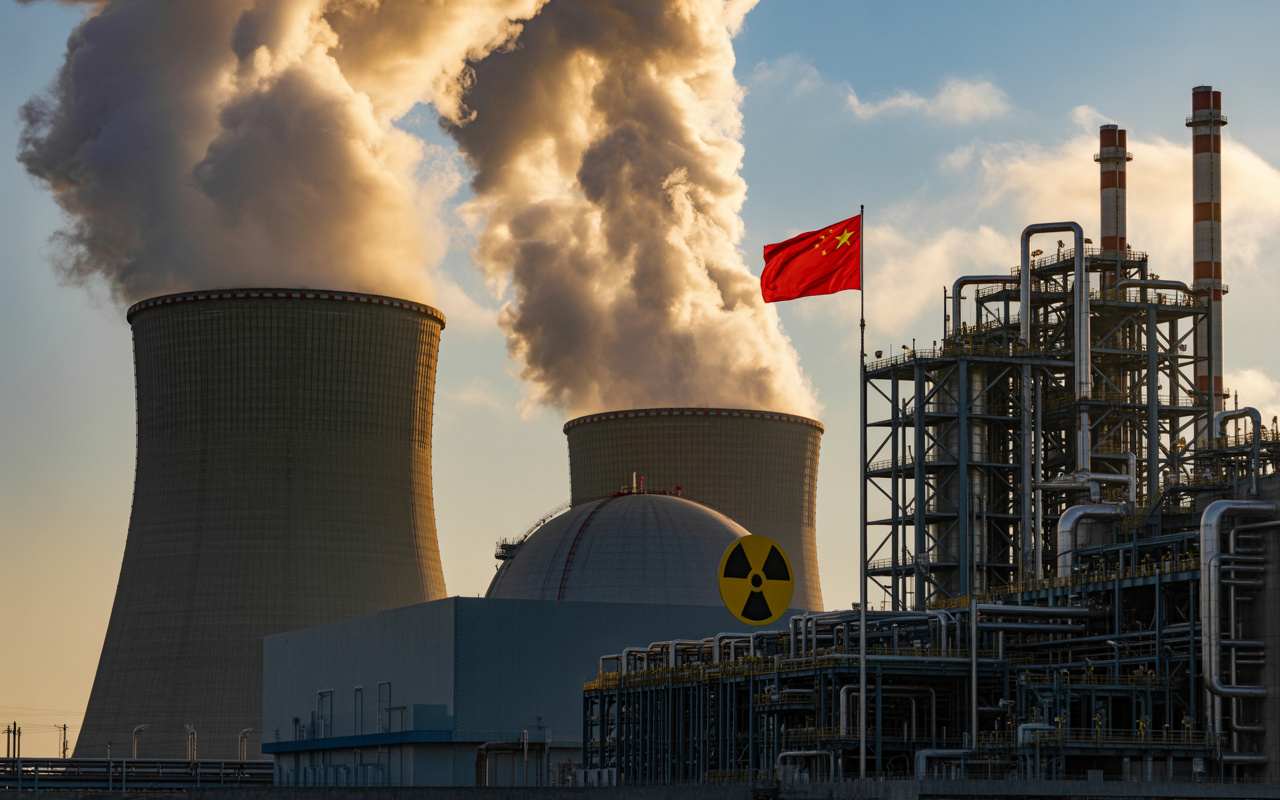


China Starts in Xuwei The World’s First Nuclear Project Aimed at Directly Supplying Industrial Steam, Replacing Coal and Accelerating Heavy Industry Decarbonization.
China has taken an unprecedented step in nuclear energy history by starting construction of a nuclear project at the Xuwei industrial complex in Jiangsu province, designed not only to generate electricity but also to directly supply industrial steam to factories, something never done on a commercial scale worldwide. The undertaking marks a structural shift in the role of nuclear energy: from being a supplier of electricity to the grid, to a strategic thermal infrastructure for heavy industry.
The project was officially approved by the Chinese State Council and is part of the national industrial modernization and carbon neutrality plan. Unlike traditional power plants, the Xuwei complex was designed from the outset to replace coal-fired boilers used in petrochemical processes, refineries, and chemical plants, sectors that heavily rely on high-pressure and temperature steam.
Where Is Xuwei and Why Was the Location Chosen
Xuwei is not just any region. The site hosts one of the largest integrated petrochemical hubs in China, with refineries, plastics industries, fertilizers, basic and intermediate chemicals. Until recently, nearly all industrial steam from these facilities was generated by coal-fired power plants, responsible for large volumes of CO₂, sulfur oxides, and fine particulate emissions.
-
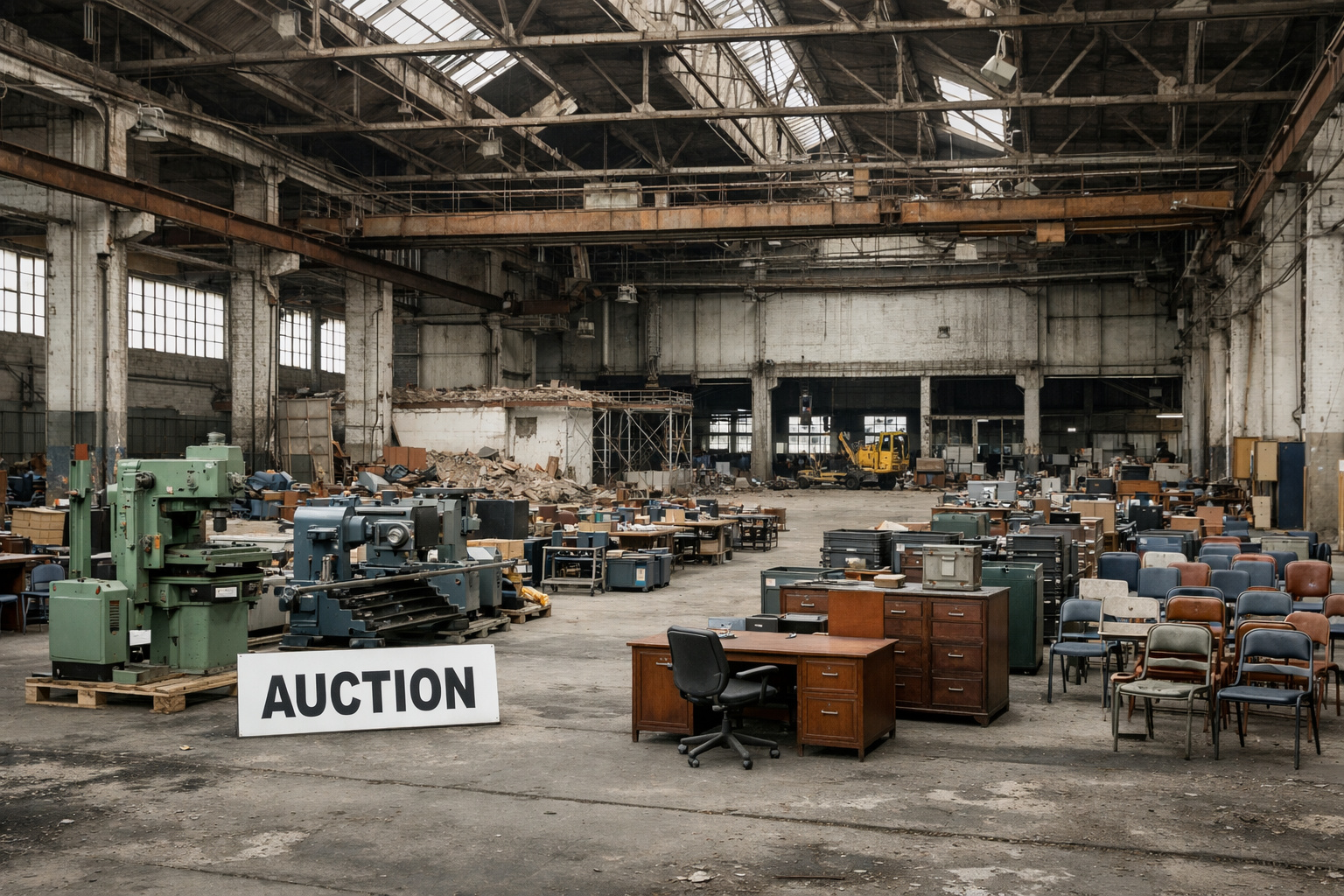
Historic bankruptcy of Centauro shocks the market, and the century-old company puts more than 500,000 products, machines, and complete infrastructure up for online auction.
-
New shoe factory in Ceará is expected to create 400 jobs and strengthen the local economy.

-
No one imagined it, but a mixture of sawdust with a mineral that fights fires surprises scientists with a result that changes the course of fire-resistant construction.

-
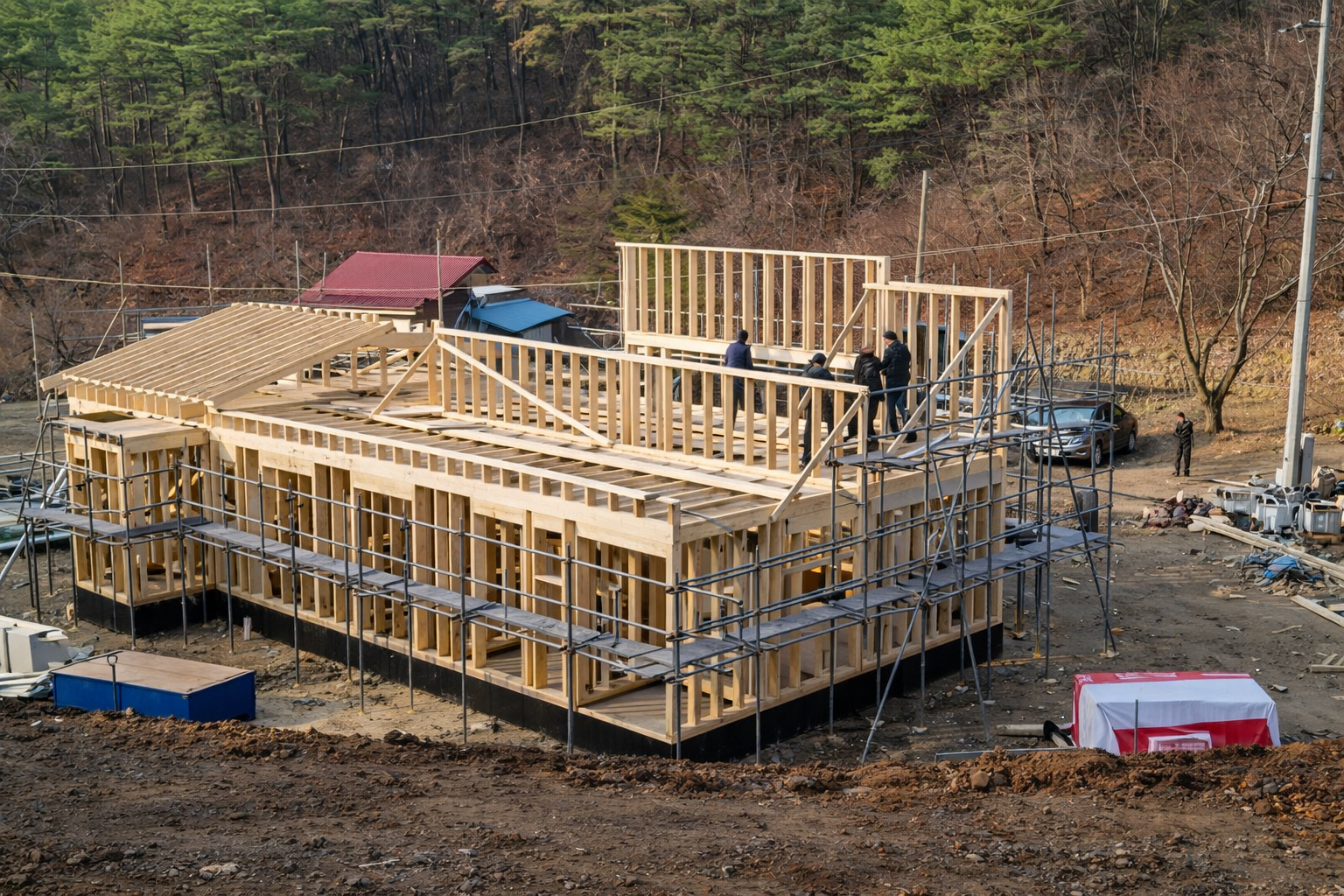
From empty land to a high-end house, wooden construction uses a lightweight system, metal structure for the foundation, ventilated ceramic cladding, and special windows to create an efficient and comfortable living space throughout the year.

By positioning the nuclear plant within the industrial park itself, China eliminates logistical losses, reduces the need for thermal energy transport, and creates a closed system for continuous supply, highly stable and with a low carbon footprint.
How The Concept of “Nuclear Industrial Steam Plant” Works
The heart of the project is the use of PWR (Pressurized Water Reactor) nuclear reactors adapted for thermal co-generation. Instead of converting all thermal energy from the reactor into electricity, a significant portion of the heat is diverted for the production of high-volume industrial steam, directly delivered to factories through dedicated pipelines. This steam supports processes such as:
- chemical cracking,
- distillation,
- heating industrial reactors,
- hydrogen production,
- ammonia synthesis and derivatives.
In practice, the nuclear plant takes on the role previously occupied by dozens of coal-fired boilers, operating 24 hours a day, with thermal stability and no direct greenhouse gas emissions.
Technical Data of The Xuwei Nuclear Project
The Xuwei nuclear complex has been approved to operate with multiple reactors, in successive phases. Official information indicates:
- Reactor type: large-scale PWR, Chinese third-generation technology
- Initial number of reactors: 2 units, with planned expansion
- Thermal power per reactor: over 3,000 MWt
- Energy destination: direct industrial steam supply + auxiliary power generation
- Projected lifespan: 60 years
- Expected operation: second half of the 2020s
The volume of steam supplied will be sufficient to completely replace large-scale coal-fired industrial plants, reducing millions of tons of emissions over the project’s lifespan.
Direct Replacement of Coal and Climate Impact
The most sensitive point of the project is the direct replacement of coal, something that goes beyond climate rhetoric. In China, heavy industry accounts for a significant portion of coal consumption, especially in industrial heat generation—an area where intermittent renewable sources struggle to compete. By using nuclear energy to provide heat:
- the burning of coal in the process is eliminated,
- CO₂, NOx, and SO₂ emissions are reduced,
- regional air quality is improved,
- logistical dependence on coal transport is decreased.
Technical estimates suggest that the project could avoid millions of tons of CO₂ per year, simply by replacing conventional industrial boilers.
Why This Project Is Different From All Previous Nuclear Plants
Historically, nuclear plants were designed to generate electricity for the grid. Supplying industrial heat has always been viewed as secondary or economically complex.
Xuwei breaks this paradigm by treating nuclear heat as the primary product, not as a byproduct. This transforms the plant into a central piece of industrial infrastructure, not just energy. Additionally:
- the supply is local, continuous, and predictable;
- operating costs are stable over decades;
- the risk of fossil fuel volatility is eliminated.
Integration with the Chinese Nuclear Strategy
The Xuwei project is not an isolated case. It fits into China’s strategy to:
- expand its nuclear fleet,
- dominate third and fourth-generation technologies,
- reduce hard-to-mitigate industrial emissions,
- lead energy solutions for heavy sectors.
The country already operates dozens of reactors and has several more under construction. Xuwei functions as a real-scale pilot project for industrial applications of nuclear, with potential for replication in other economic hubs.
Risks, Challenges, and Safety Control
Like any nuclear project, Xuwei involves strict safety protocols. Supplying industrial steam requires:
- multiple physical barriers,
- redundant cooling systems,
- clear separation between nuclear and industrial circuits,
- continuous pressure and temperature monitoring.
Chinese authorities claim the project meets international standards and incorporates lessons learned from past accidents, focusing on passive safety and resilience to extreme events.
What This Project Signals for The Future of Global Industry
Xuwei sends a clear signal to the world: the decarbonization of heavy industry can involve nuclear energy applied to industrial heat, something that until recently was considered politically or economically unviable. If the model proves efficient, other countries with large industrial hubs may:
- rethink the use of coal and gas for steam,
- integrate nuclear reactors into industrial parks,
- reduce emissions without compromising production.
More than just a power plant, Xuwei represents a repositioning of the role of nuclear energy in the 21st century: not just as a generator of electricity, but as a silent thermal engine of modern industry.









Enquanto isso os **** DAQUI QUEIMANDO CARVÃO PARA GERAR ENERGIA, FAVORECENDO OS AMIGOS DA INCOMPETÊNCIA GOVERNAMENTAL.
Salve o EXCONDENADO **** **** e caloteiro de APOSENTADOS
Energia nuclear sempre foi a melhor saída para a questão ambiental e redução de poluição. Mas por preguiça ou fatalismo **** de quem não conhece tecnologias de geração elétrica e as aplicações nucleares voltadas para esse fim,o mundo se vê preso a dogmas fossilizados de segurança que hoje em dia já evoluiu bastante! Logo,logo vão descobrir a fusão nuclear a frio e aí abandonarão a fissão nuclear
Como vai chegar os equipamentos, materiais, mão de obra pra construir e manter a usina funcionando?
Resposta: petróleo
a maioria (não absoluta, apenas maioria) da frota chinesa de veículos já é elétrica. existem boas chances, no caso deles, de não ser petróleo. ainda tem a malha ferroviária gigantesca deles. resumindo: provavelmente diesel (ainda derivado de petróleo) ou elétrico.
Para transportar carvão se usa muito mais petróleo.