





 Portuguese
  English
  Spanish
  4 min of reading
  10 comments


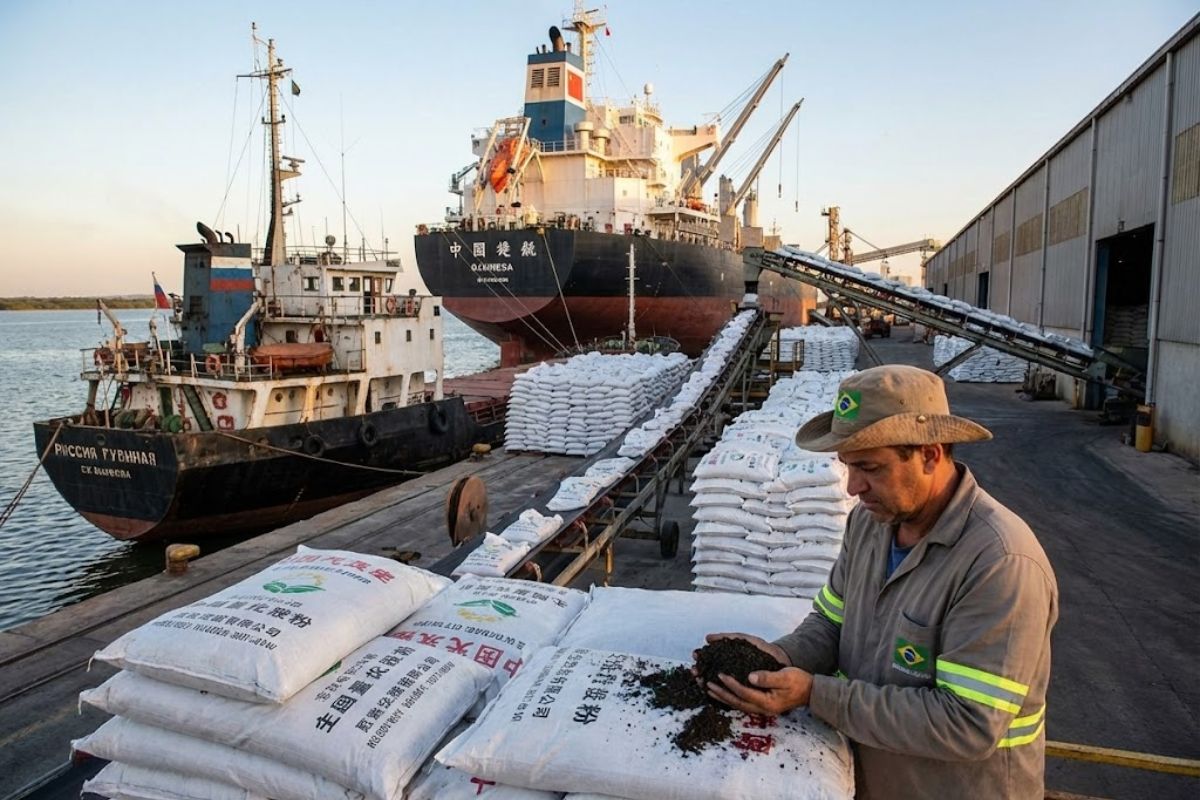


By 2025, China Overtook Russia As The Main Supplier Of Fertilizers To Brazil, Driven By The Migration To Lower Concentration Fertilizers. Chinese Volume Doubles In Ports, Pressuring Rural Logistics, Increasing Dependence And Already Causing Concern For The Next Soy And Corn Harvests, Especially From 2026.
Between January and October 2025, Brazil imported 38.3 million tons of fertilizers, and China surpassed Russia as the main supplier of these inputs for Brazilian agriculture, changing the geography of a strategic market for soy and corn. The change in positions occurs in a short interval and leaves Brazil more exposed to the decisions of a single large supplier.
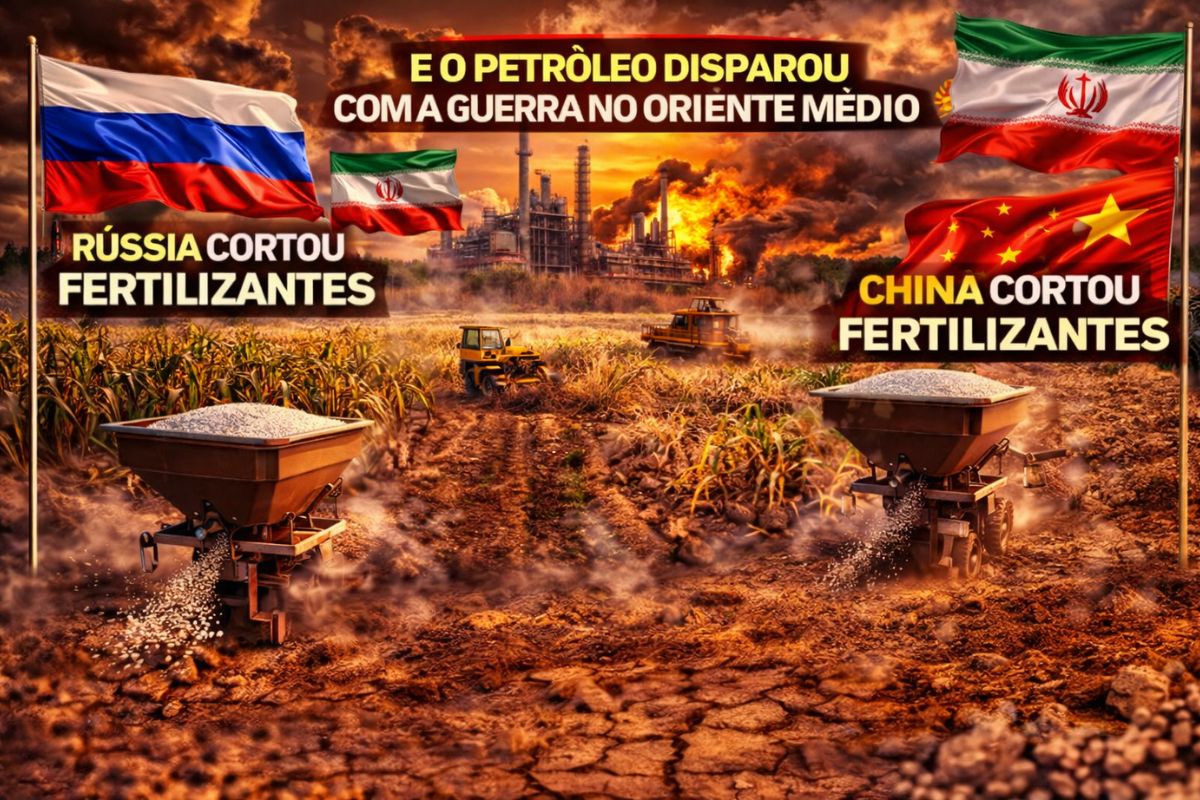
The turnaround occurs amidst a strong rise in fertilizer prices, driven by conflicts in the Middle East, the war between Russia and Ukraine, and increased production costs linked to the appreciation of raw materials. With tightened income, the producer migrates to cheaper and lower concentration fertilizers, agreeing to buy more volume to continue nourishing the crop.
China Nearest Russia And Changes The Map Of Fertilizers In Brazil

From January to October 2025, China and Russia together accounted for 50 percent of the 38.3 million tons of fertilizers imported by Brazil.
-
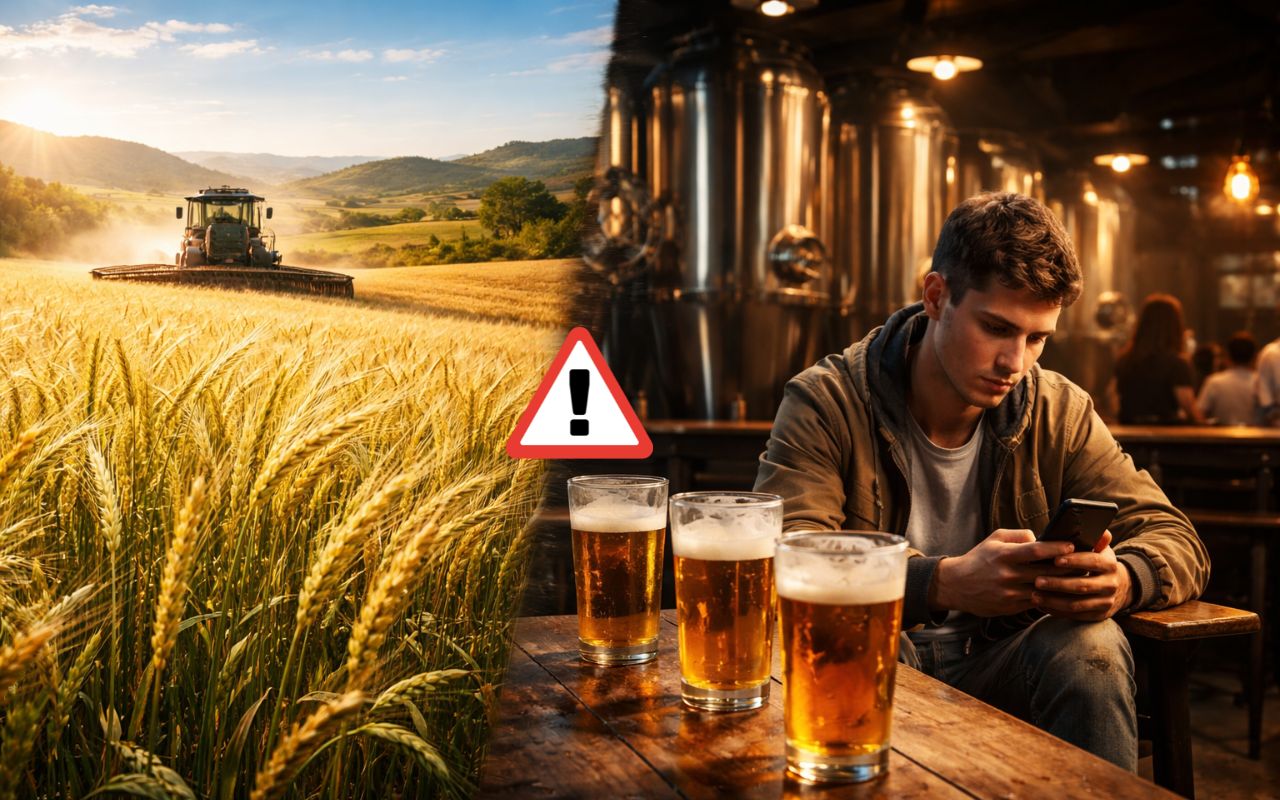
With nearly 500 thousand tons per year, barley production is growing in Brazil, while a decline in beer consumption among Generation Z raises alarms in the sector.
-
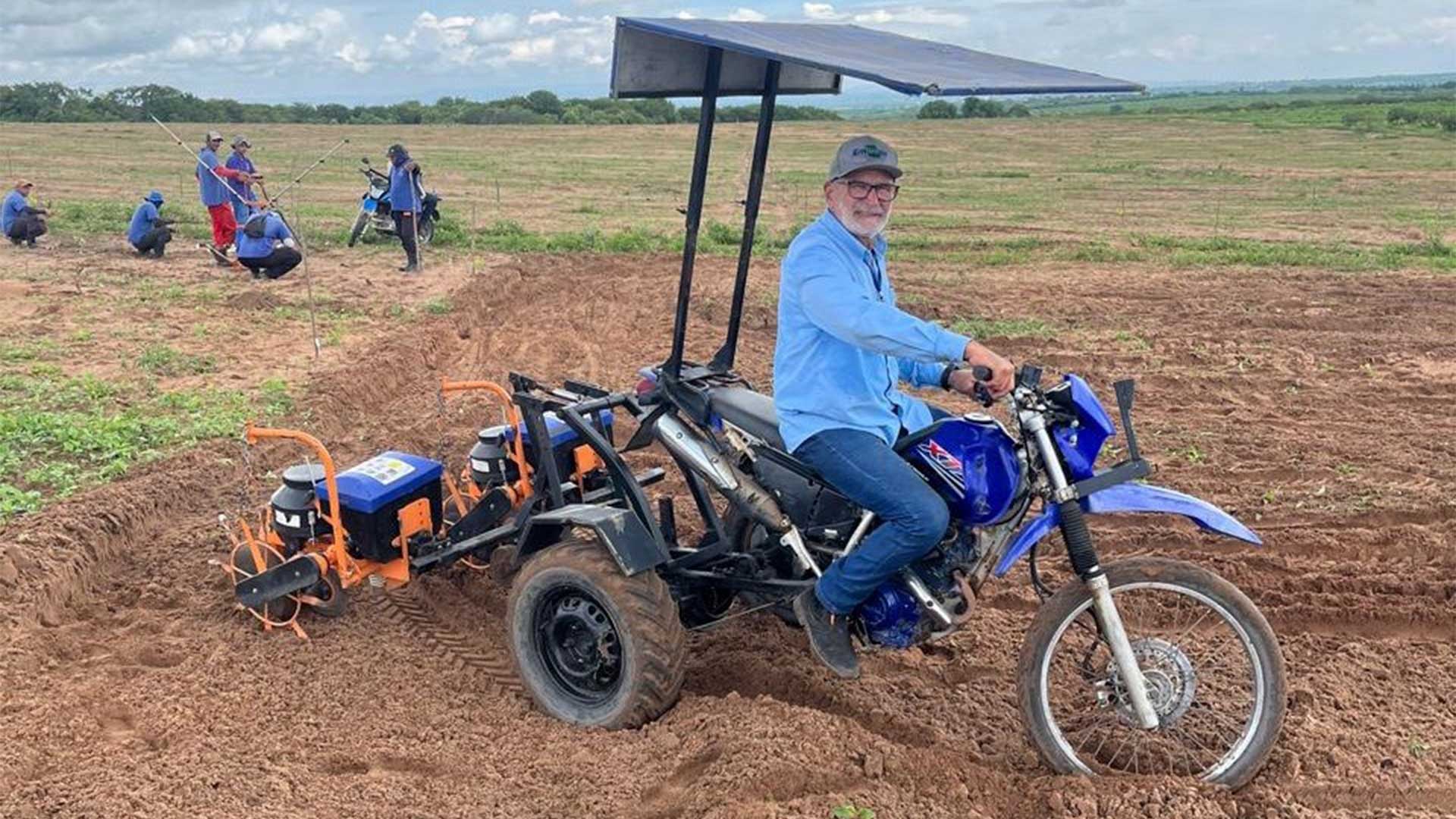
With tractors out of reach for small producers, a tricycle created by Embrapa Algodão becomes a cheap and efficient solution and gains national prominence.
-
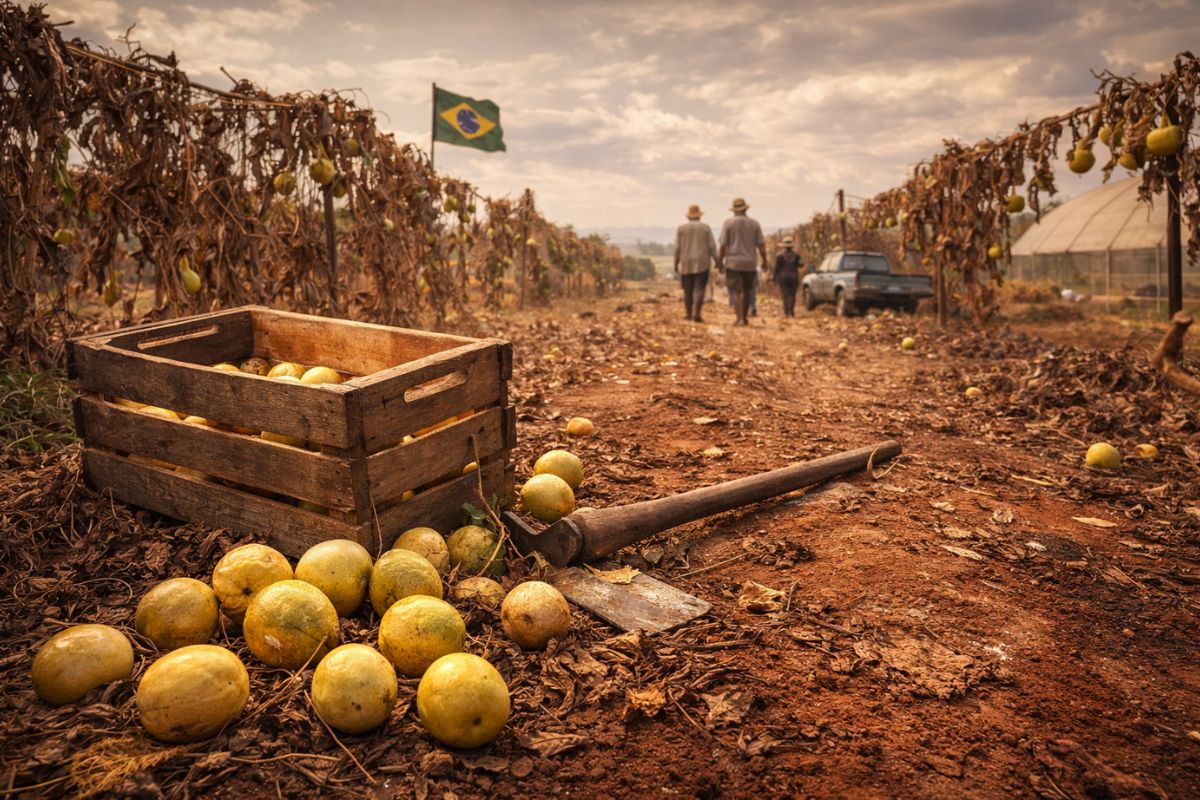
From 130 producers in the year 2000 to just 15 today: the dramatic decline of passion fruit in Araguari shows how the lack of labor in the Brazilian countryside is killing a decades-old agricultural tradition, even with Brazil being the largest producer in the world.
-
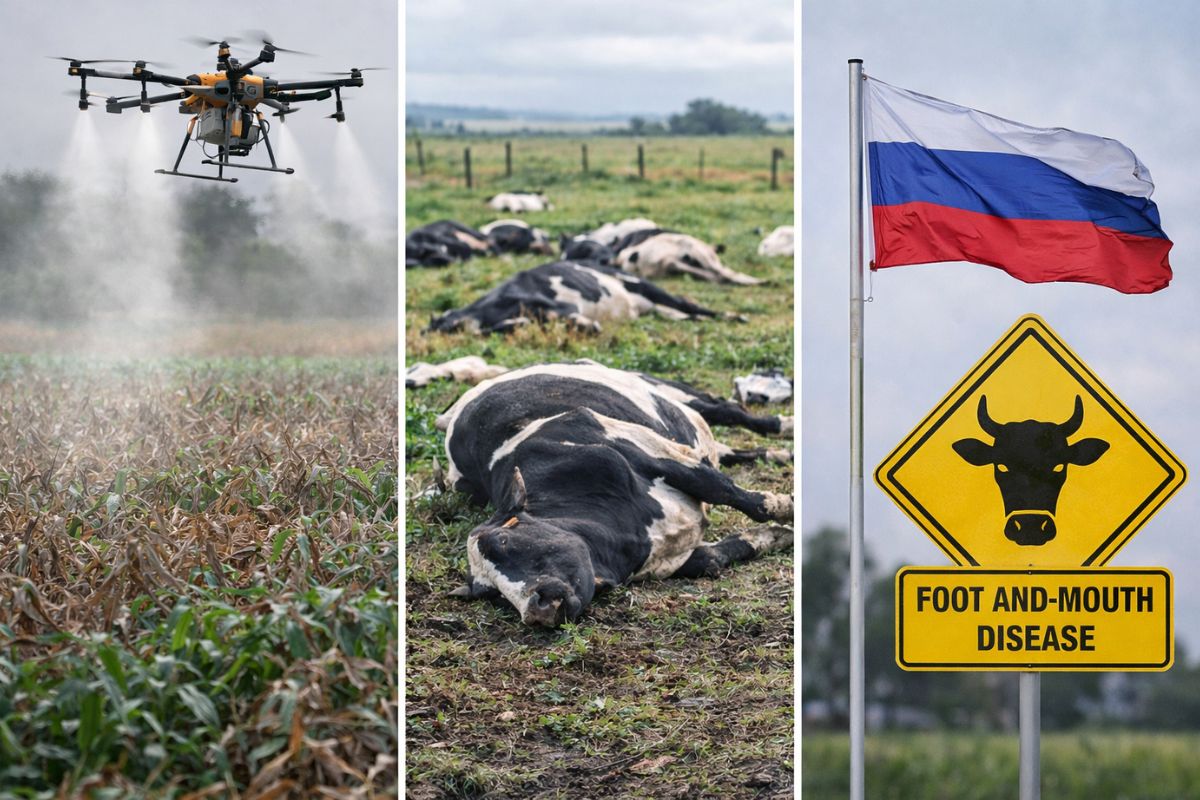
Agricultural drone sprayed poison into the air and destroyed the neighbor’s crops, causing 1 million in damages; 48 cows died from nitrite poisoning in the pasture, and Russia is hiding a possible outbreak of foot-and-mouth disease: the week was brutal for the rural sector.

Each country held about 25 percent of that total, but China gained an advantage of 40 thousand tons and took the top spot among suppliers.
In practice, this means that half of the fertilizers that arrive in Brazil today depend on only two countries, keeping Russia relevant while increasing China’s influence over the next round of purchases for soy and corn.
The movement is explained less by direct geopolitics and more by the search for fertilizers with lower nutrient content, but cheaper per ton.
Nitrogenous: Urea Rises 13 Percent And Ammonium Sulfate Soars
The biggest shock came in nitrogenous fertilizers, essential for corn. In October 2025, the price of urea was 13 percent higher compared to the same month in 2024, according to consultancy Argus. In light of this rise, importers and producers began to swap urea for ammonium sulfate.
The technical difference is clear: urea contains 46 percent nitrogen, while ammonium sulfate provides about 21 percent.
To maintain the same nutrient dose per hectare, the producer needs to buy a much larger physical volume of fertilizers.
Between January and October, Brazil’s purchases of ammonium sulfate grew 44 percent compared to 2024, and China accounted for 99 percent of that additional volume.
Phosphates: MAP More Expensive Drives Producer To Simple Super Phosphate
A similar movement occurs in phosphated fertilizers, primarily used for soy. One of the most traditional products in the Brazilian market is MAP 11-52, of which Russia supplies 45 percent of all that the country uses.
With the price increase of this input, producers have begun to seek cheaper options, even if less concentrated.
The alternative was Simple Super Phosphate. While MAP 11-52 offers 52 percent phosphorus, SSP ranges from 18 to 24 percent concentration, requiring much more fertilizer per hectare to achieve the same nutrient delivery.
In this swap, China regained ground: the country supplied 24 percent of all SSP imported by Brazil in those first ten months of 2025.
Weaker Fertilizers Double Volume, Clog Ports And Increase Logistics Costs
By migrating to lower concentration fertilizers, the producer reduces spending per ton but needs to double the physical volume to maintain the same fertilization.
This means more ships, trucks, wagons, and warehouses dedicated to the same level of nutrients applied to the crop.
Argus warns that this choice has a direct effect on infrastructure.
The need to move more tons of fertilizers increases demand at ports, amplifies pressure on storage areas and distribution hubs.
Thus, even if the fertilizer seems cheaper on the invoice, logistics expenses tend to grow and consume part of the producer’s savings.
Harvest 2025/26 Secured, But 2026/27 Comes With Volumes Open
For the current 2025/26 soy harvest and for the first planted corn crop, fertilizer volumes are secured, according to Argus. In the case of the next year’s second corn harvest, about 75 percent of the necessary nutrients have already been purchased, which reduces the immediate risk of fertilizer shortages.
The market’s focus now shifts to the 2026/27 soy and corn harvest, which still has a significant portion of volumes open. The consultancy is already observing a strong anticipation of purchases of low concentration products, a trend that is expected to continue throughout 2026, consolidating China as a major supplier of ammonium sulfate and SSP to Brazil.
Growing Dependence On China And Regulatory Risk On The Horizon
The advance of China over the Brazilian fertilizer market raises an additional alert: the Asian country has a heavily regulated domestic market, and the government may restrict exports in times of stronger domestic demand.
If this occurs, Brazil would have fewer alternatives and would have to resort to more expensive suppliers to maintain fertilization.
In the case of nitrogenous fertilizers, China currently does not adopt restriction policies for ammonium sulfate exports, which opens space for the imported volume to continue increasing while urea remains more expensive.
Still, geopolitical issues and potential regulatory changes in China remain a direct risk factor for Brazil’s fertilizer supply.
At the same time, Russia has not ceased to be relevant: combined, China and Russia still account for 50 percent of Brazil’s fertilizer imports this year.
And you, do you think Brazil is prepared to depend so much on Chinese fertilizers in the upcoming soy and corn harvests?







Parte 1: Eu acho que o Brasil deve aproveitar a amizade com a china e a disposição dela em ajudar pra buscarmos nos desenvolver e virarmos uma nação de primeiro mundo. Se a China quiser transformar o Brasil numa Suiça, Suécia ou Dubai de tamanho continental, acho que não devemos recusar. Se alguém te oferecesse 1 bilhão de reais sem pedir nada em troca você recusaria?
Agora obvio devemos garantir que não nos tornemos dependentes nem submissos a China. Tem de ser uma relação entre iguais. Entre amigos, de respeito mútuo, benéfica a ambas as partes
Parte 2: O Brasil 🇧🇷 e os Brasileiros não fazem mal a quem não nos faz mal. O Brasil 🇧🇷 e os Brasileiros 🇧🇷 respeitam e fazem bem a quem nos faz bem e fazemos Mal a quem nos faz mal. Ficamos do lado de quem for bom ao invés de mal e de quem ficar do nosso lado ao invés de contra nós. Se deixar de ser bom e se tornar mal ou se nos trair e ficar contra nós, então podemos mudar de lado e não apenas ficar contra você como nos aliar a seus inimigos contra você.
O Brasil 🇧🇷 hoje não é inimigo de ninguém. Busca uma relação de amizade e respeito mútuo com todos os países do mundo sem preferir um ao outro. Nem prefere ou prioriza os Estados Unidos a China, nem prefere ou prioriza a China aos Estados Unidos.
Se ficaremos do seu lado ao invés de contra você só depende de 2 coisas. Você ser do lado do bem ao invés de do lado do mal e estar do nosso lado ao invés de estar contra nós. Não somos ****, não vamos ficar do lado de alguém que finge estar do nosso lado pra receber nossa ajuda pra derrotar seu rival ou inimigo e depois que conseguir isso, nos trair e nos apunhalar pelas costas. Que fique este aviso a ambos os lados, Estados Unidos e China.
Pra nós só interessa relações de igual pra igual, de amizade e respeito mútuo onde ambos ganham e ninguem perde nem é prejudicado. Não seremos enganados nem manipulados. Não deixaremos que nos enganem pra depois nos trairem e nos apunhalarem pelas costas. Não somos **** nem **** nem ingênuos.
O Brasil precisa investir mais na produção de fertilizantes e terras raras. Não podemos ficar dependentes de outras países sejam de esquerda ou de direita. Se gastarmos menos com os marajás do Poder Legislativo e do Poder Judiciário sobrará mais dinheiro para investir em ciência e tecnologia alavancando empresas como a EMBRAPA e EMATER que revolucionaram nossa agropecuária com suas pesquisas.
Geologicamente o Brasil não produz fertilizantes e não possui energia suficiente para produção de fertilizante é totalmente dependente de gás natural para produção de energia e hoje é importado da Bolívia não fecha conta e se for pega no Brasil o custo muito alto e não pode ter preço competitivo se for comparado aos países produtores de fertilizantes.