





 Portuguese
  English
  Spanish
  2 min of reading
  0 comments


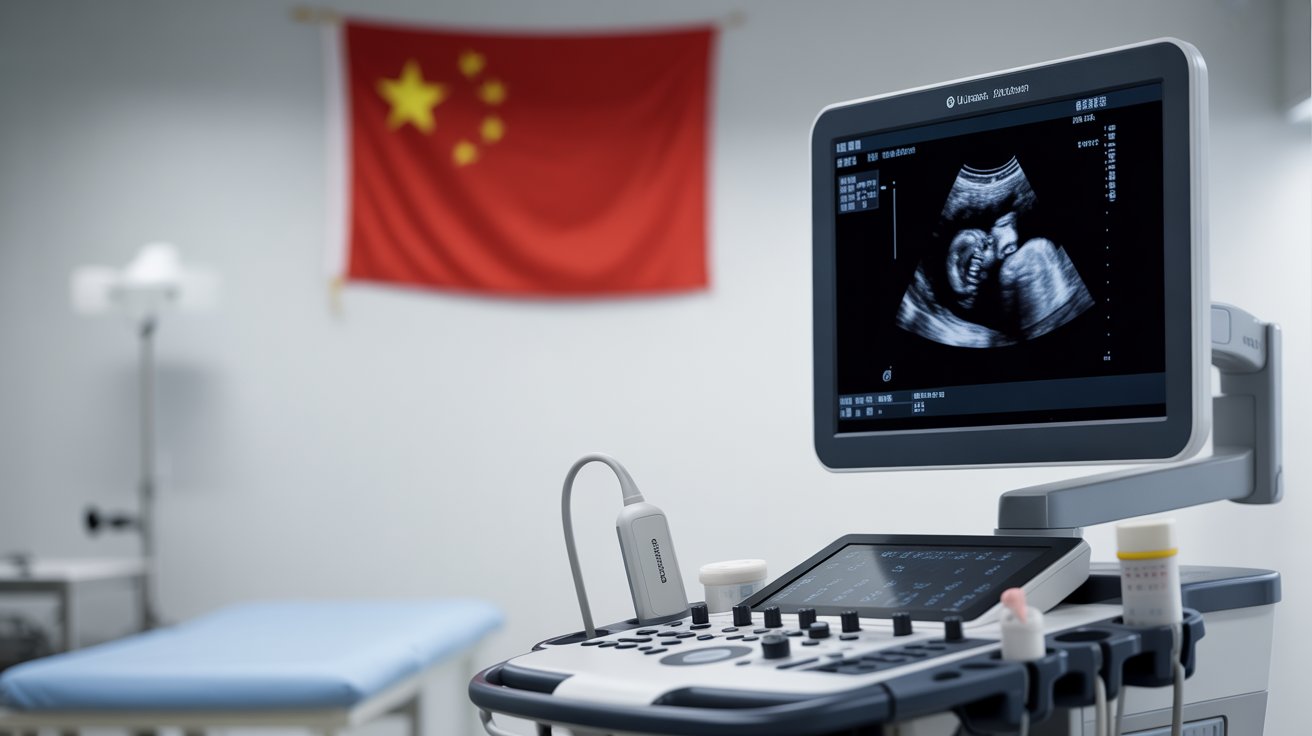
China Has Prohibited Doctors From Revealing The Sex Of Babies Before Birth Since 1996, A Rule Established During The One-Child Policy, In Force From 1979 To 2015. The Determination Aims To Curb The Practice Of Gender Selection And Reduce The Cultural Impact Favoring The Birth Of Male Children, A Situation That Disrupted Population Rates In The Country.
At The Turn Of The 2000s, The Chinese Census Indicated 120 Boys For Every 100 Girls, A Number Well Above The Global Standard Of 105 For 100. Some Provinces Recorded Ratios Of 130 Male Births For Every 100 Female Births, A Scenario Associated With Sociocultural And Economic Factors That Directly Influence Chinese Families.
Among The Factors Are Traditions That See Men As Responsible For Taking Care Of Elderly Parents And The Fact That, After Marriage, The Woman Joins Her Husband’s Family. This Combination Created, Over Decades, A Scenario Where A Male Child Was Considered Essential To Sustain The Family Structure, Especially In Rural Areas.
Ban Continues Despite Legalization Of Abortion
Although Abortion Is Legalized In China, The Law Still Prohibits Parents From Discovering The Baby’s Sex During Pregnancy. Doctors Caught Providing This Information Can Be Fined, Lose Their License, And Even Lead Hospitals To Administrative Sanctions, A Measure Aimed At Curtailing Selective Abortions And Demographic Distortions.
-
The Brazilian Air Force has been in Sudan for a year coordinating drone operations, distributing humanitarian aid, and training military personnel from seven countries on a UN peacekeeping mission in one of the most unstable regions of the planet.

-
In Japan, there is a very common piece of furniture made with foam, fibers, cotton, and ancient artisanal techniques that transform the item into a variety of options for modern and small homes.

-
It’s not São Paulo or Rio de Janeiro, but a state in the South completely dominated the happiness ranking of Brazil with three cities in the top positions and excellent scores above 8.9.

-
Brazil on the radar of the space race in Latin America: what NASA’s new phase with the Artemis Program reveals about Alcântara, the best address in the world for rocket launches.

Even So, Interested Parents Find Alternatives. Ultrasound Examinations Conducted In Hong Kong Or Nearby Countries, Such As Thailand, Are Options Used To Bypass The Legislation. In Chinese Territory, Consultations Can Also Provide Indirect Hints When Doctors Respond To Suggestive Questions From Parents, Even If Without Official Confirmation.
Professor Li Shuzhuo, From The Institute Of Population And Development Studies At Xi’an Jiaotong University, Highlighted In An Interview With The British Newspaper The Guardian, In 2011, That Such Customs Reinforce The Search For Male Children As A “Safety Net” For Old Age.
Traditions And Official Data Support The Continuation Of The Law
Even After The End Of The One-Child Policy, The Legislation Remains In Effect Due To The Social Impact Of Discriminatory Practices And The Necessity To Balance The Gender Ratio In The Country. The Chinese Government Understands That Relaxing The Rule Could Again Widen The Inequality In Birth Rates.
The Information Was Released By The Portal Brasil em Folhas, Based On Statements And Historical Data, Including Census Information And Expert Statements About The Cultural And Population Context Of China.
And What Do You Think About This Law That Still Prohibits Parents In China From Knowing The Sex Of The Baby Before Birth?








Seja o primeiro a reagir!