





 Portuguese
  English
  Spanish
  3 min of reading
  0 comments


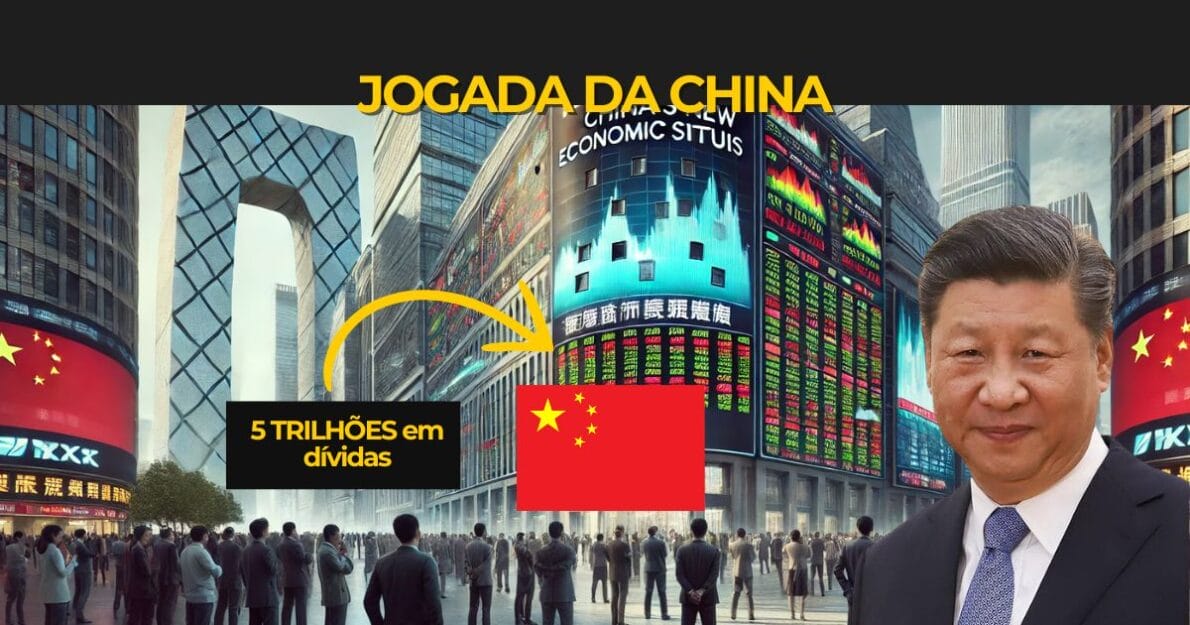
Chinese Government Plans to Inject 6 Trillion Yuan into the Economy. Despite the Announcement, Investors Remain Concerned About the Lack of Clear Information.
China, the world’s largest emerging economy, seems poised to take drastic measures in an attempt to reverse the economic slowdown that has worried global markets.
However, while news of a trillion-dollar fiscal package circulates, many details remain unclear, leaving investors cautious and raising doubts about the real effectiveness of these actions.
What is Beijing really planning to avoid an economic collapse?
-
Brazil Ignores Trump’s threats to BRICS, Buys 42 tons of gold and reduces the Dollar’s share by 6.45% in international reserves.

-
Havan buys historic football land in Blumenau for a million-dollar amount protected by a confidentiality clause and is already planning to change even the layout of streets to build a megastore in half-timbered style costing 80 million reais.

-
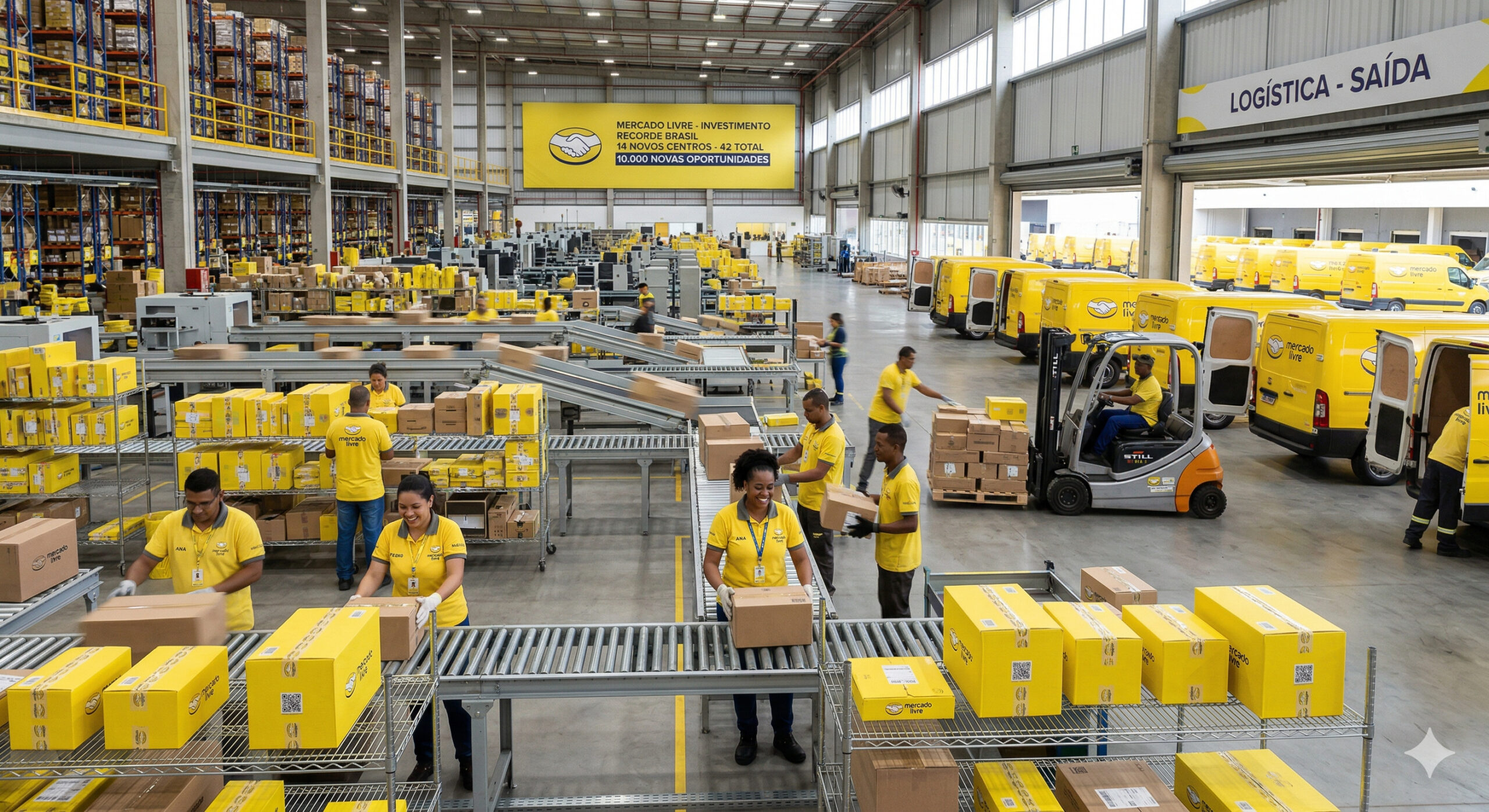
Mercado Livre “opens the vault” and announces a record investment of R$ 57 billion in Brazil in 2026, a value 50% higher than the previous year, with an expansion plan that includes 14 new logistics centers, totaling 42 units in the country and hiring an additional 10,000 employees.
-
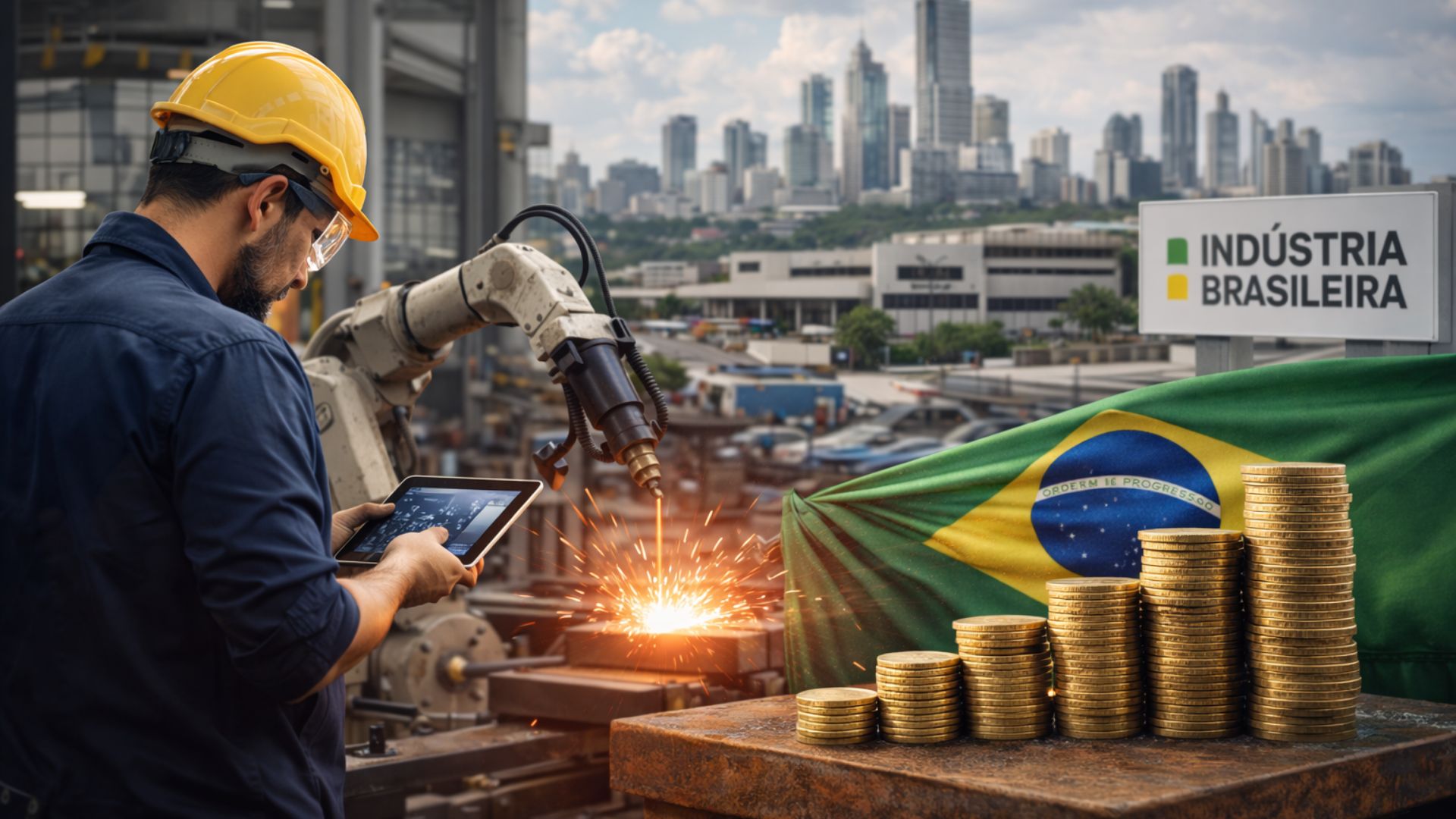
How investment in technology can revolutionize the national economy and enhance industrial gains, according to a study that highlights the direct impact on productivity, innovation, and wealth retention within Brazil.

According to recent reports from local media, China may issue nearly 6 trillion yuan, equivalent to about US$ 850 billion, approximately R$ 4.7 billion, in special Treasury bonds over the next three years.
This measure aims to inject capital into the economy, which has been experiencing growth below expectations.
Despite the magnitude of this proposal, the announcement was not enough to lift the country’s stock markets, which were expecting more details on the implementation and short-term effects.
Sources linked to the government stated that the funds would be allocated, in part, to help local governments deal with their off-balance-sheet debts.
Still, the lack of a clear timeline frustrated investors.
The Finance Minister of China, Lan Foan, had promised a significant increase in the debt but did not provide specific information on when and how these measures would be executed.
Speculation in Markets and Distrust
The expectation surrounding the Chinese fiscal package has generated intense speculation in financial markets.
Chinese stocks reached a two-year peak following rumors about the stimulus but quickly retreated due to a lack of official details.
For analysts like Xing Zhaopeng from ANZ, the Chinese economy can still achieve a growth rate of around 5%, provided the government efficiently implements the new stimulus.
“For a growth rate of 5%, that should be enough,” Zhaopeng asserts.
The Challenges for China’s Growth
Despite the optimistic projection, recent economic data is concerning.
Reports regarding the trade balance and new loans, especially the figures for September, fell short of expectations, raising doubts about China’s ability to reach the 5% growth target in 2024.
The third quarter is expected to register growth of only 4.5%, a decline compared to the 4.7% from the second quarter.
A recovery, however, is anticipated for the end of the year, with the stimulus driving the economy toward a growth of 4.8% throughout 2024, according to a Reuters survey.
Additionally, China is facing deflationary pressures, which could further complicate the recovery scenario.
Authorities, aware of these risks, announced support measures for the real estate sector and monetary policies at the end of September, in an effort to strengthen the economy.
In a meeting of the Politburo, Communist Party leaders reaffirmed their commitment to “necessary spending” to resume growth.
Growing Debt and Pressure on Local Governments
According to the International Monetary Fund (IMF), China’s total public debt, including local governments, reached 16 trillion dollars, representing 116% of the country’s GDP.
The central government has resisted significantly increasing its leverage, but the pressure to stimulate the economy may force Beijing to reconsider this stance.
According to Xia Haojie, an analyst at Guosen Futures, without decisive action from the central government, private investment may continue to be weak as local governments are overwhelmed by massive debts and companies face difficulties amid a slowing economy.
The Uncertainty About China’s Future
With a possible issuance of 6 trillion yuan in bonds and the expectation of growth still at 5% for the coming years, China is at an economic crossroads.
Although fiscal stimulus is an essential strategy to avoid the slowdown, markets remain skeptical about the effectiveness of these measures without a detailed execution plan.
Investors hope that Beijing will soon reveal more information about how it intends to utilize this massive amount and when results will begin to emerge.
The big question now is: will the Chinese government be able to effectively stimulate the economy, or will the weight of public debt sink growth expectations?







Seja o primeiro a reagir!