





 Portuguese
  English
  Spanish
  3 min of reading
  0 comments


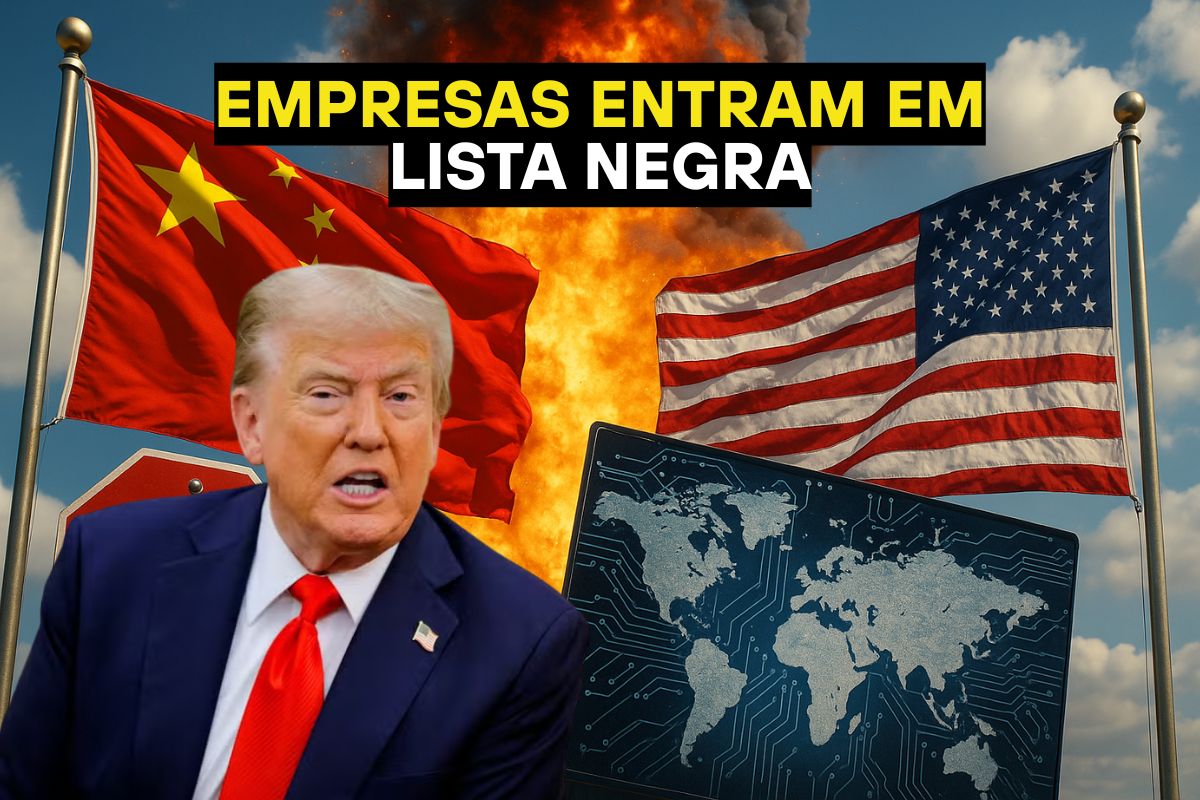
Chinese Government Decision Affects American Strategic Companies and Reinforces the Escalation of the Dispute Between the Two Largest Economies in the World, According to UOL Information.
The China announced on Thursday (25) the inclusion of six American companies on export control lists and unreliable entity lists. The measure increases trade tension between Beijing and Washington at a time of delicate negotiations over technology and security, reported UOL.
Among the affected companies are giants like Huntington Ingalls Industries, as well as companies from the defense, technology, and communication sectors. With the decision, they are barred from carrying out imports, exports, and new investments in Chinese territory, representing another step in the geopolitical escalation in 2025.
American Companies in Beijing’s Crosshairs
According to the Ministry of Commerce of China, three companies were included on the export control list, restricting the purchase of dual-use items, such as software, goods, and technologies that may have civilian and military applications. Another three were classified as “unreliable entities,” being prohibited from doing business and investing in the country.
-
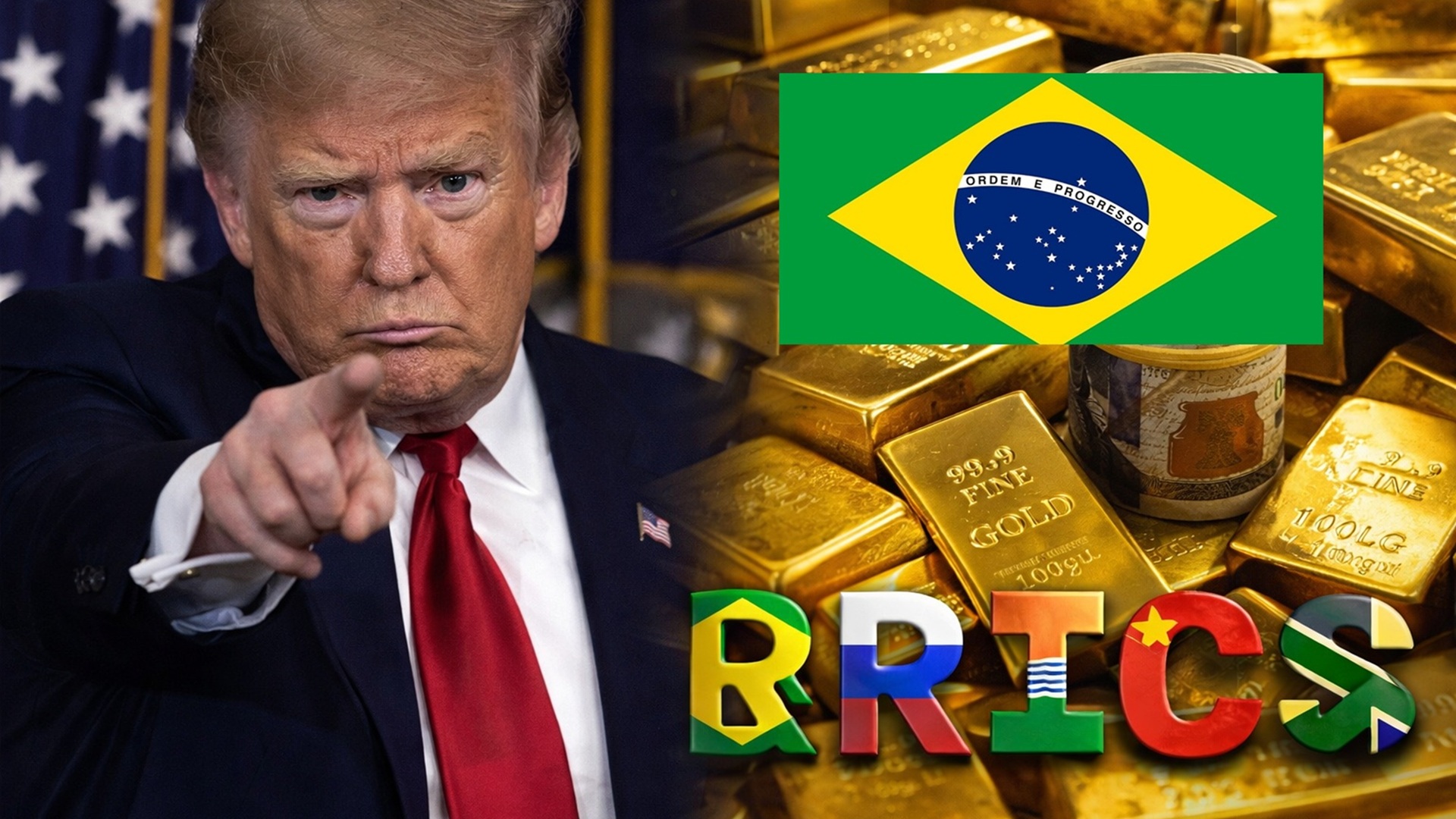
Brazil Ignores Trump’s threats to BRICS, Buys 42 tons of gold and reduces the Dollar’s share by 6.45% in international reserves.
-
Havan buys historic football land in Blumenau for a million-dollar amount protected by a confidentiality clause and is already planning to change even the layout of streets to build a megastore in half-timbered style costing 80 million reais.

-
Mercado Livre “opens the vault” and announces a record investment of R$ 57 billion in Brazil in 2026, a value 50% higher than the previous year, with an expansion plan that includes 14 new logistics centers, totaling 42 units in the country and hiring an additional 10,000 employees.

-
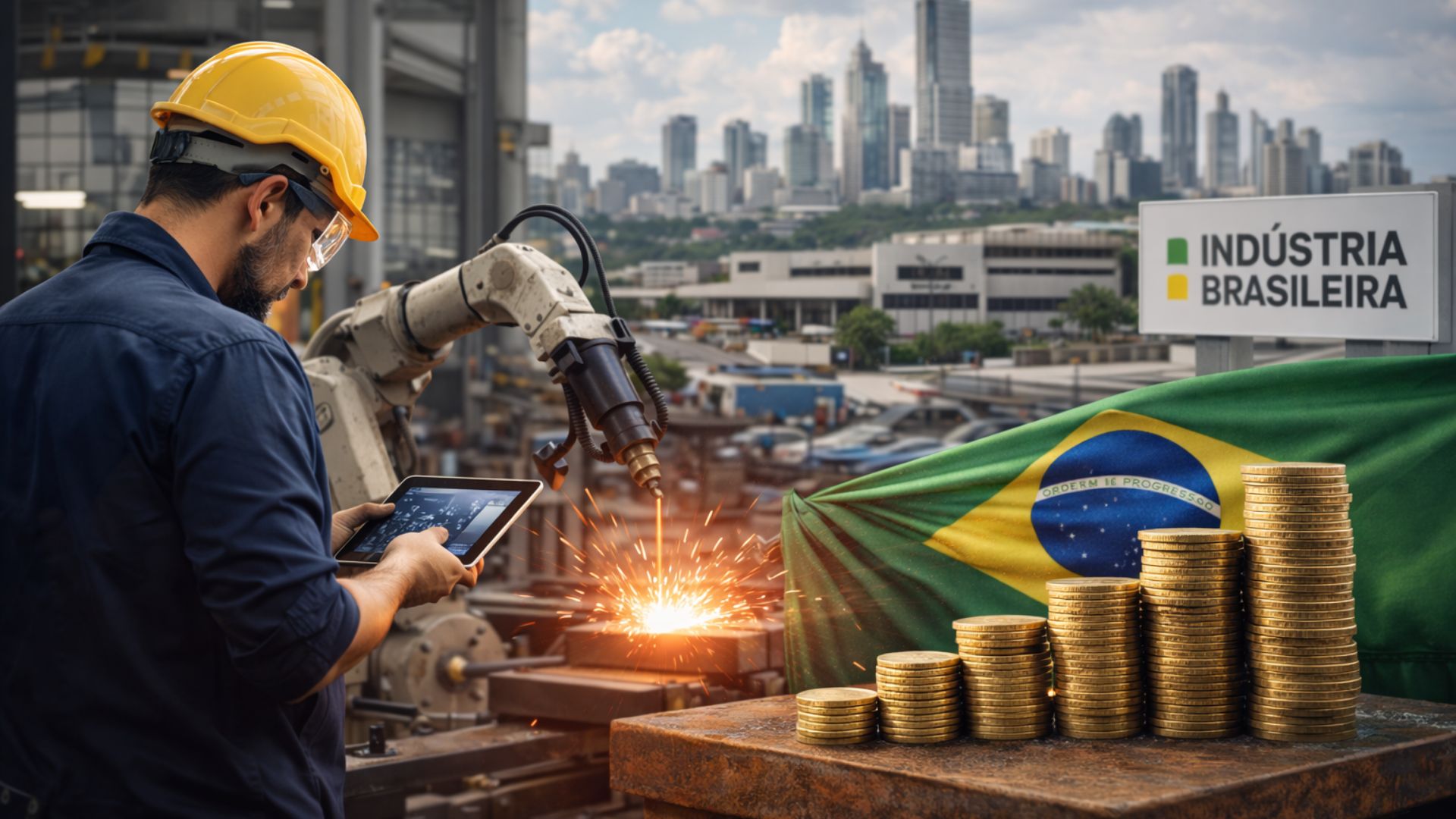
How investment in technology can revolutionize the national economy and enhance industrial gains, according to a study that highlights the direct impact on productivity, innovation, and wealth retention within Brazil.
The affected are Huntington Ingalls Industries, Planate Management Group, Global Dimensions, Saronic Technologies, Aerkomm, and Oceaneering International. Beijing justified the decision by stating that the activities of these companies threaten national security and the strategic interests of Chinese development.
Context of Negotiations Between China and the USA
The decision came amid high-level talks between Chinese and American officials. Delegations met in Madrid on September 14 and 15 to discuss tariffs, technology, and security, including concerns related to TikTok.
Additionally, President Xi Jinping spoke by phone with Donald Trump on September 20, in a conversation described by the Republican as “very productive.” Nevertheless, Beijing made it clear that it expects the US to cancel what they consider “irrational” tariffs, pointing out that the unilaterally imposed restrictions by Washington continue to be the biggest obstacle to economic cooperation, as highlighted by UOL.
What Brazil Has to Do With This
The disputes between China and the United States have direct and indirect repercussions in Brazil. As China’s largest trading partner and a strategic supplier to Americans in sectors such as steel and food, the country may face both risks and opportunities.
Among the potential gains, experts point to the opening of space for Brazilian exports in markets where American products lose competitiveness, as well as the chance to attract more Chinese investments in infrastructure, energy, and telecommunications. On the other hand, there are risks of an excess of Chinese products flowing into the Brazilian market, as well as the vulnerability of depending on a single trading partner amid global tensions.
Brazilian Strategy in the Dispute
Brazil has sought to balance its relations with the two powers. Brazilian diplomacy operates in forums such as BRICS and OECD to increase its autonomy and adopts a discourse of separation between political and commercial issues.
This positioning is seen as an attempt at geopolitical “hedging”: to stay close to both China and the United States to avoid retaliation and, at the same time, seize business opportunities. According to analysts consulted by UOL, this strategy is expected to intensify in 2025 in light of the escalating trade dispute.
The decision by China to place six American companies on control lists reinforces that the dispute with the US is unlikely to ease in the short term. For Brazil, this scenario can represent both risks to the local industry and opportunities for commercial expansion and investment attraction.
What do you think, should Brazil align more with China or seek closer ties with the United States? Which path would be more advantageous for the future of the Brazilian economy? Share your opinion in the comments.







-

Uma pessoa reagiu a isso.