





 Portuguese
  English
  Spanish
  4 min of reading
  0 comments


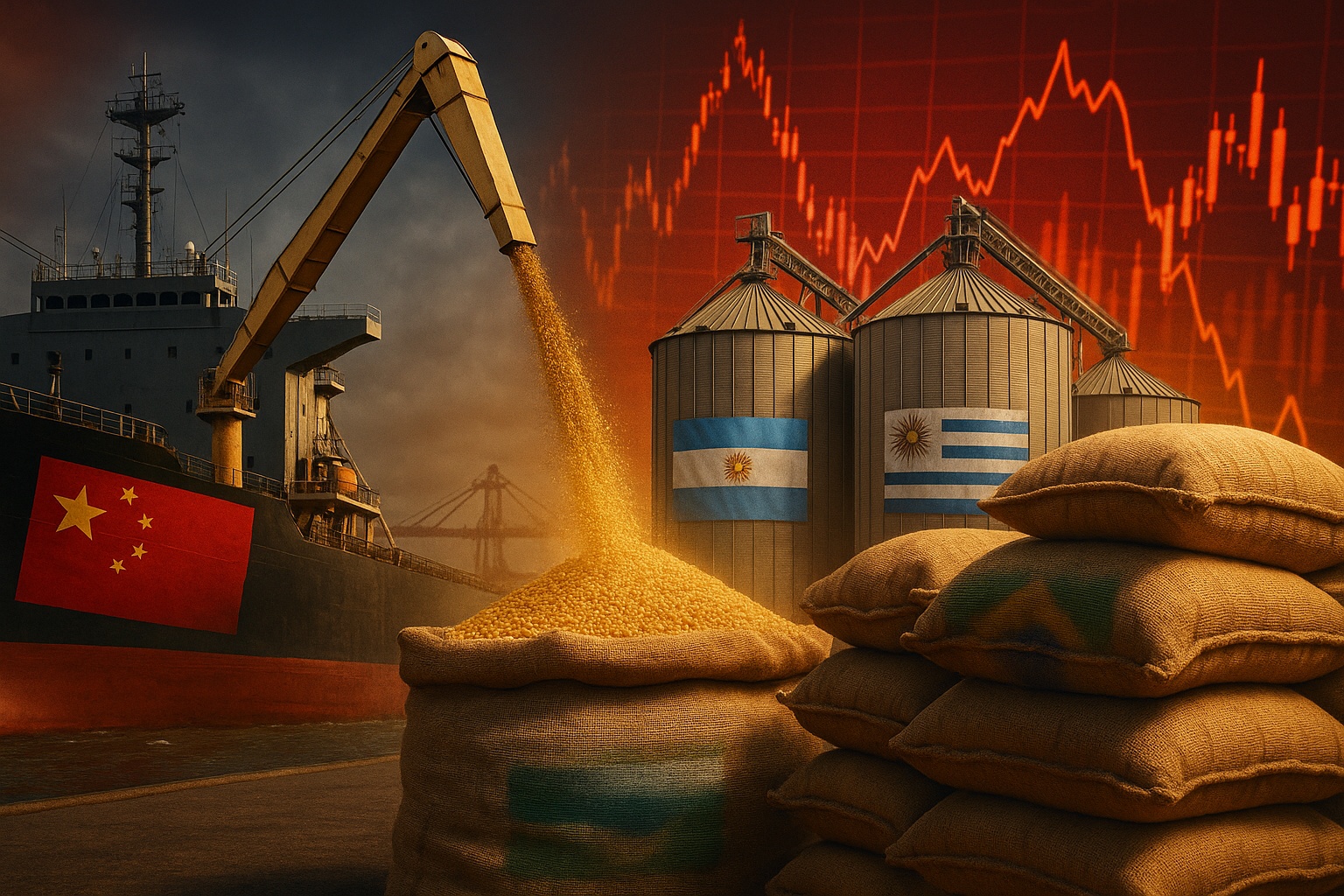
China Increases Soybean Imports From Argentina and Uruguay Amid Tensions With the U.S. and Puts Pressure on Brazil, Which Exports Over US$ 50 Billion a Year.
Soybeans, a grain that drives food, feed, and biofuel chains, have become one of the most strategic assets in global trade. The world’s largest buyer, China, accounts for almost 60% of global imports and moves figures that exceed US$ 90 billion annually.
In recent months, amid trade and tariff tensions with the United States, Beijing decided to redirect part of its billion-dollar purchases to Brazil’s neighboring countries, such as Argentina and Uruguay, expanding contracts and diversifying suppliers.
This shift has raised a red alert in the Brazilian agribusiness sector, as the country is currently the largest soybean exporter in the world and heavily relies on China as a destination for over US$ 50 billion a year in external sales.
-
Rain gains strength in April, potentially exceeding 150 mm, placing the North, Northeast, and the coasts of the South and Southeast at the center of the heaviest forecast of the week.

-
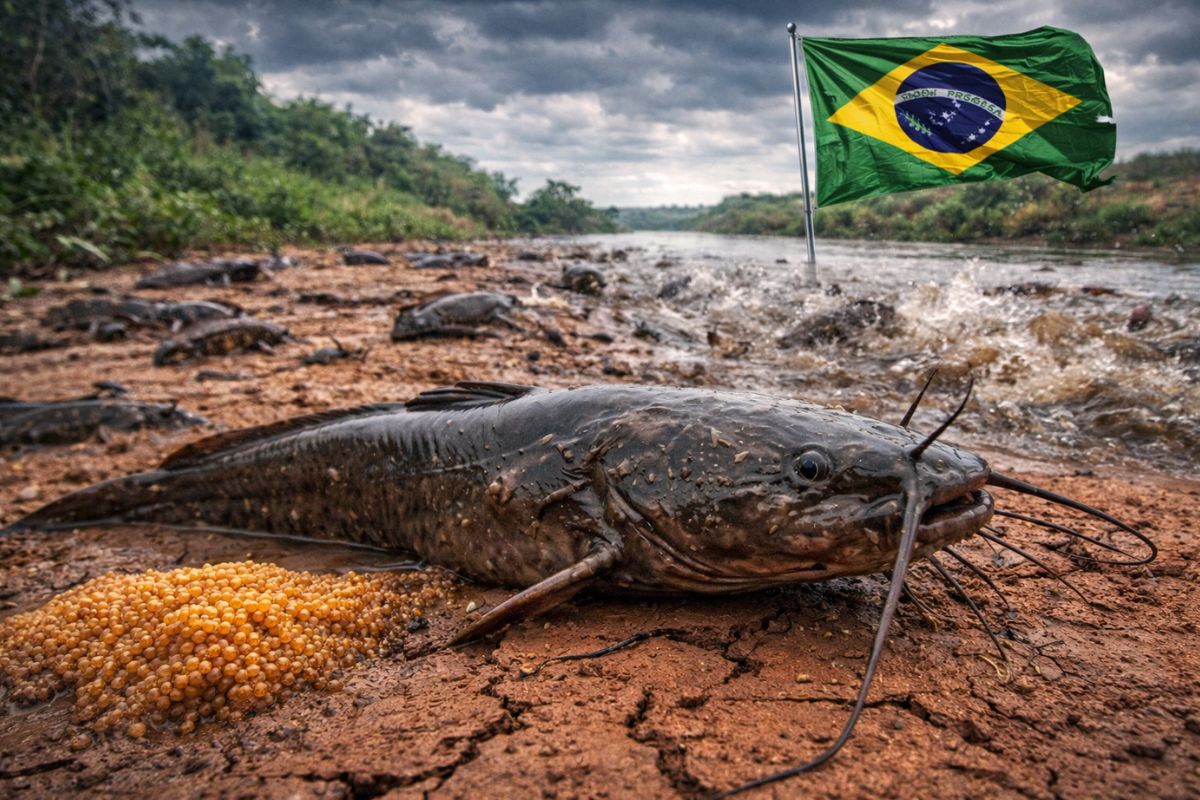
A fish that survives out of water, crawls on land until it finds another river, and whose female lays 80,000 eggs at once is infesting rivers and lakes in Brazil, and no one can stop this invasion.
-
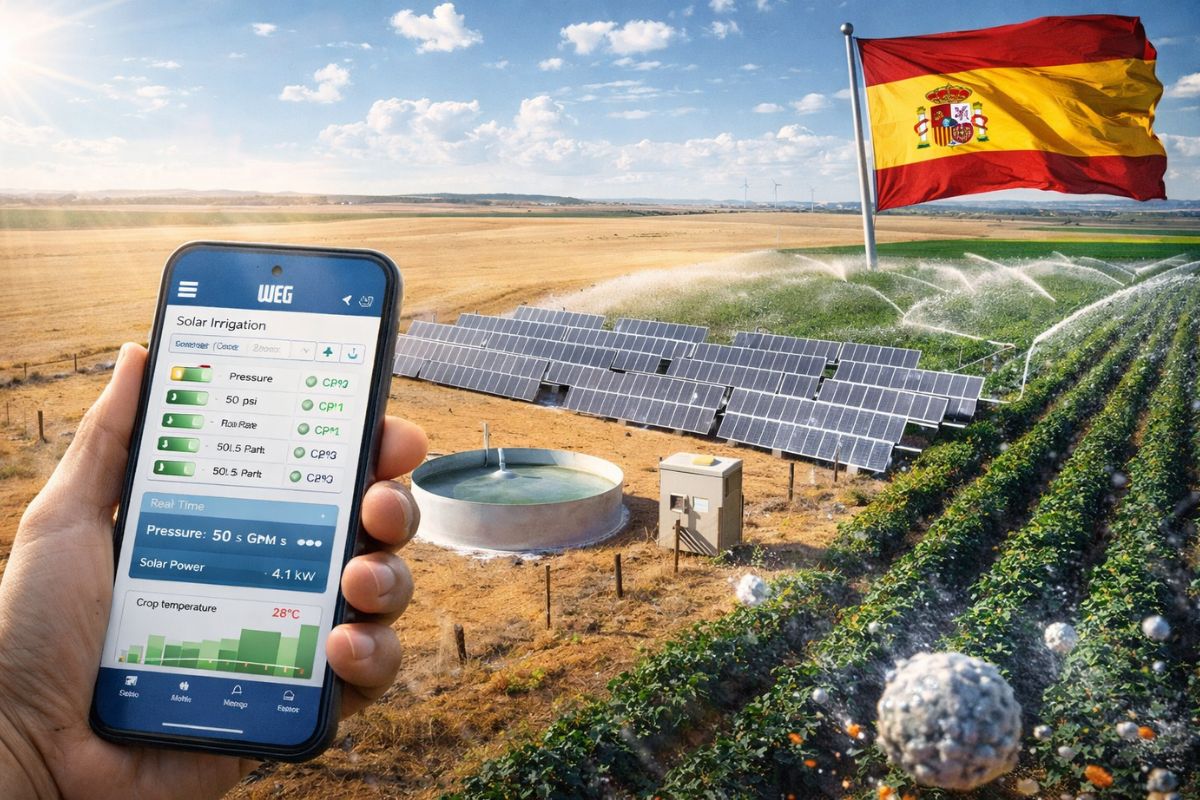
WEG took its technology to Spain to create a solar irrigation system that operates independently without needing an electrical grid, and now farmers control everything remotely via their mobile phones.
-
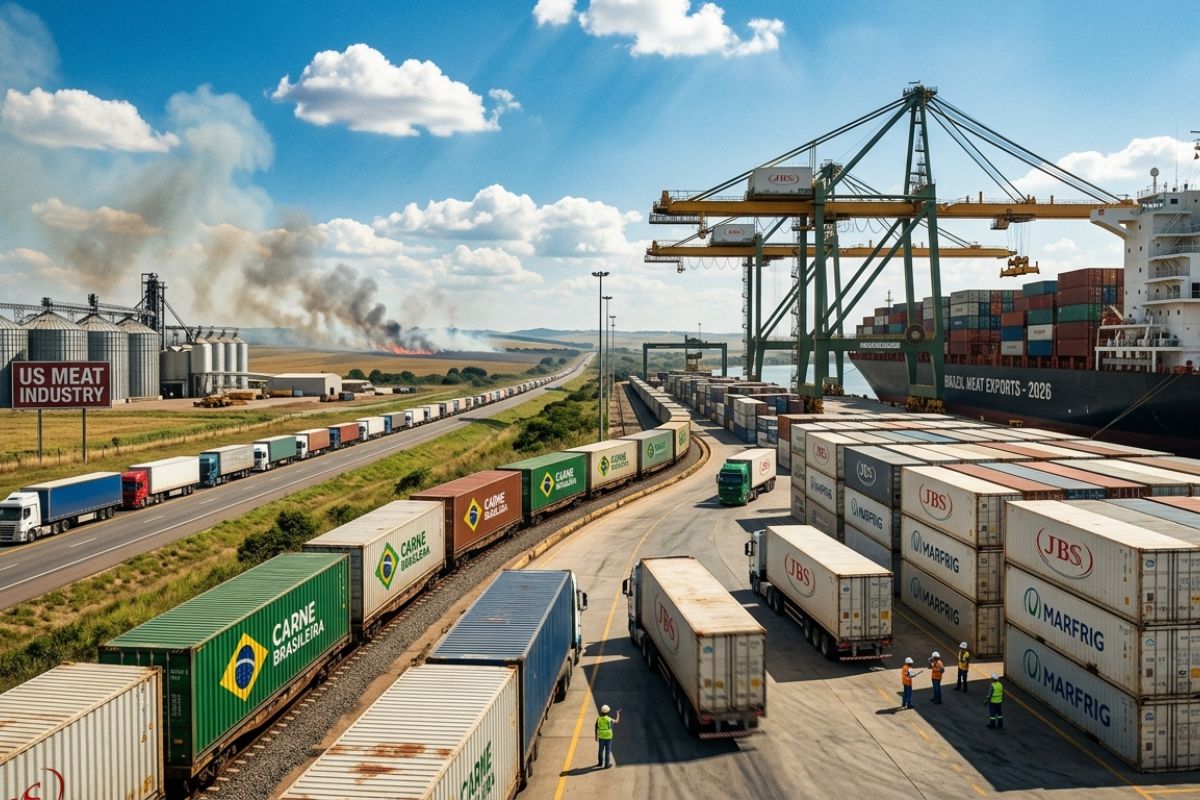
The US faces a meat crisis with fires, pests, and strikes, consumption rises and supply falls to the lowest level since 1952, creating a billion-dollar opportunity for Brazilian exports to grow in 2026.

Tensions With the U.S. and the Search for New Suppliers
The trade war between China and the United States is no longer news. Since 2018, tariffs applied to American agricultural products have opened up space for other countries in the competition for the Chinese market.
Now, in 2025, with the intensification of diplomatic tensions and the imposition of new trade barriers in strategic sectors, Beijing is again using soybeans as a geopolitical tool. By increasing purchases from Argentina and Uruguay, China signals that it wants to further reduce its dependence on Washington.

This movement affects not only the U.S. but also generates collateral effects for Brazil, which until now has been riding high as the preferred supplier.
Argentina and Uruguay Gain Unexpected Ground
Argentina is a traditional soybean producer but has faced climate crises in recent years that reduced supply. In 2024 and 2025, however, harvests have regained strength, and Beijing has taken the opportunity to secure new billion-dollar contracts.
Uruguay, on the other hand, is a smaller player but is rapidly expanding its production and exports, taking advantage of tax incentives and partnerships with global trading companies. The volume is still modest compared to Brazil’s, but the symbolism of diversification is clear: Beijing does not want to depend on a single supplier, no matter how large.
Brazil on Alert: Risk of Losing Market
Brazil is currently the largest soybean exporter to China, accounting for over 70% of purchases by the Asian giant. This relationship has generated billion-dollar trade surpluses for the country in recent years.
However, with Argentina and Uruguay entering the game more strongly, Brazil may lose some of that space.
- Immediate Risk: Reduction of future contracts, as China begins to diversify suppliers.
- Medium-Term Risk: Decrease in prices paid, with greater Chinese bargaining power.
- Structural Risk: Loss of hegemony in a market that ensures a significant portion of Brazil’s trade surplus.
For Brazilian farmers, this means pressure for lower margins, as production costs remain high, especially for fertilizers and pesticides, many of which are imported.
Concerning Numbers
According to official data, Brazil exported about 100 million tons of soybeans in 2024, of which more than 70% were destined for China, generating revenues above US$ 50 billion.
Argentina, after recovering its harvest, is expected to export more than 40 million tons, with a significant portion already directed to the Chinese market. Uruguay, still small, moves about 3 million tons, but is growing rapidly.
For China, the cost of expanding contracts with these neighboring countries is low, and the strategic benefit is enormous: less dependence on a single supplier and greater price negotiation power.
The Geopolitical Game of Commodities
More than a market issue, soybeans are a tool of foreign policy.
- For the U.S., it is one of the main agricultural export products, used as a weapon in tariff disputes.
- For China, it is a matter of food security, essential for feeding pig and poultry herds that ensure the country’s protein supply.
- For Brazil and Argentina, it represents one of the largest sources of foreign currency and trade surplus.
In this board, every move is strategic. And the redirection of Chinese purchases to Argentina and Uruguay shows how agricultural commodities are at the center of global geopolitics.
The Future of Brazilian Agribusiness
In light of this scenario, Brazil needs to rethink its strategy.
- Diversification of Markets: seek new destinations, such as India, Indonesia, and Arab countries.
- Investment in Value Addition: increase exports of derivatives, such as meal and oil, and not just raw grain.
- Agricultural Diplomacy: strengthen bilateral relations and ensure long-term contracts with Beijing to reduce substitution risks.
Brazilian agribusiness will continue to be one of the most competitive in the world, but the alert is given: China is testing alternatives.
Soybeans and Global Power: More Than a Grain, a Strategic Weapon
China’s recent movement makes it clear that soybeans are not just a commodity, but a central piece in the global power game.
By increasing contracts with Argentina and Uruguay, Beijing sends a direct message: no supplier is irreplaceable.
For Brazil, the largest exporter in the world, this means the need to act quickly to avoid losing ground. The future of soybeans goes far beyond the field — it is also a contest of influence, food security, and economic power in the 21st century.









Seja o primeiro a reagir!