





 Portuguese
  English
  Spanish
  5 min of reading
  0 comments


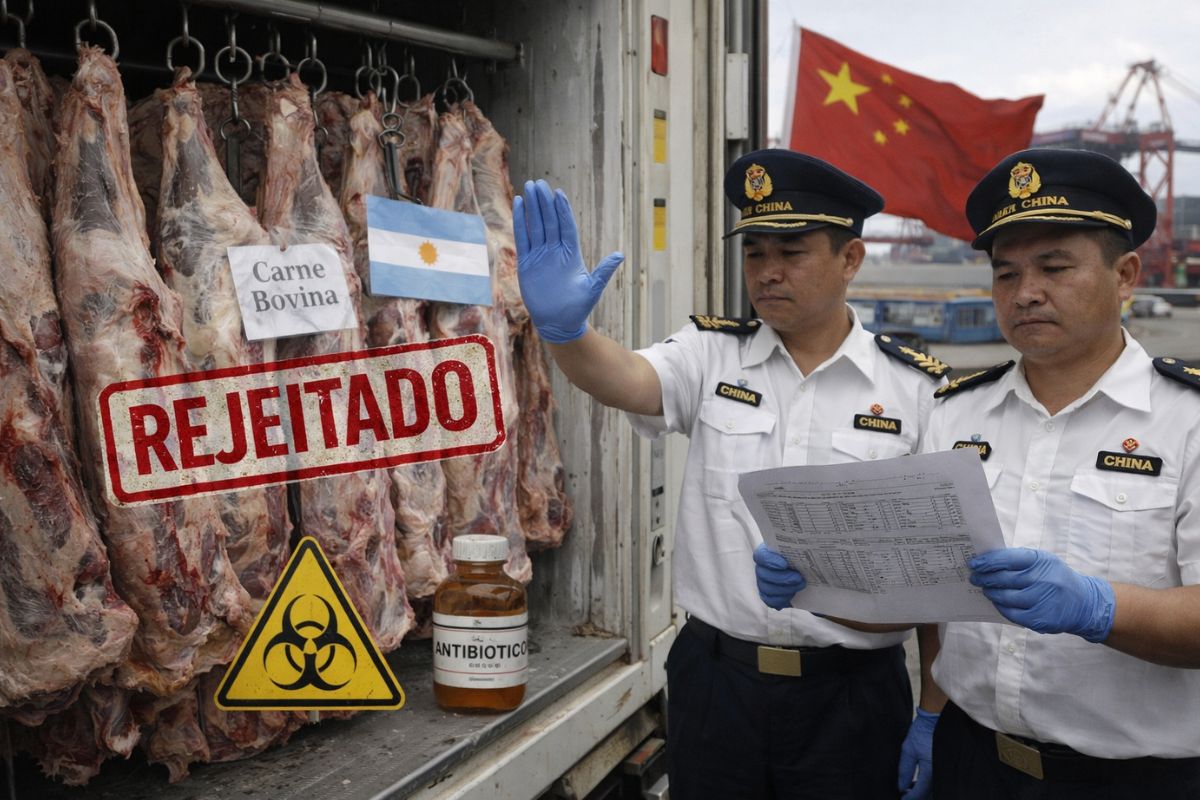
China suspended the import of beef from Argentina from a slaughterhouse in the province of Buenos Aires after detecting residues of Chloramphenicol, an antibiotic banned for decades in animals intended for human consumption due to causing severe hematological disorders, and the incident affected a 22-ton container in a market where the zero-tolerance policy turns any irregularity into a diplomatic crisis
China rejected a shipment of beef from Argentina after its laboratories detected residues of Chloramphenicol, an antibiotic whose use in animals intended for human consumption has been banned for over 30 years. The substance, although effective against bacterial infections, was banned after studies linked its use to severe side effects, including hematological disorders. The mere detection of residues, even in minimal amounts, is enough to trigger international food safety protocols, and that is exactly what happened with Argentine beef.
According to Agro em Campo, the suspension affects a slaughterhouse located in the province of Buenos Aires, responsible for significant exports to the Chinese market. The problem is limited to a container of approximately 22 tons, but the repercussions go far beyond the volume. China’s zero-tolerance policy regarding banned residues turns any irregularity into a crisis that affects confidence in the entire Argentine beef production system, with the potential to generate significant economic and diplomatic impacts.
What is Chloramphenicol and why is it banned in beef from Argentina and the world
Chloramphenicol is a broad-spectrum antibiotic that was widely used in veterinary medicine until studies demonstrated its association with severe side effects in humans.
-
With nearly 500 thousand tons per year, barley production is growing in Brazil, while a decline in beer consumption among Generation Z raises alarms in the sector.

-
With tractors out of reach for small producers, a tricycle created by Embrapa Algodão becomes a cheap and efficient solution and gains national prominence.

-
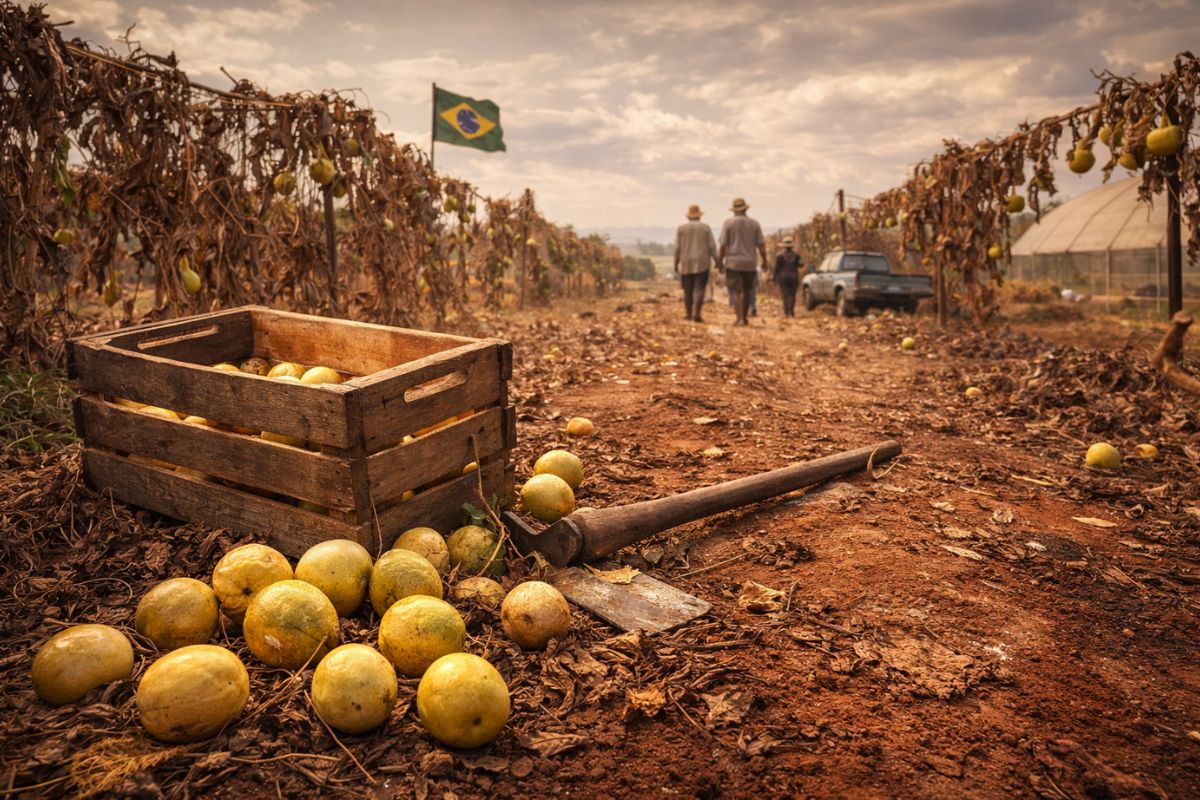
From 130 producers in the year 2000 to just 15 today: the dramatic decline of passion fruit in Araguari shows how the lack of labor in the Brazilian countryside is killing a decades-old agricultural tradition, even with Brazil being the largest producer in the world.
-
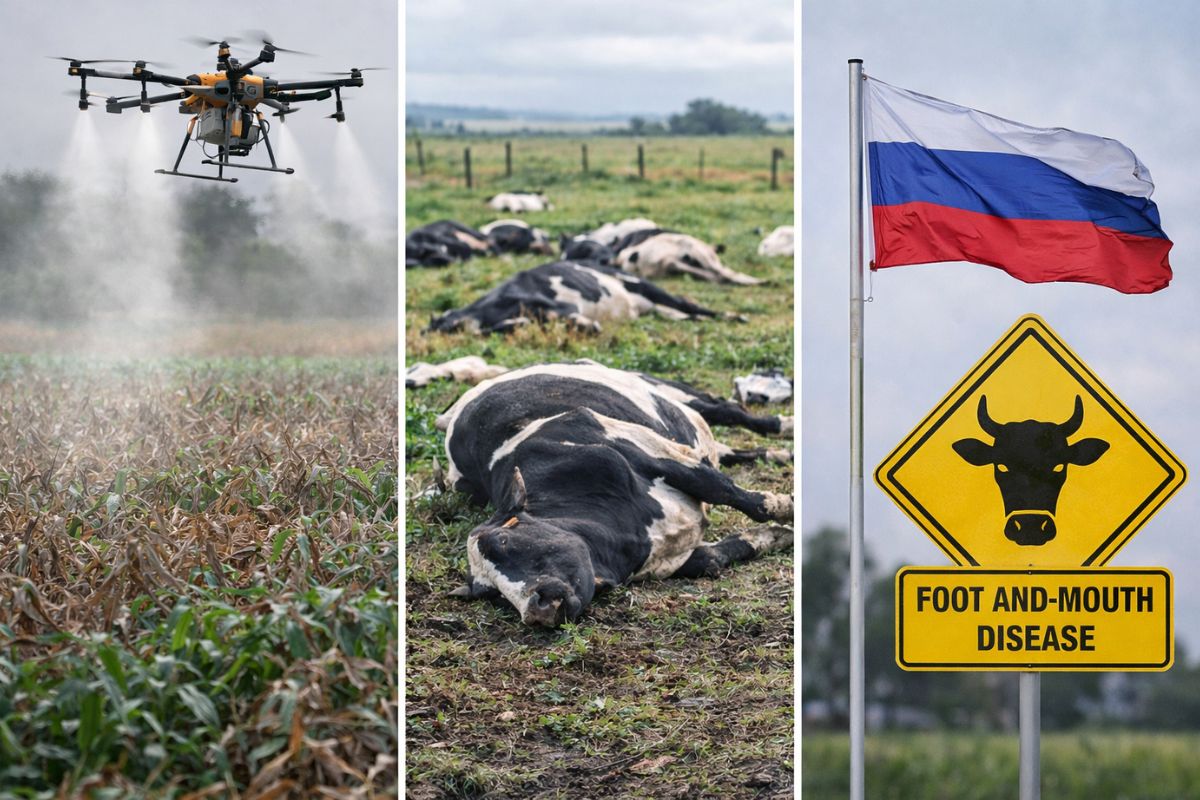
Agricultural drone sprayed poison into the air and destroyed the neighbor’s crops, causing 1 million in damages; 48 cows died from nitrite poisoning in the pasture, and Russia is hiding a possible outbreak of foot-and-mouth disease: the week was brutal for the rural sector.

The substance has been linked to hematological disorders, including aplastic anemia, a potentially fatal condition in which the bone marrow stops producing blood cells in sufficient quantities. Because of these risks, its use in animals intended for human consumption has been banned in virtually all international markets for over three decades.
The problem with Chloramphenicol is that even minimal amounts of residues in meat are considered unacceptable by food safety protocols. There is no tolerable limit: detection is sufficient for rejection.
This is why the presence of the antibiotic in Argentine beef triggered an immediate response from China, which operates on the principle of zero tolerance for banned substances in imported food.
Why is China so strict with beef from Argentina and other exporters
China has established itself as the main destination for Argentine beef, becoming a strategic partner for the country’s agricultural sector. In recent years, however, the Chinese market has intensified its sanitary control mechanisms, expanding laboratory tests and requirements that affect all meat exporters worldwide.
Recent cases of suspension of slaughterhouses in other South American countries show that China is not being stricter only with Argentina: it is a global trend of more severe oversight.
For China, food safety is a public health issue with over 1.4 billion consumers. Any irregularity detected in imported meat generates internal repercussions and pressure for authorities to act quickly.
The rejection of Argentine beef due to Chloramphenicol is not just a sanitary measure: it is a demonstration that the world’s largest meat importer will not tolerate failures, even if restricted to a single batch.
What is Argentina doing to resolve the crisis and regain confidence
SENASA, the Argentine sanitary authority, has initiated a detailed investigation in conjunction with diplomatic and agricultural authorities. Argentina’s traceability system allows tracking the entire production chain, from the origin of the animal to export, which facilitates identifying where contamination occurred.
Among the hypotheses being analyzed are the possibility of false positives in tests or indirect contamination by substances similar to Chloramphenicol, which can only be confirmed after data cross-checking with Chinese authorities.
The Argentine government is acting on two fronts: containing the immediate effects of the embargo on Argentine beef and demonstrating that the country’s sanitary system is reliable. Negotiations with Chinese authorities aim to restore exports as soon as possible, including the possibility of sending technical representatives to China.
Previous episodes involving Argentina itself were resolved through technical and diplomatic negotiations, which fuels the expectation that the current situation can also be managed without structural damage to the exporting sector.
What does this case mean for the global beef market of Argentina and South America
The immediate impact of China’s rejection of Argentine beef goes beyond a 22-ton container. The incident affects the reputation of the Argentine sanitary control system at a time when competition for meat markets is increasingly fierce.
Brazil, Uruguay, Paraguay, and Australia are competing for the same shares of the Chinese market, and any sign of sanitary failure in a competitor can be exploited by others.
Despite the suspension of the specific unit, the company involved has alternatives to maintain operations, redirecting production to other authorized plants. This flexibility reduces the immediate impact on Argentine beef exports.
But the damage to confidence is harder to measure: each rejection reinforces the perception that quality controls need to be even stricter, and Argentina knows that regaining credibility in the world’s largest meat market is as important as resolving the technical issue.
A banned antibiotic, 22 tons rejected, and a lesson about trust in the global market
The rejection of Argentine beef by China due to Chloramphenicol is a case involving 22 tons of meat, but it weighs tons in reputation.
China’s zero-tolerance policy shows that in the global food market, there is no small irregularity, and the trust built over years can be shaken by a single batch contaminated with a substance banned for over three decades.
Argentina investigates, negotiates, and seeks a solution. But the message has already been sent: those exporting beef from Argentina to China must ensure that every gram is within standards, or the next container may not pass.
Did you know that this antibiotic has been banned for over 30 years? Do you think China is right to adopt zero tolerance or is the rigor disproportionate for a single batch? Should Brazil be concerned about similar cases? Leave your comments and share this article with those who follow the meat market and international trade.








Seja o primeiro a reagir!