





 Portuguese
  English
  Spanish
  4 min of reading
  2 comments




China Revolutionizes Lithium Extraction! Solar Energy Is Used to Capture Lithium from the Sea, Paving the Way for the Largest Energy Transformation of the Century
The race for global energy transition has intensified the demand for critical materials such as lithium. An essential element for the manufacturing of electric vehicle batteries and for renewable energy storage, lithium has been the focus of numerous research and technological innovations. Now, China emerges as a leader in a revolutionary approach to extracting lithium from the ocean, a previously underestimated resource, using solar energy. This discovery promises to transform the way the world obtains this essential metal.
The Global Context of Lithium Extraction
With the exponential increase in demand for batteries, especially in the transportation and clean energy sectors, lithium has become one of the most valuable resources on the planet. However, its traditional extraction, which mainly occurs in salt flats and hard rock mines, is costly and environmentally harmful. Major producers, such as China, Australia, and South American countries, have dominated the global market, but the production capacity of these traditional sources is declining.
In light of this scenario, China has begun to explore new ways to ensure a continuous and sustainable supply of lithium. The primary focus of this new approach is on exploring the vast lithium reserves present in the oceans, which contain about 230 trillion tons of this element. Although these quantities seem promising, the low concentration of lithium in seawater, along with the presence of other ions such as sodium and magnesium, has always hindered efficient extraction.
-
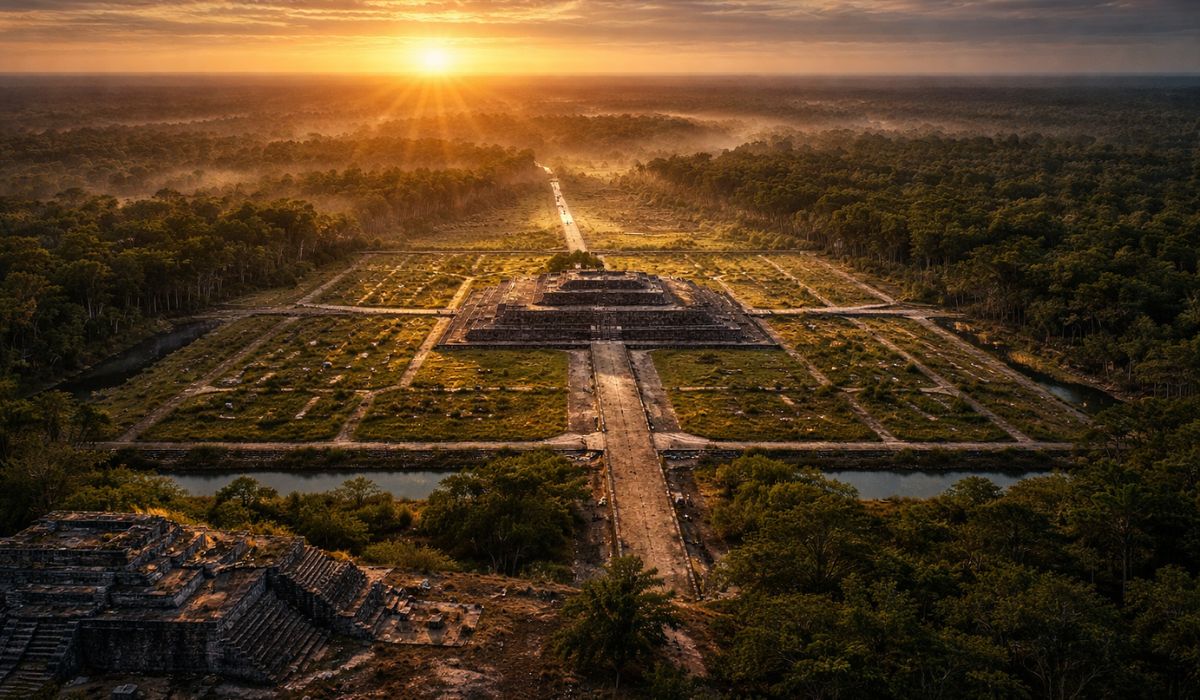
In Mexico, a 3,000-year-old Maya site with the dimensions of an entire city may have been built as a colossal map of the cosmos, created to represent the order of the universe and reveal how this people organized space, time, and rituals.
-
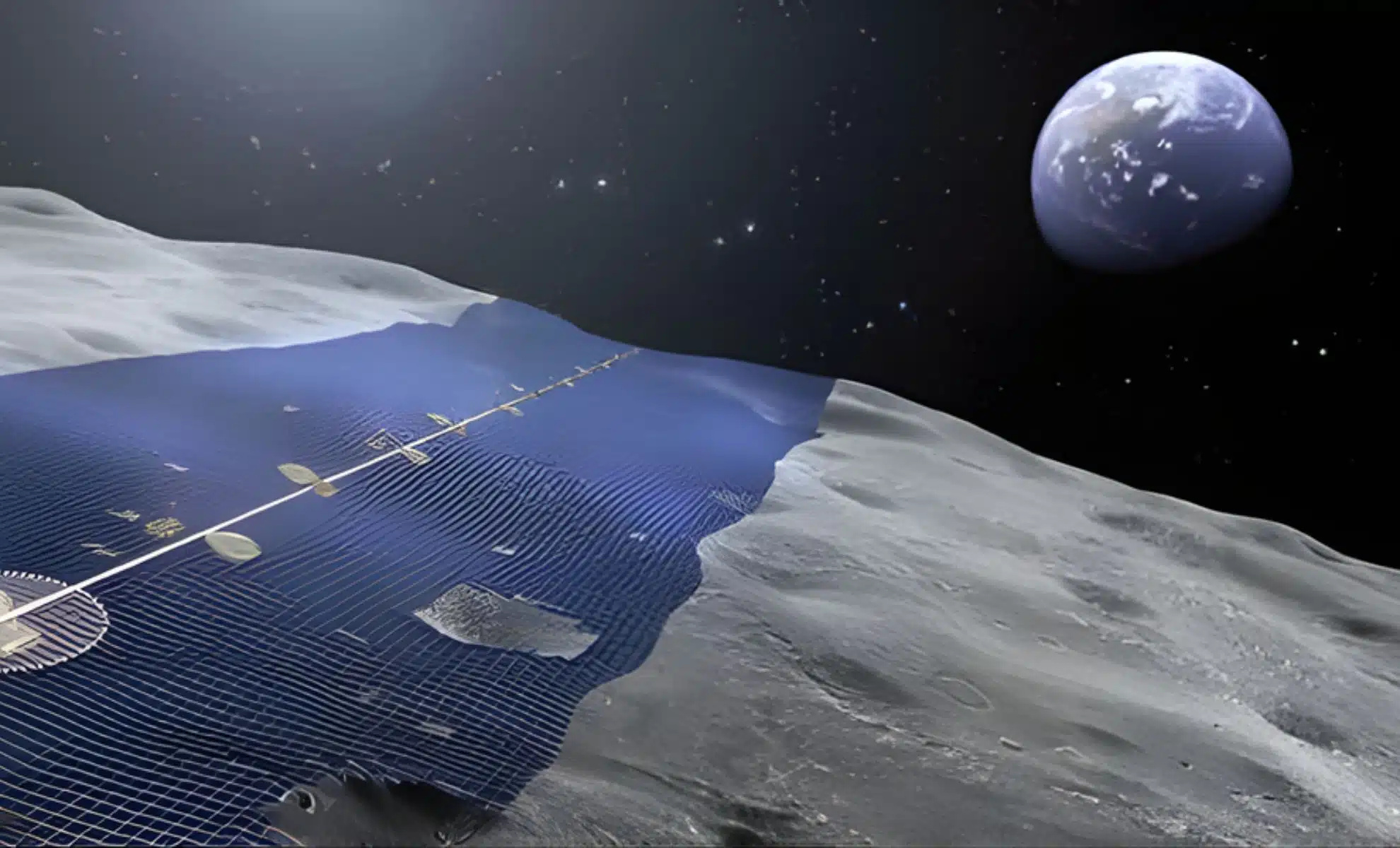
Japan wants to build a solar ring of 10,900 kilometers on the Moon to continuously send energy to Earth.
-
Weighing almost 1 ton, with temperatures of up to 3,000°C, the ability to launch 10,000 fragments within a radius of 1 km, capable of penetrating concrete and melting steel, Turkey’s terrifying bomb emerges as one of the most destructive non-nuclear weapons ever presented.

-
After a submarine disappeared beneath the “Doomsday Glacier,” scientists announce a new monstrous machine capable of operating at 3,000 meters depth to return to the heart of the ice and investigate a threat that could raise sea levels worldwide.


The Innovative STLES System: A Sustainable Energy Alternative
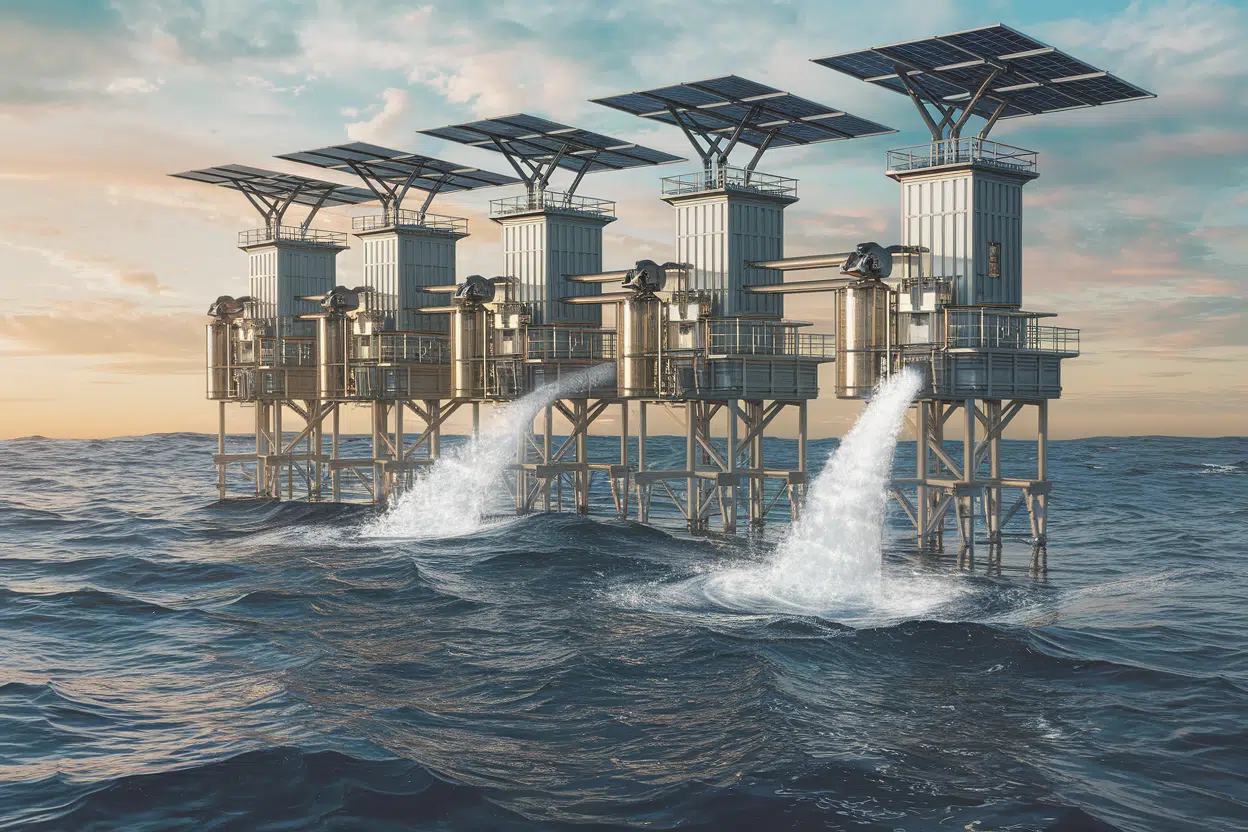
In response to these challenges, engineers from Nanjing University in China developed STLES (Solar Transpiration Lithium Extraction and Storage System). This innovative technology utilizes solar energy to extract and store lithium directly from seawater. The simplicity and efficiency of this method are impressive, as it eliminates the need for complex and costly industrial processes while being environmentally safer.
The STLES works through a transpiration solar evaporator, which creates a pressure gradient in the capillaries of a membrane made of aluminum oxide, embedded with nanoparticles. This membrane is responsible for selectively filtering lithium ions, separating them from other cations present in seawater, such as sodium and calcium. Solar energy generates the necessary pressure to drive lithium ions through this membrane, allowing them to be stored in a vascular layer within the device itself.
Besides its energy efficiency, the device is designed to be scalable and highly stable, making it a promising solution for broad global implementation. Long-term tests have demonstrated the system’s compatibility with different types of membranes, as well as its durability, enhancing its potential for large-scale use.
Nature-Inspired Parallels and Batteries
Nature has always been a source of inspiration for science. The lithium extraction process through STLES is inspired by how plants transpire to selectively extract nutrients from water. This natural principle has been adapted to create a device that can perform a similar process artificially, but using solar light as an energy source.
Another innovative approach being developed comes from King Abdullah University of Science and Technology (KAUST) in Saudi Arabia. Researchers there are using iron phosphate and silver halide electrodes to intercalate lithium ions from seawater and release them into freshwater. This method, inspired by battery structures, offers another promising alternative for selective lithium extraction, minimizing the need for highly energy-intensive and polluting processes.
Both technologies, the Chinese and the Saudi, offer a vision for a more sustainable and efficient lithium extraction future, allowing countries with access to large reserves of seawater to exploit this resource in an economically viable and environmentally responsible manner.
Implications for the Future of Global Energy
If the STLES system is successfully implemented on a global scale, it could revolutionize the lithium mining sector, offering an economically and environmentally correct solution for extracting this vital resource. The method has the potential to be utilized in locations with high brine concentrations, such as the Dead Sea and the Caspian Sea, where the lithium concentration is higher than in oceans, further facilitating the process.
In the long term, this new approach may not only meet the growing demand for lithium but also significantly reduce the environmental impacts associated with traditional mining. Solar energy, a clean and renewable source, would be the only energy required to power these devices, making lithium extraction more eco-friendly and accessible.
Furthermore, the combination of these new technologies could allow countries without large lithium mineral reserves to participate in the global supply chain, creating a more sustainable geopolitical balance in terms of access to essential resources for the energy transition.


The race for sustainable and innovative solutions to meet the global lithium demand is just beginning. China, with its technological innovation capacity and abundant resources, again positions itself at the forefront of this revolution. With the development of systems like STLES, which efficiently extracts lithium using solar energy, and with complementary approaches like the KAUST technique, the future of lithium extraction seems increasingly integrated with global environmental needs.
The challenges are great, but solutions are in development. The possibility of extracting lithium from the oceans without additional energy costs represents a monumental advance toward a cleaner and more sustainable future. Now, the question that remains is: what will be the next big step in exploring this essential resource?








Lítio verde só o Brasil
sempre a China na vanguarda