





 Portuguese
  English
  Spanish
  3 min of reading
  0 comments


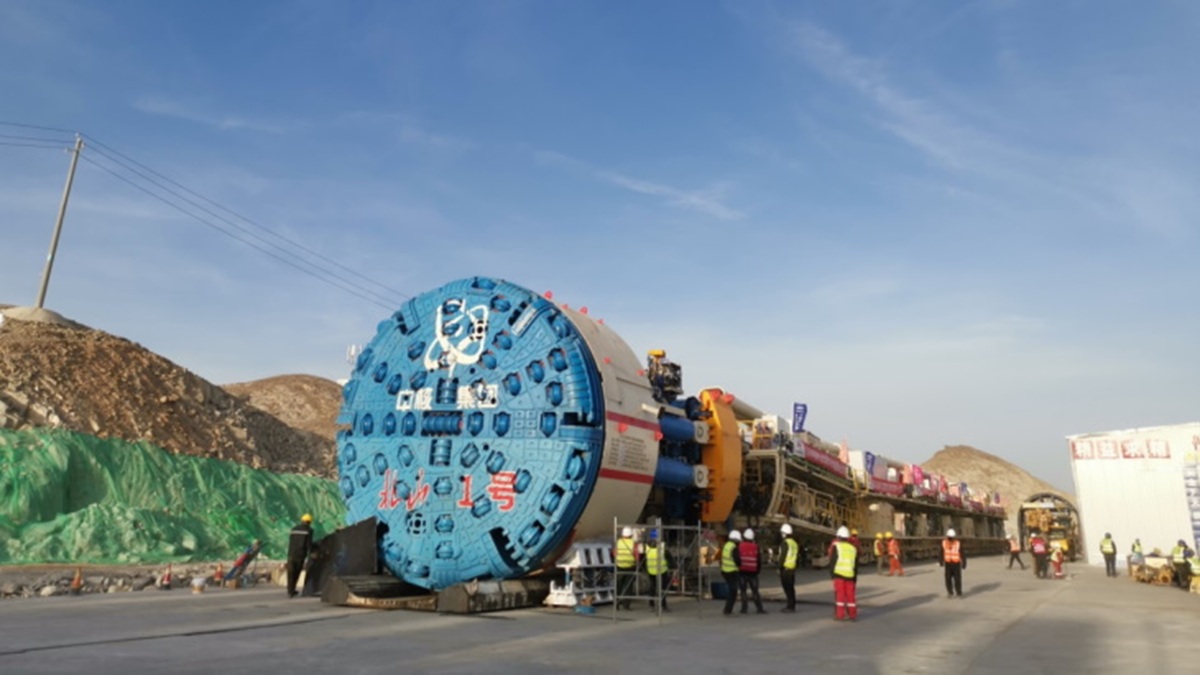
The Deep Geological Laboratory of Beishan Makes Progress After Nearly Three Decades of Research, Bringing Together Extreme Subsurface Engineering, International Cooperation, and Solutions for Isolating Nuclear Waste, Including High-Activity Materials, for Hundreds of Thousands of Years
China is close to inaugurating a deep geological laboratory for nuclear waste, after completing a spiraled ramp at the Beishan Underground Research Laboratory, located 560 meters deep in the Gobi Desert.
Strategic Advancement for Nuclear Waste Management
The Beishan Underground Research Laboratory was developed by the China National Nuclear Corporation as one of the largest facilities of its kind, dedicated to the safe and permanent management of radioactive waste.
Located in the depths of the Gobi Desert, near Jiuquan in Gansu Province, the laboratory aims to tackle one of the most sensitive challenges associated with the expansion of nuclear energy in the country.
-
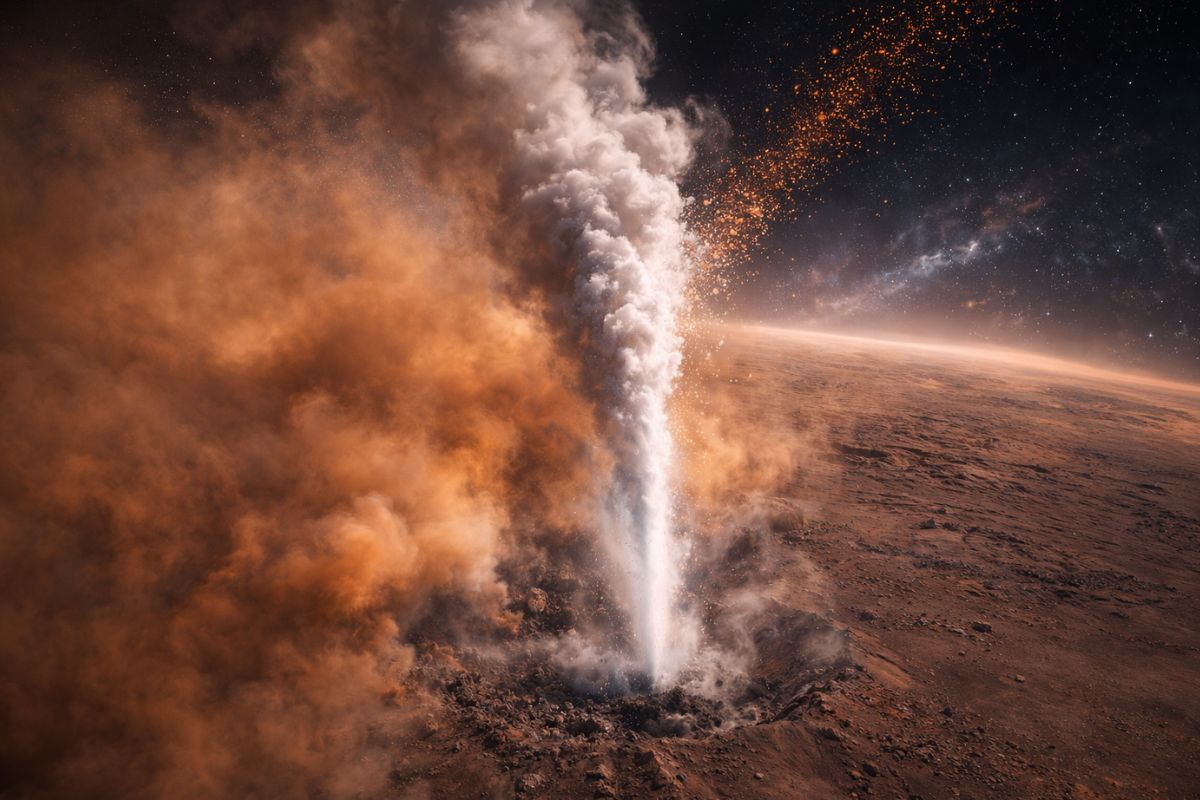
Scientists caught a water vapor explosion on Mars exactly when it shouldn’t have happened: an unexpected dust storm launched the water to an altitude of 80 kilometers and accelerated the escape of hydrogen into space by 2.5 times.
-
The Brazilian Navy launched the NPa Mangaratiba (P-73) on April 27: a 54.2 m Macaé-class patrol vessel, with 43 crew members, 6 days of autonomy, and a range of 4,000 km to monitor the entire Blue Amazon.

-
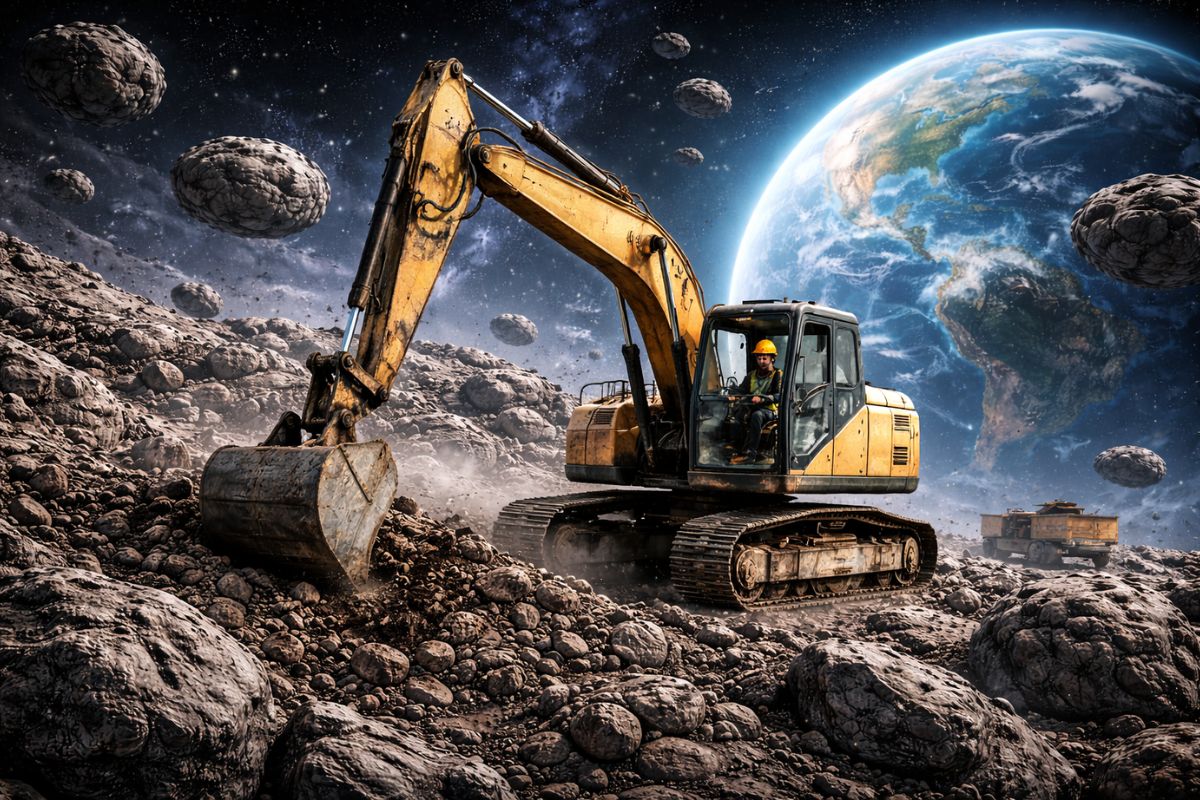
Chinese scientists have identified 122 viable asteroids for large-scale asteroid mining and outlined the Tiangong Kaiwu plan to explore space water ice and metals throughout the Solar System by 2100.
-
Does compulsive lying exist? What does science know about mythomania and why does it go beyond ‘lying too much’?


According to Wang Ju, chief scientist and principal designer of CNNC, nuclear energy remains highly efficient and low-carbon, with approximately 99% of waste classified as low or intermediate level.
These wastes, as explained, gradually decay over time until they reach levels considered harmless, which reinforces the importance of deep geological storage as a pillar of nuclear safety.
The Challenge of High-Activity Waste
Wang pointed out that the biggest challenge remains in managing high-activity nuclear waste, which represents about one percent of the total generated by nuclear energy.
These materials require safe isolation for hundreds of thousands of years, demanding extremely stable geological solutions and long-term strategies to avoid environmental or human risks.
Each country, according to Wang, adopts distinct approaches for managing this waste, and the Beishan project was conceived as a platform for international cooperation.
The initiative will allow for the exchange of global best practices, while contributing the experience and technological advancements developed by China in this strategic field.
Site Selection and Decades of Research
The identification of a suitable site for a deep geological facility has been described as being as complex as the construction itself, requiring vast, ancient, and structurally stable rock formations.
After almost three decades of research, China selected the remote Beishan region in Gansu, recognized for its solid geology and natural conditions favorable for safe underground storage.
The studies began in 1996, when researchers drilled about 100 wells to thoroughly assess the structure, composition, and stability of the local rock.
The project entered the execution phase after regulatory approval in 2019, laying the groundwork for the advanced construction milestones currently achieved in the underground laboratory.
Extreme Engineering Under the Gobi Desert
The main structure of the laboratory includes a spiraled access tunnel, three vertical shafts, and two horizontal levels, reaching approximately 560 meters below the surface.
The newly completed tunnel extends about 7 kilometers, has a diameter of 7 meters, and descends with a constant slope of 10%, posing significant technical challenges during construction.
Excavation occurred in extremely hard granite formed over 250 million years ago, rendering conventional methods ineffective and increasing the risk of structural damage to the rock.
The sharp curves of the tunnel pushed a 100-meter-long drilling machine to its limits, designed to operate under exceptional underground conditions.
Technology Developed for Extreme Depths
To tackle the safety and engineering challenges at great depths, engineers utilized the Beishan No. 1 drill, entirely developed in China.
The equipment was designed to drill hard rocks and operate precisely in steep and curved tunnels, meeting the specific demands of the underground laboratory. The machine was developed by a team led by the Beijing Uranium Geology Research Institute, in partnership with China Railway Construction Heavy Industry Corporation.
This combination of advanced engineering has allowed China to push the boundaries of underground construction, consolidating essential technical advancements for the future of safe nuclear management.






-

-

-

-

10 pessoas reagiram a isso.