





 Portuguese
  English
  Spanish
  3 min of reading
  0 comments


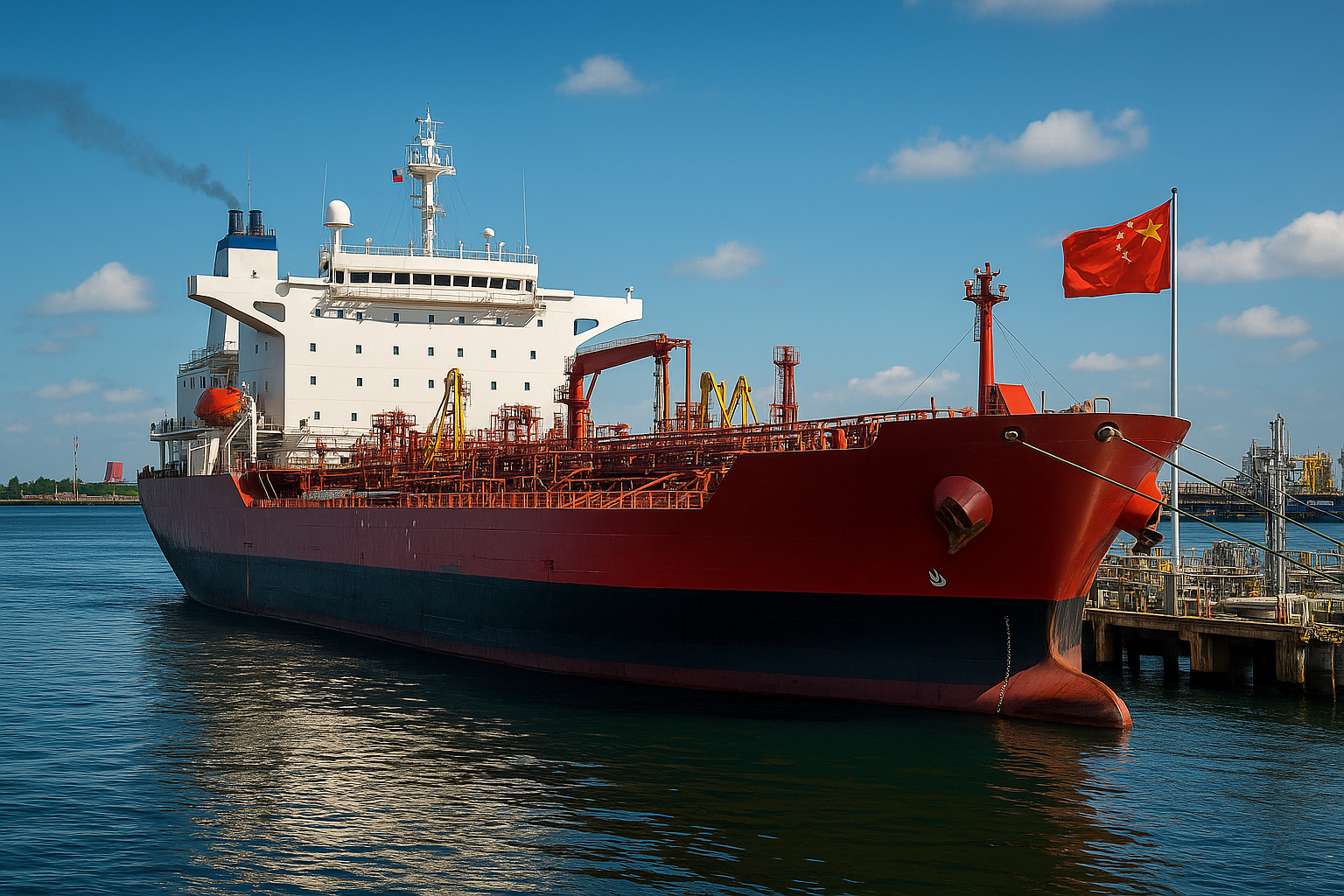
Chinese Refineries Take Center Stage in Russian Oil Purchases Amid Indian Retreat
The Chinese refineries ramped up Russian oil purchases in October and November 2025. This came after a decrease in demand from India.
This movement reflects a direct reaction to the tariffs imposed by the United States government under Donald Trump’s administration.
In July, Trump threatened to impose secondary sanctions on countries that continued to import oil from Moscow.
-
Petrobras evaluates suspension of sales to distributors and considers canceling the cooking gas auction following guidelines from the Federal Government.
-
Lula reveals a masterstroke by Petrobras to undo a deal made by Bolsonaro, which involves the return of an important refinery that currently produces less than half of what was expected and makes Brazil dependent on international diesel.
-
A study confirms that the natural gas sector will reduce greenhouse gas emissions in Brazil by 0.5% and accelerate the energy transition by 2026.

-
Petrobras implements a severe adjustment and confirms a 55% increase in the price of aviation kerosene with a proposal for installment payments for the companies.


Earlier this month, the U.S. president announced a 25% tariff on Indian exports.
He also imposed fees on Russian oil and gas, pushing New Delhi to drastically cut its buying volumes.
India’s Decline Opens Space for Chinese Advancement
According to analyst Muyu Xu from consultancy Kpler, until last week, Chinese refineries had secured 15 shipments of Russian oil for October and November.
Each of these shipments ranged between 700,000 and 1 million barrels, according to analysts.
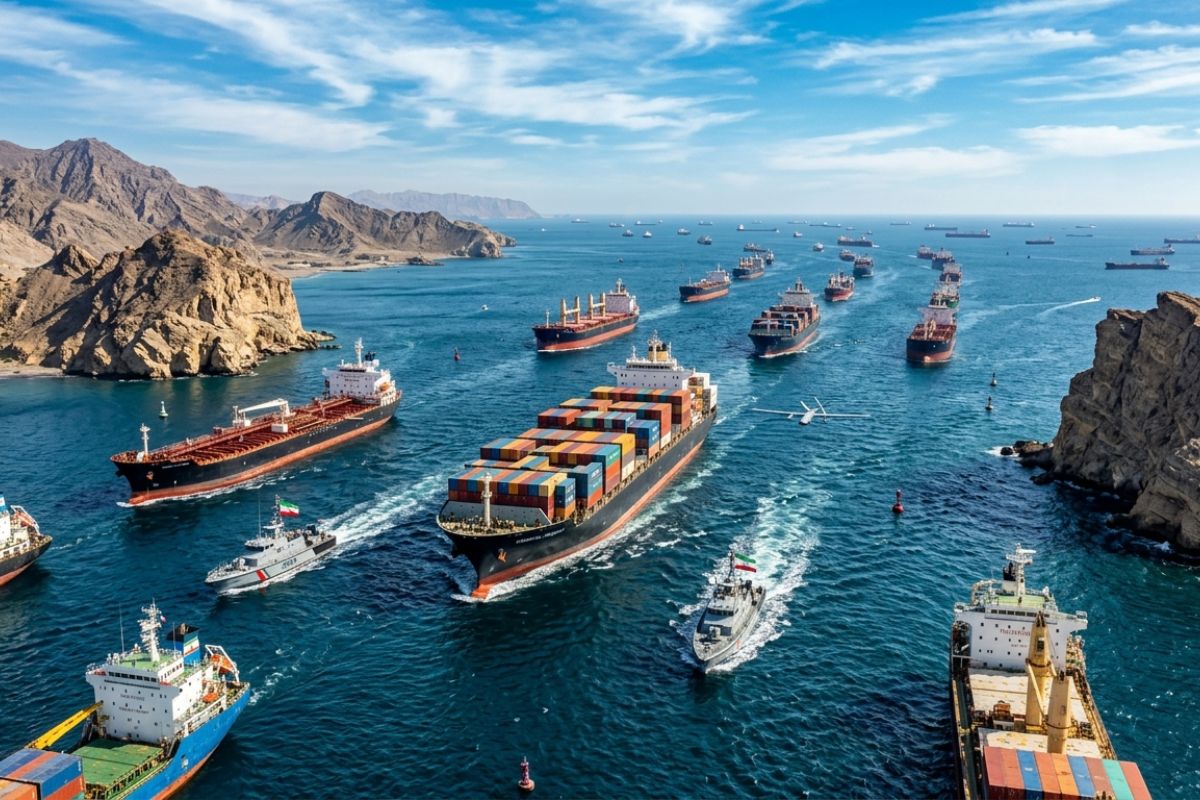
Typically, these shipments would have departed from Arctic and Black Sea ports destined for India.
In light of the Indian market’s retrenchment, the batches were redirected to China.
Reuters also confirmed the trading of the same shipments, citing market experts.
Additionally, Xu noted that the move was considered “opportunistic”.
This is because Russian oil remains about US$ 3 cheaper per barrel than alternatives from the Middle East.
The discount has been leveraged by Beijing since the invasion of Ukraine in 2022.
That year, Western countries began severely restricting imports of Russian energy.
Political Context and External Pressures
Since the invasion of Ukraine, China and India have become the two largest buyers of Russian oil.
They represent a significant share of the global energy trade.
UN data shows that in 2024, India imported US$ 53 billion in crude oil and derivatives from Russia.
This amount represented about 36% of its domestic consumption, according to Vortexa, an energy-focused firm.
Meanwhile, China purchased US$ 62.6 billion in Russian oil in the same year.
This volume accounted for 13.5% of its total crude oil imports.
However, the recent U.S. tariff policy has changed this balance.
During an interview with Fox News, Trump stated that he does not intend, for now, to impose retaliatory measures against Beijing for its increased purchases.
Still, he indicated that new sanctions could be adopted in “two or three weeks.”
Direct Impact on the Global Energy Market
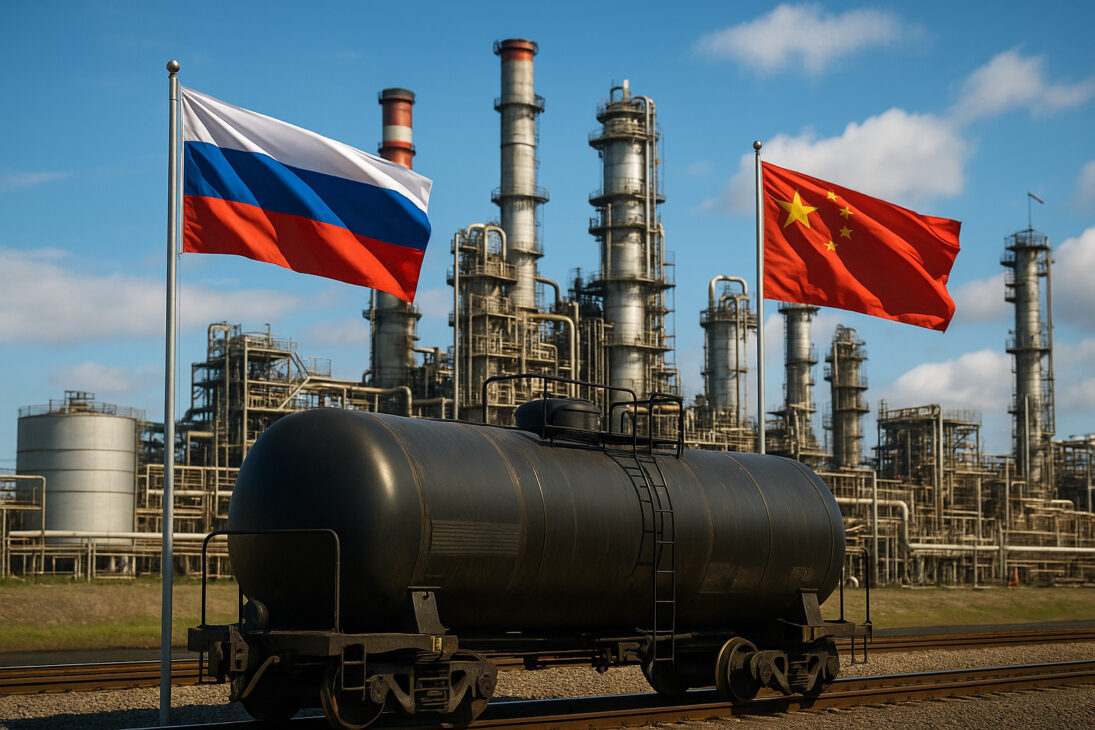
The Chinese negotiations demonstrate that, while there is room to increase volume, China will not be able to fully compensate for India’s cut.
According to Xu, India used to import approximately 1.7 million barrels per day from Russia.
Meanwhile, China receives about 1.2 million daily barrels via maritime channels.
This difference indicates that Moscow may face serious challenges in maintaining the same level of revenue from oil exports.
This risk increases if India continues to reduce its purchases.
Furthermore, the new contracts secured by Chinese refineries reinforce the trend of redirecting oil flows.
These shipments from the Black Sea and Arctic were traditionally destined for the Indian market.
This logistical repositioning demonstrates how U.S. tariffs are reshaping global trade routes.
Future Prospects for Russia, China, and India
Experts assess that, in the short term, Chinese refineries are likely to maintain or even increase their purchases of Russian oil.
This movement occurs by taking advantage of lower prices in the market.
However, the medium-term scenario will depend on the next steps of the Trump administration.
If new sanctions against Beijing are confirmed, the market could face even greater instability.
This would directly impact prices and the availability of barrels in international trade.
In the meantime, Russia watches with concern the decreasing Indian purchases.
Although the Chinese market is substantial, it does not fully absorb the redirected volumes.
For analysts, this fragility reinforces Moscow’s dependence on the political and economic decisions of its main buyers in Asia.








Seja o primeiro a reagir!