





 English
  Francês
  Alemão
  Italiano
  Japonês
  Norueguês
  Portuguese
  Spanish
  3 min of reading


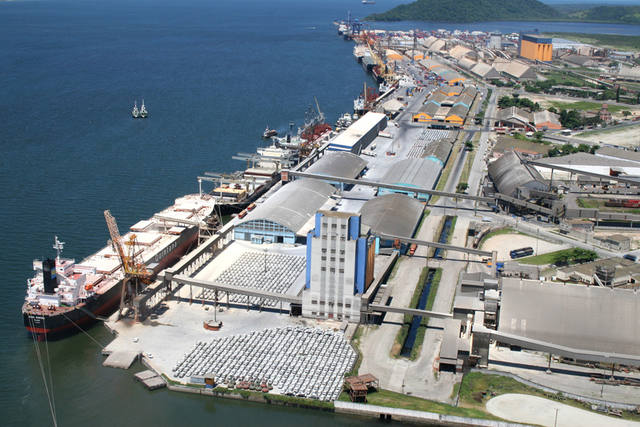
In September, Chinese President Xi Jinping promised before the UN General Assembly to make China carbon neutral by 2060, but what would that mean for global maritime transport?
This is an ambitious goal for China, which is the world’s largest polluter at a time when the country plans to develop around 150 gigawatts in coal plants. How will they reduce their carbon footprint? The massive effort is being unveiled as the EU strengthens its Paris Agreement targets, promising to reduce emissions by 55% by 2030, according to its Green Deal policies.
Read Also
- Boosting the Economy and Job Creation: Brazil’s Sustainable Recovery Plan to Reduce Emissions of Toxic Gases
- Petrobras Confirms Investments of US$ 90 Billion by 2024
- Shell Announces New Structure for Marketing Renewable Electricity and Natural Gas in Brazil
USA Also Plans to Become Carbon Neutral Like China
On the other hand, the United States, the second-largest emitter of CO2 in the world, is set to withdraw from the treaty in November under Donald Trump’s guidance, who, if re-elected, is likely to reverse the country’s environmental efforts. At the same time, some states remain committed to their environmental efforts, such as California, which aims to become carbon neutral by 2045.
The announcement from China comes ahead of the United Nations Conference on Climate Change 2021, COP26, which was scheduled for this year but postponed due to COVID-19.
-
Historic bankruptcy of Centauro shocks the market, and the century-old company puts more than 500,000 products, machines, and complete infrastructure up for online auction.

-
New shoe factory in Ceará is expected to create 400 jobs and strengthen the local economy.

-
No one imagined it, but a mixture of sawdust with a mineral that fights fires surprises scientists with a result that changes the course of fire-resistant construction.

-
From empty land to a high-end house, wooden construction uses a lightweight system, metal structure for the foundation, ventilated ceramic cladding, and special windows to create an efficient and comfortable living space throughout the year.

The conference is expected to result in more ambitious climate actions from global governments to keep global warming below 2C. Reducing emissions in global supply chains, industrial sectors, and promising to achieve carbon neutrality has become an important trend in the last two years amid growing public pressure to reduce emissions.
Oil and Gas Industry Leaders Invest in Renewable Energy
Only this year, we have seen many major oil and gas companies, such as Shell, BP, and Equinor, announce their energy transition goals with a significant shift toward investments in renewable energy.
The transportation sector is also witnessing a shift toward investments in renewable energy such as hydrogen or offshore wind, the most recent example being Scorpio Bulkers revealing plans to build a massive wind turbine installation vessel while divesting its bulk carrier fleet.
A Major Change in Policy Implementation Is Required
Beijing’s promise will require a rapid and massive change in the formulation and implementation of policies to meet the carbon neutrality goal for 2060. But, if anyone can do it at this pace, it is China, as its track record has shown!
In other words, China has become a manufacturing powerhouse for clean technology and a global leader in renewable energy, resulting in a sudden surge of investments to support solar and wind projects in the last five years.
On one hand, China is busy making strides in the offshore wind energy domain, as it is expected to surpass the burgeoning offshore industry of the UK.








Seja o primeiro a reagir!