





 Portuguese
  English
  Spanish
  2 min of reading



With the Main Objective of Challenging the United States’ Dominance in Latin America, China Aims to Increase Its Exports and Investments with Brazil in Up to 10 Years
Chinese banks have become the largest creditors in Latin America, and most of the loans, 67%, were for investments in renewable energy projects, while nearly 20% focused on infrastructure projects for exports.
Read Also
Chinese Investments in Brazil
Nowhere has China received and applied more investments in the export market than in Brazil under President Jair Bolsonaro. In fact, China has become the largest foreign investor in the country. Data from the Foreign Ministry published in 2019 shows that, between 2003 and 2019, the Chinese invested US $ 72 billion in Brazil, and many believe this is an underestimate. China seems particularly interested in dominating the energy, transportation, and agribusiness sectors.
“There are dozens of Chinese companies that see the country as an investment opportunity,” said the spokesman for the Brazil-China Chamber of Commerce, Charles Tang. “For months they have been prospecting the Brazilian market.”
-
Pharmacy inside the supermarket: what changes now in your purchase, why medicines won’t go on the shelves, which rules remain strict, mandatory pharmacist, separate space, controlled storage, more convenience and competition in the country.

-
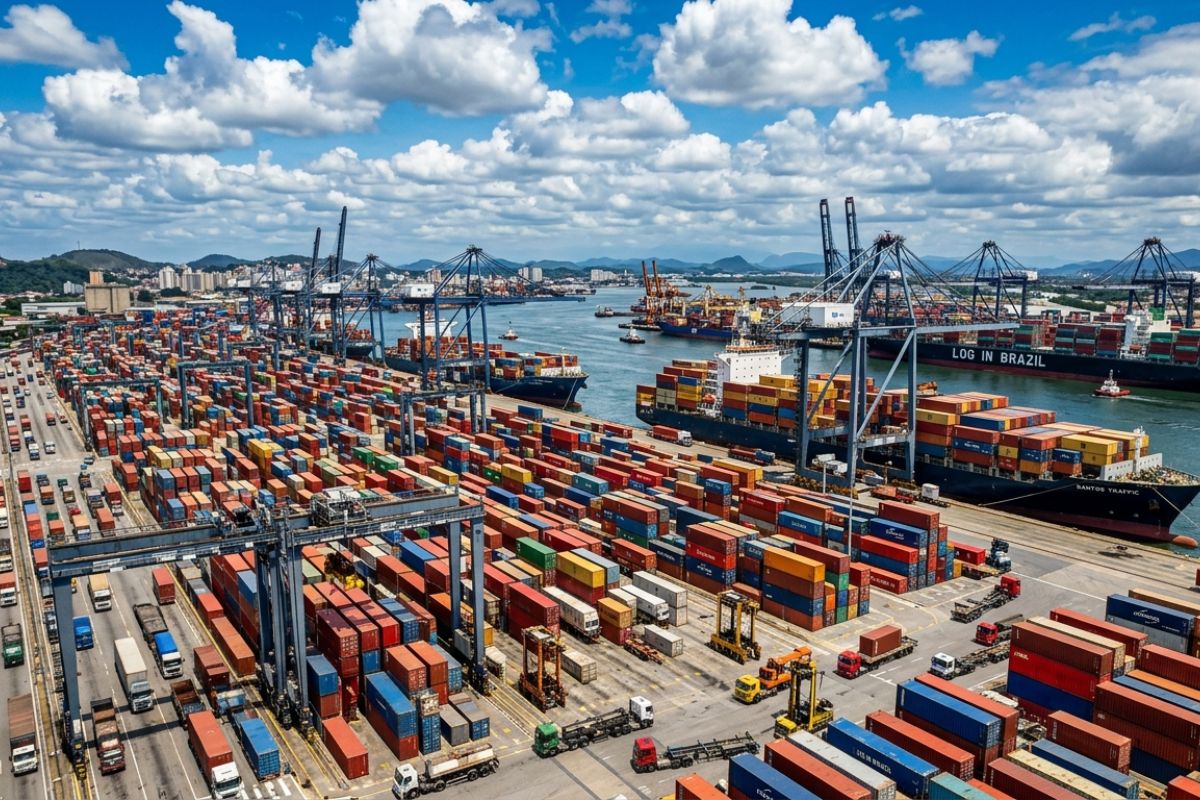
Ports like Santos and Paranaguá are operating at their limits and may block containers as early as 2030, warns a study by Macroinfra; bottlenecks increase costs and delays and push cargo to Rio, Salvador, Pecém, and Suape across Brazil.
-
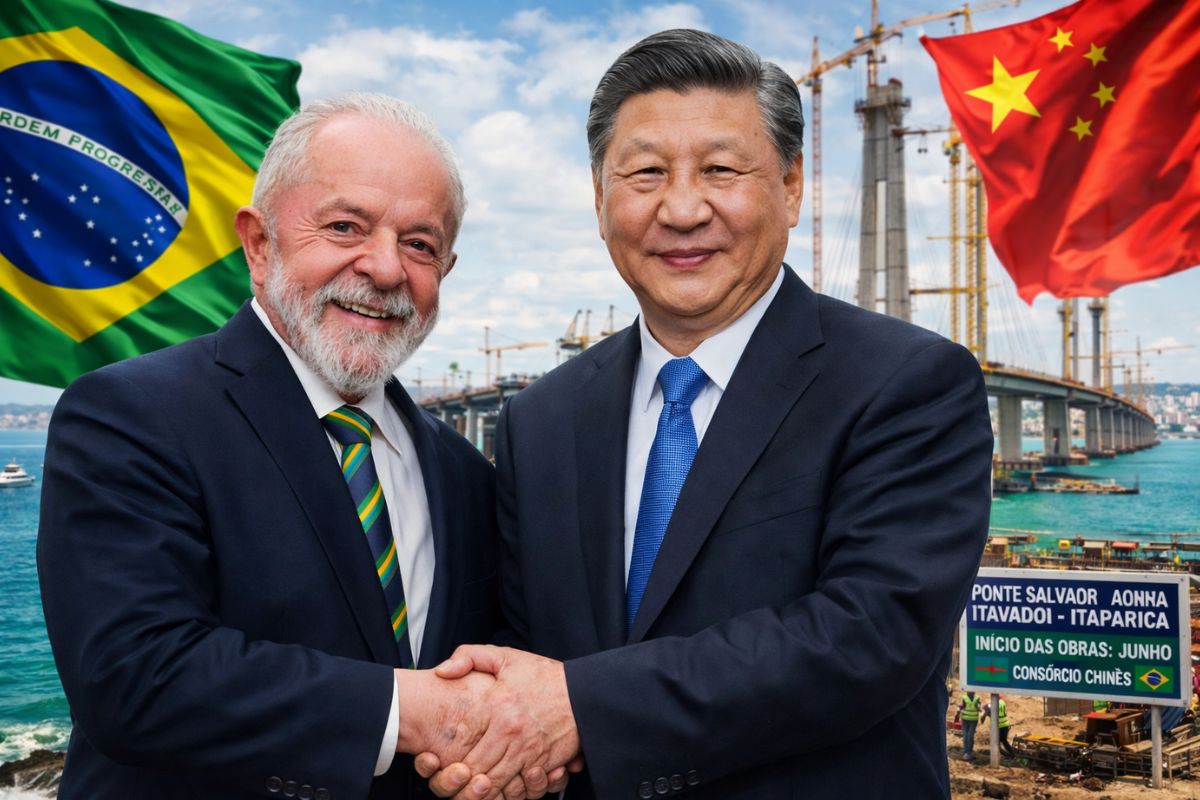
Lula reveals in an interview that he asked President Xi Jinping three times to invest in a major project in Brazil, the Salvador-Itaparica bridge, which is set to begin in June with the participation of a Chinese consortium and is expected to be extraordinary, according to the president.
-
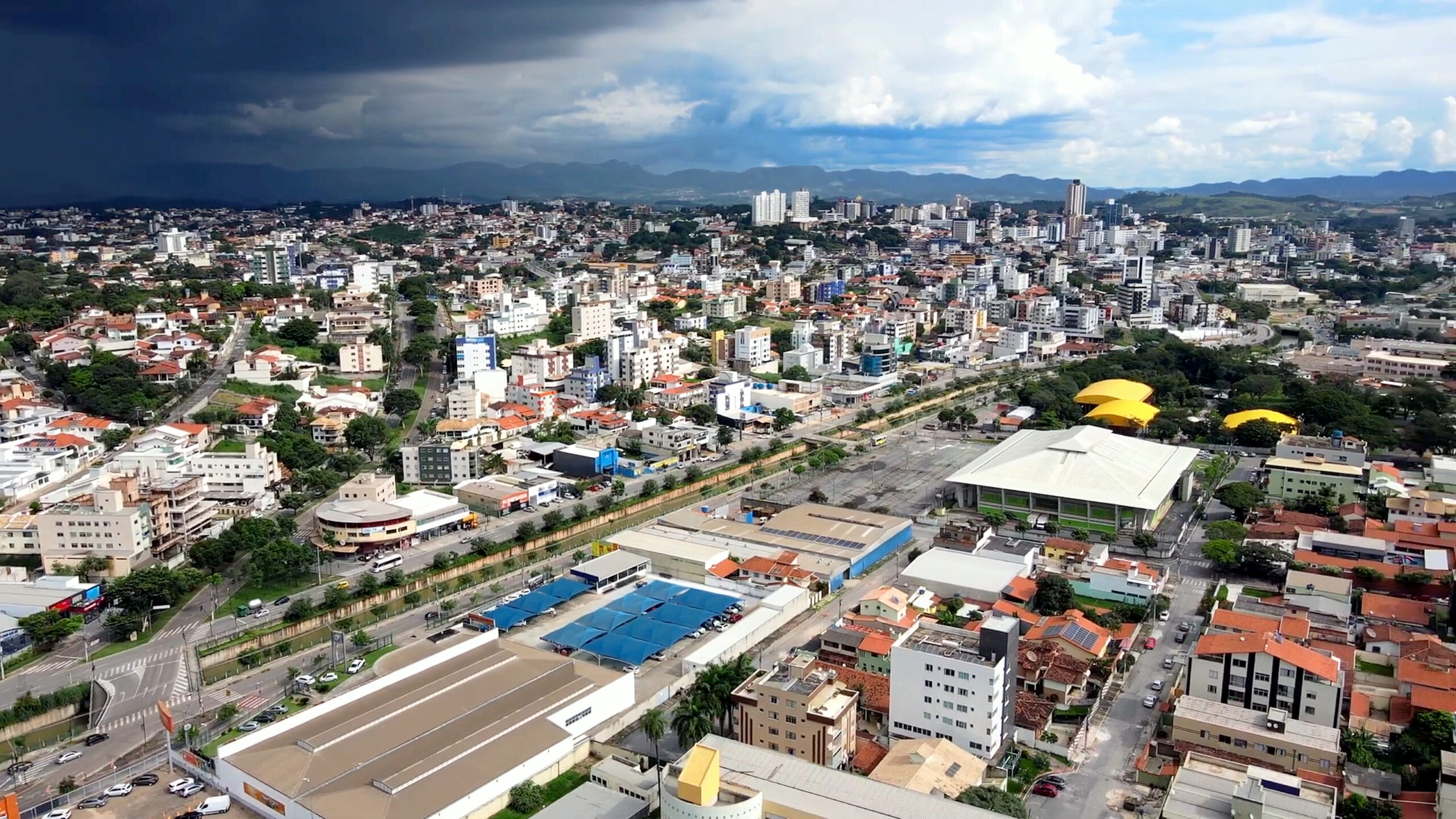
Neighboring city of Belo Horizonte has properties starting at R$ 139,000 with 90 m² and a price per square meter much lower than the capital, even concentrating automotive, petrochemical, and logistics hubs.

Renewable Energy in Brazil Has Significant Chinese Investments
The energy sector has been one of the most significant areas for Chinese investment. State Grid, the Chinese state-owned enterprise and the largest energy transmission company in China, acquired CPFL, the third largest and most profitable electricity concessionaire in Brazil, paying US $ 4.5 billion for 54% of the company. In fact, 60% of State Grid’s investments outside of China were made in Brazil, totaling US $ 12.4 billion. The company now controls 10% of the high-voltage networks and 14% of the distribution segment of the Brazilian market.
The Chinese energy giant China Three Gorges also acquired the São Paulo Energy Company (CESP), which is the largest private energy generator in Brazil, with 14 hydropower plants and 11 wind farms.
Meanwhile, the impact of Chinese investments in agribusiness and exports is already having consequences for the Brazilian population. China was the largest buyer of Brazilian agribusiness in 2019, according to a statement released by the Ministry of Agriculture, which invested about US $ 24 billion in Brazilian agribusiness. Between January and July, Brazil exported 50.5 tons of soybeans to China, with between 90% and 95% of the soybean harvest sold.






Seja o primeiro a reagir!