





 Portuguese
  English
  Spanish
  4 min of reading
  0 comments


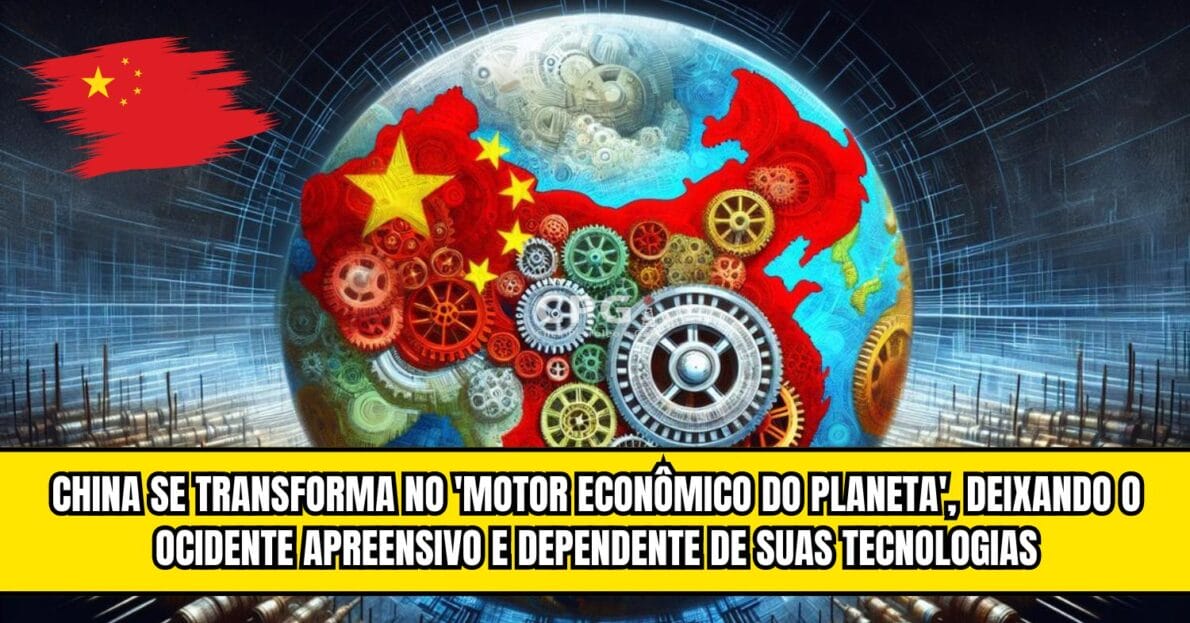
How China Became the World’s Economic Engine and Strengthened Its Trade Relations with Brazil Over 50 Years.
In recent years, China has stood out as one of the most important economic engines in the world. With impressive growth and unparalleled innovation capacity, the Asian country has shaped the global economy in ways that many of us are still trying to understand. In this article, we will explore how China became an essential economic engine and the impact of this on the global economy.
Understand the Partnership Between China and Brazil
China has transformed into a true powerhouse in the global economy, preserving its millennial traditions while advancing technologically. The Asian country has maintained a half-century relationship with Brazil, especially in the trade sector, and this partnership has been vital for both nations.
Since the diplomatic relations initiated in 1974, China’s per capita income has grown impressively. Today, Brazil exports iron ore, oil, and soybeans to China and imports machinery and raw materials. With 30% of Brazilian exports and 37% of agricultural exports destined for China, it is clear that this Asian country is Brazil’s primary trading partner.
-
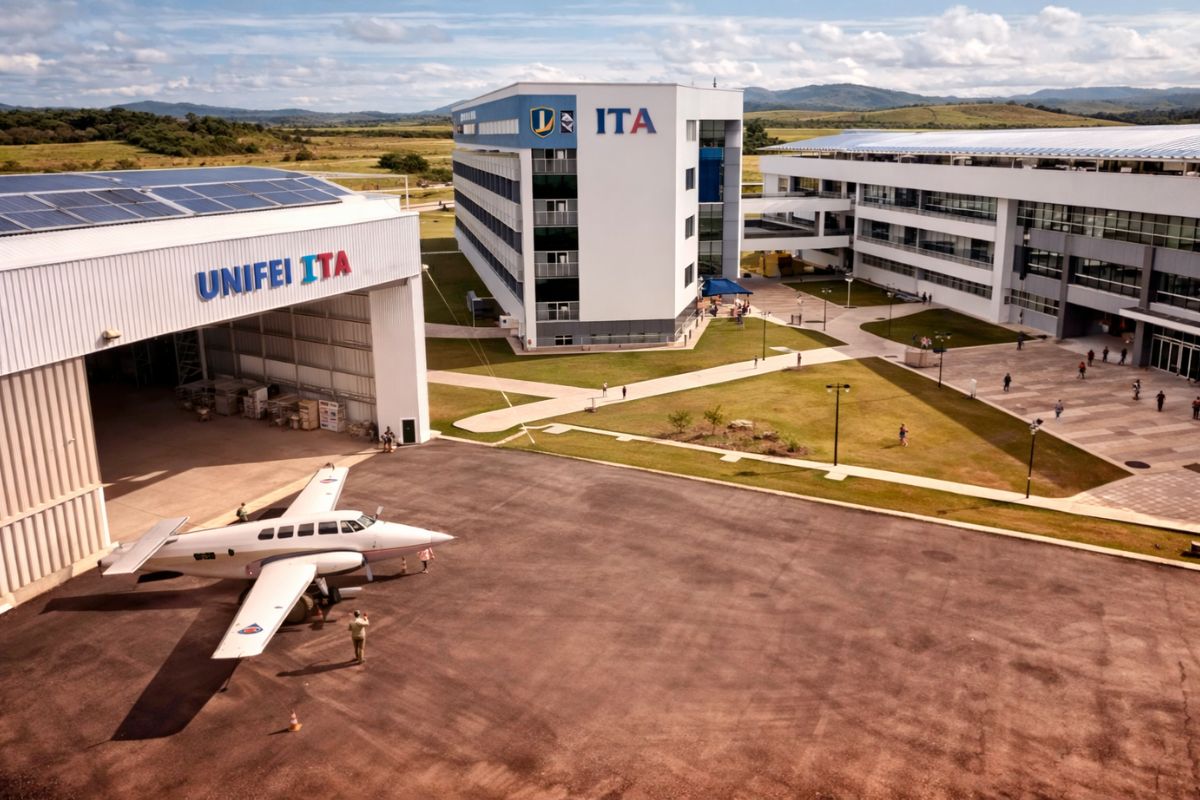
The institute that trained the greatest aerospace engineers in Brazil has just opened its first campus outside São Paulo after 75 years: ITA Ceará will have R$ 445 million, new courses in energy and systems, and classes are expected to start in 2027.
-
Luciano Hang, owner of Havan, goes to Juiz de Fora after the tragedy in February, brings R$ 1 million, hands out R$ 2,000 cards, and donates up to R$ 15,000 to victims in the region.

-
The Brazilian passport allows legal residence in dozens of countries without the need for a prior visa, and most Brazilians are unaware that they can apply for residency directly upon arriving in nations in South America, Africa, and even Europe.

-
Petrobras sends a message to Brazilian truck drivers after fuel collapse and reveals plan to have 100% domestic diesel.


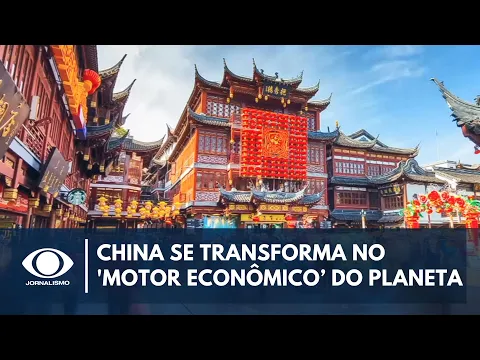

The Sino-Brazilian relationship began to gain strength in 1974, when the first diplomatic relations were established. At that time, China’s per capita income was just over 300 dollars. Today, this number exceeds 12,000 dollars, a 35-fold growth. This economic advance reflects China’s importance in the global landscape and its role as a world economic engine.
Brazil-China Trade
Trade between Brazil and China is robust and vital for both nations. Brazil is the largest exporter of agricultural products to China, selling iron ore, oil, and soybeans. On the other hand, Brazil purchases machinery, equipment, and raw materials from China. The Asian powerhouse is Brazil’s largest trading partner, accounting for 30% of Brazilian exports and 37% of agricultural exports.
Accelerated Chinese Economic Growth
Since the 1980s, the country’s economy has been growing at an impressive rate of 10% per year. This growth has positioned the country as the second-largest economy in the world, behind only the United States.
China is a unique case, with an ancient culture of 5,000 years that has managed to combine tradition and modernization. The country is considered the “factory of the world” and its accelerated economic growth is a phenomenon worth studying closely.
Despite the rapid modernization, China preserves its millennial traditions. The warm reception of visitors and the maintenance of Taoist temples are examples of this blend of old and modern. This balance between tradition and innovation makes China a fascinating and unique country on the global stage.
The Importance of Sino-Brazilian Relations
The relations between China and Brazil are extremely important for both countries. Brazil is the main supplier of agricultural products to China, and this collaboration has been beneficial and continues to grow. With the advancement of the Chinese economy, cooperation between the two countries promises to be even more prosperous, bringing mutual benefits.
China, as a global economic engine, has a considerable impact on the world economy. Its rapid growth, combined with robust investments in research, development, and technological innovation, positions the country as a leader in various fields, including artificial intelligence and green technology. The Chinese government, with its five-year plans, has enabled the rapid adoption of new technologies, consolidating China’s position in the global arena.
Environmental Challenges and Sustainability
Despite its impressive growth, China faces challenges in terms of environmental sustainability. Rapid industrial development has brought environmental issues that the Chinese government is trying to address through tighter environmental protection policies and investment in renewable energy. These efforts seek to balance economic growth with sustainability, ensuring a greener future.
China’s international cooperation goes beyond trade, including investments in infrastructure and partnerships in energy projects. These collaborations not only strengthen China’s internal economy, but also positively influence other countries, including Brazil. China positions itself as an important player on the global stage, promoting balanced and sustainable economic growth.
A Promising Future for China and Brazil
China, as a global economic engine, continues to influence the world economy with its accelerated growth and technological innovation. The Sino-Brazilian relations are an example of how international cooperation can bring mutual benefits, promoting a more prosperous future for both countries. As China advances, preserving its traditions and modernizing, the world observes and learns from its rapid and vast transformations.
In 2024, Brazil and China celebrate 50 years of friendship and cooperation, a partnership that promises to continue bringing positive impacts to millions of people. With China leading the way as a global economic engine, the future is bright for this crucial bilateral relationship.








Seja o primeiro a reagir!