





 English
  Francês
  Alemão
  Italiano
  Japonês
  Norueguês
  Portuguese
  Spanish
  3 min of reading
  0 comments


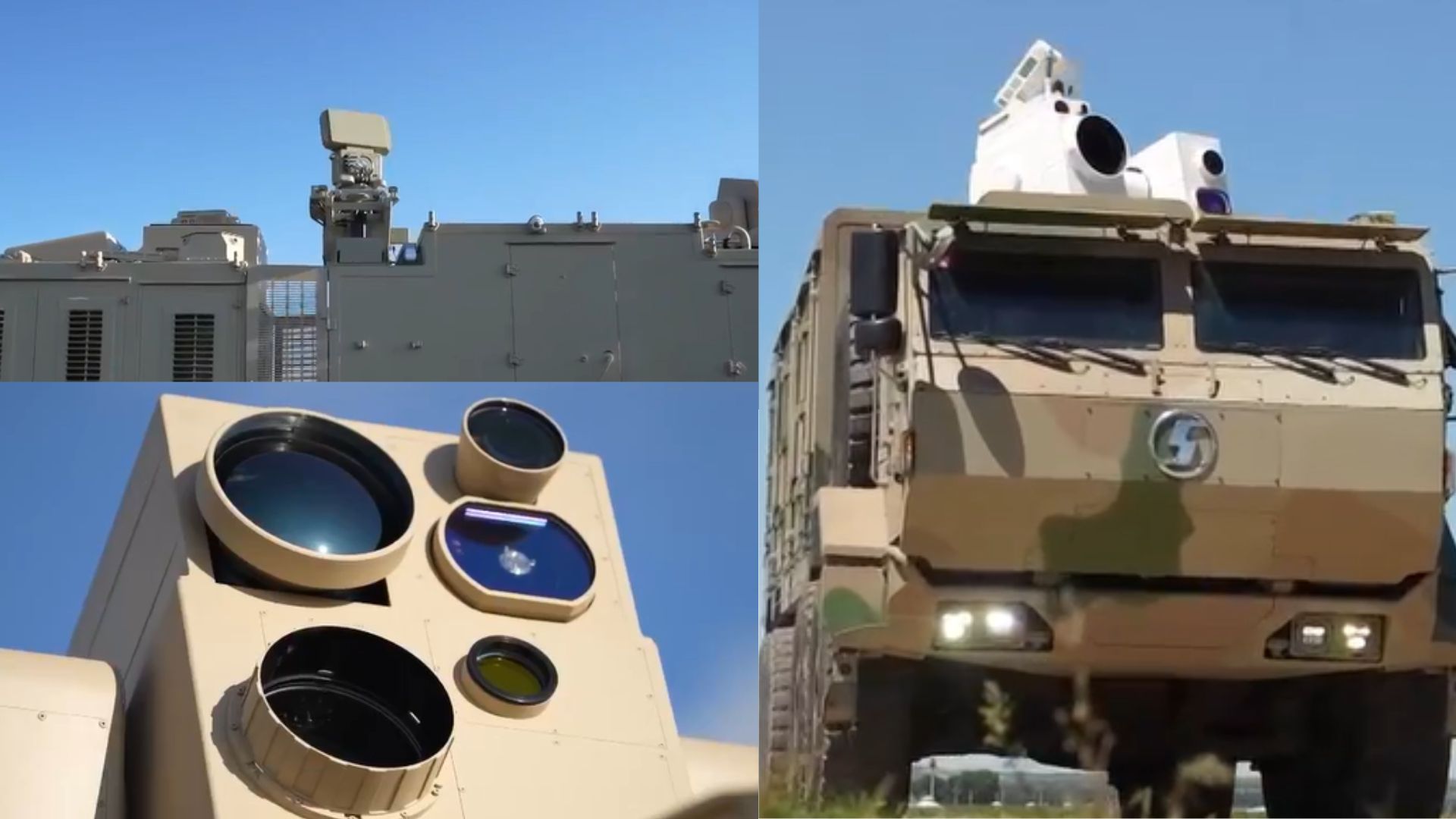
The presentation of two laser defense systems by China, focused on drones flying between 50 and 80 meters in altitude, exposes the attempt to respond to a threat that grows in modern conflicts and pressures traditional air defense models
China has introduced two new laser defense systems aimed at combating small, low-flying drones, in an attempt to close a gap increasingly exploited on modern battlefields.
Named Guangjian-11E and Guangjian-21A, the equipment was shown in action against simulated quadcopters and loitering munitions operating between 50 and 80 meters in altitude, a range that often escapes the coverage of many conventional systems.
Laser defense systems target low-altitude threat
The images displayed by state television showed both systems operating precisely at an altitude range considered problematic for traditional air defense.
-
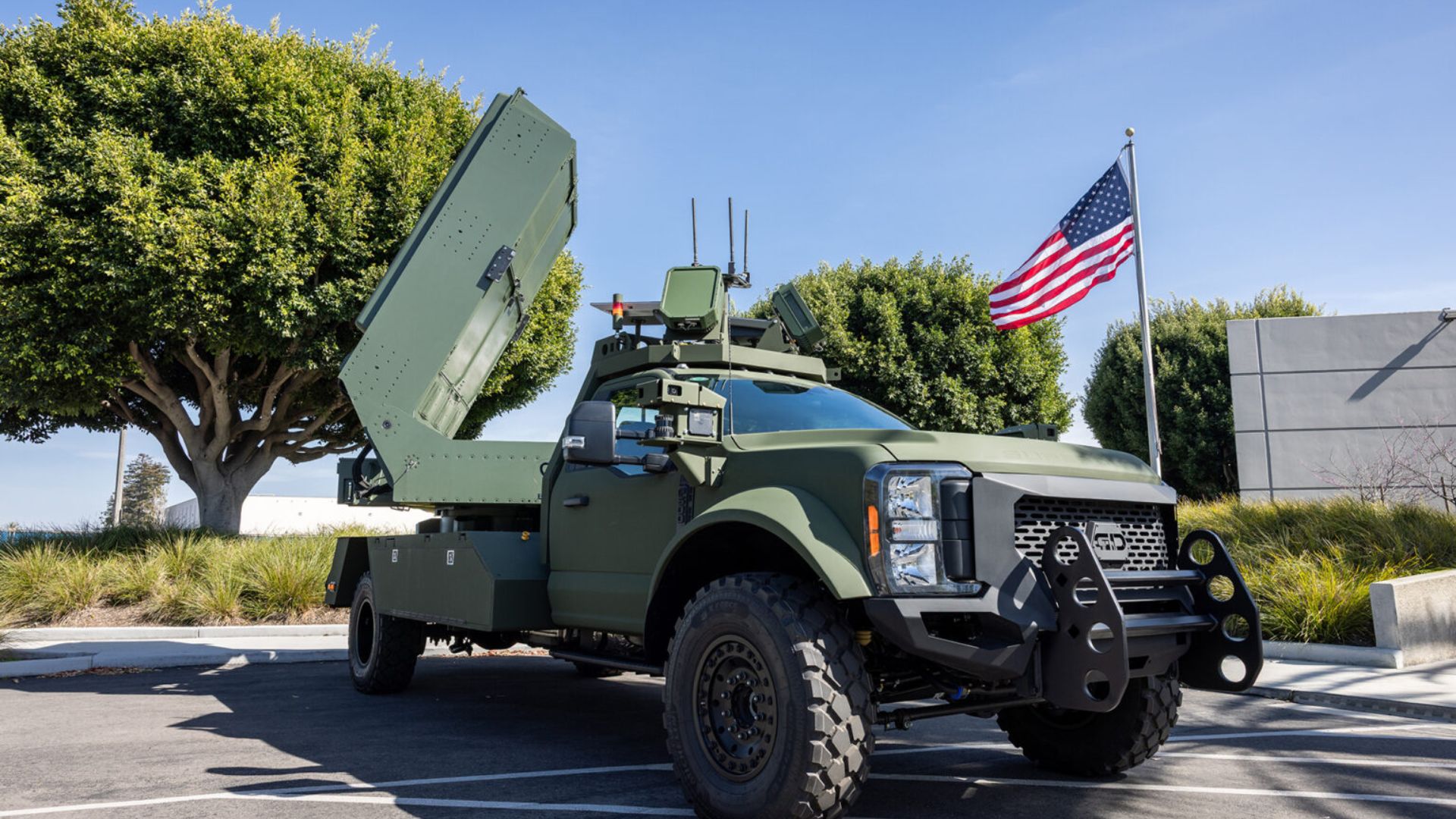
The United States showcases a microwave weapon in an autonomous vehicle that can take down multiple drones at once and aims to reduce the costs of a war that currently burns millions on missiles.
-
The Earth’s green belt has remained stable for centuries, but it is now shifting 14 kilometers per year toward the northern hemisphere, and scientists say this is bad news for the balance of the entire planet.

-
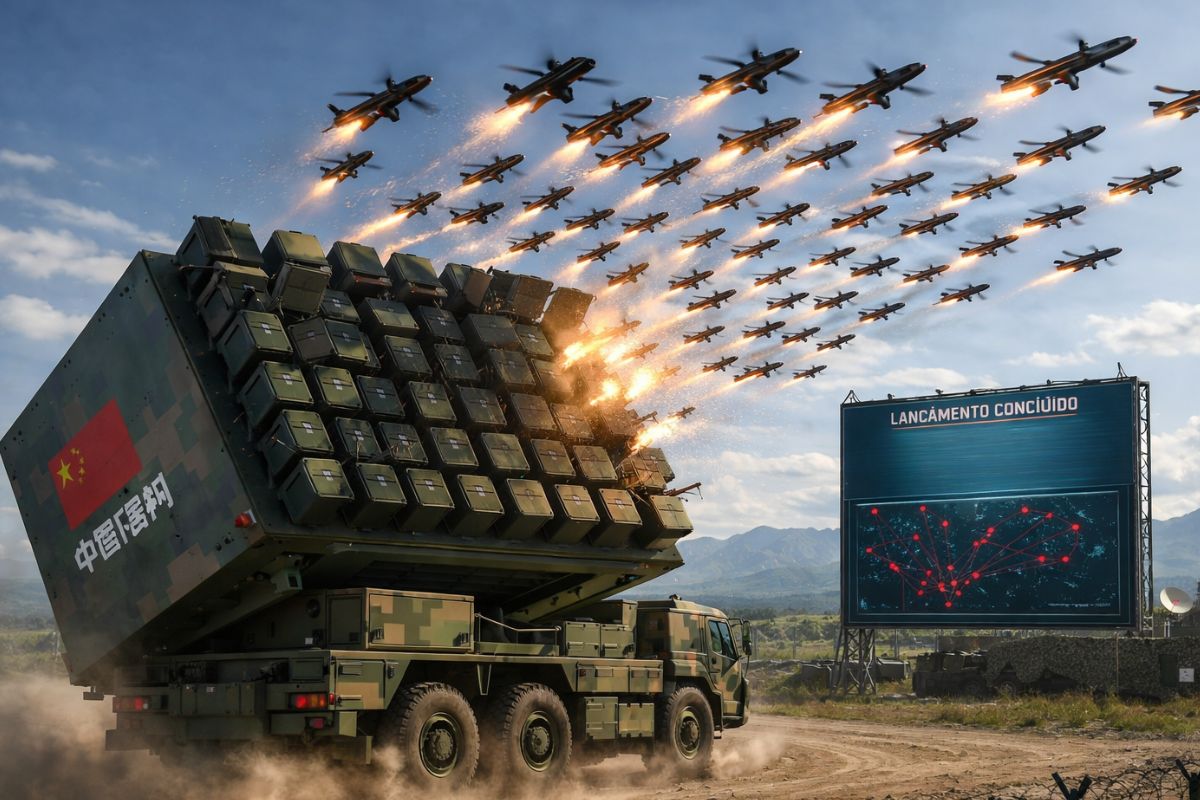
China reveals autonomous vehicle capable of launching 96 kamikaze drones in just 3 seconds on the battlefield with an artificial intelligence system that finds and attacks targets en masse without human intervention.
-
At the bottom of the North Sea, scientists found surprising remnants of Doggerland, a vanished land that once connected Great Britain to Europe and hid a much greener past.

This type of target, small, slow, and flying close to the ground, represents an increasing challenge for armed forces that rely on more expensive interceptors and less efficient radars against this threat profile.
According to defense analyst Erwan Halna du Fretay from the Army Recognition Group, the advancement relates to China’s attempt to respond to vulnerabilities exposed by the widespread use of drones in recent conflicts. These unmanned aerial vehicles have begun to operate in swarms and at low cost, pressuring missile-based systems, which become expensive in the face of numerous attacks.
Guangjian-11E bets on neutralization without destruction
The Guangjian-11E was developed to operate with a non-kinetic approach, combining electronic warfare and directed energy techniques.
The system interferes with the sensors and data links of drones, potentially blinding electro-optical payloads and disrupting targeting systems.
This model adopts the so-called soft-kill, where the threat is neutralized without necessarily being destroyed.
According to the presented description, this allows for energy savings and reduces collateral risks, while expanding the operators’ options against different types of targets.
Guangjian-21A uses high-energy laser for direct destruction
On the other hand, the Guangjian-21A serves a different function within this set. Mounted on a vehicle, it was designed for hard-kill engagements and can fire while in motion, a feature that increases its survivability in contested environments.
The system employs a high-energy laser to heat and weaken the structure of drones, potentially incapacitating propulsion or onboard electronic components in a matter of seconds. The aim is to make it effective even against drones that resist electronic interference, including fiber-optic guided systems.
Network integration boosts response capacity
Both systems utilize electronic scanning radar and infrared sensors. The radar is responsible for detection and tracking, while the infrared allows for passive targeting when it is necessary to limit emissions, which helps maintain engagement in complex environments.
This sensor architecture also improves tracking of low-observable targets or those that emit signals intermittently.
Furthermore, the equipment can connect via wired and wireless networks, sharing data in real-time and coordinating targets both independently and within a broader defensive mesh.
Layered strategy reinforces Chinese focus on drone combat
The Aviation Industry Corporation states that this integration helps accelerate the cycle between detection and engagement. In practice, this connects sensors and weapons in a unified structure, aligned with a broader trend of integrated air defense.
The presentation comes after other Chinese demonstrations of anti-drone systems in 2025, including missiles, artillery, lasers, and microwave weapons within a layered defense logic. In this context, the emphasis placed on laser defense systems points to a search for more economical interception, as, after deployment, the cost per shot is described as close to zero compared to missiles.
Although independent verification is still limited, the new equipment has been presented as a response to real demands on the battlefield.
If confirmed performance in combat, they could influence purchasing decisions outside of China, in a scenario where forces from the United States and allies also face similar challenges due to the proliferation of low-cost drones.










Seja o primeiro a reagir!