





 Portuguese
  English
  Spanish
  4 min of reading
  1 comment


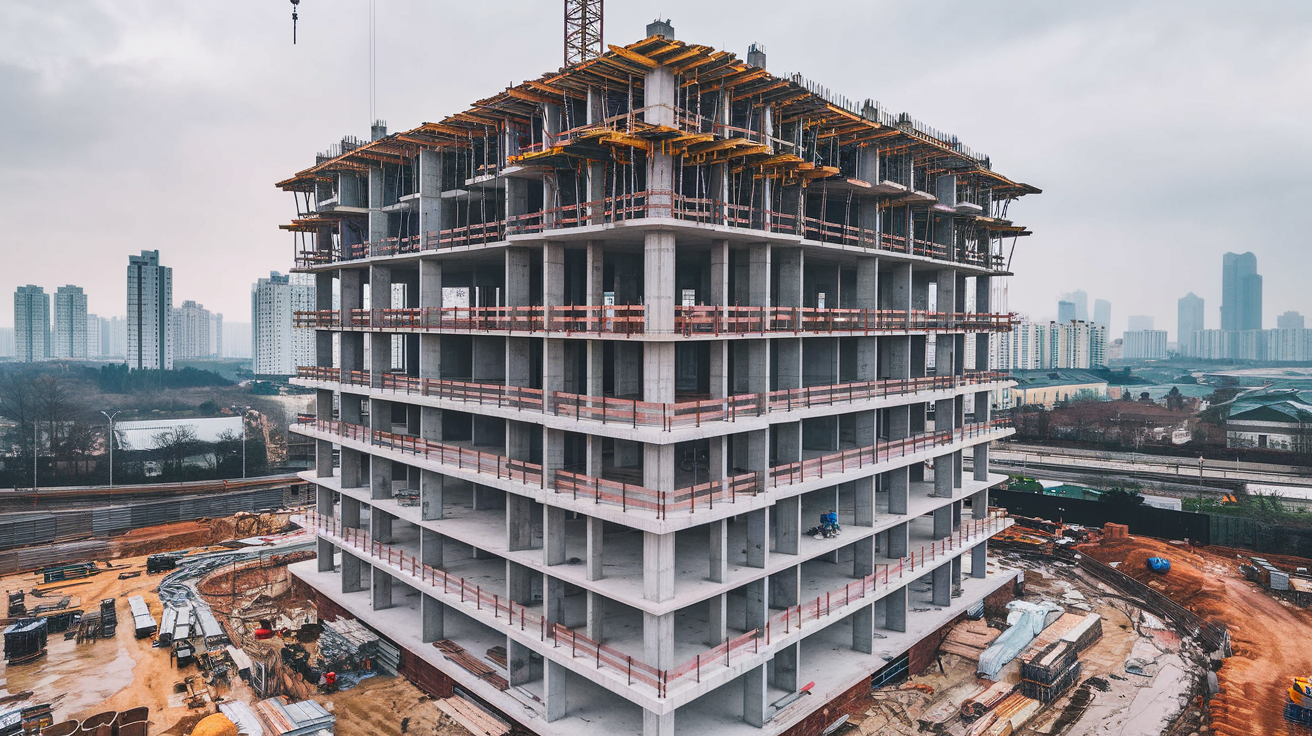


One of China’s Biggest Projects Is Impressing Engineers Around the World. Discover the Chinese Mega Construction That Challenges the Limits of Engineering and Nature.
Chinese Mega Construction: The Chinese continue to impress the world with remarkable advancements in engineering, undertaking breathtaking constructions in record times. Notable examples include a 10-story building built in just 30 hours and the incredible achievement of 20,000 houses raised in 72 hours. These accomplishments demonstrate that China not only masters the art of construction but also redefines the limits of what is possible in modern engineering.
Now, the Asian giant is once again drawing global attention with an ambitious project that promises to be a landmark in the history of global infrastructure: the construction of an underwater tunnel that will cross the sea. This tunnel, designed to connect important regions of the country, will be one of the longest and most complex in the world, reinforcing China’s leadership in engineering megaprojects. In this article, we will explore the details of this impressive work that is already attracting the attention of engineers and specialists around the globe.
Chinese Mega Construction Cost US$ 3 Billion
This, which is one of the largest constructions in China, is being designed not only to facilitate the transport of goods and people but also to further boost the country’s economy, making clear the reason for it being the second-largest economy on the planet.
-
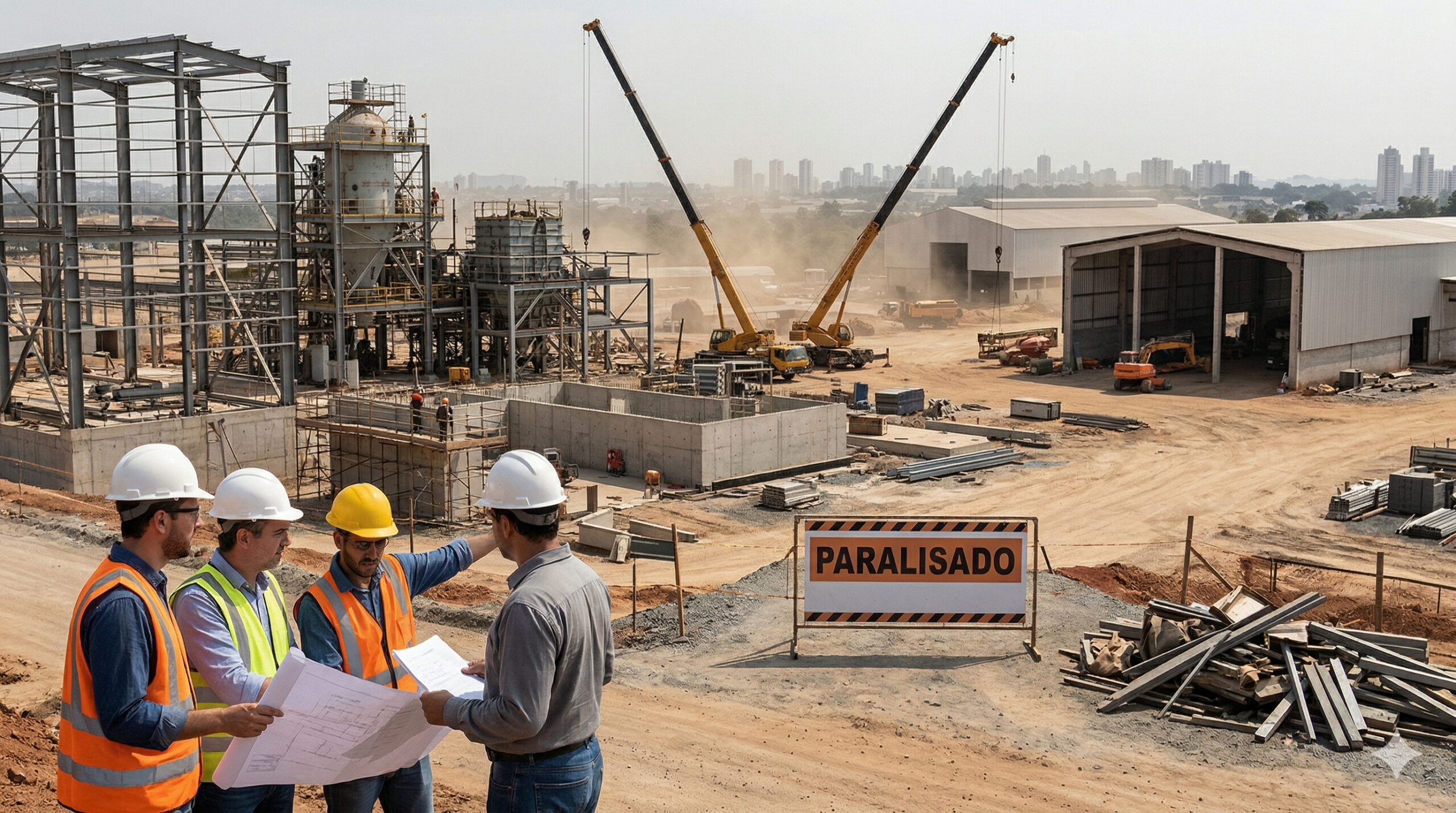
The lack of welders, electricians, and operators becomes a structural threat in 2025, with the construction industry and manufacturing already suffering from delays, cost pressures, and labor shortages in Brazil.
-
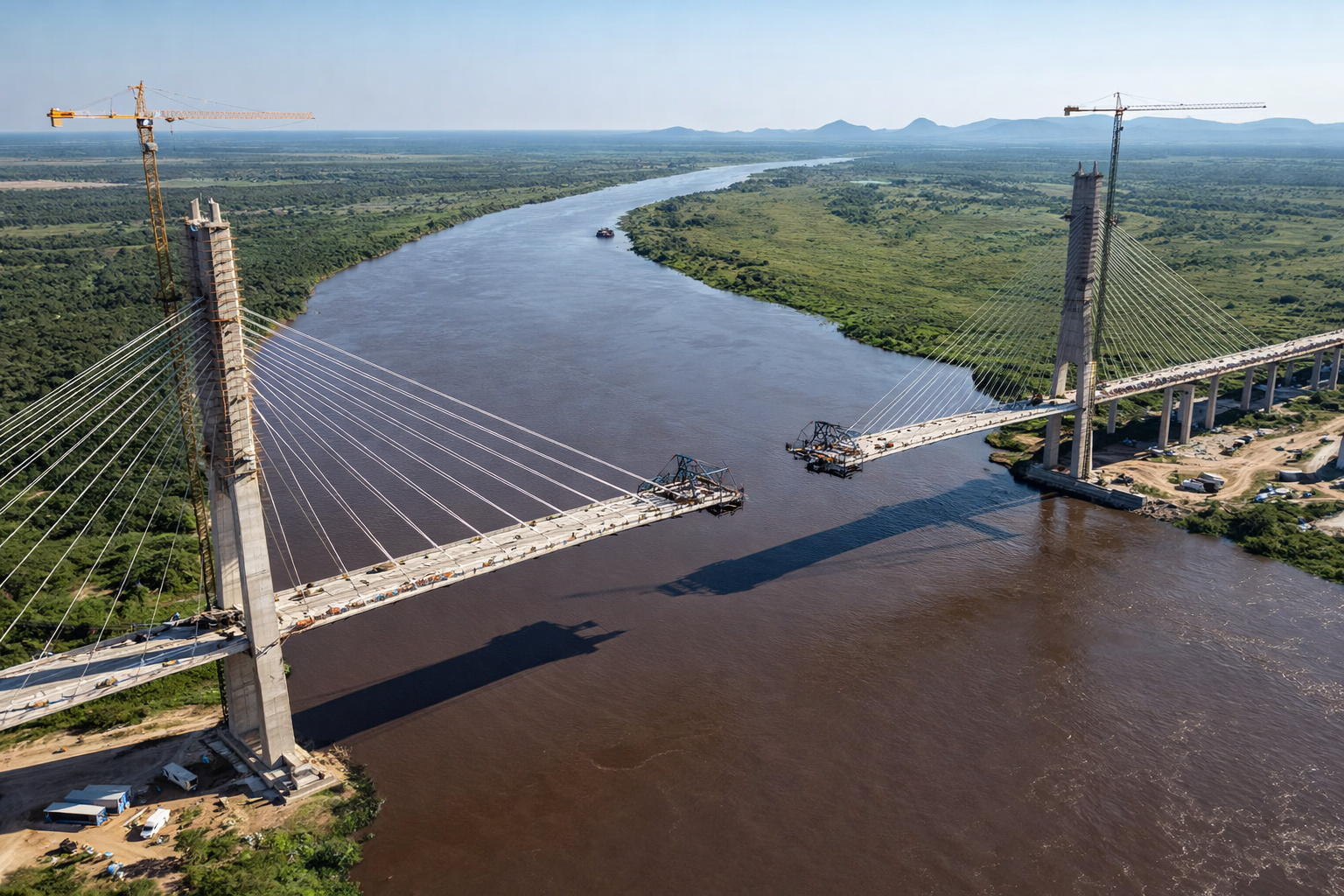
Brazil and Paraguay are just 46 meters away from a historic union on the bioceanic bridge that promises to revolutionize trade between the Atlantic and the Pacific.
-
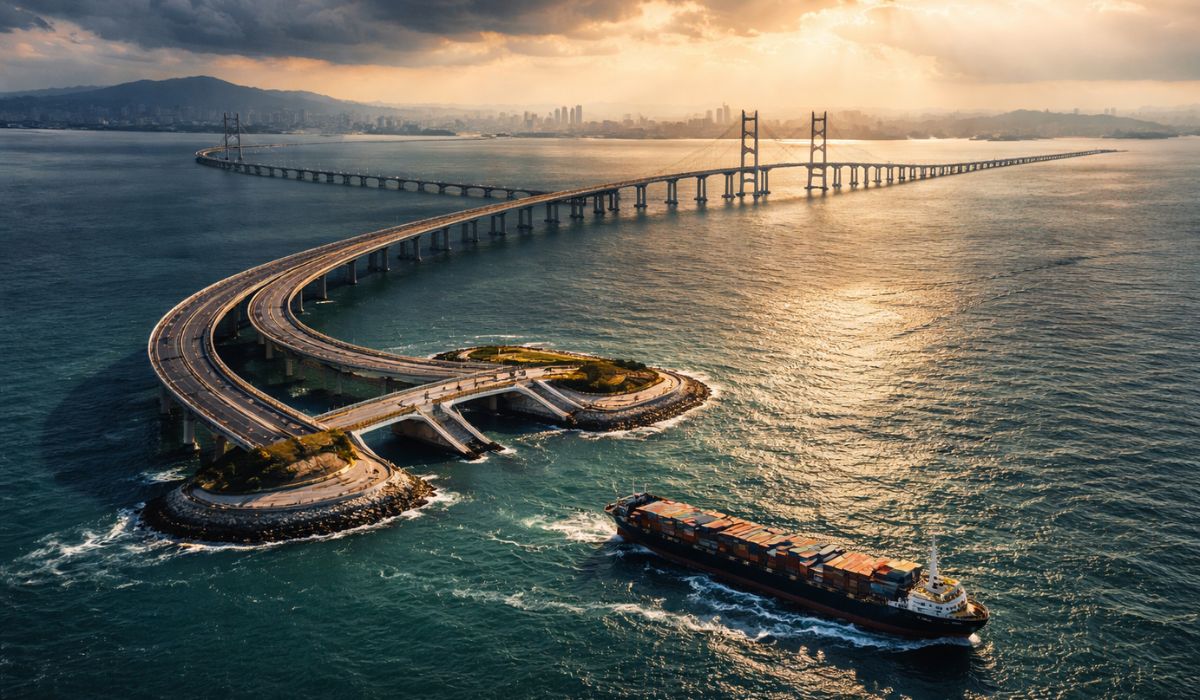
With 55 km over the sea, a cost of US$ 20 billion, and enough steel to build 60 Eiffel Towers, China’s largest project has connected Hong Kong, Zhuhai, and Macau in a colossal bridge that defies the logic of engineering.
-
A trick with joint compound transforms a Styrofoam ceiling into a plaster-like ceiling: leveled panels, wires and mesh at the joints, sand, paint, and change the environment while spending little today.


The Chinese mega construction, which is about 9.7 km long, cost US$ 3 billion and the purpose of this giant tunnel is to meet an economic need, as the most important areas of Qingdao, where the project is being built, are divided by the sea.
In 2012, Qingdao Conson Development began the preliminary research for the Chinese mega construction, involving the country’s leading experts, conducting four pre-feasibility studies and 15 feasibility studies, where it was decided that it would be necessary to build the largest submerged road tunnel in history, with an impressive length of 15.89 km, effectively linking the coastal areas, where there will be six lanes in each direction and it will be at depths of up to 115 M below sea level, indicating that it will truly be something grand.
Challenges Faced for the Project to Come to Life
Despite the country’s vast experience in large-scale construction, this project has become a true challenge that will require much effort and dedication from its engineers, as tunneling will have to face two distinct rock formations where one side is made of robust granite, while the other consists of soft limestone and sand, requiring different methods to be employed for each.


Additionally, there are also 22 faults along the route of the Chinese mega construction, one of which is the large Cangkou fault, which extends over 200 m and divides the two types of soils mentioned. For the project’s feasibility, there are various methods for this type of service, one of which is the immersed tube method, which, although often used, is very expensive and harmful to the environment, making it not advantageous at all.
Another Method for Starting the Chinese Mega Construction
The drilling and blasting method, which is ideal for breaking hard and massive rocks, and the tunnel boring method with a shield, which is widely used in subway construction and considered the most reliable, are the ideal combination for removing the over 8 million cubic meters of rock from the site, which, in addition to already being a highly challenging figure, will also be an extremely complex undertaking, considering the distribution of rock formations in this terrain.
Overall, the project for one of the largest constructions in China will consist of three tunnels, with both the outgoing and returning tunnels having six lanes each, and finally, the third, which is the most important, as it will provide ventilation and also prevent gases emitted by vehicles or explosions from harming people’s health, making it evident that safety is also a priority.
After all of these procedures, necessary finishes will be carried out, such as lighting, signage, and painting of the lanes, until this mega work, which will be the largest submerged road tunnel in the world with over 15 km in length, can be fully completed in 2027.









China Great Again (CGA). America Second Again (ASA)