





 Portuguese
  English
  Spanish
  3 min of reading
  0 comments



China Impresses the World with Advanced Construction Technologies, Undertaking Innovative and Unique Projects in the Desert.
China is proactively facing desertification, a significant environmental challenge that affects 27% of its territory. This issue not only poses a threat to the environment but also has profound impacts on the economy and people’s lives. In response, the country has implemented a series of innovative construction projects in desert areas, such as the Gobi and Taklamakan deserts, primarily focusing on transportation infrastructure. Meanwhile, China is adopting reforestation strategies in a comprehensive attempt to combat desertification.
China Develops a Highway That Innovates in Terms of Civil Construction


The recent establishment of a new highway in the Taklamakan Desert, in China, offers an excellent example of the underlying process in creating a roadway. The construction of the Yuli Kimo highway began in October 2017 and took almost four years to complete.
The first phase covered the area analysis and the formulation of the road design. Engineers needed to consider the complex topography of the desert, including high sand dunes and low-lying areas between them.
-
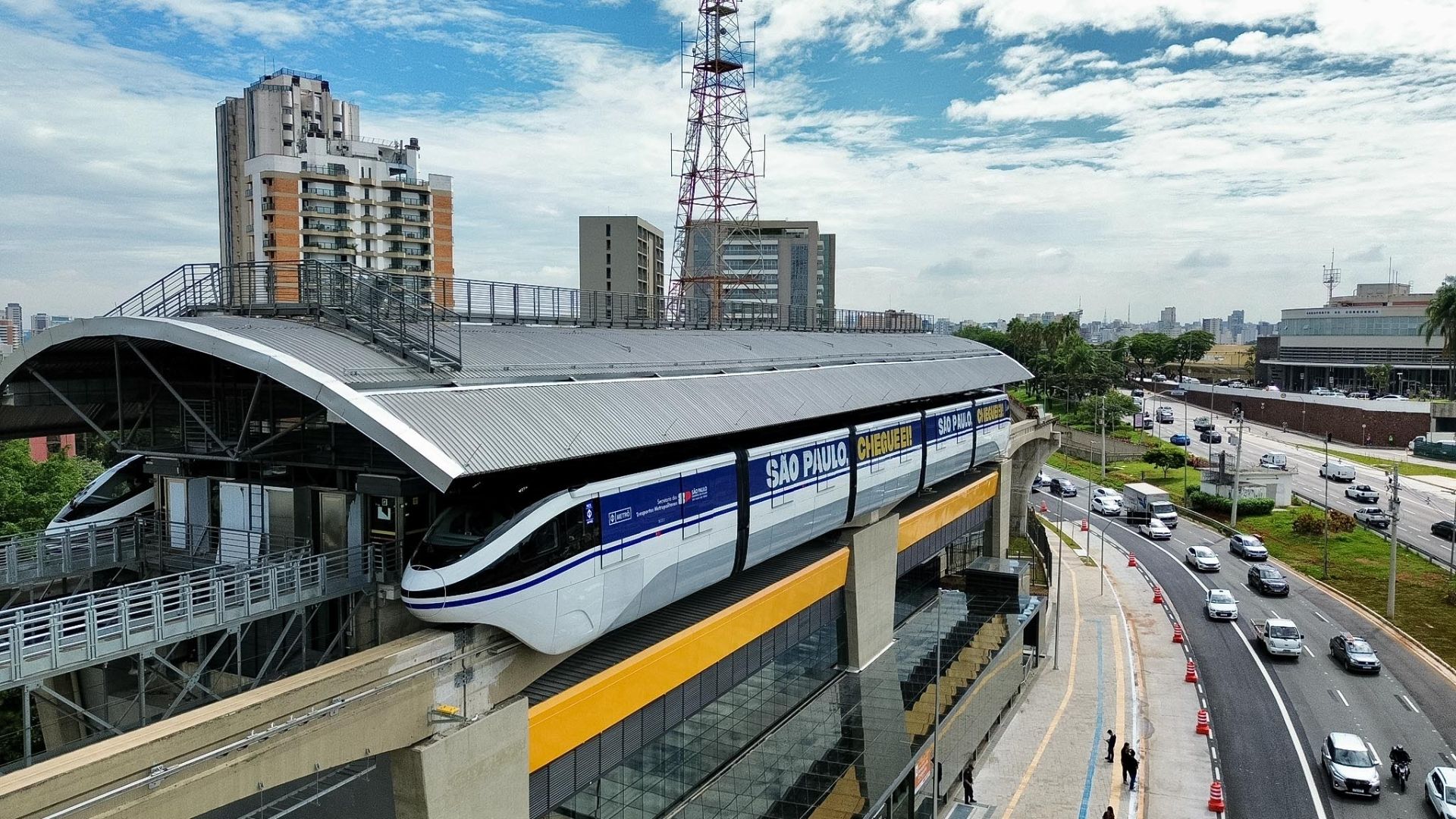
The project that was supposed to be ready for the 2014 World Cup in Brazil debuted with a 12-year delay and nearly R$ 6 billion invested: the Line 17-Gold of the São Paulo monorail opened with reduced hours and is only expected to operate fully in October.

-
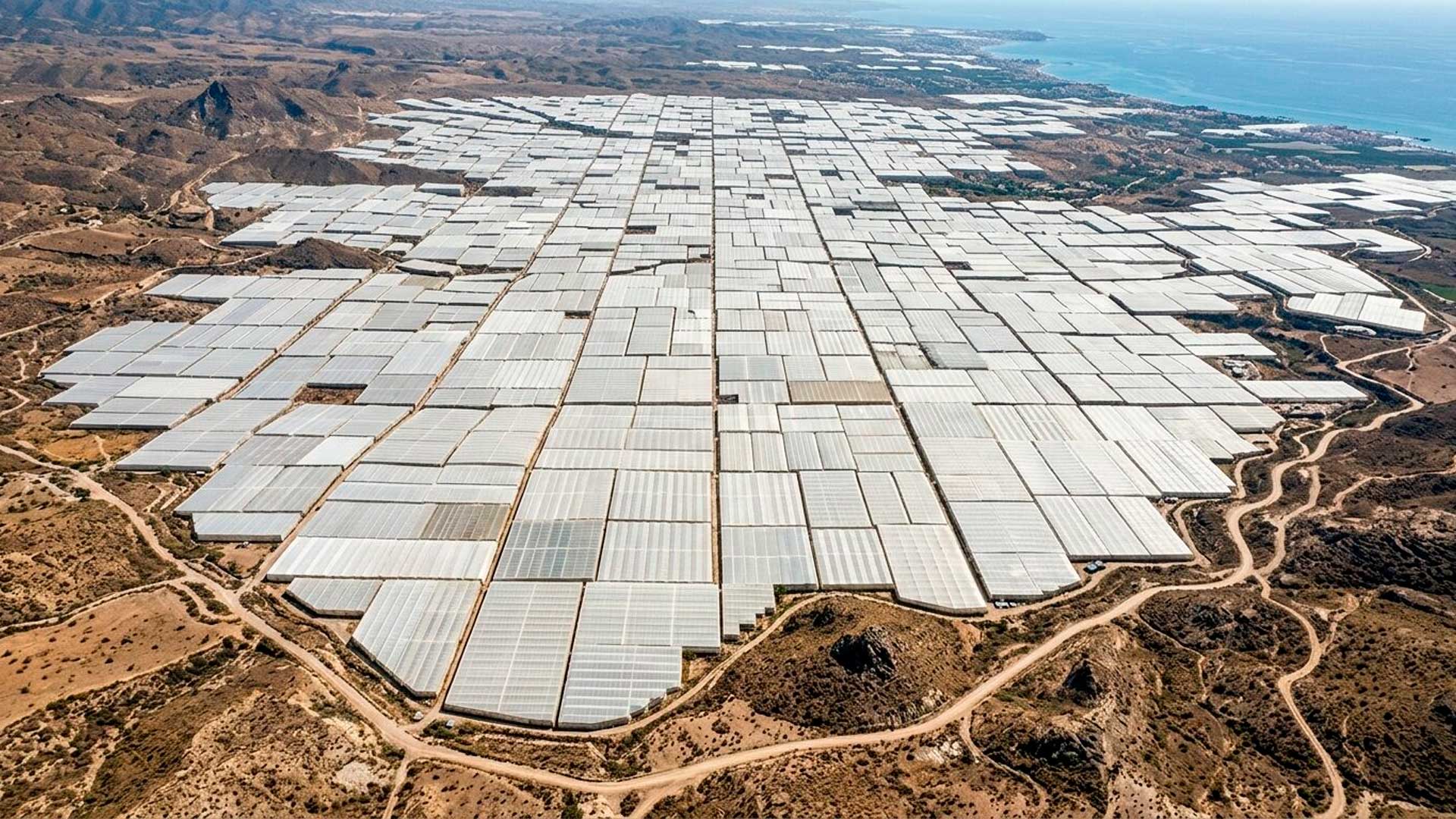
Neither the Pyramids nor the Great Wall of China, this gigantic construction in Spain is the human mark on planet Earth that intrigues the most when seen in images from space.
-
Surrounded by cliffs, mist, and chilling stories, the ancient Hotel del Salto has been reborn as a museum while still unable to shake off its reputation as a haunted place.

-
This star-shaped fortified construction, hidden near the border of Spain, may be the largest fortress on the planet.


Furthermore, they had to ensure that the highway could withstand the harsh climatic conditions of the area, such as frequent sandstorms. Once the project was ready, construction teams began the land preparation and leveling process for the road base.
This phase involved leveling the sand dunes and filling in the lower areas. The highway, which employed advanced civil construction technology, was built using multiple layers of different materials like gravel, asphalt, and concrete to prevent it from being buried by sand.
How Was the Highway with Advanced Civil Construction Technology Built?
Additionally, builders installed 58 million square meters of grass meshes and over 900 km of barriers along the road, which employs advanced civil construction technology. These measures aided in stabilizing the sand and prevented it from being blown onto the road.
The construction process of the highway in China also included the implementation of infrastructures such as bridges, drainage systems, and culverts, which were necessary to ensure safety and utility of the road under all weather conditions.
Finally, the highway was paved, marked with lanes, and appropriately signposted. Upon completion, the highway in China, which utilizes advanced civil construction technology, was opened for traffic, providing a faster and more efficient way for people and goods to traverse the desert.
Other Undertakings That Required Advanced Civil Construction Technology from China
In addition to this highway constructed in China, other projects have also been carried out in the desert, such as the Southern Xinjiang Railway, which is a major railway project in the country. Crossing the largest desert in the country, the Taklamakan Desert, this railway spans 1,213 km connecting the cities of Hotan and Kashgar, both located in southern Xinjiang.
The construction process began in 2009 and was completed in 2016, with a total investment of approximately US$ 5.9 billion. During the project, 2,207 bridges, 23 tunnels, and 8 stations were built, and 1,200 and 10 km of tracks were laid.
One of the crucial techniques for constructing railways in deserts is ground preparation before laying the tracks. It is necessary to level, compact, and stabilize the soil to ensure a solid foundation. In the case of the Southern Xinjiang Railway, engineers used a layer of gravel to enhance soil stability.
Another essential technique involves track installation to prevent sinking or shifting caused by the movement of sands. In this regard, engineers employ a ballast layer composed of crushed stone and gravel, effectively distributing the weight of the tracks and providing stability.









Seja o primeiro a reagir!