





 Portuguese
  English
  Spanish
  5 min of reading
  0 comments


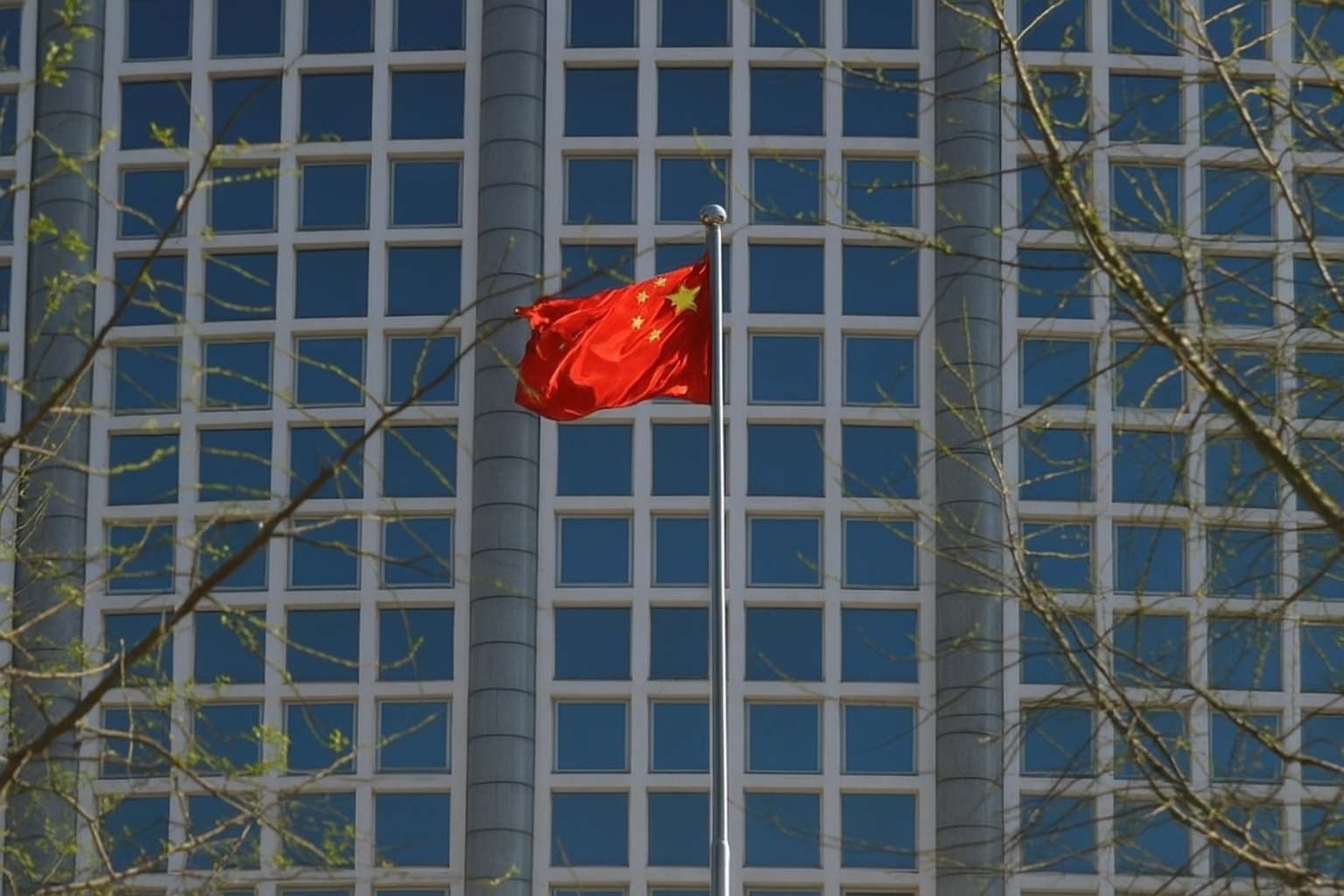
China Boosts Energy Transition in Global Opportunity, Consolidating Leadership in Innovation, Sustainability, and New Investments.
The energy transition in global opportunity has become one of the main drivers of economic and political transformations in the 21st century.
In this scenario, China stands out as a protagonist, as it utilizes the advancement of renewable energies to expand its international presence and redefine its geopolitical influence.
More than just an environmental policy, this strategy represents an economic and technological movement aimed at consolidating the country as a global leader in sustainable innovation.
-
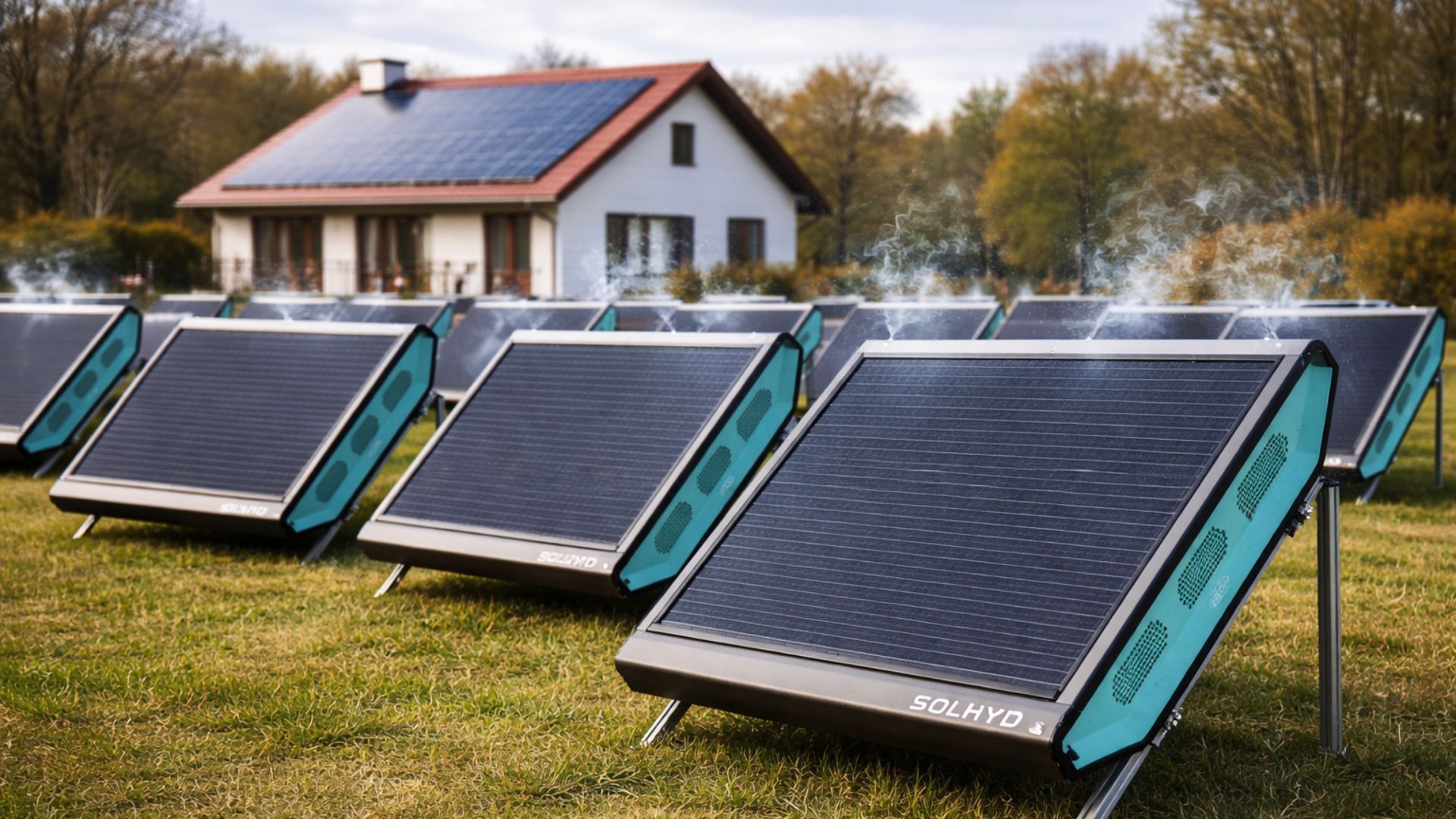
Green hydrogen at home: Belgium launches new technology that makes solar panels produce fuel from the moisture in the air, which could boost the energy transition.
-
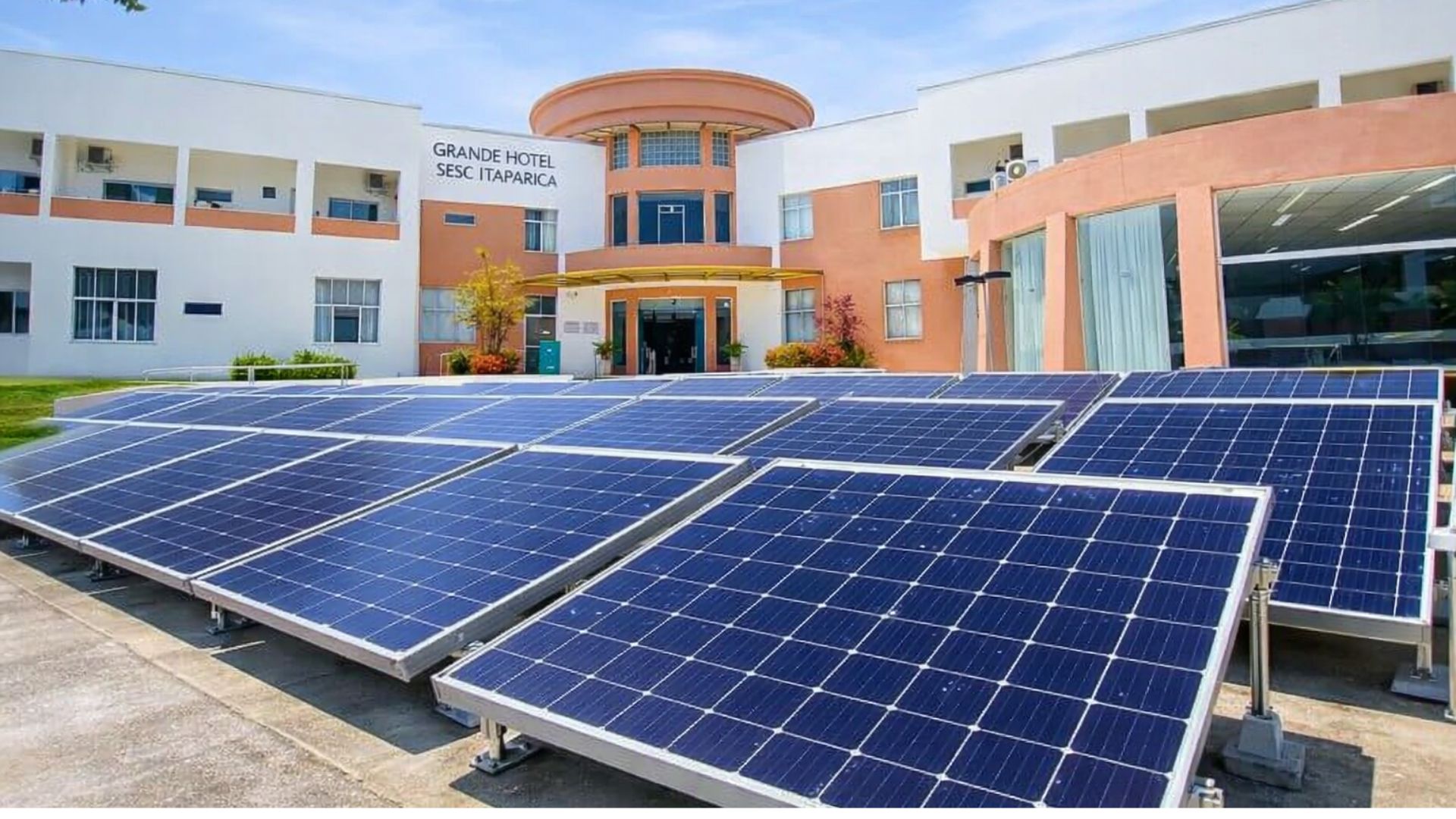
Sesc-BA bets on renewable energy with the support of EDP and drives the energy transition with a direct impact on cost reduction and the sustainability of its operations in Bahia.
-
Technology giant breaks global sustainability records: How Amazon’s leadership in renewable energy procurement transformed the global energy market in the past year.

-
Alert in the electric sector: Atlas Renewable Energy confirms billion-dollar investment and Brazil risks losing a share of the new investment in Latin America to neighboring countries.

The Energy Transition as a Strategy for Global Insertion
The global priority for reducing carbon emissions has opened space for a new race for clean technologies.
For this reason, China, attentive to this trend, realized that the energy transition could become an opportunity to strengthen its economy and diplomacy.
By producing and offering clean energy equipment at competitive prices, the country began to export not only technology but also political and economic influence.
Consequently, this movement has been interpreted by analysts as a strategic change in China’s international position.
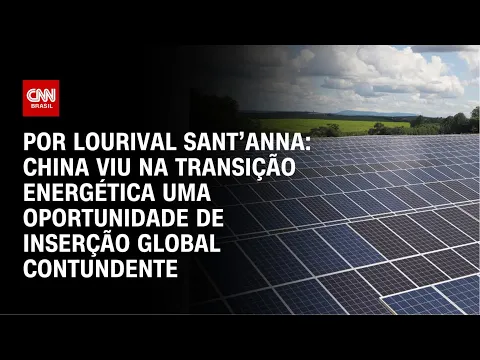
Analyst Lourival Sant’Anna from CNN Brazil noted that the country uses the energy transition as a way to distance itself from dependence on American and European markets.
Thus, instead of following external models, China sets its own technological and commercial standards, which reinforces its autonomy and global bargaining power.
Moreover, the commitment to sustainable energy policies also aligns with the need for internal reindustrialization.
In this way, China leverages its robust production chain and skilled labor to develop technologies that combine efficiency and low cost, becoming an attractive partner for emerging countries seeking to modernize their energy matrices.
Massive Investments and Technological Innovation
With investments surpassing US$ 225 billion, China has consolidated a dominant position in the solar, wind, and battery storage sectors.
At the same time, the country has established factories in various parts of the world, creating an ecosystem of industrial and technological cooperation.
This strategy is not limited to the export of products but also includes building lasting relationships with developing economies.
Additionally, factories located outside Chinese territory stimulate technology transfer and the training of local labor.
This, in turn, strengthens the economies of partner nations and expands Chinese presence in strategic regions.
This approach represents, therefore, a form of energy diplomacy, where sustainable transition becomes an instrument of global influence.
Similarly, investment in research and development occupies a central position in this policy.
China leads in patents related to clean energy and storage technologies, demonstrating that the energy transition is also a field of scientific innovation.
By integrating universities, research centers, and public enterprises, the country creates solutions that improve the performance of solar panels, turbines, and batteries.
Concrete Results and International Influence
The effects of this policy are already visible in various countries.
For example, in Nepal, the reduction of import tariffs on electric vehicles has made models more accessible to the population, encouraging the use of cleaner alternatives.
This policy reflects the direct impact of Chinese technology on sustainable energy consumption.
Similarly, in Ethiopia, the government has taken an even bolder stance: it banned the importation of fossil fuel-powered vehicles.
This decision demonstrates how the advancement of clean energy influences public policies in a profound and lasting way.
The supply of technology and equipment by Chinese companies has been essential for implementing these changes.
Furthermore, countries in Latin America and Africa are also seeking partnerships with China to enable solar and wind energy projects, reducing dependence on imported fuels and strengthening their local economies.
Thus, the expansion of these initiatives proves that the energy transition is a tool for development and global integration.
The Historical Context of Climate Promises
However, this transformation must be understood within a broader historical context.
Since the 1992 Rio Conference, climate finance promises made by developed countries have rarely been fully met.
Although the European Union and the United Kingdom have set ambitious decarbonization targets, the lack of concrete resources has left many developing nations unable to implement structural changes.
On the other hand, China has turned this gap into a cooperation and leadership opportunity.
By offering investments, technology, and technical support, the country not only strengthens its international image but also fills the void left by Western economies.
In this manner, the pragmatic Chinese stance highlights a new global order where concrete actions replace speeches and unfulfilled commitments.
Therefore, the concept of energy transition in global opportunity gains an unprecedented economic and political dimension.
Thus, the decarbonization process ceases to be merely an environmental requirement and becomes a tool of power and international competitiveness.
Impulses for Innovation and Sustainable Development
The Chinese strategy is also driving technological advances and new production chains across various regions of the planet.
As a result, investments in innovation are generating solutions applicable to other sectors such as transportation, construction, and agriculture.
Additionally, the development of lighter and more efficient materials, combined with the use of artificial intelligence to optimize energy consumption, creates new frontiers for global industrial growth.
Consequently, the economic impact of this transformation is significant.
By stimulating the production and consumption of clean technologies, China creates skilled jobs, promotes internal growth, and contributes to reducing energy poverty in partner countries.
This combination of development and sustainability transforms the energy transition into a long-term economic model.
Likewise, the policy of promoting the large-scale production of solar panels and batteries generates economies of scale, making these technologies more accessible worldwide.
Thus, the energy transition accelerates itself, amplifying its positive effects on sectors such as public transportation, distributed generation, and sustainable agriculture.
A Leadership That Redefines the Energy Future
By transforming the energy transition into a global opportunity, China demonstrates that innovation and sustainability can go hand in hand.
As a result, the country has created a development model that blends investment, research, and diplomacy, serving as an example for other nations.
Moreover, this trajectory reinforces the idea that the future of energy is not limited to replacing fossil fuels.
In reality, it is about creating a new green and interdependent economy that connects economic growth, energy security, and environmental preservation.
As more countries join this movement, the world approaches a more just, accessible, and balanced energy system.
Ultimately, China is not just participating in the energy transition — it is leading it.
And in doing so, it transforms an environmental necessity into a global project of prosperity, innovation, and sustainable cooperation.










Seja o primeiro a reagir!