





 Portuguese
  English
  Spanish
  3 min of reading
  1 comment


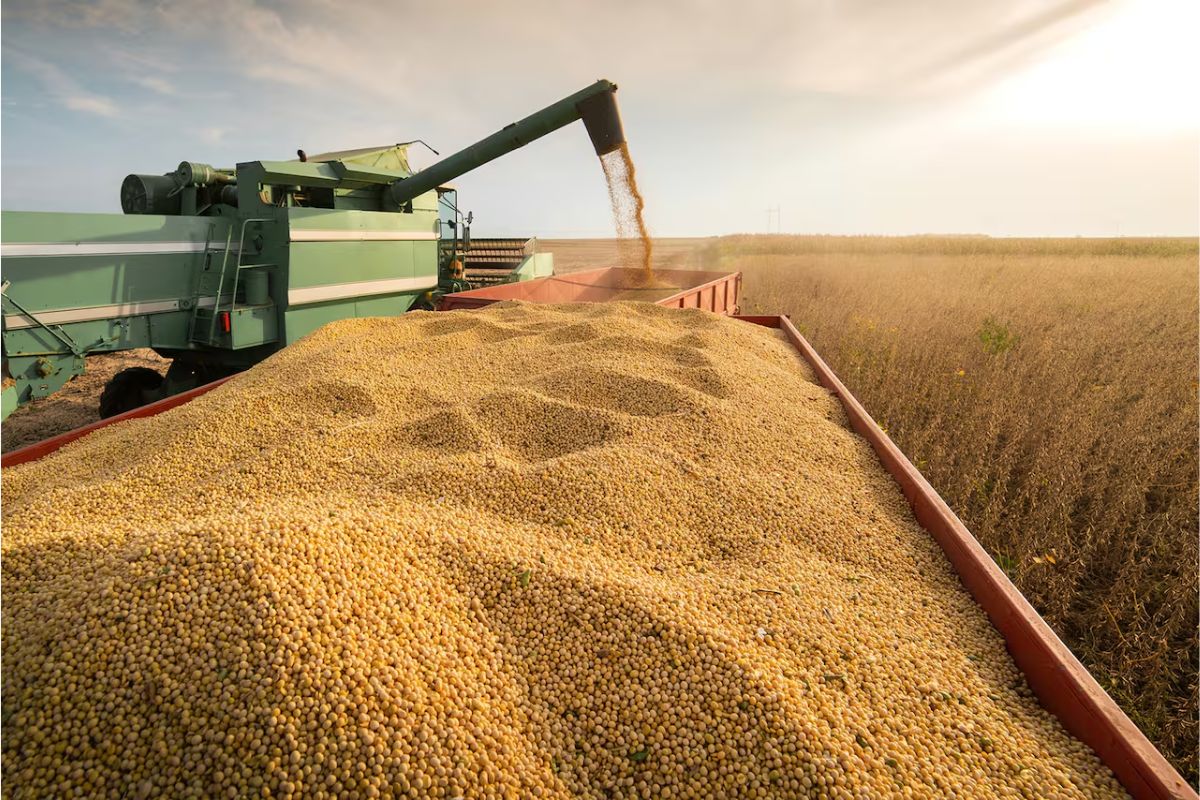

Brazil Takes Central Role in Soybean Exports to China and Historically Weakens U.S. Participation in the World’s Largest Market
The competition for the preference of the world’s largest soybean importer has taken a new turn. Chinese buyers are securing large volumes of the grain directly from South America, especially from Brazil, and reducing the space for U.S. exports precisely during the most important period for American sales.
The move, according to market operators, could represent losses of billions of dollars for U.S. producers this year.
According to traders consulted, Chinese purchases for September are already finalized: about 8 million tons, all from Brazil and other South American countries. For October, the situation does not change much—half of the projected demand, around 4 million tons, has also been secured with exporters from the region.
-
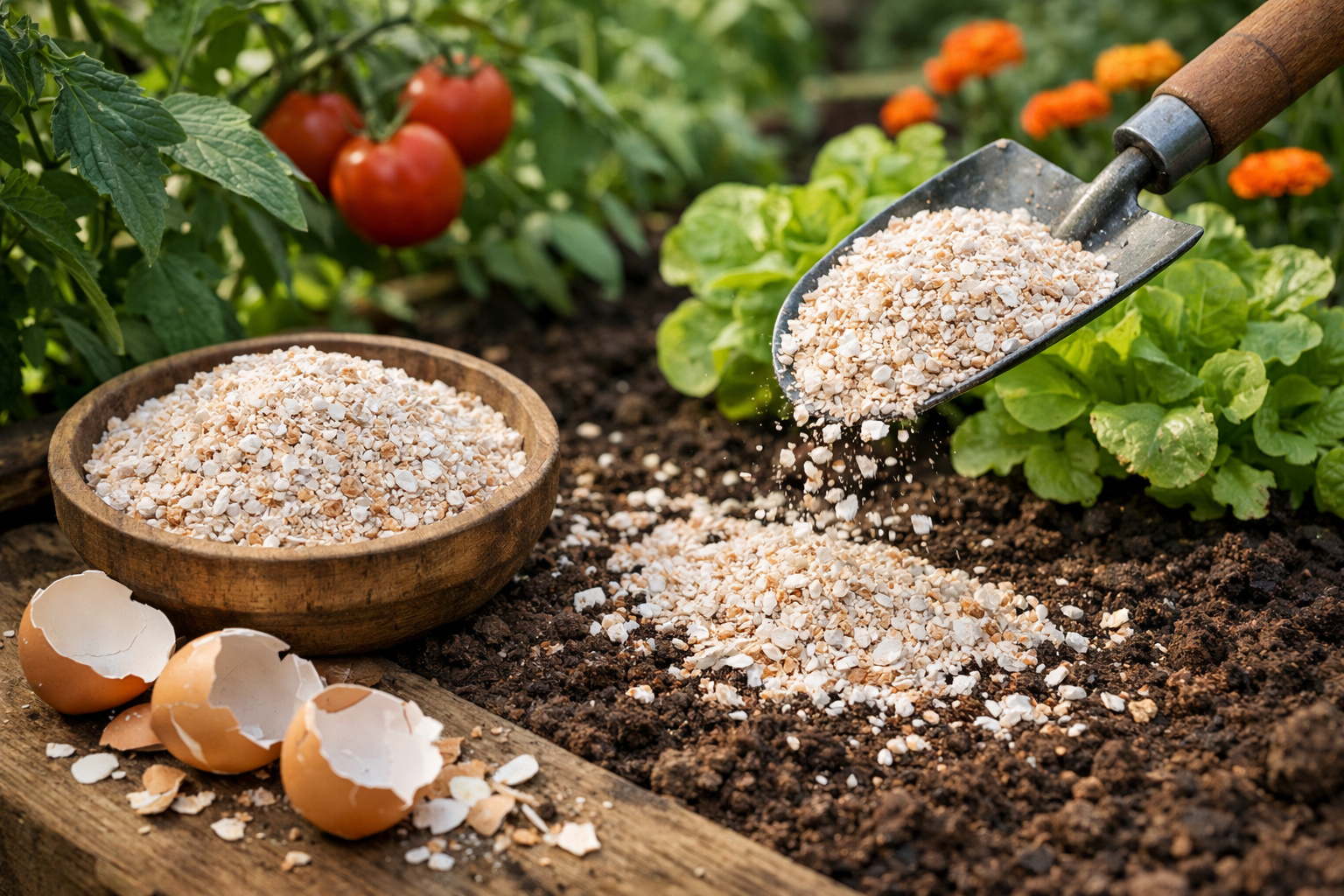
The eggshell that almost everyone throws away is made up of about 95% calcium carbonate and can help enrich the soil when crushed, slowly releasing nutrients and being reused in home gardens and vegetable patches.
-
This farm in the United States does not use sunlight, does not use soil, and produces 500 times more food per square meter than traditional agriculture: the secret lies in 42,000 LEDs, hydroponics, and a system that recycles even the heat from the lamps.

-
The water that almost everyone throws away after cooking potatoes carries nutrients released during the preparation and can be reused to help in the development of plants when used correctly at the base of gardens and pots, at no additional cost and without changing the routine.

-
The sea water temperature rose from 28 to 34 degrees in Santa Catarina and killed up to 90% of the oysters: producers who planted over 1 million seeds lost practically everything and say that if it happens again, production is doomed to end.


This stockpiling advance, analysts note, is directly related to Beijing’s attempt to shield itself against supply risks in the fourth quarter.
Reinforced Stocks and Pressure on International Prices
The strengthening of Chinese stocks occurs at a time when Chicago soybean futures are operating near five-year lows. Traditionally, between September and January, most of China’s purchases are supplied by the U.S. before the Brazilian harvest takes center stage in the market. But this year the scenario has changed: South American shipments are firmly occupying that space.
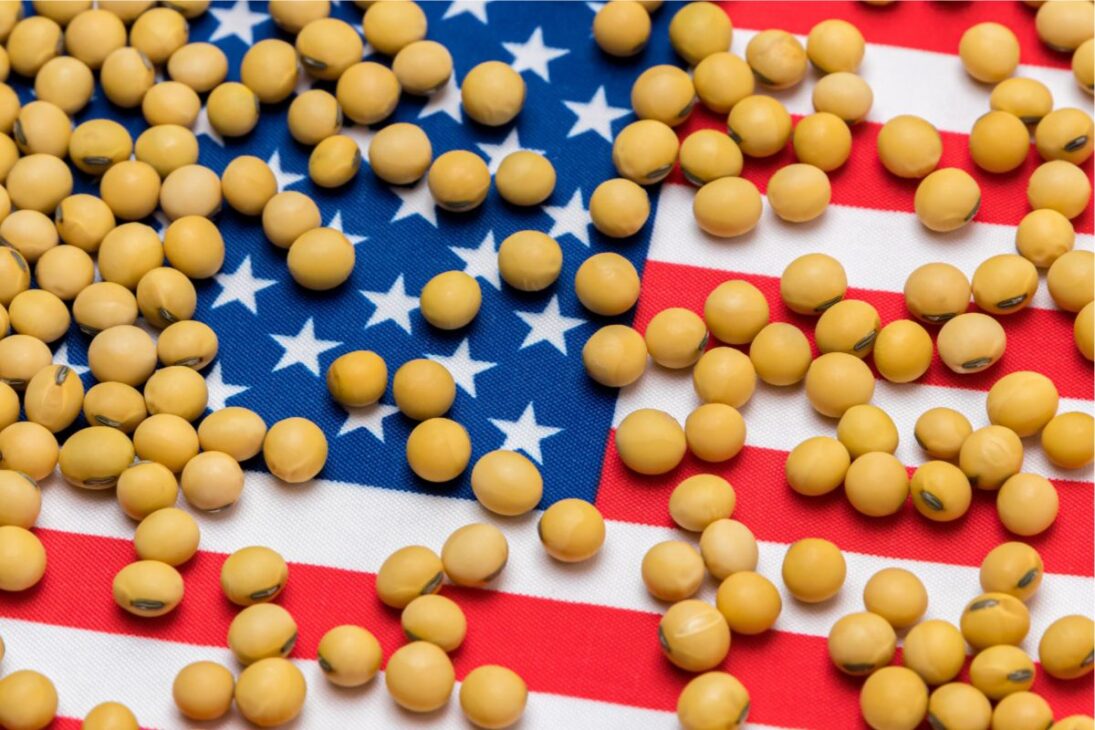
In 2023, during the months of September and October, the Chinese imported about 7 million tons of U.S. soybeans. Now, with the shift in origin, the prolonged absence of business with the U.S. is likely to increase pressure on prices, reducing margins and affecting the planning of the new U.S. harvest.
Effects of the Trade War and Tariffs
The Chinese preference for Brazilian grain is also a direct consequence of the trade tensions that began during Donald Trump’s first term. Since then, Beijing has been diversifying suppliers to reduce dependence on the U.S. In the past year, of the 105 million tons of soybeans imported by China, just over 22 million came from the U.S., valued at approximately US$ 12 billion.
Although Trump recently advocated that China quadruple its soybean purchases from the U.S. before the end of the tariff truce, experts consider the goal unrealistic. To achieve this target, Beijing would have to buy almost exclusively from American producers, something unfeasible while a 23% tariff on U.S. grain remains in place.
Even with U.S. soybeans being about US$ 40 per ton cheaper than Brazilian beans for October shipment, the tariff keeps final prices less competitive. The expectation is that if an agreement is reached by November, China may resume purchases from the U.S., expanding the American export window and delaying the advance of Brazilian shipments.









Pra cima do Adolf trump.