





 Portuguese
  English
  Spanish
  3 min of reading
  0 comments


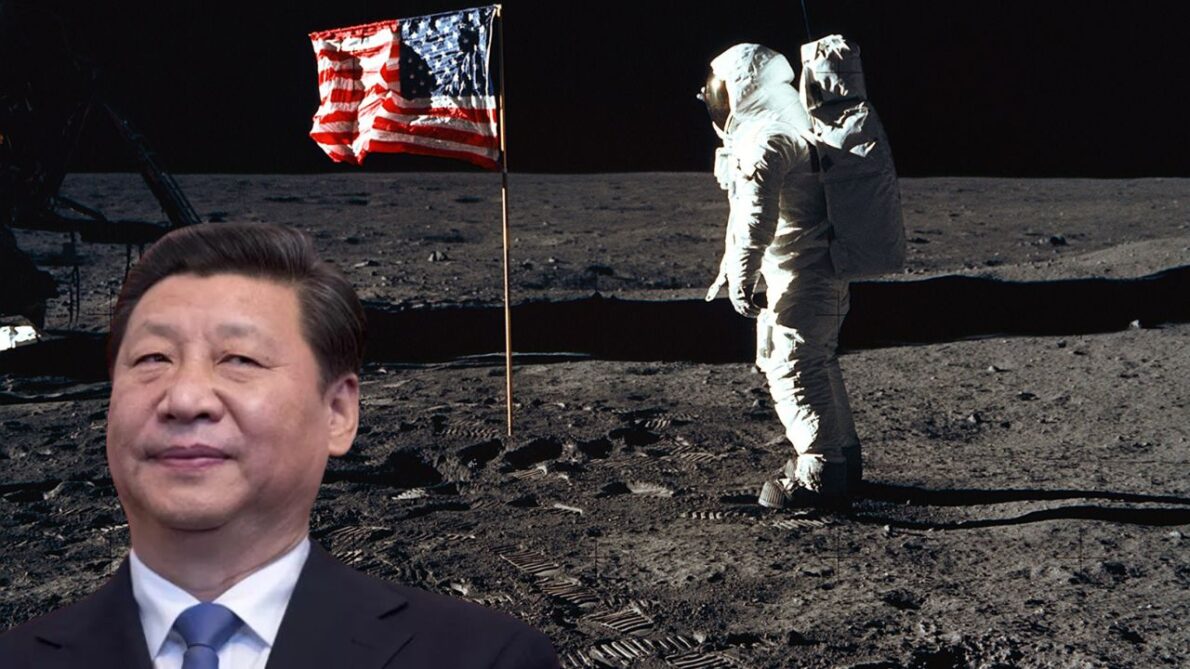
China Discovers Molecular Water on the Moon, Marking a Crucial Breakthrough in Space Mining
The China has just outpaced the rest of the world in the space race, positioning itself ahead in one of the greatest technological and strategic competitions of our time. The Asian country recently revealed a discovery that could change the game: molecular water on the Moon, a fundamental element for space mining and future exploration and colonization missions of the satellite.
You may have heard about the existence of water on the Moon, but the truth is that, until now, we were merely scratching the surface. China announced that scientists from the country identified, for the first time, complete water molecules in lunar samples brought back by the Chang’e-5 probe. Unlike what was found in previous studies that detected hydroxyl (a water precursor), we are now talking about legitimate H2O, in its molecular form.
Race for Space Mining
This discovery is not just a scientific milestone, but also an immense strategic advancement in the race for space mining. With this molecular water, China takes a giant leap towards resource exploration on the Moon, which may include everything from supplying lunar bases to producing fuel for future space missions. This not only positions the country at the forefront of lunar exploration but also gives it a significant advantage over other powers also vying for leadership in space.
-
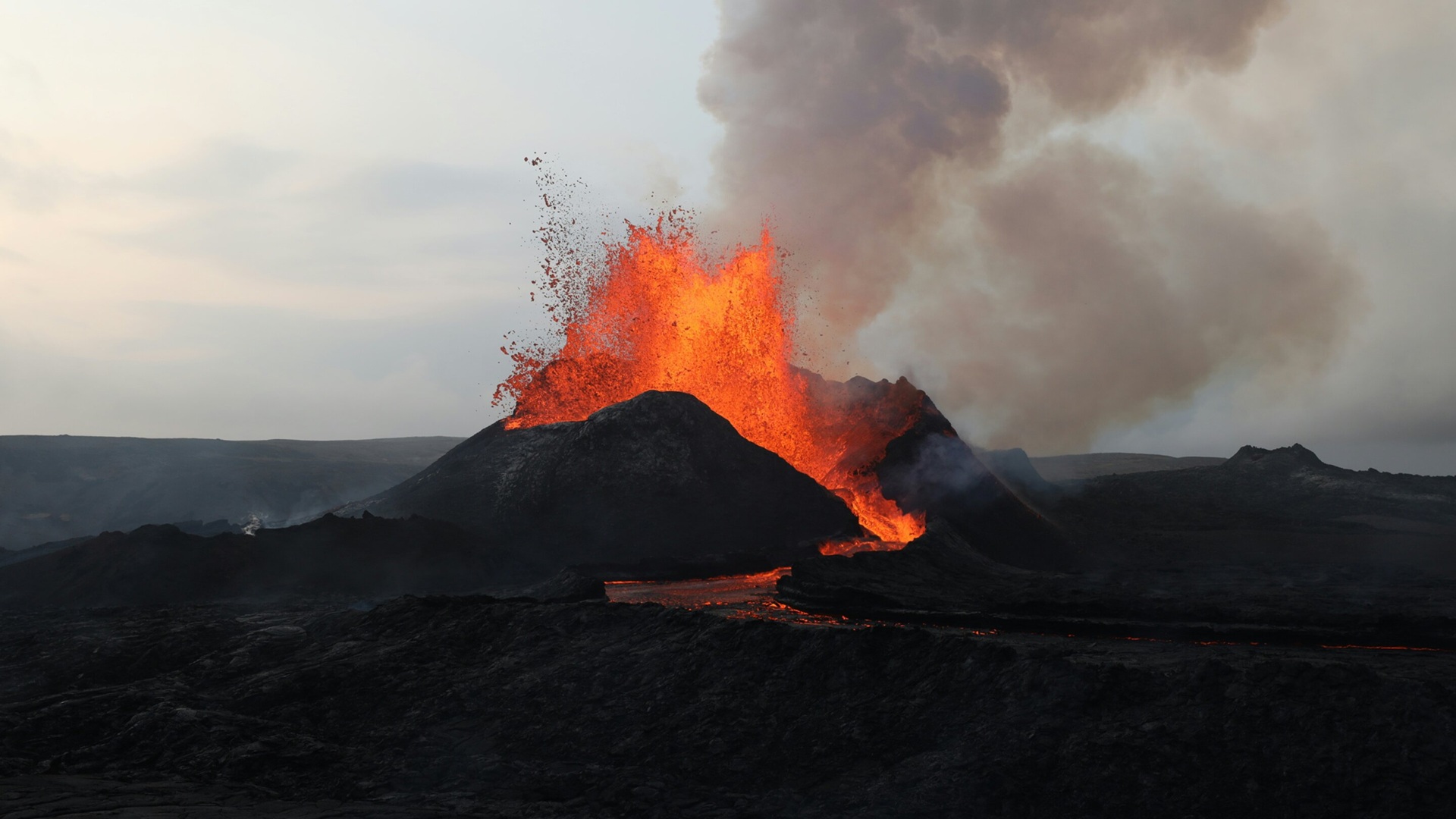
What can really trigger large volcanic eruptions? Research suggests that gas returning to the magma may be more dangerous than gas escaping from it.
-
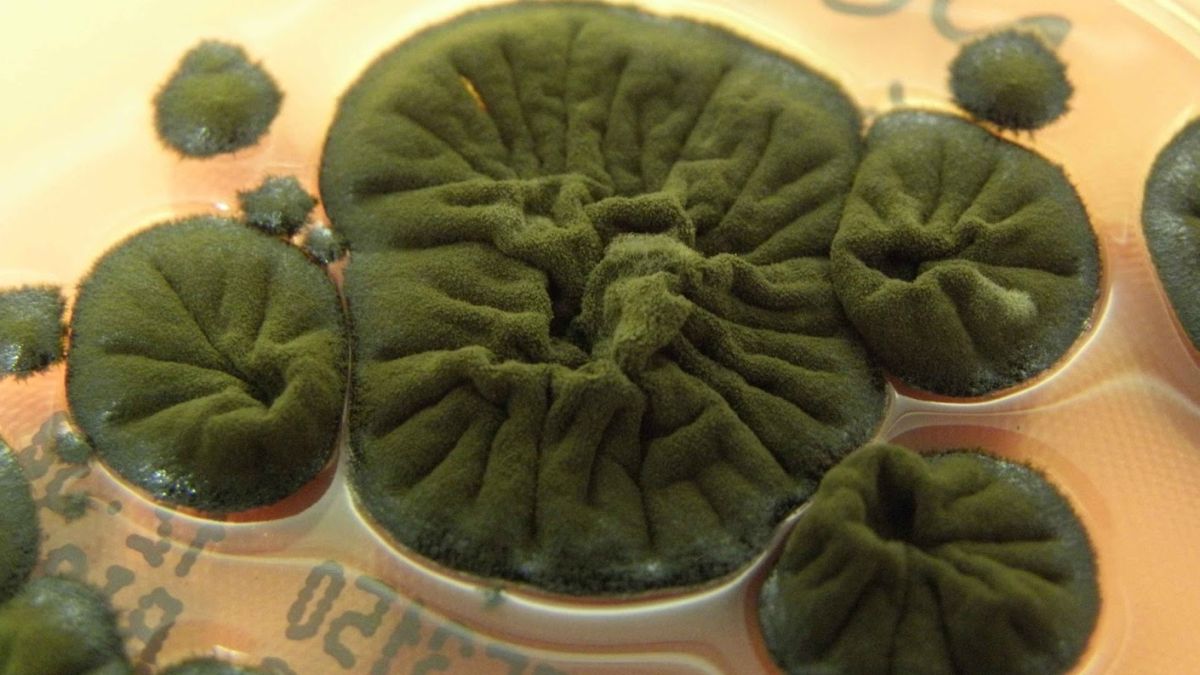
Found in one of the most radioactive places on Earth, this Chernobyl fungus may be doing something with radiation that no one has been able to explain to this day.
-
A bright yellow mushroom imported from Asia escaped from a cultivation farm in the United States in 2010 and is now aggressively spreading across 25 states, destroying entire communities of native fungi in American forests.

-
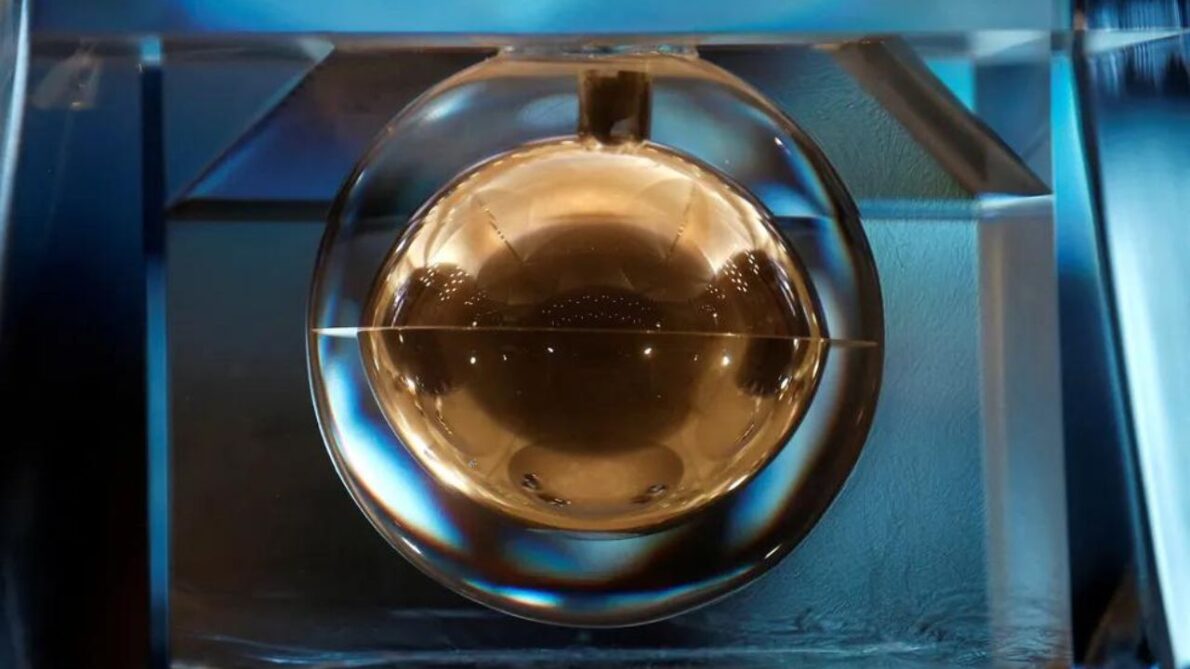
Buried under China, a colossal machine weighing 20,000 tons began operating as the largest neutrino detector on the planet and, in just 59 days, surpassed results that science took half a century to achieve.


China Prepares to Advance
With the confirmation of molecular water on the Moon, China is preparing to advance with space mining projects. The discovery of a mineral called ULM-1, which contains over 40% water, strengthens the possibilities for extraction and use of this vital resource. From this point onwards, the question is no longer if we will explore the Moon, but rather when and how this will be done.
Besides being a source of water, which is essential for life and fuel production, space mining could open the doors for the exploration of other valuable resources present in space, such as rare metals and helium-3, which have the potential to revolutionize various industries here on Earth.
Physical Samples That Confirm the Presence of H2O
While NASA and other space agencies are still trying to unravel the mysteries of lunar water, China is already a step ahead, with physical samples confirming the presence of H2O in areas where it was previously thought impossible to find. The discovery was made at 43.1 degrees latitude, an area considered unsuitable for the presence of molecular water, which makes the achievement even more impressive.
What comes next? It is likely that we will see China expand its presence on the Moon, with ambitious plans to establish a research base and eventually begin large-scale space mining operations. And in the meantime, the rest of the world will have to scramble to avoid falling too far behind in this new era of space exploration.
China Showed It Is Willing to Go Far
The space race is far from a friendly competition, and China has shown that it is willing to go far to secure leadership in this field. With the discovery of molecular water on the Moon, the country has not only put the pedal to the metal but also changed the rules of the game. Space mining is increasingly close to becoming a reality, and all indications point to China being determined to lead this new frontier. The question remains: how will the rest of the world react to this?








Seja o primeiro a reagir!